Pheromone traps are one of the most powerful, eco-friendly tools available to community gardeners who want to stay ahead of pest problems before they spiral out of control. Whether you're managing a small shared plot or coordinating pest control across dozens of garden beds, understanding how to use these clever devices can make the difference between a thriving harvest and a frustrating, crop-destroying infestation.
This guide is designed for beginner to intermediate community gardeners who want to implement a smarter, more coordinated approach to pest management — one that benefits every member of the garden, not just a single plot.
What Are Pheromone Traps and How Do They Work?
Pheromones are chemical signals that insects naturally produce to communicate with one another — typically for mating purposes. Scientists have learned to synthesize these compounds and use them as lures inside specially designed traps. When a pest (usually a male insect) detects the pheromone scent, it follows the chemical trail directly into the trap, where it becomes stuck on a sticky surface or is captured in a collection chamber.
The key thing to understand about pheromone traps is that they are species-specific. A lure designed to attract codling moths will not attract tomato hornworms or cabbage loopers. This specificity is actually a major advantage — it means you can monitor particular pests of concern without interfering with beneficial insects like bees, ladybugs, or parasitic wasps.
There are a few different trap designs you'll commonly encounter:
- Delta traps: Triangular, tent-shaped traps with a sticky liner inside. Widely used for moths and small flying insects.
- Bucket or funnel traps: Used for larger insects like Japanese beetles or some types of flies. The insect falls into a collection chamber.
- Sticky card traps: Flat, coated cards sometimes used alongside pheromone lures for monitoring smaller insects like thrips or whiteflies.
Pheromone lures (sometimes called "dispensers") are small, slow-release capsules placed inside the trap. They typically need to be replaced every four to eight weeks, depending on the manufacturer's guidelines and the temperature in your area — heat causes lures to release their scent faster.
Why Community-Wide Monitoring Matters
Pest pressure doesn't respect plot boundaries. A whitefly infestation that starts in one corner of your community garden can spread rapidly across the entire site within a single growing season. This is why individual gardeners monitoring their own plots in isolation — while better than nothing — misses the bigger picture.
Community-wide monitoring gives your whole garden a collective advantage:
- Early detection: When multiple traps are spread across the garden, you create a detection network that catches pest arrivals earlier, often before visible plant damage occurs.
- Understanding movement patterns: By comparing catch numbers from different traps across the site, you can see where pests are entering the garden and in which direction they're spreading.
- Shared resources: Rather than every individual gardener buying their own monitoring tools, the community can pool resources to cover the whole garden more efficiently.
- Coordinated responses: When data is shared openly, the entire gardening community can respond together — timing treatments or physical interventions to have maximum effect.
- Reduced chemical use: Because pheromone monitoring lets you treat only when necessary and only where needed, it supports a more targeted, environmentally responsible approach to pest control.
Getting Started
If you're new to pheromone traps or are looking to introduce them to your community garden for the first time, here's how to lay a solid foundation.
Step 1: Identify Your Priority Pests
Before purchasing anything, gather input from your community garden members. Ask what pests have caused the most damage in previous seasons. Common targets for pheromone monitoring in community gardens include:
- Codling moths (apples, pears)
- Tomato fruitworms / corn earworms
- Cabbage loopers and diamondback moths (brassicas)
- Japanese beetles
- Peach twig borers (stone fruit)
- Squash vine borers
Focus on two or three priority species for your first season. Trying to monitor too many pests at once can become overwhelming and expensive.
Step 2: Source Your Traps and Lures
Visit a reputable garden supply retailer — such as Community Garden Shop — or contact your local agricultural extension service. Make sure you're purchasing lures that match the specific pest species you're targeting. Lures are not interchangeable between species.
When ordering, also consider:
- The number of traps you need (one trap per pest species, per zone)
- Replacement lures for the full season
- A logbook or printed data sheets for recording catches
Step 3: Assign Roles Within Your Community
Community-wide monitoring works best when responsibilities are shared clearly. Consider assigning:
- A monitoring coordinator who oversees the program and maintains records
- Plot zone leaders who check and record catches from nearby traps weekly
- A communications lead who shares updates with the broader membership
Setting Up Your Monitoring Network
Placement Guidelines
Trap placement significantly affects how useful your data will be. Follow these general principles:
- Height matters: Most moth traps should be placed at the canopy level of the target plant — roughly 1 to 1.5 metres off the ground for vegetable gardens, and higher for fruit trees.
- Spacing: As a general rule, place one trap per target pest species for every reasonably sized zone (think of zones as clusters of plots roughly 15–20 metres across). Placing traps too close together can cause them to compete with each other.
- Entry points: Position at least one trap near the garden's edge or fence line where pests are most likely to arrive from surrounding areas.
- Avoid interference: Don't place traps directly next to strong-smelling plants or compost heaps, as competing odours can reduce effectiveness.
Timing Your Trap Deployment
Deploy traps before you expect pest activity to begin. For most regions, this means setting traps in early to mid-spring. Check with your local extension service or gardening groups to understand the typical first-flight dates for your priority pests in your specific climate.
Identifying Common Pests with Pheromone Traps
Once your traps are in place, you'll need to identify what you've caught. Most pheromone trap systems are designed so that only the target pest is attracted, but it's still good practice to learn to recognise the insects in your traps.
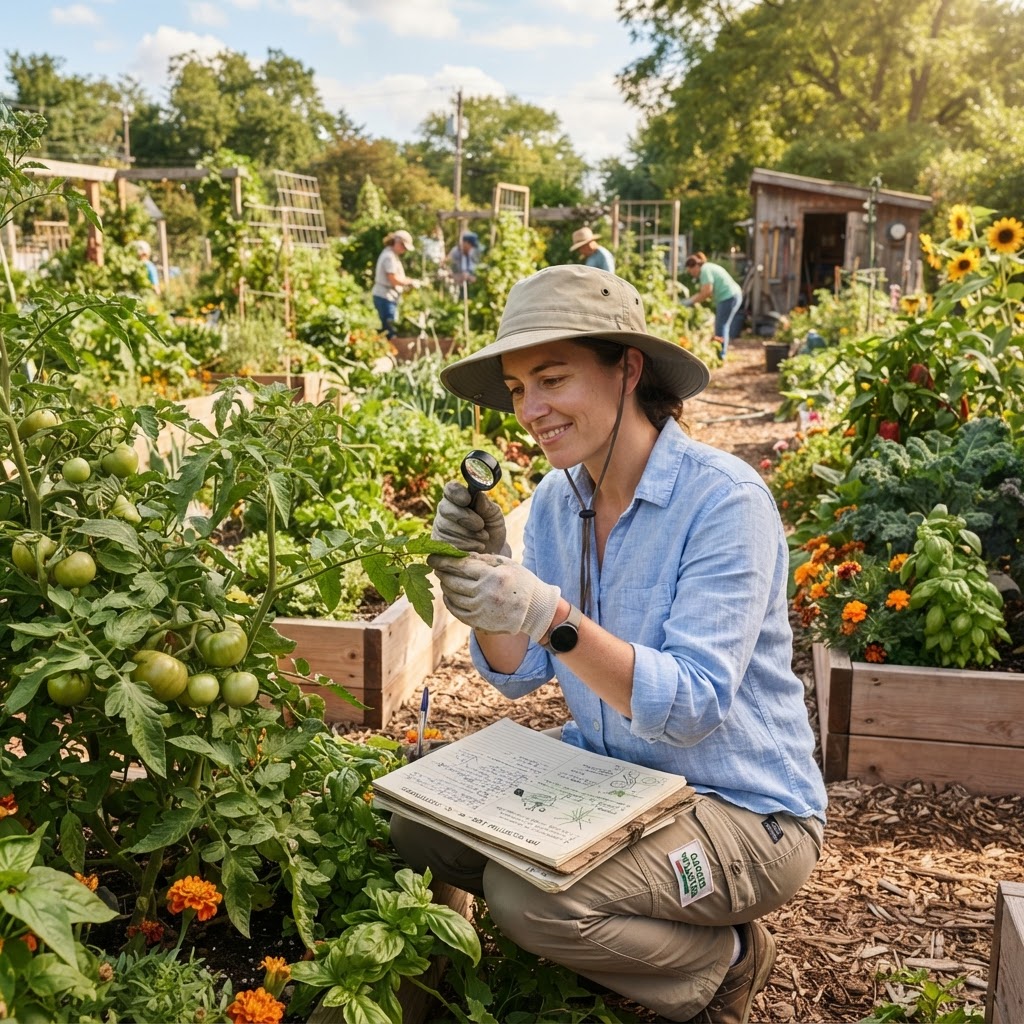
Many trap lure packets include a reference image of the target pest. You can also use a simple magnifying glass and a field guide or gardening app to confirm identifications. When in doubt, photograph what you've caught and share it with your monitoring coordinator or local extension service.
Keep in mind that the number of catches matters. A single moth caught in a week is very different from catching twenty. Most integrated pest management (IPM) guidelines provide action thresholds — the number of insects caught per trap per week at which point intervention is recommended. These thresholds help you avoid unnecessary treatments when pest pressure is low.
Common Mistakes to Avoid
Even experienced gardeners make errors when setting up pheromone monitoring programs. Here are the most important pitfalls to watch out for:
Using the wrong lure for the pest you're targeting. Always double-check the species name on the lure packaging. Common names can be misleading — "cutworm" and "armyworm" lures, for example, are not interchangeable.
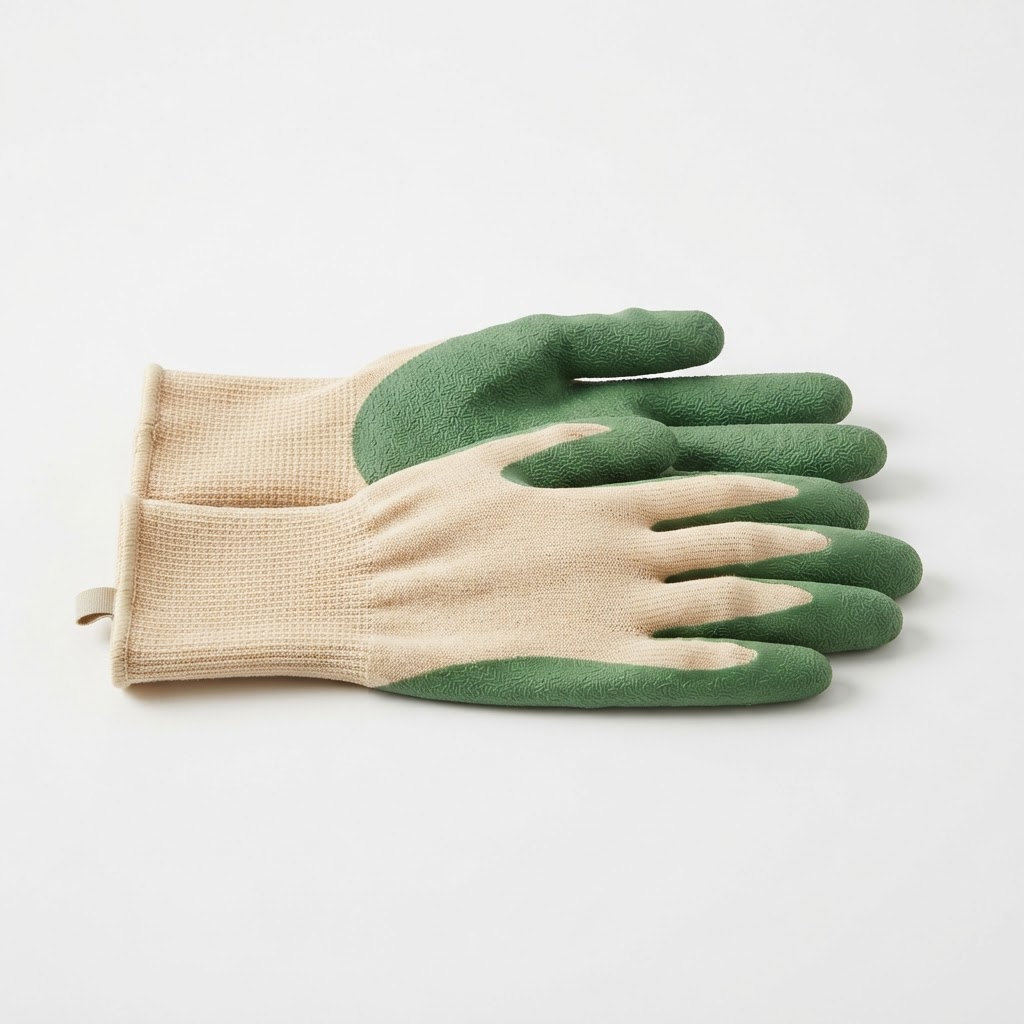
Handling lures with bare hands. Your skin's oils and scents can contaminate the lure, reducing its effectiveness and potentially masking the pheromone signal. Always use gloves or tweezers when inserting lures into traps.
Forgetting to replace lures on schedule. Pheromone lures degrade over time, especially in warm weather. A depleted lure gives you false reassurance that pest populations are low when in fact your trap simply isn't attracting anything. Mark your calendar for replacement dates.
Placing traps too close to each other. If two traps of the same type are placed too near one another, they can interfere with each other's attracting power and skew your catch counts.
Not recording catches consistently. Data is only valuable if it's collected regularly and accurately. Skipping weeks or estimating catch numbers makes it impossible to identify trends or time your interventions correctly.
Relying on pheromone traps alone for control. These traps are monitoring tools, not control tools (with a few exceptions, like mass trapping strategies). If catches exceed your action threshold, you still need to take appropriate management steps.
Ignoring catch data. Setting up traps and then not acting on what they tell you defeats the whole purpose. Make sure your community has an agreed plan for what to do when catches spike.
Tips for Success
Here are practical, actionable strategies that will help your community-wide monitoring program run smoothly from season to season.
Start simple and scale up. In your first season, focus on one or two high-priority pests. Learn the system, build your data habits, and add more pests in subsequent years as your confidence grows.
Create a visual trap map. Draw or photograph a map of your garden and mark each trap location. This helps new volunteers find traps quickly and ensures nothing gets missed during weekly checks.
Set a consistent check schedule. Check traps on the same day each week, at the same time of day. Consistency is more important than frequency — weekly checks are sufficient for most pests.
Wash and dry traps before reuse. At the end of the season, clean reusable trap components thoroughly before storing them. This removes old lure residue and ensures traps are ready for accurate monitoring next season.
Build community buy-in through communication. Hold a brief seasonal briefing for garden members to explain the program, show them what traps look like, and share how the data will be used. People are more likely to respect and participate in a program they understand.
Correlate trap data with plant observations. When catches spike, walk the corresponding garden zones and look for early signs of pest damage. This helps you confirm whether the monitoring data matches real-world conditions.
Connect with local resources. Your regional agricultural extension office, master gardener program, or local university horticulture department may offer guidance on specific pest thresholds and management strategies for your area.
Recording and Sharing Data with Your Community
Collecting catch data is only half the job — making that data useful to your whole community is the other half. Here are some practical approaches:
- Simple paper logbooks: A binder kept in a communal space (shed, notice board area) works perfectly for small gardens. Include columns for date, trap location, pest species, and number caught.
- Shared digital spreadsheet: For larger gardens with multiple coordinators, a shared online spreadsheet allows everyone to input data from their zones in real time.
- Monthly summary notices: Post a brief, plain-language update on the community noticeboard each month summarising what's been caught, what it means, and whether any action is being recommended.
- Seasonal reports: At the end of each growing season, compile your data into a simple summary report. Over several years, these reports become an incredibly valuable record of pest patterns in your specific garden.
Conclusion
Pheromone traps represent a genuinely exciting advancement in accessible, science-based pest management for community gardens. By deploying these tools across your entire garden — rather than leaving individual gardeners to fend for themselves — you build a collective intelligence about what pests are present, when they arrive, and how populations change over the season.
The beauty of this approach is that it reduces guesswork, supports more targeted interventions, and helps your garden move away from reactive, spray-first thinking toward a more proactive, data-informed culture. It's also a wonderful way to build connection and shared responsibility within your garden community.
Start small, stay consistent, share what you learn, and you'll be amazed at how much more confidently your whole community can manage the challenges that come with growing food together.