Early blight is one of the most common and frustrating challenges that community gardeners face when growing potatoes. Caused by the fungal pathogen Alternaria solani, this disease can devastate a promising potato crop, turning healthy green foliage into a patchwork of brown, papery lesions almost before you realize what's happening. The good news is that you don't need to reach for chemical fungicides as your first line of defense. Cultural controls — the practices and habits you build into your gardening routine — are remarkably effective at keeping early blight in check, and they're accessible to gardeners at every skill level.
This article is written for community gardeners who share growing space with neighbors, coordinate planting schedules with plot managers, and care about keeping their shared garden environment healthy for everyone. Whether you're a first-season grower or someone who has battled blight before and wants a more organized approach, you'll find practical, grounded guidance here.
Getting Started
Before you can effectively prevent early blight, it helps to know what you're working with. Early blight typically appears as small, dark brown spots on older, lower leaves first. These spots often have a target-like pattern of concentric rings and are surrounded by a yellow halo. As the disease progresses, lesions expand and leaves may yellow, wither, and drop prematurely. In severe cases, the plant loses so much foliage that tuber development is seriously compromised.
The fungus that causes early blight overwinters in infected plant debris, soil, and even on volunteer potato plants or weedy relatives like nightshade. It spreads via wind, water splash, and contact, which makes community gardens — where many plots are growing potatoes in close proximity — a particularly high-risk environment.
Cultural controls work by disrupting the conditions the fungus needs to thrive. Heat, humidity, stressed or nutrient-deficient plants, and dense foliage all favor disease development. By thoughtfully managing your planting practices, soil health, watering habits, and garden hygiene, you create an environment where Alternaria solani struggles to get a foothold.
You won't need any special tools or products to implement most of these strategies. What you will need is some planning, consistency, and a willingness to coordinate with fellow gardeners in your community plot.
Understanding Early Blight and Why Cultural Controls Matter
The Disease Cycle
Early blight is a warm-weather disease that tends to appear mid-season, often just as plants are beginning to flower and set tubers. The fungus produces spores that are easily carried by wind or splashed by rain and irrigation. Infection happens quickly under warm, humid conditions, particularly when leaves stay wet for extended periods.
One important point for community gardeners: Alternaria solani doesn't disappear when the season ends. It persists in soil and on plant debris for extended periods, which means poor end-of-season cleanup in one plot can contribute to disease pressure across the entire community garden the following year. This shared vulnerability is exactly why a community-wide approach to cultural controls is so valuable.
Why Choose Cultural Controls First
Chemical fungicides can be effective against early blight, but they come with real downsides. They can be expensive, they require repeated applications, they may affect beneficial organisms in the soil, and they can create resistance issues over time. Cultural controls, on the other hand, are low-cost, sustainable, and they improve overall garden health — not just disease resistance. They also align with the organic and environmentally conscious values that many community gardens embrace.
Key Cultural Control Strategies
Crop Rotation
Crop rotation is arguably the single most powerful cultural tool you have against early blight. Because the fungus overwinters in the soil and in debris, planting potatoes in the same spot year after year gives the pathogen a ready-made host right where it's already established.
The general recommendation is to avoid planting potatoes — or any other member of the Solanaceae family, including tomatoes, peppers, and eggplant — in the same bed or plot for at least three years. After that rotation period, disease pressure from soil-borne sources is significantly reduced.
In a community garden setting, work with your plot manager or garden coordinator to track what's been planted where. A simple shared spreadsheet or plot map updated each season can make this much easier. Even if you're diligent about rotation in your own plot, a neighboring plot's tomatoes can be a source of Alternaria spores, so encouraging garden-wide participation is worthwhile.
Selecting Resistant or Tolerant Varieties
Not all potato varieties respond to early blight in the same way. Some have been bred or selected for greater tolerance to the disease, meaning they may still show some symptoms under heavy pressure but won't collapse as dramatically as more susceptible varieties.
When selecting seed potatoes, look for variety descriptions that mention blight tolerance or disease resistance. Heirloom varieties can be wonderful for flavor and diversity, but many are more susceptible to fungal diseases than modern bred varieties. If early blight has been a recurring problem in your community garden, consider prioritizing disease tolerance in your variety selection, at least until you've brought disease pressure down through other cultural practices.
Using Certified Disease-Free Seed Potatoes
Never plant potatoes saved from a diseased crop, and avoid using grocery store potatoes as seed. Grocery store potatoes are often treated to inhibit sprouting, and more importantly, they carry unknown disease histories. Certified seed potatoes have been inspected and produced under conditions designed to minimize pathogen contamination.
Purchasing certified seed potatoes is a simple, affordable step that removes one significant potential entry point for early blight (and other diseases) into your garden.
Proper Spacing and Airflow
Dense planting creates a humid microclimate within the canopy where fungal spores can germinate and spread rapidly. Giving your potato plants adequate spacing allows air to circulate between plants, helping foliage dry more quickly after rain or irrigation.
Follow spacing recommendations for your chosen variety — typically around twelve inches between plants within the row and at least two feet between rows. In raised bed community plots where space is at a premium, resist the temptation to squeeze in extra plants. A few fewer potatoes in well-spaced conditions will often outperform a crowded planting where disease takes hold early.
Watering Practices
How and when you water makes a significant difference in early blight risk. Overhead watering — using sprinklers or watering cans held above the foliage — wets the leaves and creates the moisture film that fungal spores need to germinate. Drip irrigation or soaker hoses deliver water directly to the root zone, keeping foliage dry.
If you must use overhead watering, do it early in the morning so foliage has time to dry before cooler evening temperatures arrive. Avoid watering in the evening, as this leaves leaves wet throughout the night when fungal activity is highest.
In many community gardens, irrigation is shared infrastructure, so advocate for drip systems or soaker hoses in potato areas if your garden doesn't already have them.
Soil Health and Balanced Nutrition
Plants that are well-nourished and growing in healthy soil are significantly more resilient to disease. Nitrogen is particularly important for potato foliage health, but over-application of nitrogen can produce lush, soft growth that is more disease-prone and diverts energy away from root and tuber development.
Focus on building balanced, biologically active soil through compost additions, cover cropping between seasons, and avoiding synthetic fertilizer overuse. A soil test every few seasons will help you understand what your specific plot needs and prevent both deficiencies and excesses that stress plants and reduce disease resistance.
Mulching
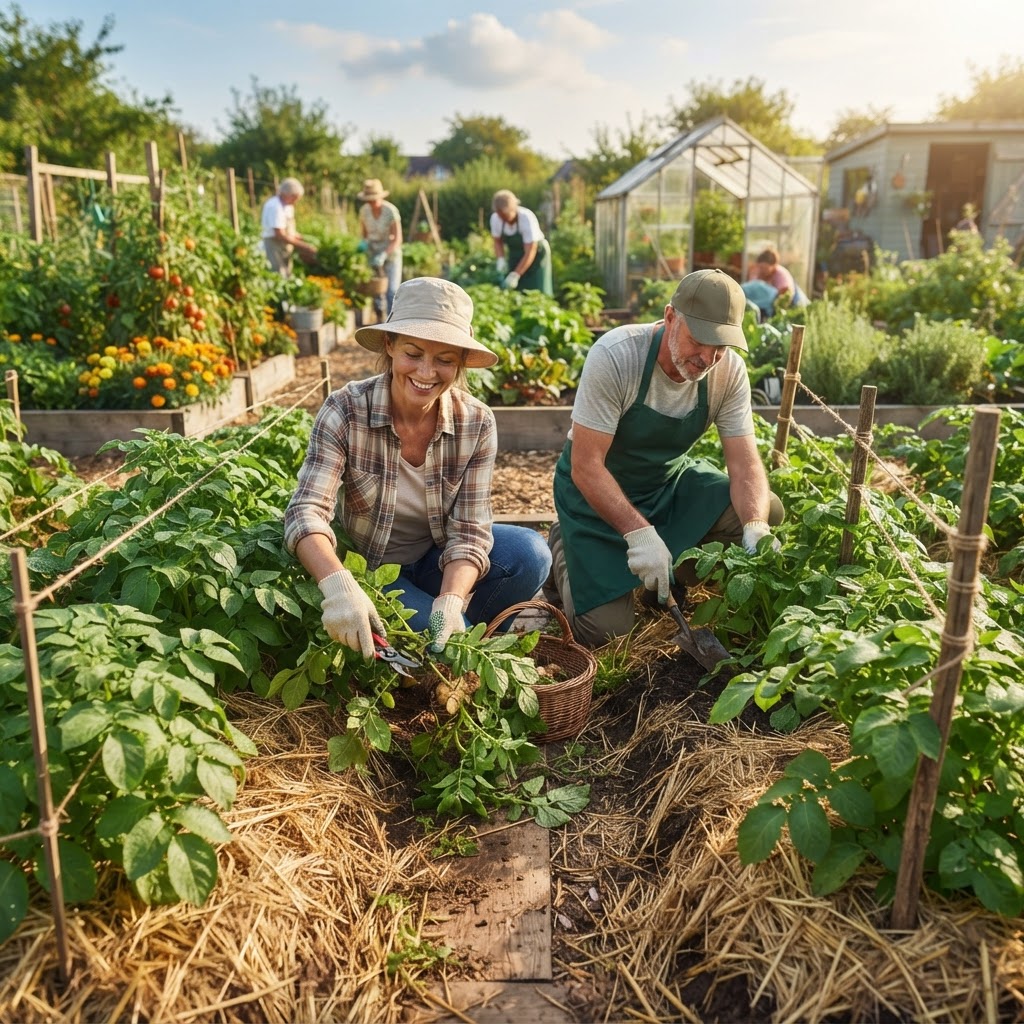
Applying a layer of organic mulch — straw, shredded leaves, or wood chips — around potato plants serves multiple blight-prevention purposes. It suppresses weeds that can host fungal pathogens, moderates soil moisture to reduce plant stress, and most importantly, acts as a physical barrier that prevents soil splash. Rain and irrigation water hitting bare soil can splash soil particles — and the fungal spores they contain — up onto lower leaves, which is a key infection pathway for early blight.
Apply mulch two to three inches deep after hilling your potatoes, keeping it a few inches back from the main stem to avoid creating excess moisture against the plant.
Prompt Removal of Infected Material
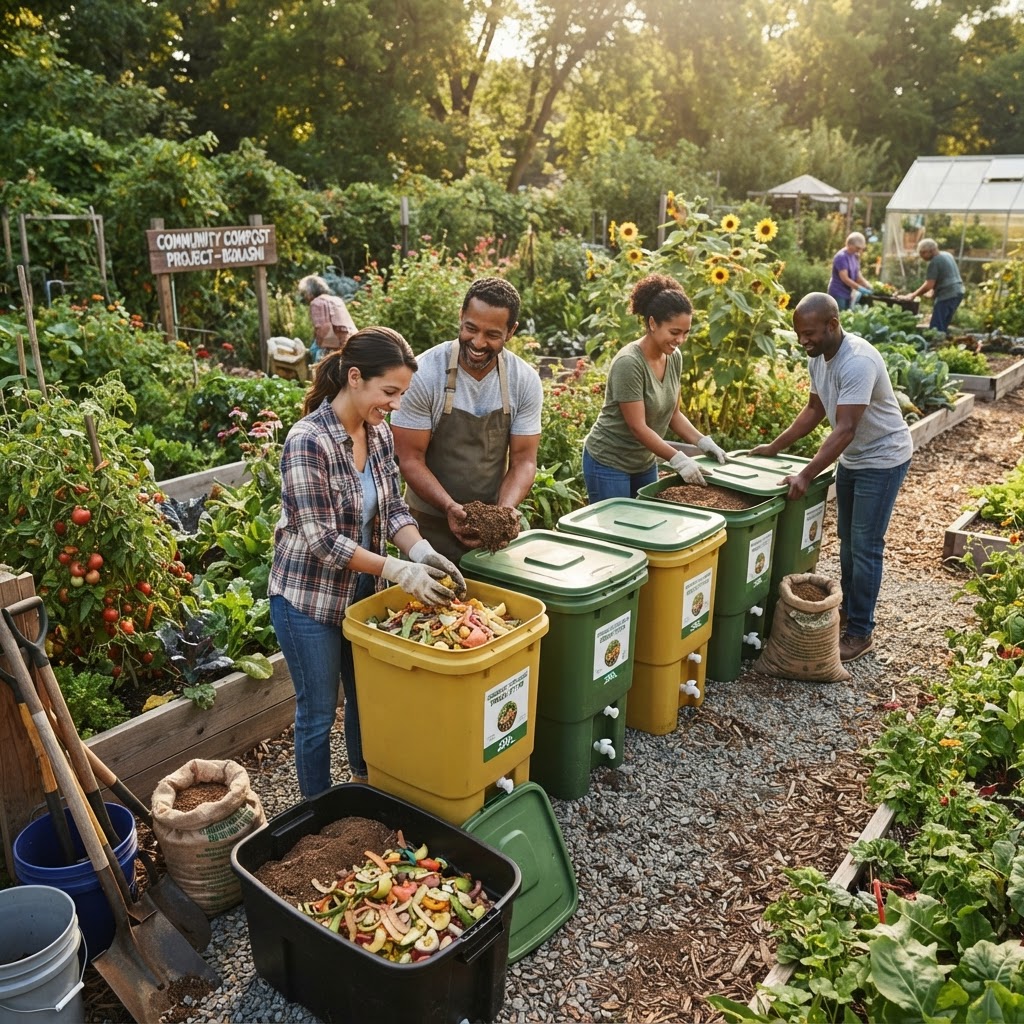
At the first sign of early blight symptoms, remove affected leaves and dispose of them immediately — do not add them to your compost bin. Composting infected material only works if your compost pile consistently reaches temperatures high enough to kill fungal spores, which many home and community compost piles don't reliably achieve.
Bag and remove infected plant material or dispose of it in municipal green waste if your area offers composting services that use high-temperature industrial methods. This promptness slows the spread within your plant and to neighboring plants.
End-of-Season Cleanup
Thorough end-of-season cleanup is essential. Once your potato plants have died back or been harvested, remove all above-ground plant material from your plot. Don't leave stems, leaves, or any plant debris in the bed over winter. Rake the soil surface to remove any debris you may have missed, and consider a light soil amendment of compost to support microbial activity that breaks down remaining organic matter.
Coordinating Controls in a Shared Community Garden
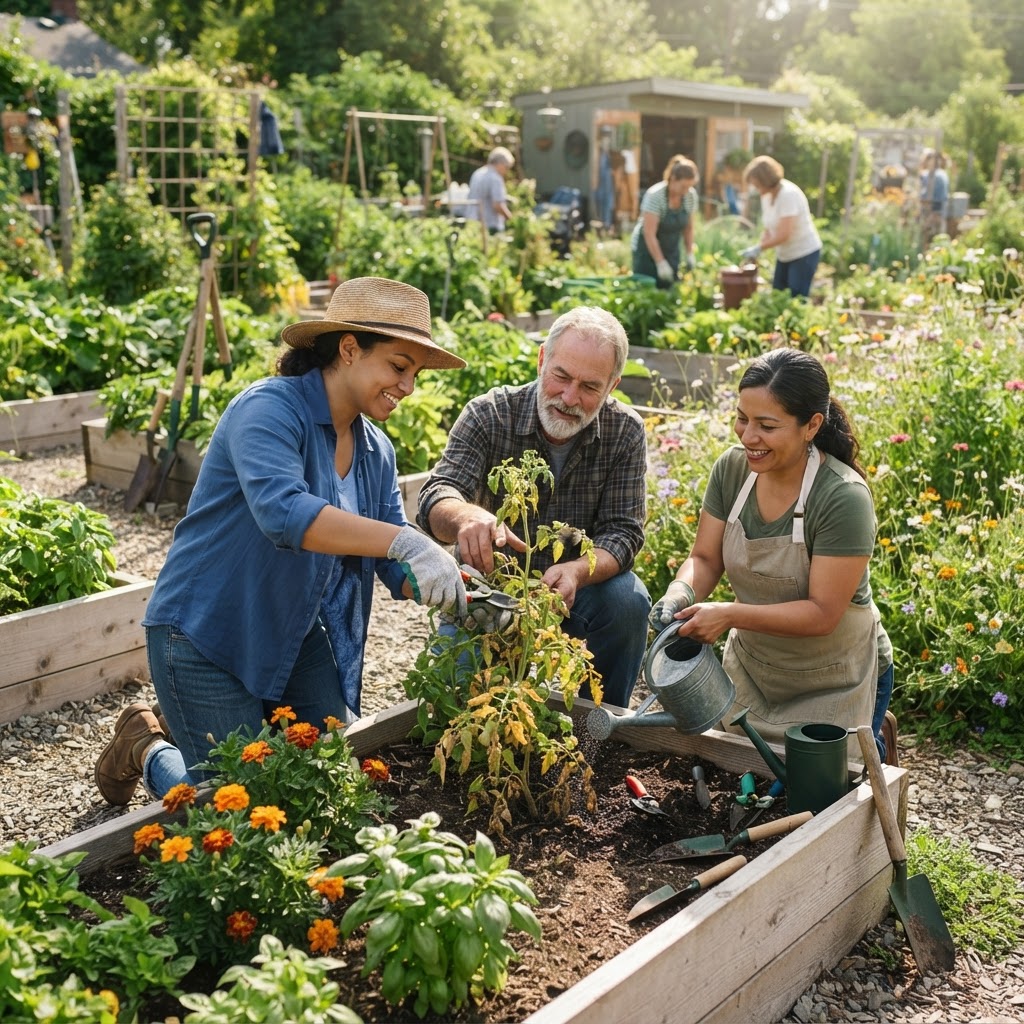
Community gardens present a unique opportunity: because many people are tending nearby plots, you have the chance to implement blight controls at a scale that goes beyond what any individual gardener can achieve alone. Consider organizing a seasonal garden meeting to discuss disease management, share rotation tracking records, and agree on cleanup standards. Even a brief conversation with your neighboring plot holders about watering practices and debris removal can significantly reduce shared disease pressure.
Common Mistakes to Avoid
-
Planting in the same spot every year. This is the most common and most consequential mistake. Even if your plants look fine for a season or two, you're building up disease pressure that will eventually catch up with you.
-
Watering in the evening. Wet foliage overnight is an open invitation for fungal infection. Always water in the morning.
-
Composting infected plant material. Unless you are certain your compost reaches sustained high temperatures, this recycles the pathogen back into your garden. Dispose of infected material safely.
-
Ignoring early symptoms. Waiting to act once you see the first few lesions allows the disease to spread exponentially. Remove affected leaves immediately.
-
Over-fertilizing with nitrogen. Lush, soft growth from excessive nitrogen is more susceptible to disease. Balanced nutrition matters.
-
Planting too densely. Crowded plants can't dry out properly and create ideal conditions for fungal spread.
-
Using saved seed from diseased crops. This practically guarantees you'll introduce the pathogen into your new planting season.
Tips for Success
-
Plan your rotation before the season starts. Draw a simple plot map and note where potatoes and other Solanaceae were planted in previous years so you can make informed decisions.
-
Invest in soaker hoses or drip irrigation. The upfront cost pays dividends in disease prevention across multiple seasons.
-
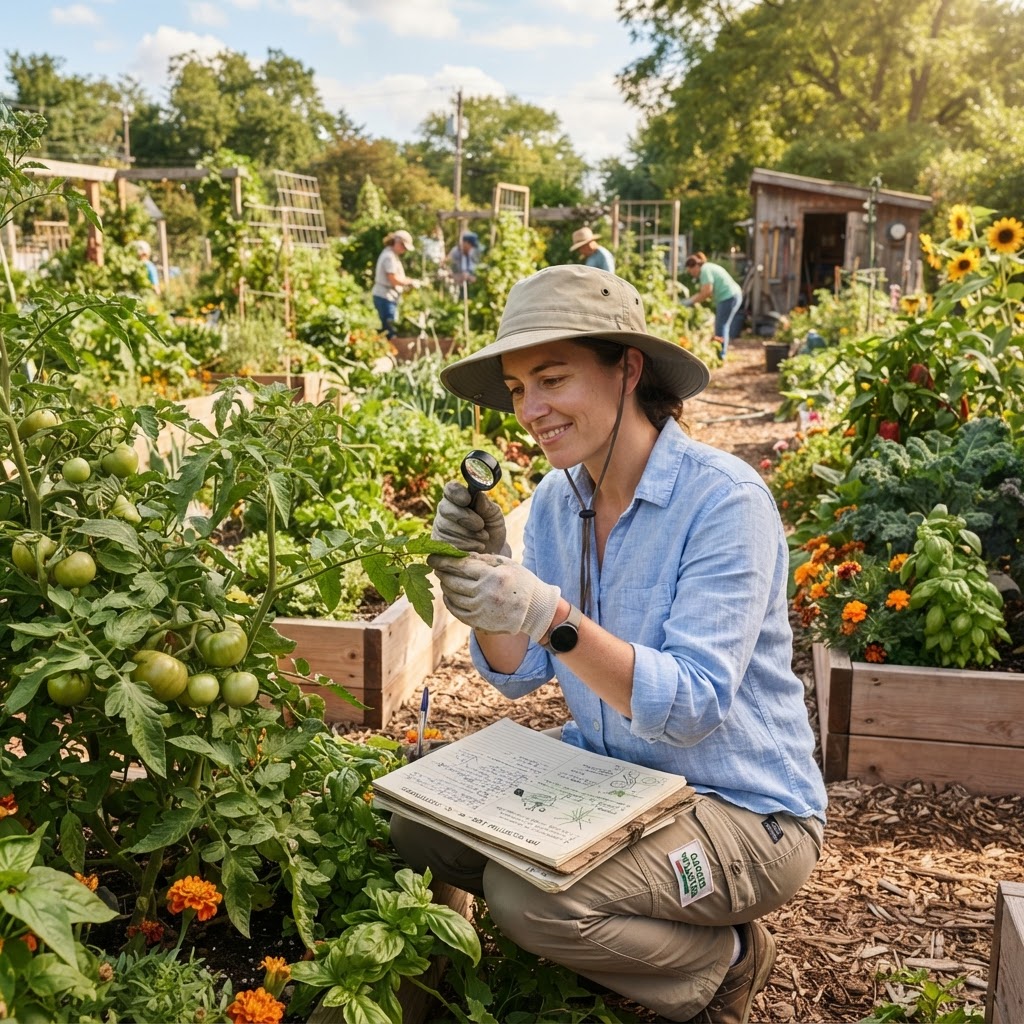
Scout your plants weekly. Make a habit of checking lower leaves from mid-season onward. Early detection is your best tool for limiting spread.
-
Build your soil over time. Each season's compost addition and cover crop improves soil biology and plant resilience. Think of soil health as a long-term investment.
-
Connect with your neighbors. Share what you've learned and coordinate cleanup days. A collaborative approach to disease management is far more effective than individual effort in a shared growing space.
-
Keep records. Note what varieties you grew, where you grew them, and whether disease appeared. This information becomes invaluable for future season planning.
Conclusion
Early blight doesn't have to be a season-defining disaster in your community potato patch. By building sound cultural practices into your gardening routine — thoughtful crop rotation, careful variety selection, smart watering, good soil health, appropriate spacing, mulching, and diligent cleanup — you give your plants the best possible chance to thrive while making life difficult for Alternaria solani.
What makes these strategies particularly meaningful in a community garden context is the collective benefit they create. When all gardeners in a shared space work together toward common disease management goals, everyone benefits from reduced disease pressure. That spirit of shared stewardship is one of the most valuable things a community garden offers, and applying it to pest and disease management is a natural extension of the collaborative ethos that makes community growing so rewarding.
Start with one or two of these practices if you're new to disease management, and build from there. Over time, they become second nature — and your potato harvests will reflect the care you've invested.