Introduction to Fungal Inoculants in Community Gardens
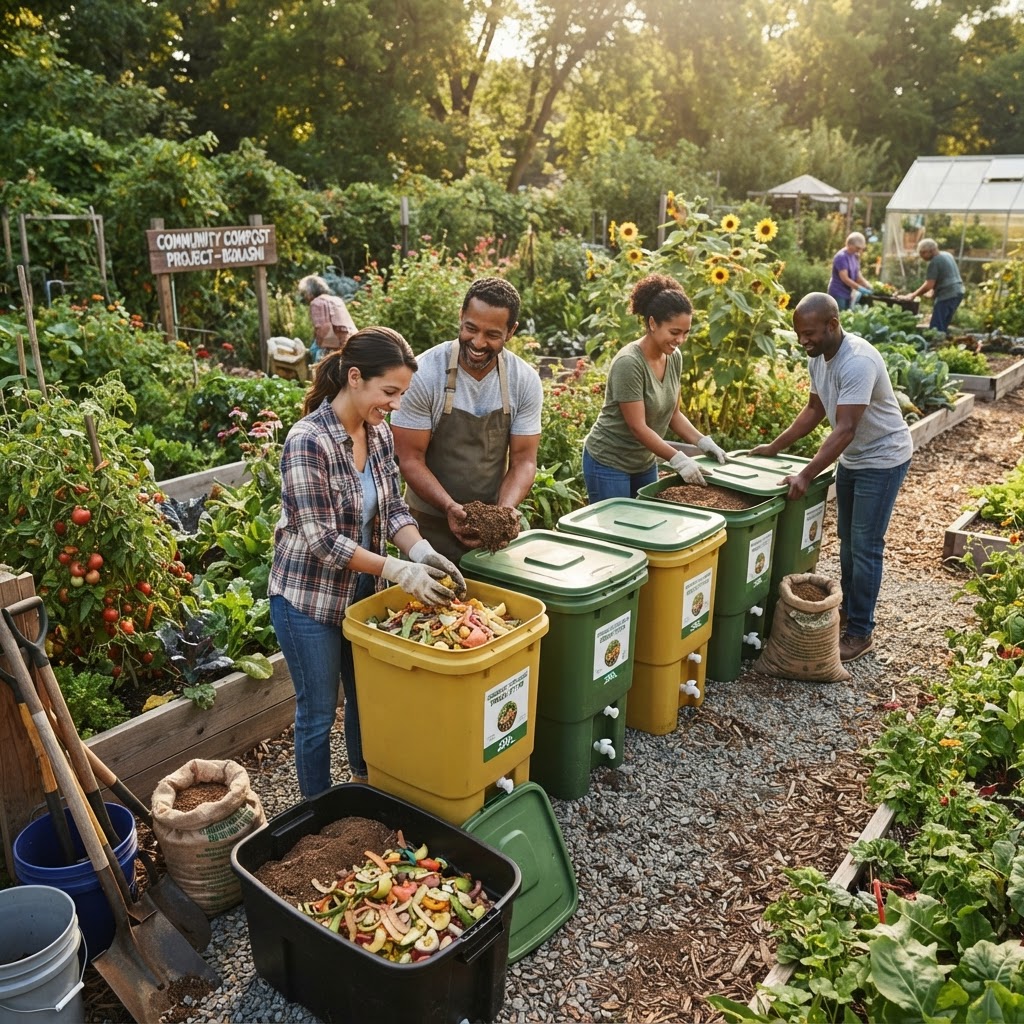
Healthy soil is the foundation of any thriving garden, and beneath the surface, an invisible world of fungi plays a remarkable role in making that happen. Mycorrhizal fungi form intricate networks with plant roots, helping them absorb water and nutrients far more efficiently than they ever could alone. For community gardens, where dozens of gardeners share resources, knowledge, and growing spaces, organizing a shared fungal inoculant program can be one of the most impactful investments a group can make.
A shared inoculant program means that the community collectively sources, stores, and distributes fungal inoculant products — typically mycorrhizal fungi and sometimes beneficial bacterial blends — so that every plot benefits from improved soil biology without every individual gardener bearing the full cost or research burden alone. When done well, these programs strengthen both the soil beneath your feet and the community growing together above it.
This article will guide you through everything you need to know to establish and manage a shared fungal inoculant program in your community garden, from understanding what these products actually do, to practical tips for applying them correctly and avoiding common pitfalls.
Getting Started
Before you purchase a single packet of inoculant, it pays to lay some groundwork within your community garden group. Successful shared programs depend on communication, organization, and a little education.
Assess Your Garden's Needs
Start by understanding your soil's current condition. Has the garden been recently established on previously developed land? Do many plots struggle with poor drainage, compaction, or low fertility? Soils that have been heavily disturbed, repeatedly tilled, or treated with synthetic fungicides tend to have depleted native fungal populations. These are exactly the conditions where introducing mycorrhizal inoculants provides the greatest benefit.
Talk with your fellow gardeners. Ask whether people have noticed poor plant establishment, lackluster growth despite adding compost, or difficulty growing plants during dry spells. These can all be signs that soil biology needs a boost.
Organize a Core Working Group
Designate two to four people who will take responsibility for the program. These folks don't need to be experts — enthusiasm and reliability matter more than credentials. Responsibilities might include:
- Researching and ordering inoculant products
- Managing storage conditions
- Creating a simple sign-out or distribution system
- Educating other gardeners on proper application
Set a Simple Budget
Pooling funds makes high-quality inoculant accessible to everyone. Even a modest collective budget can purchase enough product to treat multiple growing seasons across an entire community garden. Consider collecting a small annual contribution per plot, or applying for a community garden micro-grant if your organization has access to one.
Understanding Mycorrhizal Fungi and Their Role
To manage inoculants well, it helps to understand what you're actually working with.
What Are Mycorrhizal Fungi?
Mycorrhizal fungi are organisms that form symbiotic relationships with the roots of most plant species. The word "mycorrhiza" literally means "fungus root." In this relationship, the fungi extend thread-like structures called hyphae far beyond the root zone, dramatically increasing the plant's effective reach for water and nutrients — particularly phosphorus and micronutrients that are often locked up in soil particles.
In return, the plant provides the fungi with sugars produced through photosynthesis. It's a genuinely cooperative arrangement that has evolved over hundreds of millions of years.
Types Relevant to Gardeners
Two main groups matter for vegetable and ornamental gardeners:
Arbuscular mycorrhizal fungi (AMF) are the most widely applicable type. They colonize the roots of the majority of common garden vegetables, herbs, flowers, and fruit plants. Most commercial inoculant products aimed at vegetable gardeners contain AMF species.
Ectomycorrhizal fungi associate primarily with trees, particularly conifers and hardwoods like oaks and beeches. If your community garden includes a food forest, orchard, or tree-planting component, you may want products that include ectomycorrhizal species.
Plants That Don't Benefit
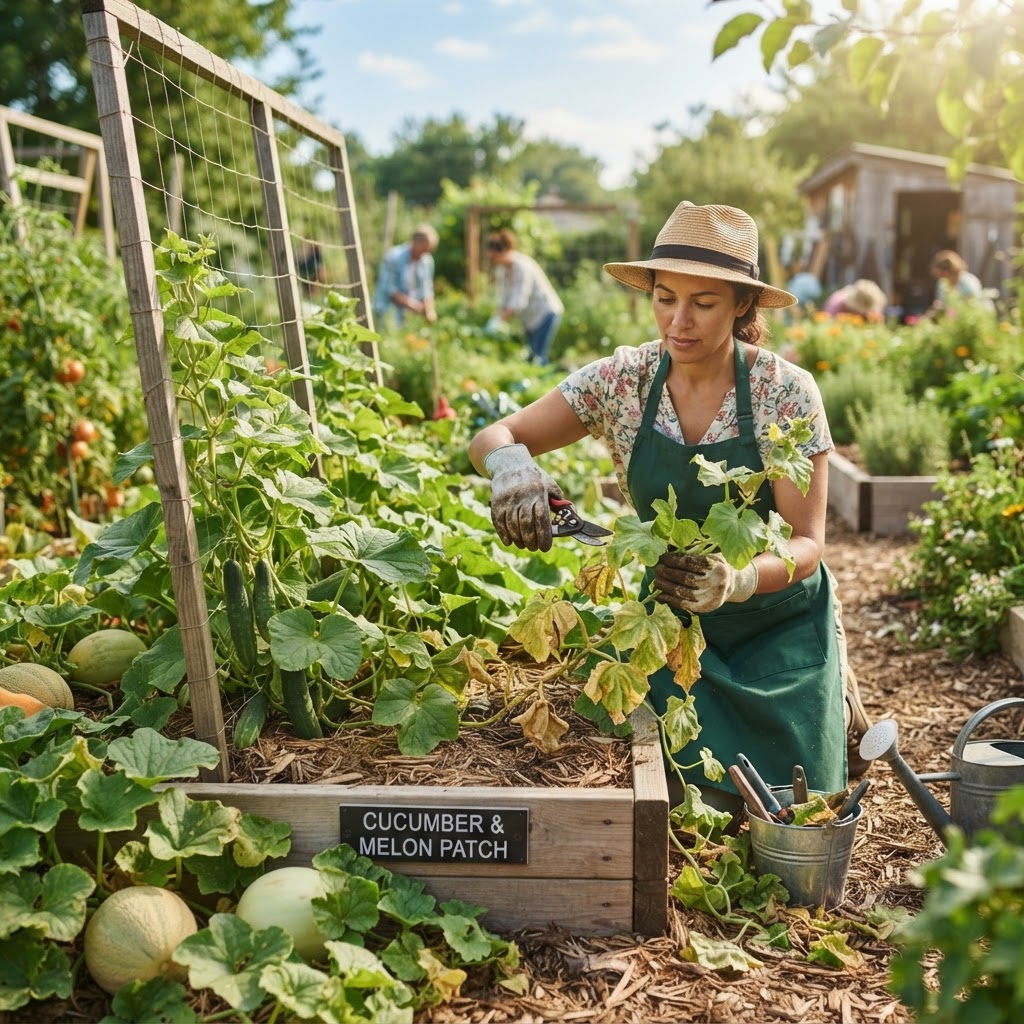
This is important knowledge for your community: not all plants form mycorrhizal associations. Members of the Brassica family — including cabbage, broccoli, kale, radishes, and mustard greens — do not associate with mycorrhizal fungi. Neither do beets and spinach. Applying inoculant to these crops wastes product without harming anything, but knowing this helps you allocate shared resources wisely.
Setting Up a Shared Inoculant Program
Choosing the Right Products
Look for inoculant products that clearly list the fungal species they contain, along with the propagule count per gram or ounce. Higher propagule counts generally mean more viable fungal material, though product freshness matters just as much.
For a mixed community garden growing vegetables, herbs, and flowers, a broad-spectrum AMF product that contains several Glomus or Rhizophagus species will serve most gardeners well. Some products also include beneficial bacteria like Bacillus species, which can complement fungal activity. These combination products are often worth considering for a shared program.
Avoid products with vague labeling that doesn't specify species or viability. Quality products come from reputable manufacturers who invest in shelf stability and testing.
Creating a Distribution System
Simplicity is key. Here are two approaches that work well for community gardens:
Bulk distribution days: Schedule two or three times per growing season — typically early spring, early summer, and fall — when the working group pre-measures and packages inoculant into individual portions for each plot. This ensures consistent dosing and reduces the chance of contamination from repeated handling of a shared container.
Sign-out system: Keep inoculant in a designated, clearly labeled storage space. Gardeners sign out what they need, with guidance posted nearby about application rates and timing. This works best for experienced gardener communities with good communication.
Whichever approach you choose, post clear instructions in multiple languages if your community garden serves a diverse population.
Storage, Handling, and Quality Control
Fungal inoculants are living biological products, and their effectiveness depends entirely on the organisms inside remaining viable. Improper storage is one of the leading reasons shared programs underperform.
Ideal Storage Conditions
Most mycorrhizal inoculant products store best in cool, dry, and dark conditions. A temperature range between about 40°F and 70°F is generally ideal. Avoid storing inoculants in places that experience dramatic temperature swings — a metal garden shed in summer can reach temperatures that kill fungal spores within days.
A dedicated shelf in an indoor storage room, a cool basement, or even a shaded lockbox can work well. Keep products in their original sealed packaging until ready to use, and once opened, reseal tightly and use promptly.
Tracking Expiration and Batch Information
Keep a simple log that records when each product was purchased, the batch or lot number if available, and the expiration date. Rotate stock so older product is used first. At the start of each season, check your inventory and responsibly dispose of expired product rather than distributing it — expired inoculant won't harm plants, but it won't help them either, and wasting gardeners' time and effort is worth avoiding.
Application Methods for Community Plots
There are several practical ways to apply mycorrhizal inoculants, and different gardeners in your community may find different methods suit their style. Educate members on all the options.
Seed Treatment
Powder inoculants can be applied directly to moistened seeds before planting. Simply dampen the seeds slightly, dust them with the recommended amount of inoculant, and plant immediately. The fungi will begin interacting with roots as soon as germination occurs. This method is economical and effective for direct-sown crops.
Transplant Root Dip or Dusting
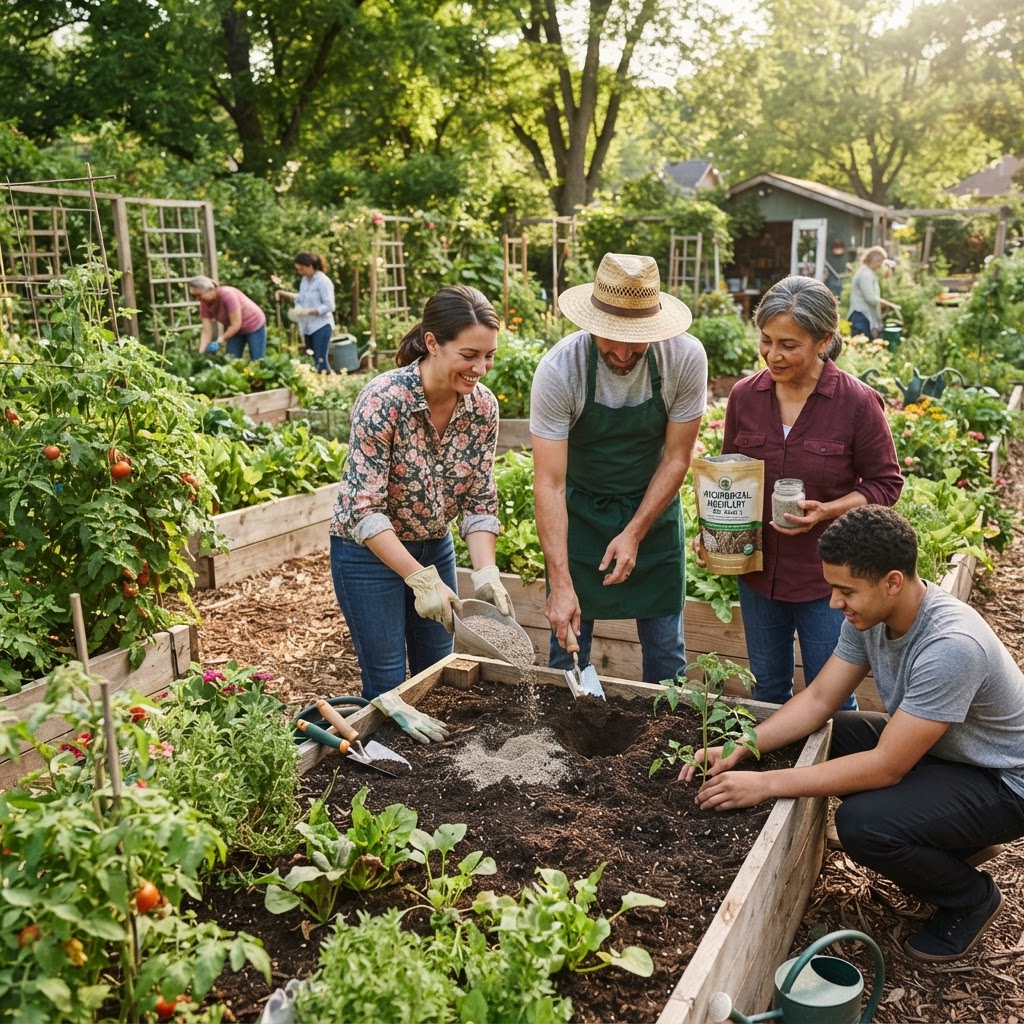
When transplanting seedlings, apply inoculant directly to the root zone. For bare-root transplants, dust the roots lightly before planting. For transplants in a soil plug, make a small hole in the planting spot, add a pinch of inoculant powder, and place the transplant so roots contact the inoculant directly. Direct contact between the product and roots is essential — inoculant mixed broadly into surrounding soil without touching roots is far less effective.
Soil Drench
Some inoculant products are formulated to be mixed with water and applied as a liquid drench around the root zone. This approach works well for established plants or when broadcast application is practical. Follow product mixing instructions carefully, as too high a concentration can sometimes be counterproductive.
What to Avoid
Never mix inoculants with fungicides, certain synthetic fertilizers high in phosphorus, or chlorinated tap water without letting the water sit and off-gas first. High phosphorus availability actually suppresses mycorrhizal colonization — plants form the fungal partnership more readily when phosphorus is limited, so over-fertilizing with phosphorus can undermine your entire program.
Common Mistakes to Avoid
Even well-intentioned shared programs can fall short when a few key errors creep in. Here's what to watch out for.
Purchasing without a plan. Buying a large quantity of inoculant without a clear distribution and application plan leads to product sitting unused past its expiration date. Purchase thoughtfully based on your garden's size and the number of participating plots.
Storing in a hot shed. This is perhaps the single most common reason shared inoculant programs fail. Heat destroys viability. Even a few weeks in a hot storage shed can render a product useless.
Applying to Brassicas and root vegetables that don't associate with mycorrhizae. While harmless, this wastes shared resources. Circulate a simple plant list so gardeners know which crops benefit.
Applying at the same time as fungicide treatments. This directly kills the organisms you're trying to introduce. Coordinate any necessary fungicide applications with your working group to ensure they don't overlap with inoculant application timing.
Expecting overnight results. Mycorrhizal colonization takes time, and the full benefits may not be visible in the first season. Patience and consistency across multiple growing seasons yield the most meaningful results.
Ignoring soil pH. Extreme pH levels — whether very acidic or very alkaline — limit fungal activity. If your community garden plots have significant pH issues, address those with amendments before or alongside inoculant programs.
Tips for Success
-
Start small and scale up. Pilot the program with a handful of willing gardeners in the first season before rolling it out garden-wide. This helps you troubleshoot distribution and application methods before committing resources at full scale.
-
Pair inoculant use with compost additions. Fungal networks thrive in biologically rich soil. Inoculants introduced into dead, compacted soil with no organic matter have far less success than those introduced alongside generous compost applications.
-
Minimize tillage where possible. Deep tillage physically disrupts fungal hyphae networks. Encourage plot holders to experiment with low-till or no-till approaches, particularly in beds that have been inoculated.
-
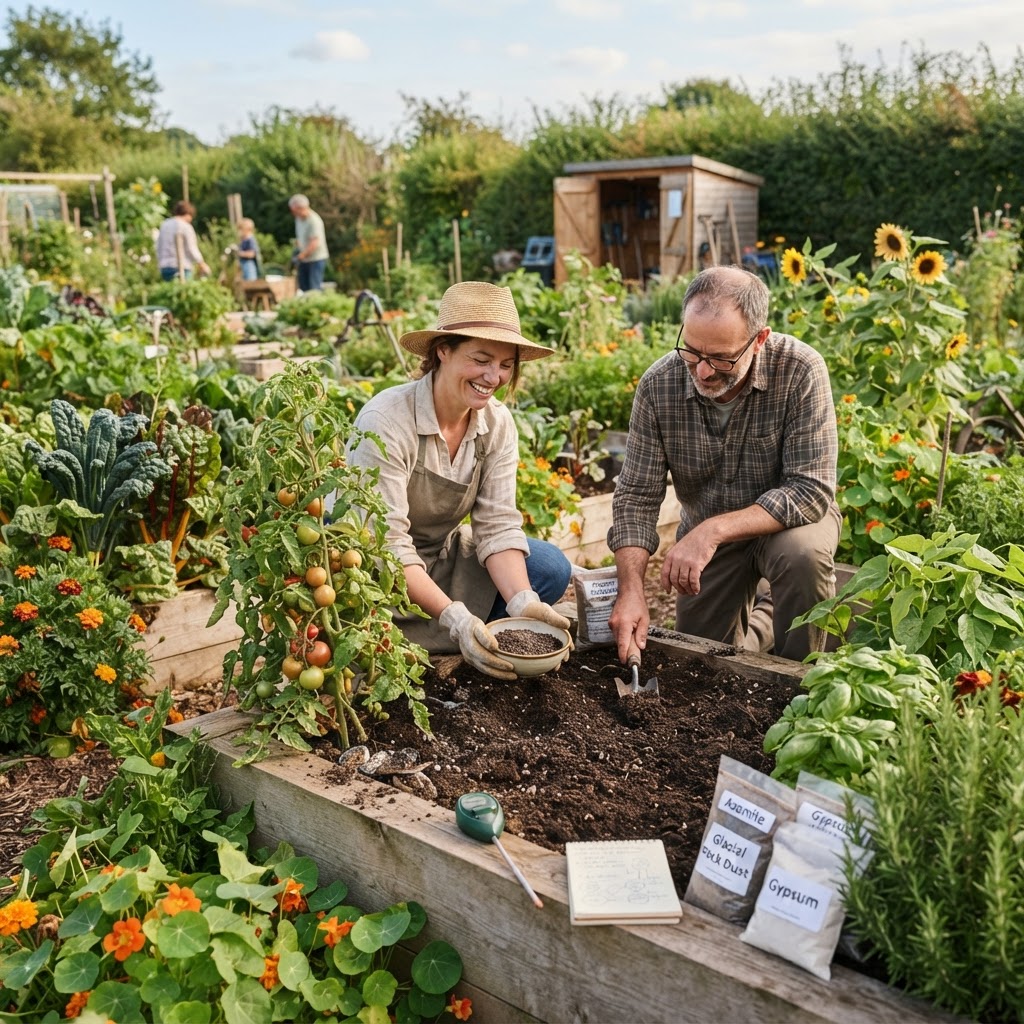
Document and share results. Keep simple notes — even just a notebook in the communal shed — where gardeners can record what they planted, where and how they applied inoculant, and what results they observed. Over several seasons, this collective knowledge becomes genuinely valuable.
-
Host a short seasonal workshop. A thirty-minute hands-on session at the start of each growing season keeps knowledge fresh, welcomes new gardeners into the program, and builds community around shared soil health goals.
-
Celebrate the biology. Helping gardeners see soil as a living system — not just a growing medium — changes how they interact with it. Share interesting facts, encourage observation, and foster genuine curiosity about what's happening beneath the surface.
Conclusion
Managing a shared fungal inoculant program in a community garden is one of those endeavors that rewards both the soil and the community. When gardeners pool their resources to invest in living biology beneath their feet, they're doing something quietly profound: rebuilding the natural systems that healthy plants depend on, and doing it together.
The keys to success are straightforward — choose quality products, store them properly, apply them correctly, and give the biology time to do its work. Pair these efforts with reduced tillage, generous organic matter additions, and ongoing education, and you'll likely see gradual but meaningful improvements in plant health, drought resilience, and overall plot productivity across your community garden.
The fungi don't need much from us. Mostly they need us to stop working against them, and to give them a fair chance to do what they've been doing for hundreds of millions of years.