Getting Started
Few things are more disheartening than watching a thriving row of cucumbers or melons collapse seemingly overnight. If you've experienced this in your community garden plot, bacterial wilt may be the culprit. This destructive disease can sweep through shared growing spaces quickly, making it a concern not just for individual gardeners but for the entire community.
The good news is that with the right knowledge and a proactive approach, bacterial wilt is entirely manageable. Whether you're a first-year gardener just learning the ropes or someone who has been growing cucumbers for several seasons, this guide will walk you through everything you need to know — from identifying the disease early to protecting your plants and your neighbors' crops from further spread.
Bacterial wilt primarily affects cucumbers, muskmelons, and other members of the cucurbit family, including squash and pumpkins. In community garden settings, where plots sit side by side and gardeners share tools and pathways, the risk of widespread damage is higher than in isolated home gardens. That's why understanding this disease is a shared responsibility.
What Is Bacterial Wilt?
Bacterial wilt is a plant disease caused by the bacterium Erwinia tracheiphila. Once inside a plant, this pathogen multiplies rapidly within the vascular system — the network of tissues that carries water and nutrients throughout the plant. As the bacteria colonize these internal channels, they produce a thick, sticky substance that physically blocks the flow of water and nutrients to leaves, stems, and fruit.
The result is exactly what the name suggests: wilting. But unlike wilting caused by drought or heat stress, bacterial wilt doesn't reverse when you water the plant. The damage is internal and systemic, meaning it affects the entire plant rather than just a single branch or leaf.
Cucumbers are highly susceptible to bacterial wilt, followed closely by muskmelons. Watermelons and squash are generally more resistant but can still be affected under the right conditions. Knowing which crops in your community garden are most vulnerable can help you prioritize your monitoring efforts.
How Bacterial Wilt Spreads
Understanding how bacterial wilt moves from plant to plant is essential for stopping it in its tracks. Unlike many fungal diseases that travel through air or water, bacterial wilt relies almost entirely on a very specific insect vector: the cucumber beetle.
Both the striped cucumber beetle (Acalymma vittatum) and the spotted cucumber beetle (Diabrotica undecimpunctata) are responsible for transmitting Erwinia tracheiphila. These beetles carry the bacteria in their digestive systems and introduce it into plants as they feed. When a beetle chews on a leaf or stem, it leaves behind frass (excrement) and saliva that contain the bacteria. The bacteria then enter the plant through the feeding wounds.
Importantly, the disease does not spread directly from plant to plant through soil or rain splash. This means that controlling cucumber beetle populations is the single most effective way to manage bacterial wilt. However, in community gardens, where many gardeners work in close proximity, beetles can travel easily between plots, making collective action essential.
Once a plant is infected, there is no cure. The bacteria will continue to multiply and eventually kill the plant. Removing infected plants promptly is critical to reducing the beetle population in your area and preventing further spread.
Identifying Bacterial Wilt in Your Garden
Early detection is your best friend when it comes to bacterial wilt. The sooner you identify infected plants, the faster you can act to protect the rest of your crop and your neighbors' plants.
Early Warning Signs
The first signs of bacterial wilt typically appear on individual leaves or a single vine. You may notice:
- Sudden wilting of one or more leaves during the heat of the day
- Wilting that does not recover overnight or after watering
- Dull, grayish-green coloring on affected leaves
- Leaves that appear limp despite moist soil conditions
At first, you might mistake these signs for simple heat stress or underwatering. The key difference is that bacterial wilt does not respond to irrigation.
The Stem Ooze Test
One of the most reliable field tests for bacterial wilt is the stem ooze test. Here's how to perform it:
- Cut through a wilting stem near the base of the plant.
- Touch the two cut ends together briefly, then slowly pull them apart.
- Look for thin, thread-like strands of sticky bacterial ooze stretching between the two ends.
If you see these white or creamy threads, bacterial wilt is almost certainly present. This test takes just a few seconds and can save you a great deal of uncertainty.
Advanced Infection Symptoms
As the disease progresses, wilting spreads from individual leaves to entire vines. The plant may appear to recover slightly in the cool of the morning but will wilt again as temperatures rise. Eventually, the entire plant collapses and dies. Fruit that has already formed may shrivel and become inedible.
Prevention Strategies for Community Gardens
Prevention is far more effective than trying to manage bacterial wilt after it has taken hold. In a community garden, prevention is also a shared effort that benefits everyone.
Manage Cucumber Beetles Proactively
Since cucumber beetles are the primary vector, keeping their populations low is your most important prevention strategy.
- Row covers: Apply lightweight floating row covers over seedlings immediately after transplanting or germination. This physical barrier prevents beetles from reaching your plants. Remove covers when flowers appear to allow pollination.
- Trap crops: Planting a sacrificial row of highly attractive plants like Blue Hubbard squash at the edges of your garden can draw beetles away from your main crops.
- Yellow sticky traps: Place these around your plot to monitor beetle populations. High numbers of trapped beetles are a signal to increase your management efforts.
- Beneficial insects: Encourage natural predators like ground beetles, parasitic wasps, and spiders by minimizing pesticide use and planting flowering herbs nearby.
Choose Resistant Varieties
Not all cucumbers and melons are equally susceptible to bacterial wilt. When selecting seeds or transplants, look for varieties noted for their resistance or tolerance. Ask your local cooperative extension service or seed supplier about disease-resistant options suited to your region. Planting resistant varieties won't guarantee immunity, but it can significantly reduce your risk.
Practice Good Garden Hygiene
In a shared garden space, good hygiene habits protect everyone:
- Remove and dispose of infected plants immediately — do not compost them, as this can harbor beetles.
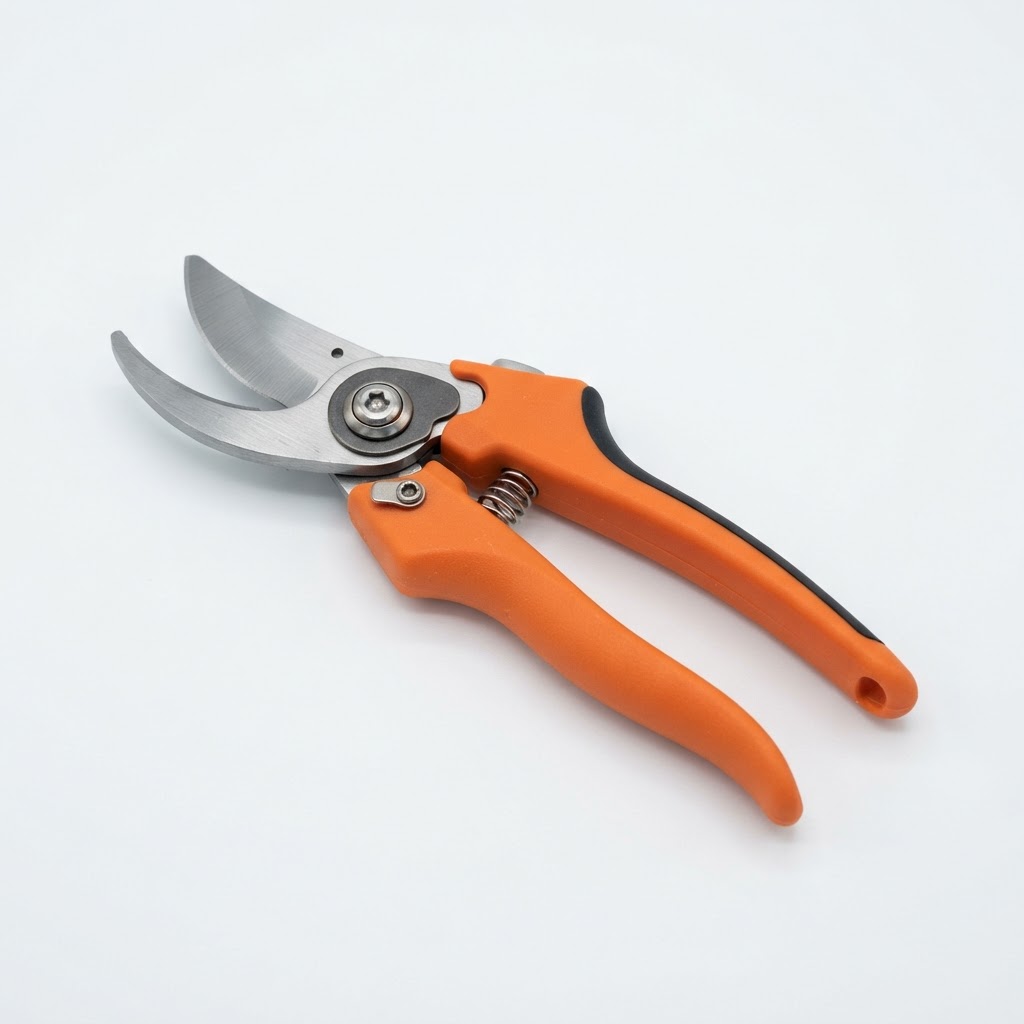
- Clean tools with a dilute bleach solution or rubbing alcohol between uses, especially if you've been working near infected plants.
- Avoid working in the garden when plants are wet, as this can spread pathogens unnecessarily.
Communicate With Fellow Gardeners
One of the greatest advantages of a community garden is the collective wisdom and watchfulness of multiple gardeners. Set up a simple system — a shared notice board, a group message thread, or a regular check-in — so that anyone who spots signs of bacterial wilt can alert others quickly. Early community-wide response is far more effective than individual action alone.
Treatment and Management Options
Once bacterial wilt has infected a plant, there is no treatment that will save it. However, there are management steps you can take to slow the spread and protect your remaining crops.
Remove Infected Plants Immediately
As soon as you confirm bacterial wilt using the stem ooze test, remove the entire plant — roots and all — and seal it in a plastic bag before disposing of it in the trash. Do not leave infected material on the soil or in a compost pile, as this provides a habitat for cucumber beetles to continue feeding and spreading bacteria.
Apply Targeted Insecticide Treatments
If cucumber beetle populations are very high and row covers are not practical, targeted insecticide applications may be warranted. Products containing pyrethrin or spinosad are options that have lower environmental impact than synthetic broad-spectrum insecticides. Always follow label directions carefully, apply in the early morning or evening to minimize impact on pollinators, and consult with your community garden's management committee before applying any chemical treatments in a shared space.
Kaolin Clay Applications
Kaolin clay, a naturally occurring mineral, can be mixed with water and sprayed on plants to create a physical barrier that deters cucumber beetles. It makes the plant surface less hospitable for feeding and egg-laying without harming beneficial insects. This approach requires repeat applications, especially after rain, but is a good option for gardeners who prefer to avoid pesticides.
Succession Planting
If bacterial wilt has significantly damaged your early plantings, consider succession planting with resistant varieties. Starting fresh with new plants and stronger preventive measures in place — especially row covers — can allow you to salvage part of your growing season.
Common Mistakes to Avoid
Even experienced gardeners can fall into patterns that make bacterial wilt worse. Here are some of the most common pitfalls to watch out for:
-
Waiting too long to remove infected plants. Many gardeners hope their wilting plants will recover with extra water or fertilizer. With bacterial wilt, this delay allows cucumber beetles to continue feeding and spreading the disease. Remove plants as soon as the stem ooze test confirms infection.
-
Composting infected plant material. Putting wilted cucurbit plants in your compost pile is a common mistake that can harbor beetles and extend their presence in your garden. Always bag and trash infected plants.
-
Removing row covers too early. Some gardeners remove row covers at the first sign of flowers, but leaving them on until you have consistent pollinator activity and beetles are under control can provide valuable extra protection.
-
Treating bacterial wilt like a fungal disease. Fungicides and other anti-fungal treatments will have no effect on bacterial wilt. Misidentifying the problem leads to wasted time and money.
-
Ignoring neighboring plots. In a community garden, ignoring what's happening in the plots around you is a mistake. A neighbor's untreated bacterial wilt and unchecked beetle population can quickly affect your own crops. Encourage a collaborative approach.
-
Skipping the stem ooze test. Wilting has many causes, and making assumptions can lead to unnecessary plant removal or, worse, leaving infected plants in the ground. Always confirm with the stem ooze test before taking action.
Tips for Success
Keeping bacterial wilt at bay in a community garden setting requires consistency, communication, and a proactive mindset. Here are some practical tips to keep your crops healthy all season long:
- Start monitoring for cucumber beetles before they become a problem. Check your plants every few days from the time seedlings emerge. Look for beetles on the undersides of leaves and around the base of stems.
- Use row covers as your first line of defense and treat them as non-negotiable for cucumbers and muskmelons through the early stages of growth.
- Partner with your neighbors. Coordinate planting schedules, beetle monitoring, and any insecticide applications across adjacent plots for a unified defense.
- Keep a simple garden journal. Note when you first see cucumber beetles, any signs of wilting, and what interventions you tried. This information will help you improve your management approach year after year.
- Select resistant varieties whenever possible, even if they are slightly less familiar or popular. A slightly smaller harvest from a resistant variety beats losing your entire crop to bacterial wilt.
- Rotate your cucurbit crops each season. While crop rotation doesn't directly prevent bacterial wilt (since it's vectored by beetles rather than soilborne), it can help disrupt pest cycles more broadly.
- Attend community garden workshops or share resources. Many local cooperative extension offices offer free resources on integrated pest management for community gardens. Sharing knowledge strengthens everyone's ability to manage disease collectively.
Conclusion
Bacterial wilt is one of the more challenging diseases that community cucumber and melon growers face, but it is far from unbeatable. The key insight to carry with you is this: managing bacterial wilt is really about managing cucumber beetles. Control the vector, and you dramatically reduce your risk of disease.
In a community garden setting, this work is most effective when it's done together. When gardeners share information, coordinate their planting and monitoring efforts, and act quickly when signs of infection appear, the entire garden benefits. No individual plot exists in isolation — what happens in one corner of the garden can ripple outward.
By combining physical barriers like row covers, thoughtful variety selection, prompt removal of infected plants, and open communication with fellow gardeners, you can grow healthy, productive cucumber and melon crops season after season. Don't be discouraged if you encounter bacterial wilt this year — use it as a learning experience that will make you a more effective and informed gardener going forward.