Growing fresh vegetables through winter might seem like a challenge reserved for gardeners with expensive heated greenhouses, but unheated polytunnels and low tunnels open up a surprisingly productive world of cold-hardy winter greens. With the right plant selection and a few simple techniques, community gardeners can enjoy harvests of nutritious, flavourful leaves even during the coldest months of the year.
This guide will walk you through everything you need to know — from choosing the best crops to understanding how unheated tunnels work, and how to manage your growing space for consistent winter harvests.
Getting Started
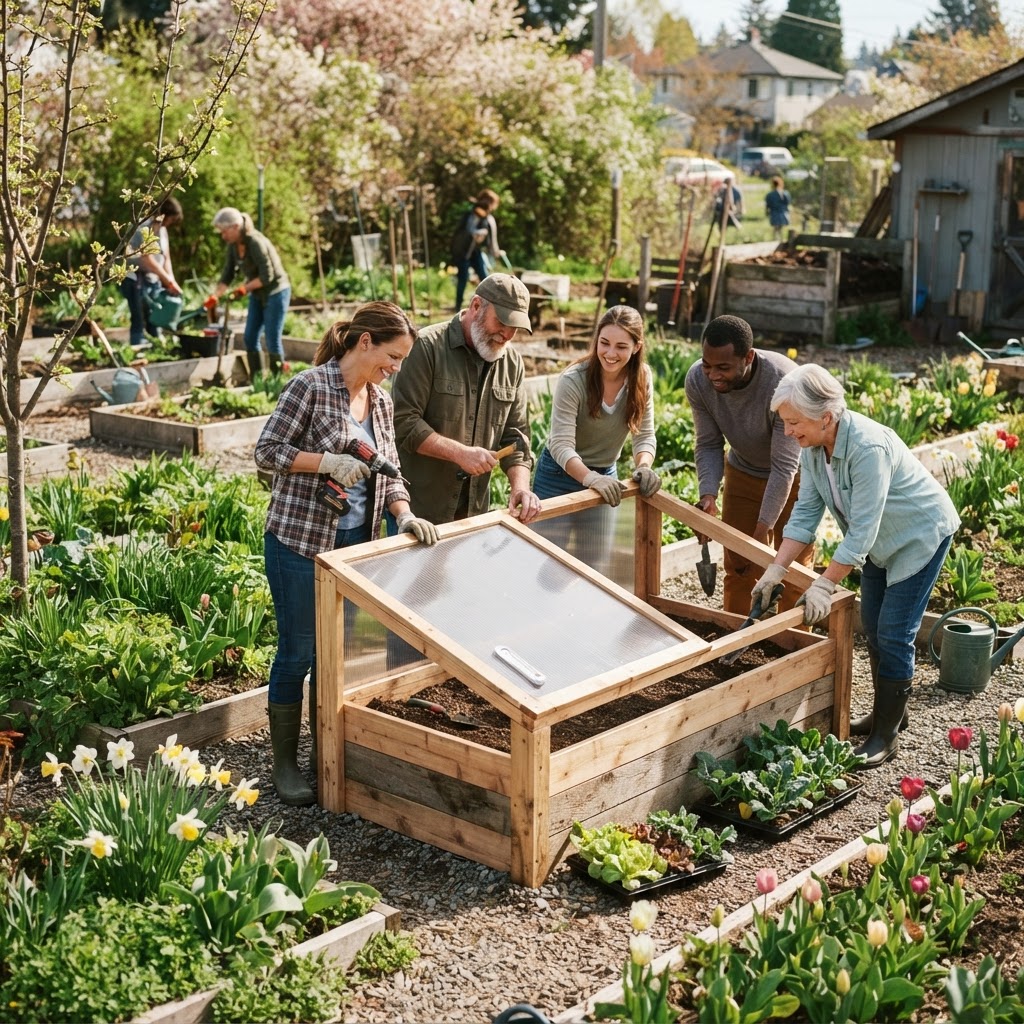
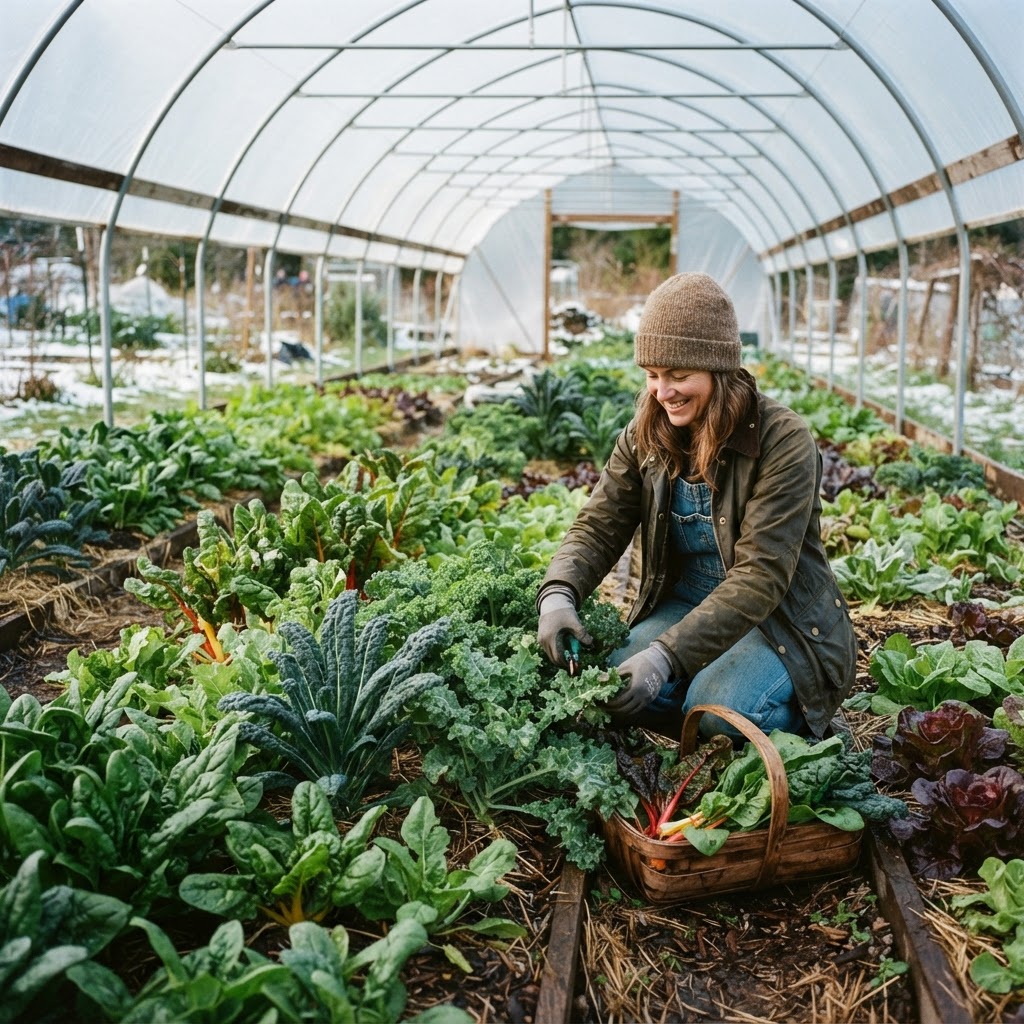
Before you plant your first seed, it helps to understand what you're working with. An unheated tunnel — whether it's a full-sized polytunnel, a low plastic hoop tunnel over a raised bed, or even a simple cold frame — doesn't eliminate frost. What it does is create a buffer zone that raises the temperature inside by roughly two to four degrees Celsius compared to the outside air. That difference might sound modest, but it's enough to keep many cold-hardy greens alive and slowly growing through temperatures that would destroy unprotected crops.
To get started, you'll need:
- A tunnel or cold frame structure — even a simple row of hoops covered with horticultural fleece counts
- Good quality compost to enrich your beds before planting
- Seeds or transplants of suitable cold-hardy varieties (more on this below)
- A planting calendar so you sow at the right time — timing is everything with winter growing
The single most important principle of winter tunnel growing is this: you are not trying to grow crops in winter, you are trying to grow crops that mature before winter and then survive through it. Most of your sowing happens in late summer and autumn. By the time the hardest frosts arrive, your plants should already be established and ready to hunker down.
How Unheated Tunnels Work in Winter
Understanding the microclimate inside your tunnel helps you make better decisions throughout the season.
Temperature Buffering
Even without a heat source, a polytunnel or cold frame traps solar energy during daylight hours. On a clear winter day, the temperature inside can climb significantly above outdoor levels. At night, that stored warmth dissipates slowly, giving your plants a gentler environment than they'd face in open ground.
Frost Protection Levels
A standard unheated polytunnel offers roughly one to two zones of hardiness protection. Adding a layer of horticultural fleece over your crops inside the tunnel gives you an additional buffer — this "double-layer" approach can protect plants through quite severe frosts. For the coldest nights, this combination is especially valuable.
Light Levels
Winter light is your biggest limiting factor, not temperature. Short days and low sun angles mean photosynthesis slows considerably. This is why growth effectively pauses in mid-winter. Your plants are in a state of slow dormancy rather than active growth. This is perfectly normal — you're managing a living larder, not a production line.
Best Cold-Hardy Greens to Grow
Selecting the right varieties is the foundation of success. Not all greens are created equal when it comes to cold tolerance.
Spinach
One of the most reliable winter crops for unheated tunnels. Spinach is genuinely frost-hardy and can survive temperatures well below freezing when established. Choose varieties bred for winter use — they tend to have thicker, more crinkled leaves that hold up better to cold. Sow in August and September for harvests from November onwards.
Claytonia (Winter Purslane)
Also known as miner's lettuce, claytonia is an underrated gem for winter tunnels. It's remarkably cold-tolerant, self-seeds freely, and produces soft, succulent leaves with a mild flavour. It can be cut repeatedly and will keep producing through the coldest months with minimal attention.
Land Cress
A fantastic substitute for watercress, land cress thrives in cool conditions and tolerates hard frosts. It has a peppery bite and is rich in vitamins. Sow in late summer and it will provide pickings all winter long. It's also a useful ground cover that suppresses weeds.
Oriental Greens (Mizuna, Mibuna, Pak Choi, Tatsoi)
Oriental greens are outstanding performers in winter tunnels. Mizuna and mibuna have feathery, deeply cut leaves and a gentle mustard flavour. Tatsoi forms flat rosettes of dark green leaves that can withstand surprisingly heavy frosts. Pak choi is slightly less hardy but still performs well with tunnel protection. These crops also respond well to cut-and-come-again harvesting.
Kale and Leaf Beet
Kale is legendary for its hardiness. Varieties like 'Dwarf Green Curled' and 'Red Russian' are especially suited to tunnel growing, producing tender baby leaves when harvested young. Perpetual spinach and Swiss chard (leaf beet) are also excellent choices — they'll continue producing through mild winters and bounce back quickly after cold snaps.
Lamb's Lettuce (Corn Salad)
One of the hardiest salad crops available, lamb's lettuce produces small rosettes of soft, mild-flavoured leaves. It grows slowly but steadily through winter and asks for very little in return. Sow in September for winter and early spring harvests.
Winter Lettuce
While summer lettuce varieties won't survive winter conditions, specific winter lettuce varieties like 'Winter Density', 'Arctic King', and 'Valdor' are bred to tolerate cold and low light. They grow slowly through winter but provide welcome fresh salad leaves when little else is available.
Planting Schedules and Timing
Getting your timing right is arguably more important than any other factor.
Late Summer Sowing (July–August)
This window is ideal for crops that need to reach a reasonable size before growth slows. Spinach, kale, and oriental greens sown now will be well-established by autumn and capable of withstanding winter conditions.
Early Autumn Sowing (September–October)
September is your main window for salad crops like lamb's lettuce, winter lettuce, and claytonia. These slower-growing plants need time to establish before the darkest weeks arrive but don't need to be large.
Succession Sowing
Rather than sowing everything at once, stagger your sowings two to three weeks apart. This spreads your harvest window and reduces the risk of everything reaching its peak at the same time — or everything being wiped out by a single severe frost event.
Soil Preparation and Feeding
Winter crops need good soil to establish quickly and build the resilience to withstand cold.
Building Healthy Beds
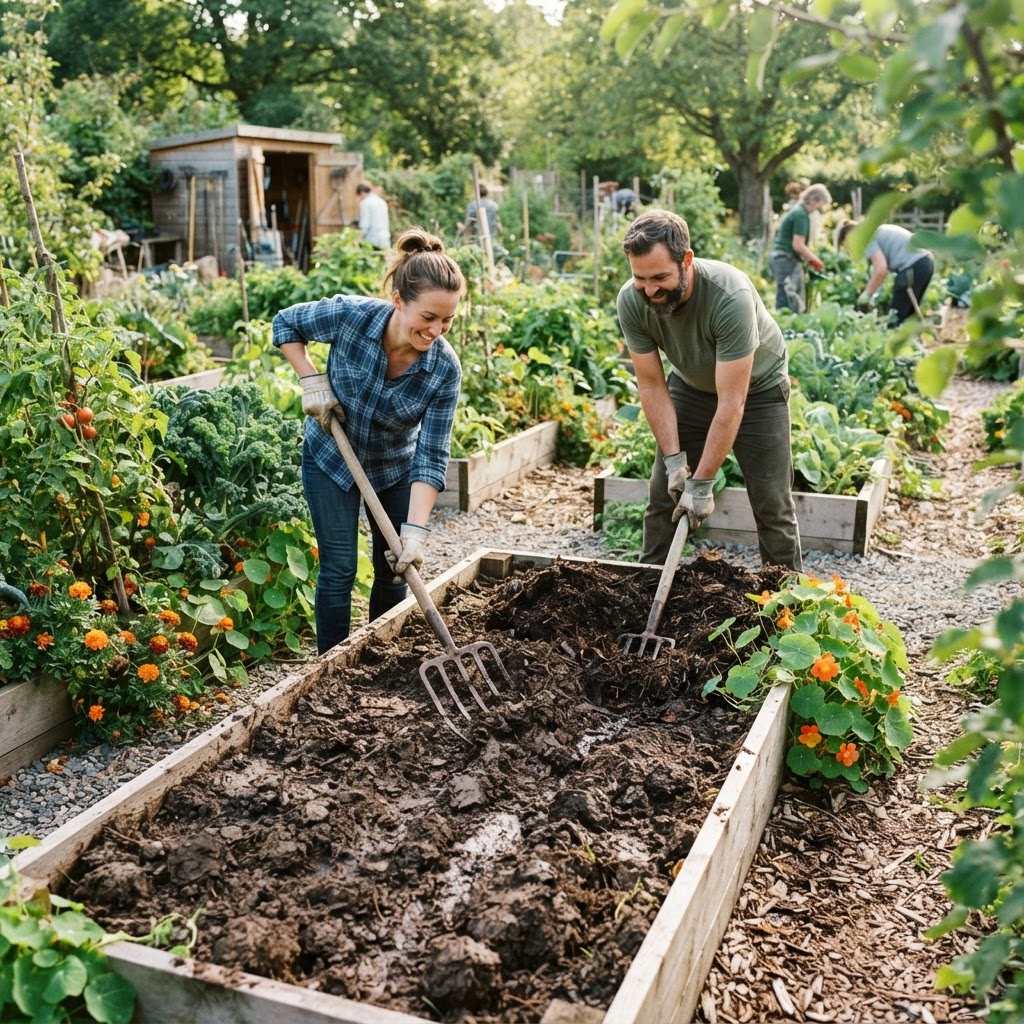
Before planting, work in a generous layer of well-rotted compost or manure. This improves drainage (waterlogged roots are far more vulnerable to frost damage than dry ones), feeds the soil biology, and gives plants the nutrients they need to get established quickly.
Feeding Through the Season
Winter crops generally need less feeding than summer vegetables. A top-dressing of compost in autumn and perhaps a light application of a balanced organic fertiliser before your main sowing period is usually sufficient. Avoid heavy nitrogen feeding once winter sets in — it encourages soft, sappy growth that's more vulnerable to frost.
Watering and Ventilation
Watering in Winter
Overwatering is a more common problem than underwatering in winter tunnels. Cold, wet roots are a recipe for rot and disease. Water sparingly — only when the soil is dry an inch or so below the surface — and always water in the morning so the foliage has time to dry before temperatures drop at night.
Ventilation Is Essential
Even in winter, your tunnel needs regular ventilation. On mild days, open doors or vents for at least part of the day. This reduces humidity, prevents the build-up of fungal diseases like botrytis (grey mould), and prevents the tunnel from overheating on unexpectedly warm winter afternoons. A tunnel full of damp, stagnant air is far more damaging to winter greens than cold temperatures alone.
Common Mistakes to Avoid
Even experienced gardeners can fall into these traps when growing winter greens in unheated tunnels.
- Sowing too late. This is the number one mistake. If you wait until October to sow crops that needed to go in during August, your plants will never establish properly before the cold sets in.
- Overwatering. More winter crops are lost to root rot from excessive watering than to frost. Less is more from October onwards.
- Neglecting ventilation. Keeping your tunnel sealed tight all winter invites disease. Even a brief airing on cold days makes a difference.
- Choosing the wrong varieties. Not all spinach, lettuce, or kale varieties are bred for winter. Always check that the variety you're sowing is suitable for autumn/winter production.
- Ignoring soil drainage. Planting into compacted, poorly draining soil is a serious risk factor. Raised beds with well-structured compost-rich growing media make an enormous difference.
- Harvesting too aggressively. In winter, plants grow slowly. If you cut too hard, they may not recover until spring. Always leave plenty of leaf material behind when harvesting.
Tips for Success
These practical strategies will help you get the most from your winter tunnel growing.
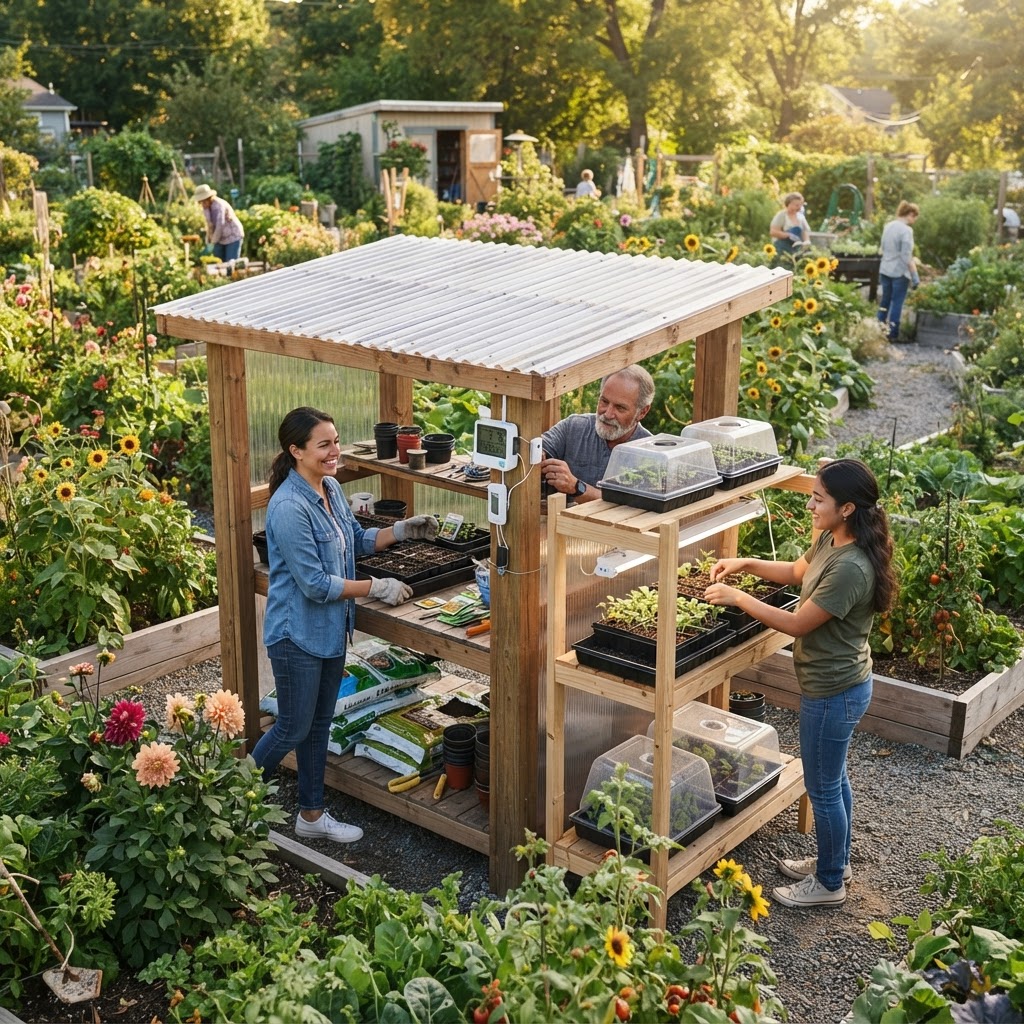
- Use a thermometer. Keep a min/max thermometer inside your tunnel so you know exactly what temperatures your plants are experiencing. This helps you make informed decisions about additional frost protection.
- Add a fleece layer on the coldest nights. A double layer of horticultural fleece draped directly over crops inside the tunnel can make the difference between survival and crop loss during hard frosts.
- Label everything clearly. When you're sowing many different crops in a small space, labels save enormous confusion come harvest time.
- Keep a growing diary. Note your sowing dates, varieties, and how each crop performs. This information is invaluable for refining your approach in future seasons.
- Interplant efficiently. Fast-growing crops like mizuna can be grown alongside slower-maturing ones like kale. This maximises your growing space through the season.
- Check for pests regularly. Slugs remain active in the mild, moist tunnel environment even in winter. Check under leaves and around the base of plants regularly.
- Don't give up after a frost. Many winter greens look devastated after a hard freeze — limp, wilted, and discoloured. In most cases, they recover as temperatures rise. Wait a day or two before assuming a crop is lost.
Conclusion
Growing winter greens in unheated tunnels is one of the most rewarding things you can do as a community gardener. It extends your growing season, provides fresh, nutritious food during the months when supermarket produce tends to be most expensive, and keeps you connected to your plot throughout the year.
The key principles are simple: sow early enough, choose genuinely cold-hardy varieties, keep your tunnel well-ventilated, and resist the urge to overwater. With these foundations in place, you'll be amazed at the abundance a simple unheated structure can produce even in the depths of winter.
Start small if you're new to this — a single bed of mixed oriental greens or a tray of spinach and lamb's lettuce is enough to learn from. Build on your experience each season, and winter growing will quickly become one of the highlights of your gardening year.