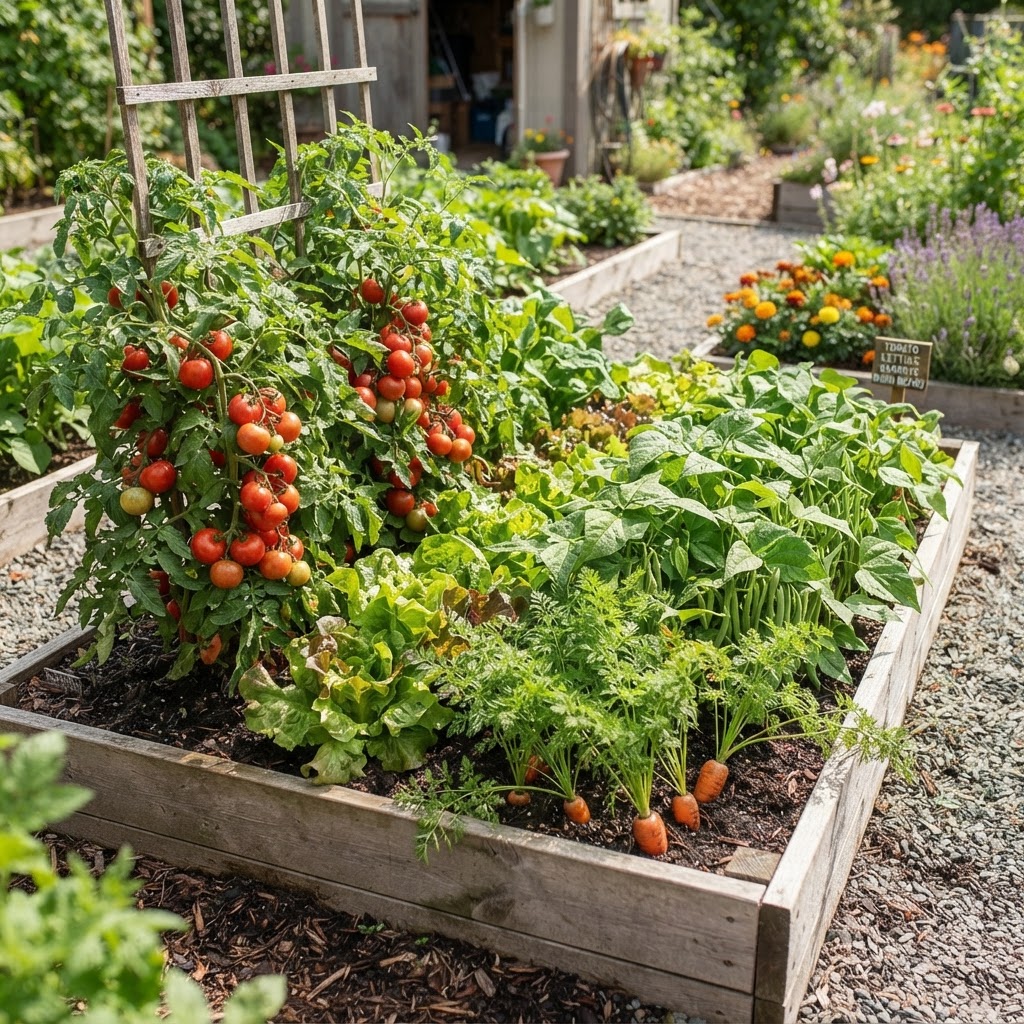
Getting Started
Stepping into a community garden for the first time is one of the most rewarding decisions you can make. There is something genuinely special about tending a patch of earth alongside neighbours, watching seeds transform into food you can actually eat, and building connections with people who share your enthusiasm for growing things. But if you have never grown vegetables before, the sheer number of options at the seed rack can feel overwhelming.
The good news is that not all vegetables are created equal when it comes to difficulty. Some crops practically grow themselves with minimal intervention, while others demand precise conditions, careful timing, and a fair amount of experience to get right. As a beginner community gardener, your job is to stack the odds in your favour by choosing vegetables that are forgiving, productive, and satisfying to grow.
This guide is here to walk you through everything you need to know — from which vegetables to choose to how to care for them in a shared garden setting. Whether your plot is a raised bed, a row in an allotment, or a small in-ground section of a larger community space, the advice here will help you grow with confidence from your very first season.
Why Vegetable Choice Matters for Beginners
Choosing the right vegetables at the start is not just about convenience — it is about setting yourself up for success in a way that keeps you motivated and coming back season after season. Early wins matter enormously. When you harvest your first radishes after just a few weeks, or pull up a handful of salad leaves for a lunchtime sandwich, that experience builds confidence and enthusiasm that carries you through the trickier parts of gardening.
In a community garden, your choices also need to account for a few practical realities. You may not be able to visit your plot every single day. The soil might be a work in progress. Tools, water access, and space might be shared resources that require some coordination. Easy, robust vegetables give you more flexibility in all of these areas.
There are several qualities that make a vegetable beginner-friendly:
- Fast germination — seeds that sprout quickly reward your patience early on
- Low maintenance needs — crops that do not require constant attention or precision care
- Forgiving of irregular watering — real life gets in the way, and some plants handle that better than others
- Resistance to common pests and diseases — especially important in community settings where neighbouring plots can introduce problems
- Good yield — a productive plant keeps you harvesting and feeling accomplished
With those criteria in mind, let us look at the vegetables that consistently perform well for beginners.
The Best Easy Vegetables for Community Gardens
Radishes
Radishes are arguably the ultimate beginner vegetable. They germinate within a few days, are ready to harvest in as little as three to four weeks, and take up very little space. Because they mature so quickly, you can sow them in gaps between slower-growing plants, making excellent use of every centimetre of your plot.
Sow radish seeds directly into the ground about one centimetre deep and a few centimetres apart. Thin them out once they sprout so each plant has room to develop a decent root. Water regularly to prevent the roots from turning woody or splitting, and harvest before they get too large — oversized radishes tend to become pithy and sharp-tasting. Radishes are a brilliant choice if you want something to grow while you wait for other crops to mature.
Salad Leaves and Lettuce
Salad leaves are another outstanding choice for beginners. They grow fast, you can harvest them as cut-and-come-again crops (meaning you snip off what you need and the plant regrows), and they do not require a great deal of depth in the soil. Varieties like loose-leaf lettuce, spinach, rocket, and mixed salad blends are all excellent options.
Scatter seeds thinly across a section of your bed and cover lightly with soil. Keep the ground moist, especially during dry spells, and start harvesting the outer leaves once plants are big enough. Salad leaves can bolt (go to seed and turn bitter) in very hot weather, so try to grow them in slightly shadier spots during summer or focus on them in spring and autumn when temperatures are cooler.
Courgettes (Zucchini)
If you want something that will genuinely amaze you with its productivity, grow a courgette. These plants are vigorous, fast-growing, and incredibly generous once they get going — sometimes producing fruit every couple of days at peak season. A single plant can feed a family throughout summer, which makes them extraordinary value for the space they occupy.
Start courgette seeds indoors a few weeks before the last frost date in your area, or sow them directly outdoors once the weather has warmed up. They need a sunny spot and reasonably fertile soil. Water regularly at the base of the plant rather than overhead to help prevent mildew. Harvest courgettes when they are young and tender, around fifteen to twenty centimetres long — if you leave them too long, they turn into marrows that are less flavoursome.
Runner Beans and French Beans
Beans are one of the most beginner-friendly crops you can grow. Both runner beans and French beans are easy to sow, grow quickly, and produce abundant harvests. French beans are particularly compact and suited to smaller plots, while runner beans are climbers that can be trained up canes or a trellis to make excellent use of vertical space.
Sow beans directly into the ground after the last frost. Plant them a couple of centimetres deep and about fifteen centimetres apart. Water consistently once the plants begin to flower and pods start to form. The key to keeping beans productive is to harvest regularly — once pods are left to mature on the plant, production slows down significantly. Check your plants every two to three days during peak season.
Kale
Kale has earned a well-deserved reputation as a hardy, reliable grower. It tolerates frost, is resistant to many common pests (though caterpillars can be a nuisance — check the undersides of leaves regularly), and provides harvests over a long period. Unlike many vegetables that have a brief window of productivity, kale can be picked from autumn right through winter and into early spring in milder climates.
Sow kale seeds in modules or directly in the ground in late spring or early summer for an autumn and winter harvest. Thin plants to around forty-five centimetres apart to give them room to develop. Harvest the lower outer leaves regularly, leaving the central growing point intact so the plant continues to produce. Kale is genuinely difficult to kill, making it one of the most forgiving crops for those still finding their feet.
Tomatoes
Tomatoes require slightly more attention than the others on this list, but they are so rewarding and popular that they deserve a mention. Choose a compact or bush variety if you are a beginner, as these need less staking and pruning than cordon (indeterminate) varieties. Tumbling Tom or Tumbler are great options for pots, while bush varieties like Red Alert or Totem work well in beds.
Start tomatoes indoors from seed in early spring, or buy young plants from a garden centre if you want to simplify things. Plant them out after the last frost in a warm, sunny spot. Feed weekly with a tomato-specific fertiliser once the first flowers appear, and water consistently to prevent issues like blossom end rot and fruit splitting. There is nothing quite like eating a tomato you have grown yourself — the flavour difference compared to supermarket fruit is remarkable.
Spring Onions
Spring onions (also called scallions or green onions) are quick, undemanding, and take up almost no space. They can be sown in short rows every few weeks for a continuous supply throughout the growing season. Unlike bulb onions, which take many months to mature, spring onions are ready to pull in around eight weeks.
Sow seeds directly into the ground in shallow drills, water in, and thin lightly if the seedlings become crowded. They rarely suffer from serious pest problems and are happy in most reasonably fertile soils. Spring onions work particularly well as a companion crop tucked alongside other plants.
Soil, Watering, and Basic Care Tips
Even the easiest vegetables will struggle in very poor conditions, so it is worth putting a little effort into your plot before you start sowing.
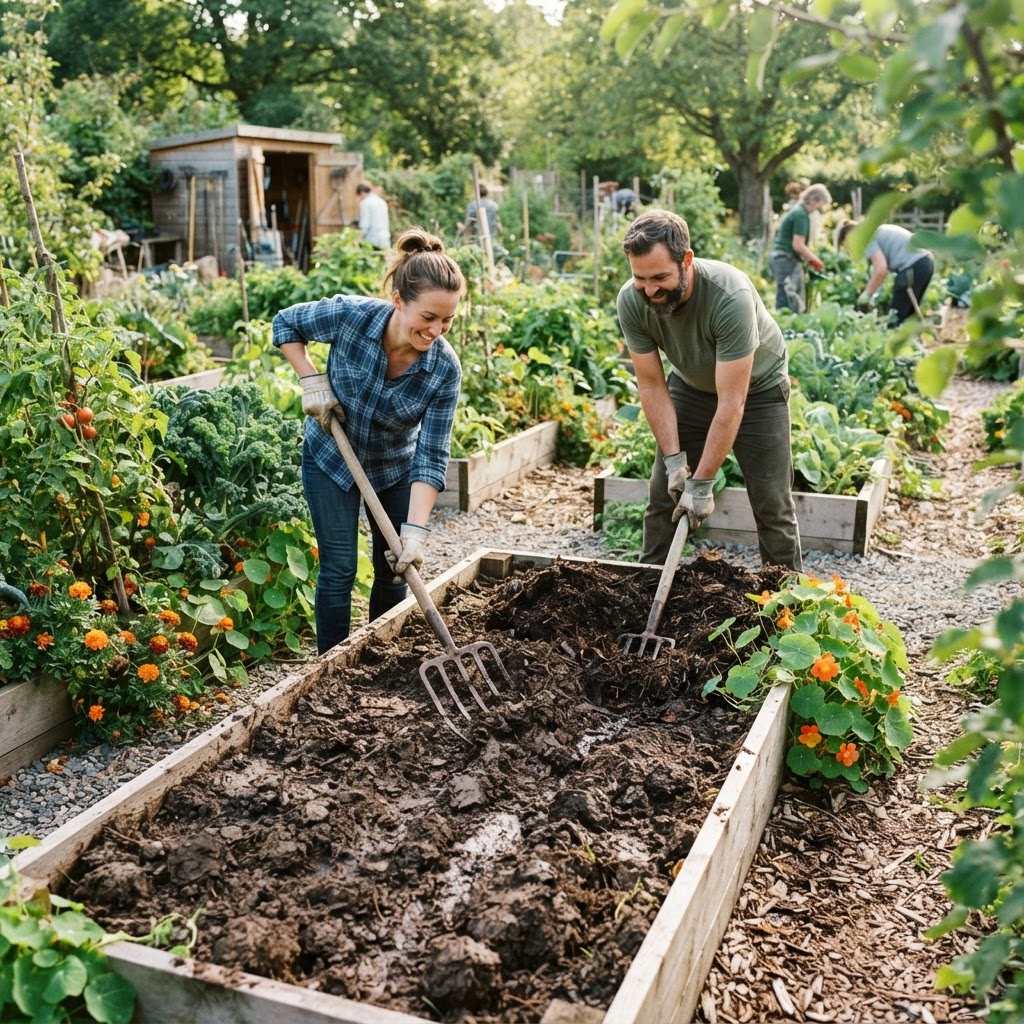
Improve your soil by adding compost or well-rotted manure. These organic materials improve drainage in heavy clay soils and help sandy soils retain moisture. Many community gardens have shared compost bins — check whether yours does and use that resource generously.
Water wisely. Most vegetables prefer deep, infrequent watering rather than light daily sprinkles. Deep watering encourages roots to grow downward, which makes plants more resilient during dry spells. Try to water at the base of plants rather than over the foliage, which can encourage fungal diseases. Early morning is the best time to water — it gives foliage a chance to dry out during the day.
Mulch your beds. Applying a layer of straw, bark chips, or compost around your plants helps retain soil moisture, suppresses weeds, and regulates soil temperature. This single step can dramatically reduce the watering and weeding you need to do through the summer.
Feed your plants. Many vegetables benefit from additional feeding during the growing season, particularly heavy feeders like tomatoes and courgettes. A general-purpose liquid fertiliser applied every couple of weeks, or a slow-release granular feed worked into the soil at planting, will support healthy growth.
Making the Most of Your Community Garden Plot
Community gardens come with their own unique dynamics and opportunities. Getting the most from your plot means thinking beyond just the plants themselves.
Get to know your fellow gardeners. Experienced growers nearby are an invaluable resource. Do not hesitate to ask questions, accept seed swaps, or seek advice about what grows well in that particular garden's microclimate and soil.
Keep a simple garden diary. Note down what you plant, where you plant it, and when. Record what worked well and what did not. This habit pays dividends in subsequent seasons and helps you become a much more effective gardener over time.
Practice crop rotation. Even in a small plot, try not to grow the same type of vegetable in the same spot year after year. Rotating crops helps prevent the build-up of soil-borne diseases and pests. A simple approach is to divide your vegetables into groups — leafy crops, root crops, fruiting crops, and legumes — and move each group around your bed each year.
Use vertical space. Community garden plots are often small, so train climbing beans, cucumbers, or even courgettes up a trellis or frame to free up ground-level space for other crops.
Common Beginner Mistakes to Avoid
Learning what not to do is just as important as learning what to do. Here are some of the most common pitfalls new community gardeners encounter.
Planting too much, too soon. Enthusiasm at the start of the season often leads to overplanting. A glut of vegetables that you cannot harvest or use fast enough can be disheartening. Start small and expand as your confidence grows.
Ignoring spacing recommendations. Crowded plants compete for water, nutrients, and light, and are more vulnerable to disease. Take the spacing guidance on seed packets seriously — it is there for good reason.
Planting too early. Cold soil and late frosts can set back or kill tender young plants. Check average last frost dates for your area and err on the side of patience. Plants put in at the right time quickly catch up with those planted too early.
Neglecting weeding. Weeds compete aggressively with your vegetables and can quickly take over if left unchecked. Little and often is the most effective approach — spend ten minutes weeding each visit rather than leaving it until it becomes an overwhelming task.
Not harvesting regularly. Many vegetables slow down or stop producing if fruit and pods are left on the plant. Regular harvesting signals to the plant that it needs to keep producing. Make it a habit to check your plot at least twice a week during peak season.
Conclusion
Starting your community garden journey with easy, rewarding vegetables is one of the smartest choices you can make. Radishes, salad leaves, courgettes, beans, kale, tomatoes, and spring onions are all excellent starting points — they are forgiving, productive, and genuinely delicious to eat fresh from your own plot.
Beyond the plants themselves, good soil preparation, consistent watering, and regular attention will carry you a long way. And never underestimate the value of the community around you — your fellow gardeners are one of the most powerful resources you have access to.
Every experienced gardener you admire was once a beginner who did not know what they were doing. The garden will teach you, one season at a time. Be patient, stay curious, keep notes, and most importantly — enjoy the process. The flavour of vegetables you have grown yourself makes every bit of effort worthwhile.