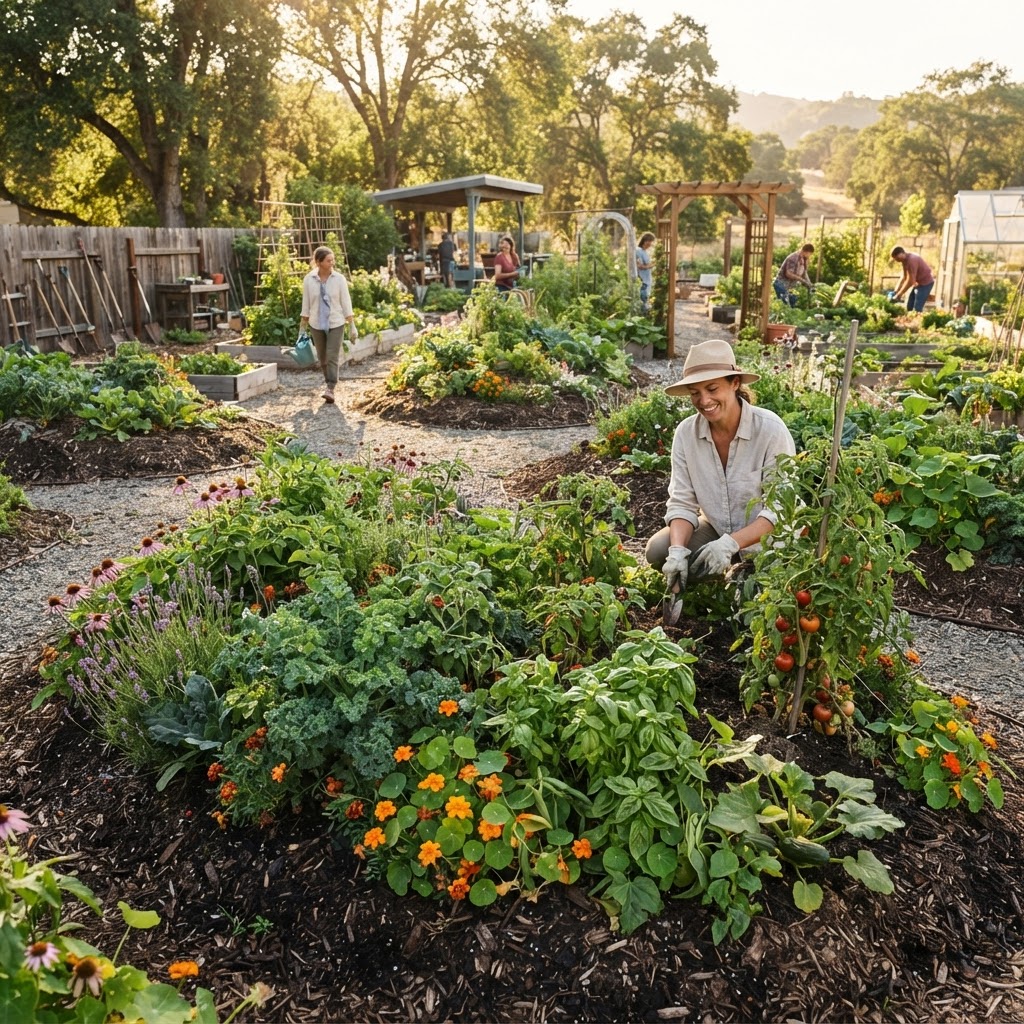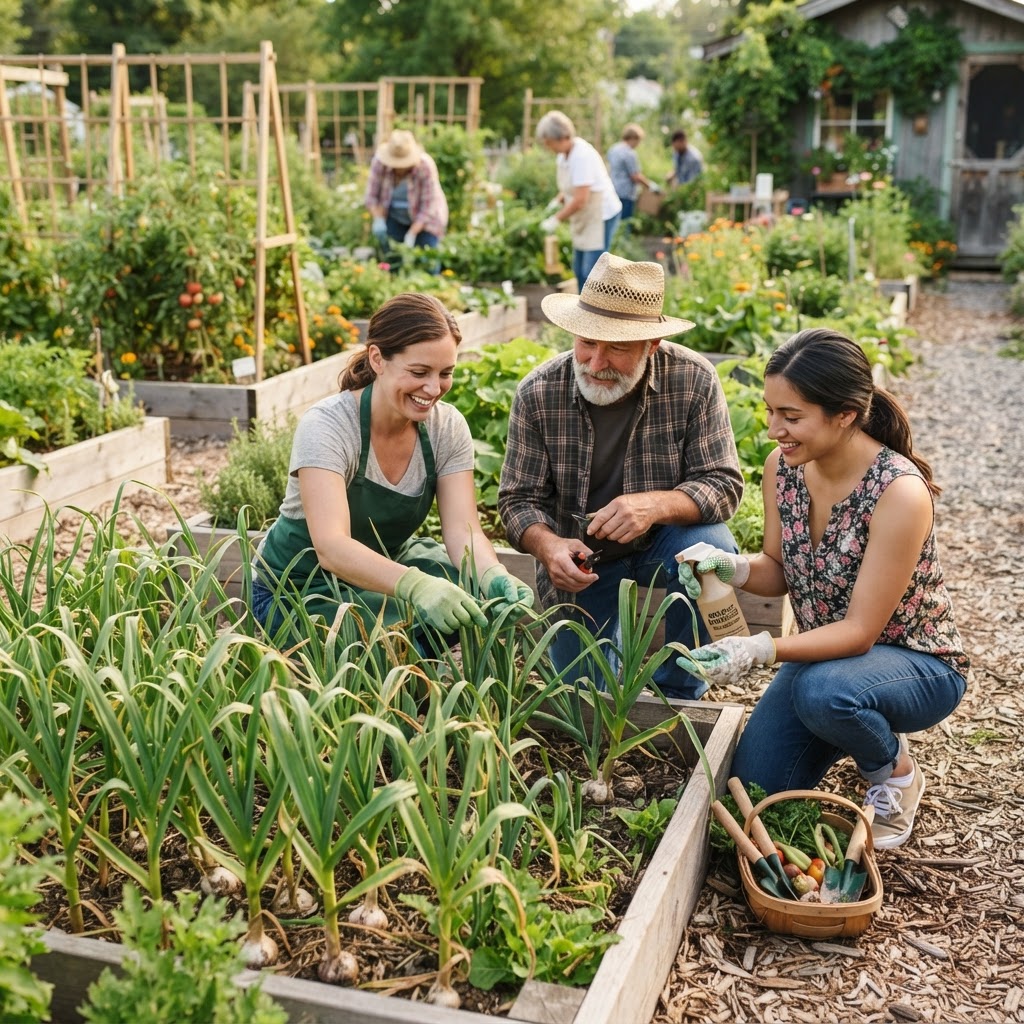
Community gardens thrive on shared knowledge, shared labor, and shared harvests. But when rust and mildew take hold in your garlic and onion beds, the challenge becomes shared too — and that's actually a good thing. Managing these common fungal diseases is far more effective when everyone tends the plot together, stays informed, and acts quickly. This guide will walk you through everything your community garden group needs to know about identifying, preventing, and managing rust and mildew in allium beds.
Getting Started
Before diving into disease management strategies, it helps to understand what you're working with. Garlic and onions belong to the allium family and are staple crops in most community gardens. They're relatively hardy, but two fungal diseases — rust and downy mildew (and sometimes powdery mildew) — can seriously reduce yields if left unchecked.
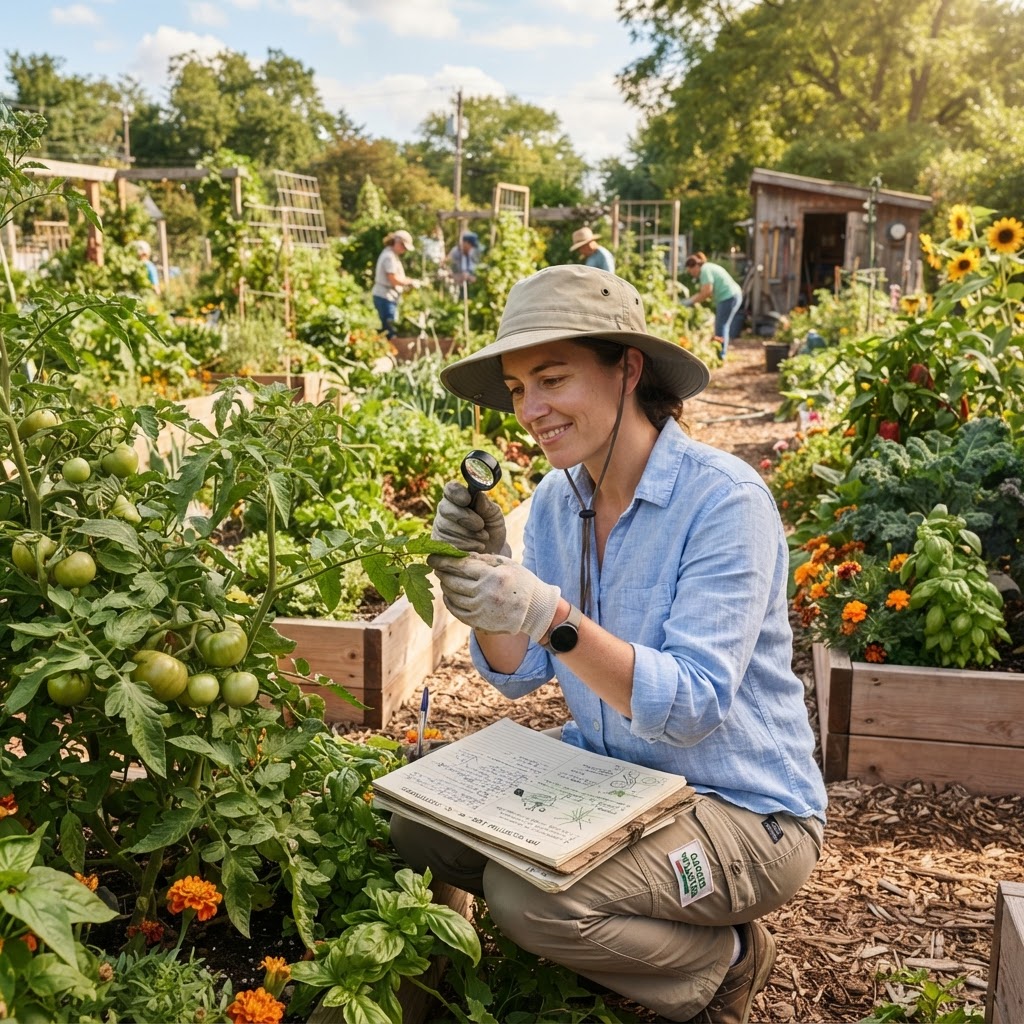
The good news is that both rust and mildew are manageable, especially when a whole community gets involved. The first step is to designate a point person or small team in your garden who can monitor the beds regularly and communicate findings to the broader group. You don't need to be an expert plant pathologist — just an attentive observer who knows what to look for.
What you'll need to get started:
- A basic understanding of your garden's layout and which beds contain alliums
- A group communication method (group chat, notice board, or regular meetings)
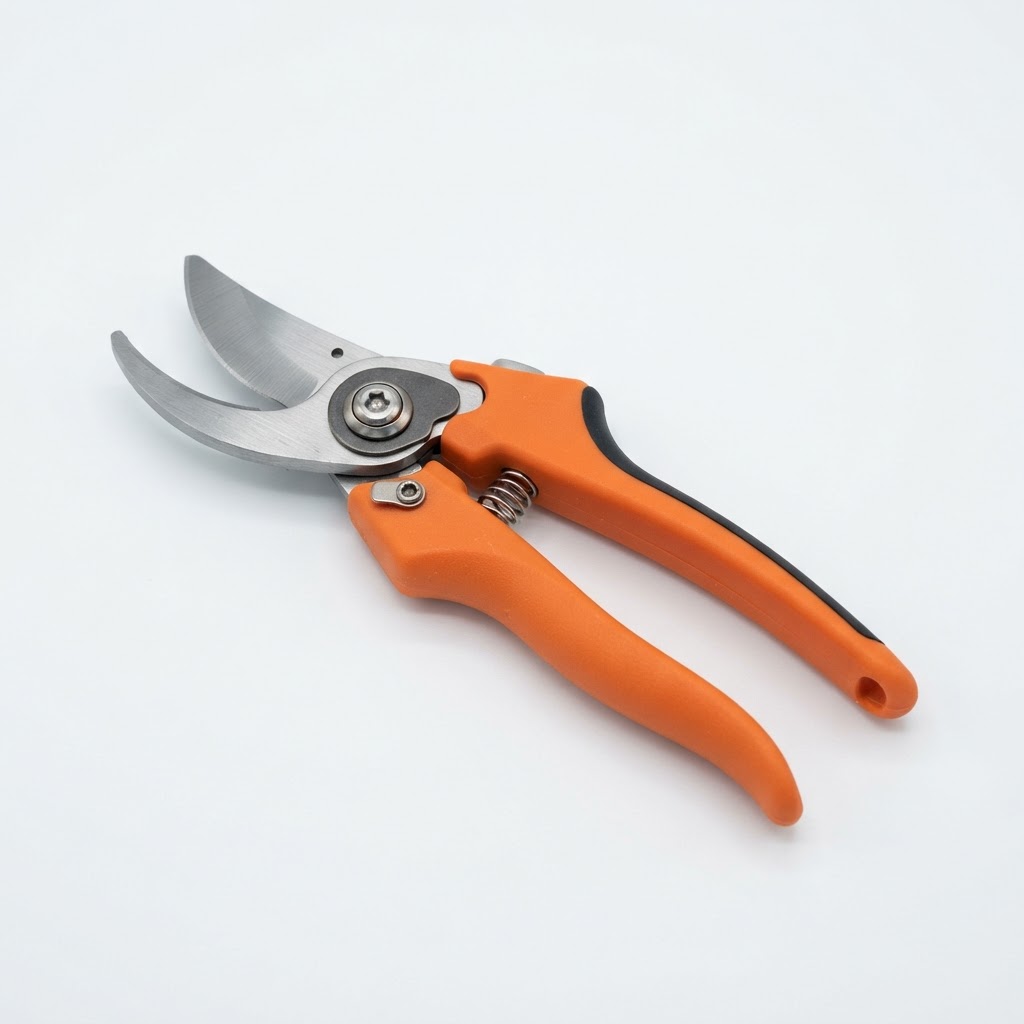
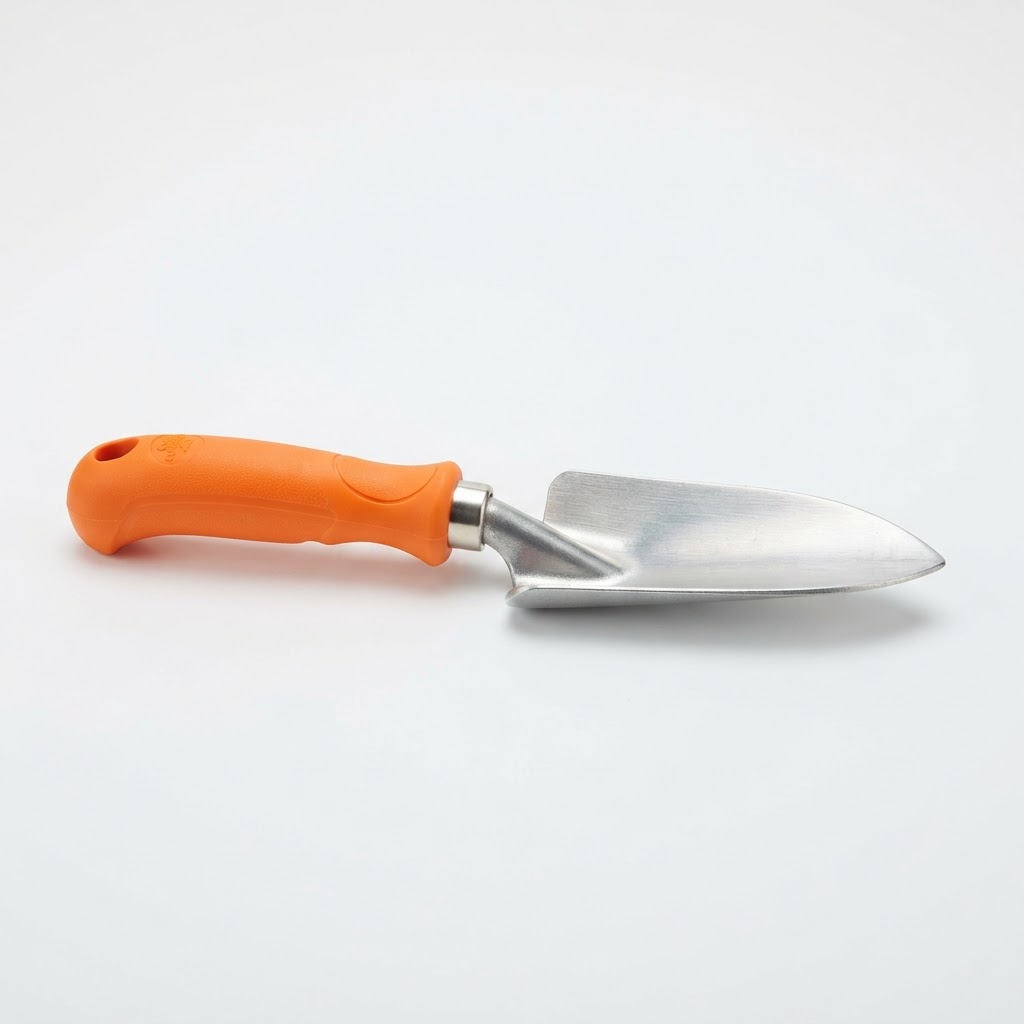
- Basic garden tools that are cleaned between uses
- Access to organic or approved fungal treatments
- A monitoring schedule agreed upon by your group
Getting organized before disease strikes makes everything easier when problems do appear.
Understanding Rust and Mildew in Alliums
What Is Allium Rust?
Allium rust is caused by the fungus Puccinia allii and is one of the most visually distinctive diseases you'll encounter in garlic and onion beds. It spreads through airborne spores, meaning it can travel from plant to plant — and from plot to plot — with surprising speed.
Rust thrives in conditions that combine cool nights with warm, humid days. Spring and early autumn are prime times for outbreaks. Once established, rust can weaken plants significantly by reducing their ability to photosynthesize, which directly impacts bulb size and quality at harvest.
What Is Downy Mildew?
Downy mildew in alliums is caused by Peronospora destructor, a water mold (oomycete) rather than a true fungus, though it's commonly grouped with fungal diseases in practical garden management. It favors cool, wet conditions and high humidity, and it spreads rapidly through spores carried on wind and water.
Downy mildew can be particularly damaging because it attacks the foliage, reduces the plant's vigor, and creates entry points for secondary infections. Left untreated, it can devastate an entire bed within weeks.
What Is Powdery Mildew?
Powdery mildew is caused by several fungal species and — unlike downy mildew — actually prefers warm, dry conditions with low to moderate humidity. It's less common in alliums than downy mildew but can still appear, particularly in sheltered beds with poor air circulation.
Why Collaborative Management Matters
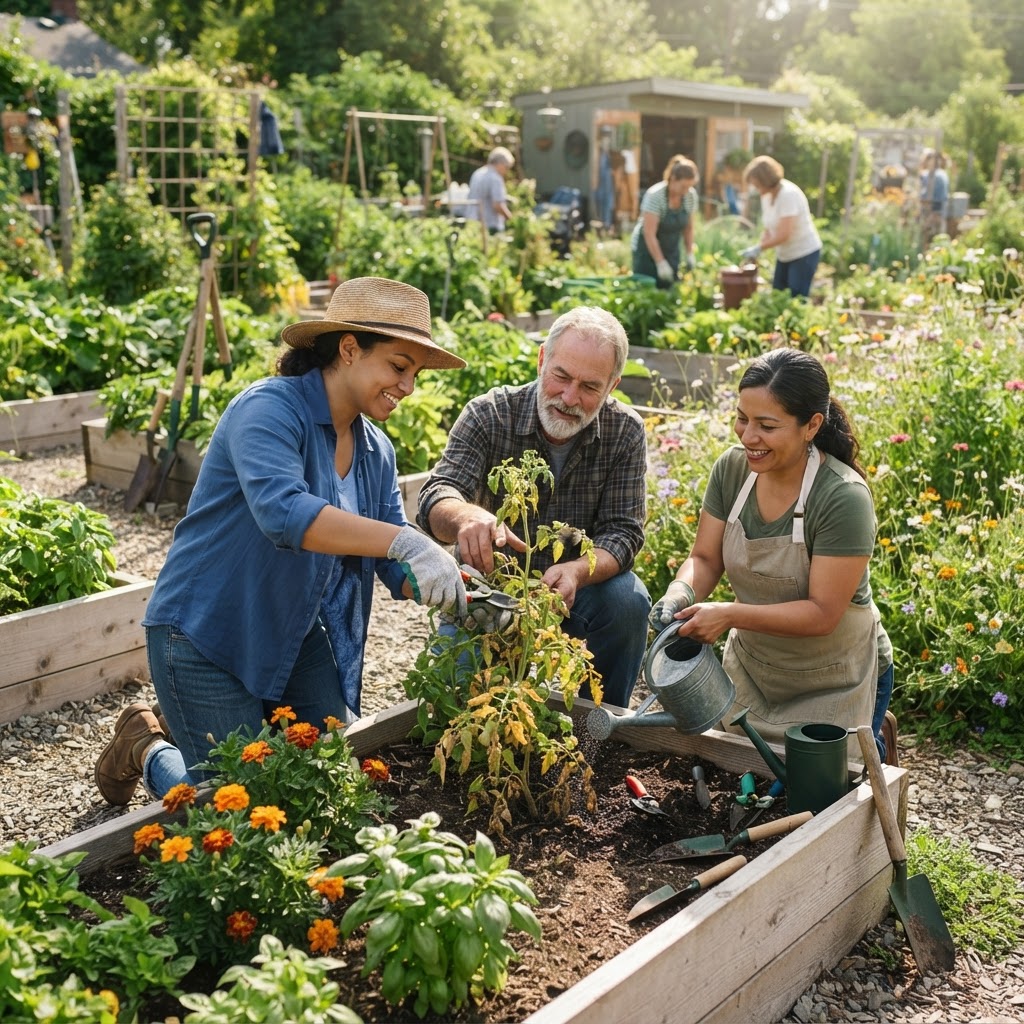
Community gardens present unique challenges compared to private plots. Multiple gardeners may tend overlapping spaces, tools are often shared, and the density of plantings can create ideal conditions for disease spread. However, these same features — shared responsibility, many sets of eyes, collective resources — make community gardens uniquely powerful when it comes to disease control.
When one gardener spots early signs of rust or mildew and alerts the group, the whole community can respond before a small problem becomes a garden-wide epidemic. Collaborative management means:
- Earlier detection through multiple observers checking the beds
- Faster response because work is divided among many hands
- Better prevention through consistent, community-wide practices
- Shared costs for treatments and preventive products
- Collective learning that strengthens everyone's skills season after season
Think of disease management as a team sport. Individual effort matters, but coordinated teamwork wins the game.
Identifying the Diseases
Signs of Rust
- Orange or yellow-orange pustules on the leaves and stems, usually on the underside of leaves first
- Pustules that rupture and release powdery orange spores when touched
- Yellowing of leaves spreading from the pustule sites
- In severe cases, leaves begin to die back from the tips downward
Signs of Downy Mildew
- Pale green or yellow patches on the upper surface of leaves
- A grayish-purple, fuzzy coating on the underside of affected areas (most visible in the morning when humidity is high)
- Leaves that look water-soaked or dull before becoming yellow and collapsing
- In garlic, affected leaves may twist or distort
Signs of Powdery Mildew
- White or gray powdery coating on the surface of leaves and stems
- Leaves may curl, yellow, or brown at the edges
- Unlike downy mildew, the coating appears on the upper surface of leaves
When to Inspect
Designate at least two inspection days per week during peak growing season (spring through early summer for most alliums). Early morning inspections are ideal for spotting downy mildew's fuzzy coating before the day warms and dries. Keep a simple log noting which beds show symptoms, how widespread the infection is, and what weather conditions have been like.
Prevention Strategies for Community Beds
Prevention is always easier than treatment. Here are the most effective strategies for keeping rust and mildew out of your allium beds.
Crop Rotation
Never plant alliums in the same bed two years running. Rotate them to a fresh section of the garden each season. This disrupts the disease cycle by denying pathogens a host in the same location. Community gardens should map their crop rotation schedule and make it visible to all members.
Proper Spacing
Crowded plants create humid microclimates that fungal pathogens love. Follow spacing recommendations — generally 10–15 cm between garlic cloves and 20–30 cm between onion sets — and ensure rows have enough space for air to move freely between them.
Good Hygiene Practices
- Remove and dispose of diseased plant material promptly — never compost it
- Clean tools with a diluted bleach or isopropyl alcohol solution between uses, especially when moving between beds
- Avoid working in allium beds when foliage is wet, as you can inadvertently spread spores on your hands, clothes, and tools
Resistant Varieties
When sourcing garlic bulbs or onion sets, choose varieties with known resistance to rust and mildew. Ask your seed supplier or local agricultural extension service which varieties perform well in your region. Sharing this knowledge across your community ensures everyone benefits from better variety selection.
Mulching and Watering Practices
Water at the base of plants rather than overhead to keep foliage dry. Mulch around the base to prevent soil splash, which can spread spores from the soil onto lower leaves. Drip irrigation, where available, is ideal for allium beds.
Treatment Options
Organic Fungicide Sprays
Several organic options are effective when applied at the first sign of disease:
- Sulfur-based sprays: Effective against rust and powdery mildew. Apply according to label instructions and avoid use in temperatures above 32°C, as heat can cause leaf burn.
- Copper-based fungicides: Useful against downy mildew. Copper treatments should be used sparingly and rotated with other options to avoid soil copper accumulation.
- Bicarbonate sprays: A diluted solution of bicarbonate of soda in water with a small amount of horticultural oil can help manage powdery mildew in mild cases.
- Neem oil: A broad-spectrum organic option that can suppress mildew and some rust infections. Apply in the evening to avoid burning foliage in direct sun.
Removing Affected Material
For localized infections, promptly remove affected leaves and dispose of them in the general waste (not the compost). This reduces the spore load in the bed and can slow the spread significantly, especially when done early.
Community Spray Days
Organize a group treatment day where all allium bed holders apply fungicide simultaneously. This prevents the situation where treated beds are quickly reinfected by spores from neighboring, untreated plots. Make sure everyone uses the same product to avoid compatibility issues, and ensure members who are sensitive to sprays are protected or absent during application.
Organizing Your Garden Community
Effective disease management depends on structure and communication. Here's how to organize your community for success:
- Appoint a seasonal disease monitor: Rotate this role each season so knowledge spreads throughout the group.
- Create a shared inspection log: A simple notebook in the garden shed or a shared digital document works well.
- Hold a brief seasonal briefing: Before planting season, walk members through what rust and mildew look like, what to do if they spot it, and who to contact.
- Establish clear protocols: Decide in advance what steps will be taken when disease is detected — who approves treatment, who purchases products, who carries out the spraying.
- Share resources fairly: Pool funds for preventive treatments and supplies, and distribute the cost fairly across plot holders.
Common Mistakes to Avoid
Even well-meaning gardeners can make errors that allow rust and mildew to spread. Here are the most common pitfalls:
Waiting too long to act. Both rust and mildew spread quickly once established. Waiting to "see if it gets worse" often means losing the window for effective intervention. Act at the first sign of symptoms.
Composting diseased material. Home compost heaps rarely reach temperatures high enough to destroy fungal spores. Always dispose of rust- or mildew-infected plant matter in general waste to prevent reintroduction.
Using shared tools without cleaning them. Spores hitch rides on trowels, gloves, and boots. Make tool cleaning a habit, not an afterthought — especially during an active outbreak.
Overlooking plant spacing. Enthusiastic planting often leads to overcrowded beds. Dense planting restricts airflow and keeps humidity high around foliage, creating ideal disease conditions.
Treating just one bed in isolation. If neighboring beds show no symptoms today, they may carry low-level infections that will reinfect your treated bed. Coordinate treatments across all allium beds simultaneously.
Skipping rotation. Returning alliums to the same bed year after year allows soil-borne spores and plant debris to build up. Commit to rotation even when it's inconvenient.
Applying fungicides in hot sun or before rain. Treatments applied in full sun can burn foliage, and rain will wash them away before they take effect. Time applications for calm, dry days with mild temperatures.
Tips for Success
Start scouting early. Begin weekly inspections as soon as allium shoots emerge in spring. Early detection is the single most effective tool you have.
Document everything. Keep a simple disease log noting where and when symptoms appeared, what weather preceded them, and what treatments were applied. This record becomes invaluable for future season planning.
Learn from neighboring gardeners. If nearby community gardens or allotment sites have experienced outbreaks, reach out. They may have valuable local knowledge about which varieties, treatments, or strategies worked best.
Build a treatment kit in advance. Don't wait until disease appears to source fungicide. Keep a small stock of approved treatments in the garden shed so you can act immediately.
Celebrate collective wins. When your community successfully manages an outbreak or gets through a season with healthy allium beds, acknowledge it. Positive reinforcement encourages continued engagement from all members.
Consider a buddy system. Pair experienced gardeners with newcomers for disease scouting. This builds skills across the group and ensures no beds are missed during inspections.
Communicate clearly and without blame. Disease in a shared garden can create tension. Foster a culture where reporting a problem is praised, not criticized — the goal is collective health, not assigning fault.
Conclusion
Rust and mildew are genuine threats to garlic and onion crops, but they are far from unbeatable — especially when a community tackles them together. The key is combining good cultural practices (rotation, spacing, hygiene, and appropriate watering) with early detection, fast response, and coordinated treatment across all affected beds.
What makes community garden management so powerful is the collective intelligence and shared labor it brings to bear on these challenges. A single gardener might miss early symptoms; a whole community of attentive observers almost certainly won't. Treatments applied by just one plot holder have limited effect; garden-wide spray days are dramatically more successful.
By establishing clear communication channels, designating seasonal monitors, building shared resources, and fostering a culture of open, blame-free reporting, your community garden can keep rust and mildew in check season after season. Your garlic bulbs will be plumper, your onions more robust, and your harvests more rewarding — and you'll have built stronger community bonds in the process.
Healthy plants and healthy communities go hand in hand. Start the conversations, build the systems, and tend those beds together.