Getting Started
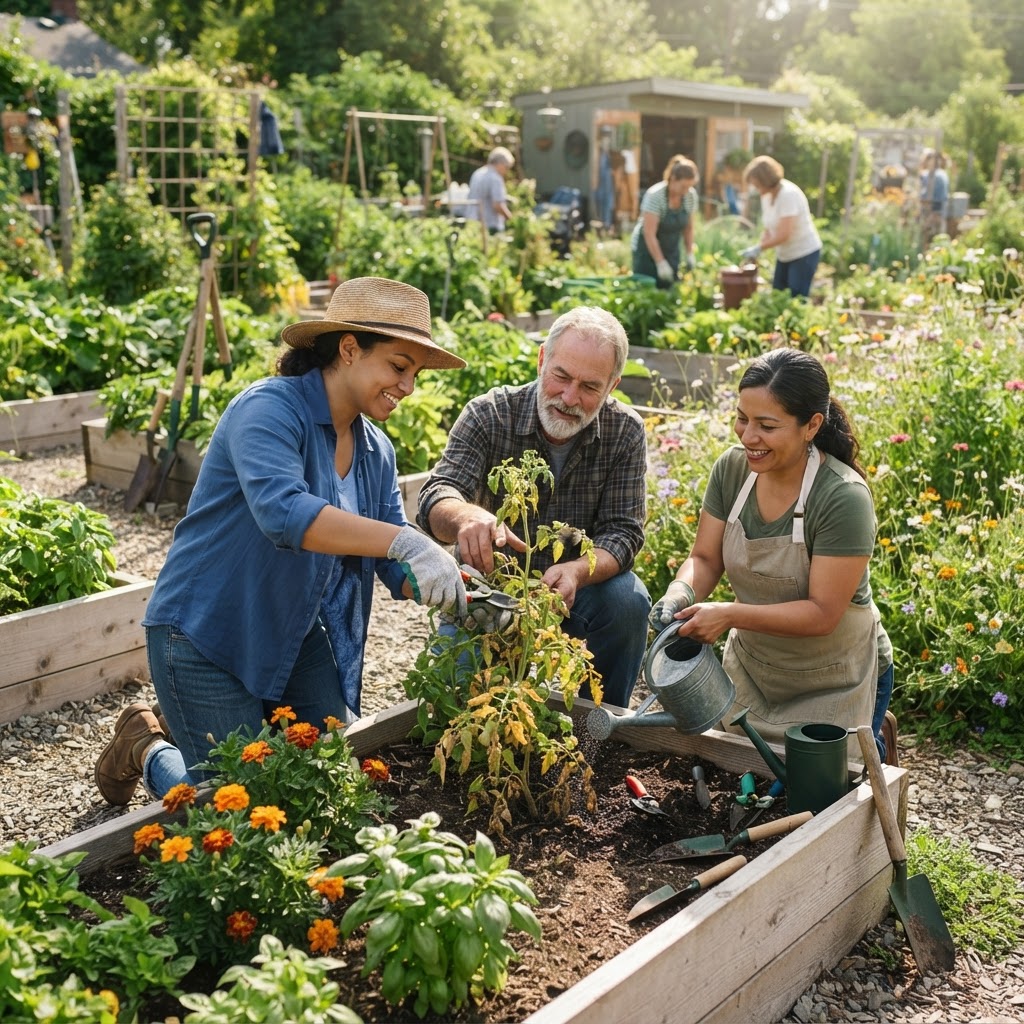
Managing plant disease in a community garden is never a solo endeavor. When you share beds, tools, pathways, and water sources with dozens of other gardeners, a single outbreak of a soil-borne pathogen can quickly become everyone's problem. Verticillium wilt is one such disease — persistent, widespread, and notoriously difficult to eliminate once it takes hold in the soil.
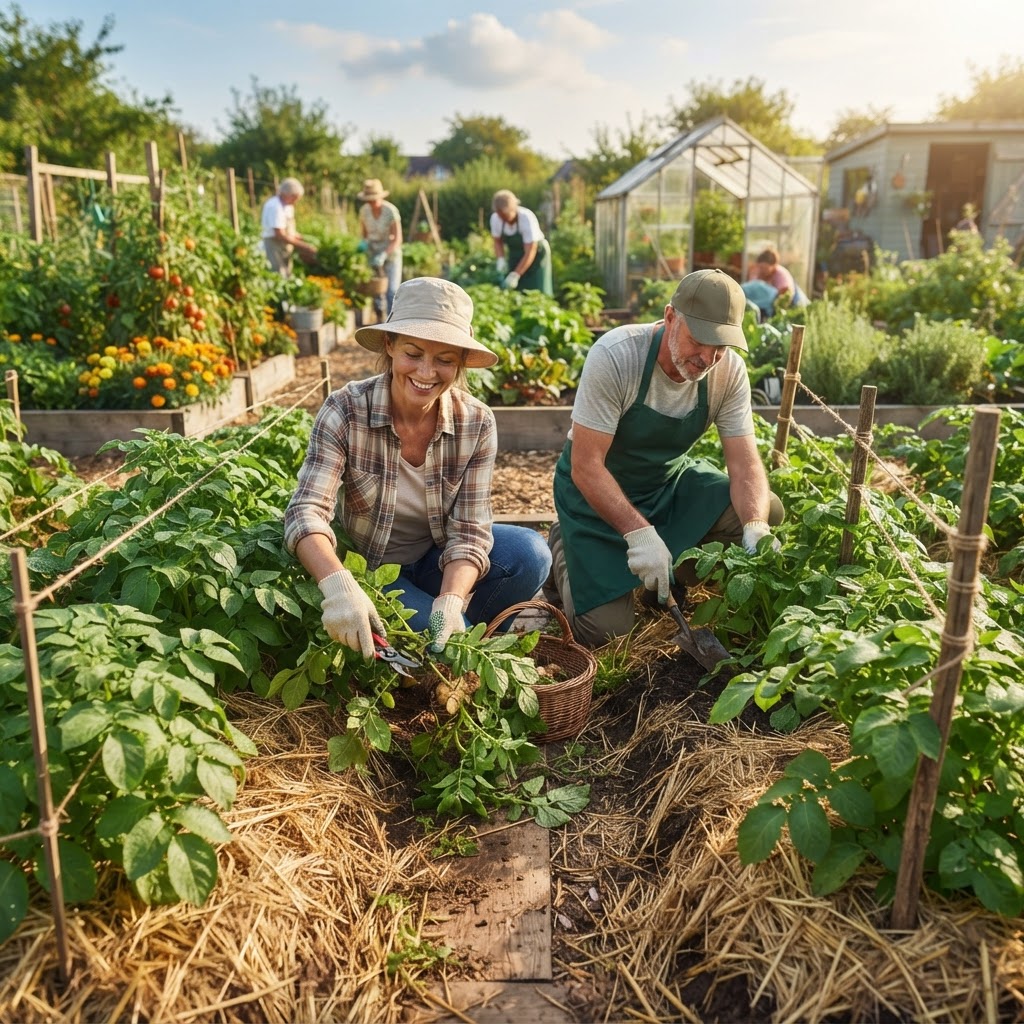
The good news is that community gardens are actually well-positioned to fight back. With coordinated effort, shared knowledge, and a little planning, gardeners working together can dramatically reduce the impact of verticillium wilt and protect the long-term health of the entire growing space. This guide will walk you through everything you need to know — from identifying the disease to building a garden-wide management plan that works for everyone.
Whether you're a plot holder who just noticed some yellowing leaves on your tomatoes or a garden coordinator trying to develop a disease management policy, this article is for you.
Understanding Verticillium Wilt
Verticillium wilt is caused by soil-borne fungi, primarily Verticillium dahliae and Verticillium albo-atrum. These pathogens live in the soil and infect plants through their roots, colonizing the water-conducting tissues (xylem) and essentially blocking the plant's ability to move water and nutrients upward.
Symptoms to Watch For
The symptoms of verticillium wilt can be tricky to identify because they mimic several other common problems, including drought stress and nutrient deficiencies. Here's what to look for:
- Wilting during the day that may partially recover overnight in early stages
- Yellowing leaves, often starting on one side of the plant or on lower leaves first
- Brown or tan V-shaped lesions on the edges of leaves
- Stunted growth and reduced fruit production
- Dark streaking inside the stem — cut a stem near the base and look for brown discoloration in the vascular tissue
Verticillium wilt affects a wide range of host plants, including tomatoes, peppers, eggplants, potatoes, strawberries, cucumbers, and many ornamentals. This broad host range is part of what makes it such a significant problem in mixed community garden settings.
How It Spreads
The fungus produces microsclerotia — tiny, resilient resting structures that can survive in the soil for many years, even without a host plant present. The disease spreads through:
- Infected soil moved on tools, boots, or hands
- Transplants started in contaminated soil
- Water movement across plots
- Infected plant material left in beds
Why Shared Gardens Face Unique Challenges
In a private garden, one person controls all decisions. In a community garden, you might have thirty different gardeners making thirty different choices — about what to plant, how to amend soil, whether to remove diseased plants promptly, and how to handle their tools. This diversity is one of the joys of community gardening, but it also creates real challenges when managing persistent pathogens like verticillium.
Some of the specific challenges shared spaces face include:
- Inconsistent plot management: One gardener's careful crop rotation can be undermined by a neighbor planting susceptible crops in the same area season after season
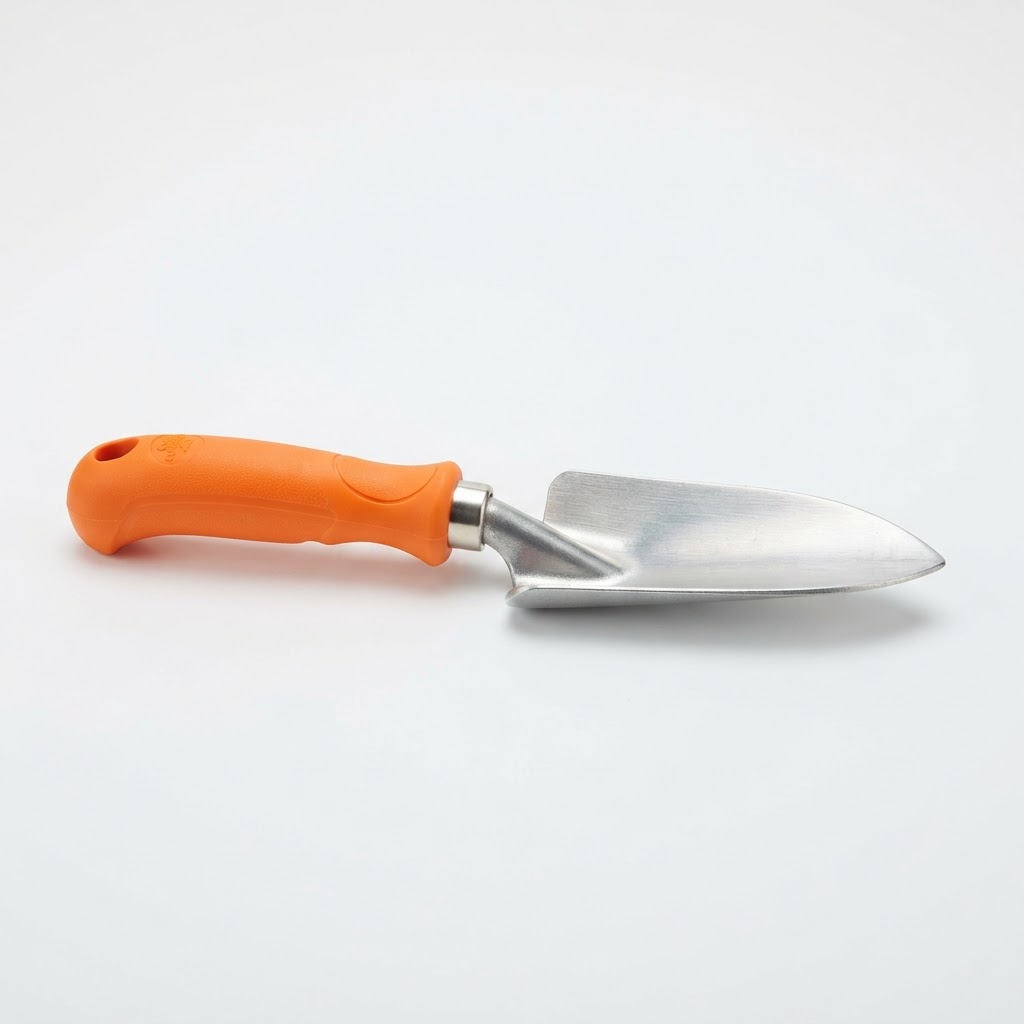
- Shared tools: Spades, hoes, and trowels passed between gardeners can move contaminated soil from plot to plot
- Variable awareness: Not all gardeners are familiar with verticillium wilt or know how to identify it early
- Emotional investment: Asking someone to remove their beloved tomato plants is never easy, even when it's the right call
- Communal areas: Shared pathways, compost systems, and water sources all create potential transmission points
This is why a collaborative, community-wide approach is so much more effective than individual efforts alone.
Detection and Early Warning Systems
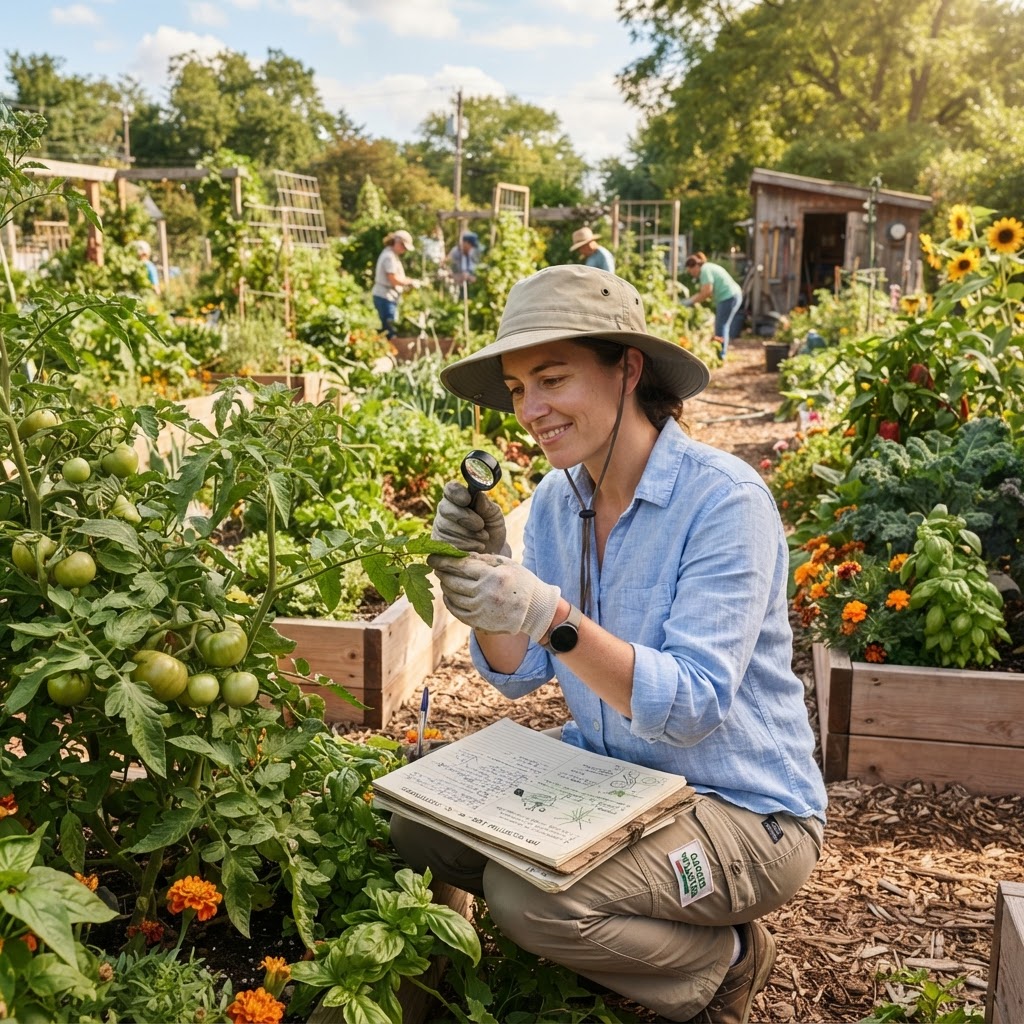
One of the most powerful tools a community garden has is the collective eyes of all its members. Building an early warning system means fewer surprises and faster responses.
Setting Up a Disease Reporting System
Work with your garden coordinator or committee to establish a simple way for gardeners to flag suspected disease problems. This could be:
- A shared notebook or clipboard in the tool shed where gardeners can log observations
- A group messaging thread or email list dedicated to pest and disease alerts
- A monthly walk-through by a knowledgeable volunteer or coordinator who checks all plots for warning signs
The key is making it easy and non-judgmental. Gardeners should feel comfortable reporting problems without fear of blame or penalties.
Learning to Recognize the Disease Together
Host a short workshop at the beginning of each growing season. Bring photos, show people how to do the stem-cutting test for vascular discoloration, and give everyone a simple one-page reference guide. When the whole community knows what to look for, detection becomes much faster.
Soil Testing
While home soil tests don't typically identify specific pathogens, professional soil testing services can detect verticillium in soil samples. If your garden has a history of wilt problems, consider organizing a coordinated soil testing effort, especially in plots where susceptible crops are grown.
Collaborative Management Strategies
Once verticillium wilt is detected, the entire garden benefits from a unified response. Here are the core strategies that work best in shared settings.
Immediate Containment Steps
When a case is confirmed or strongly suspected:
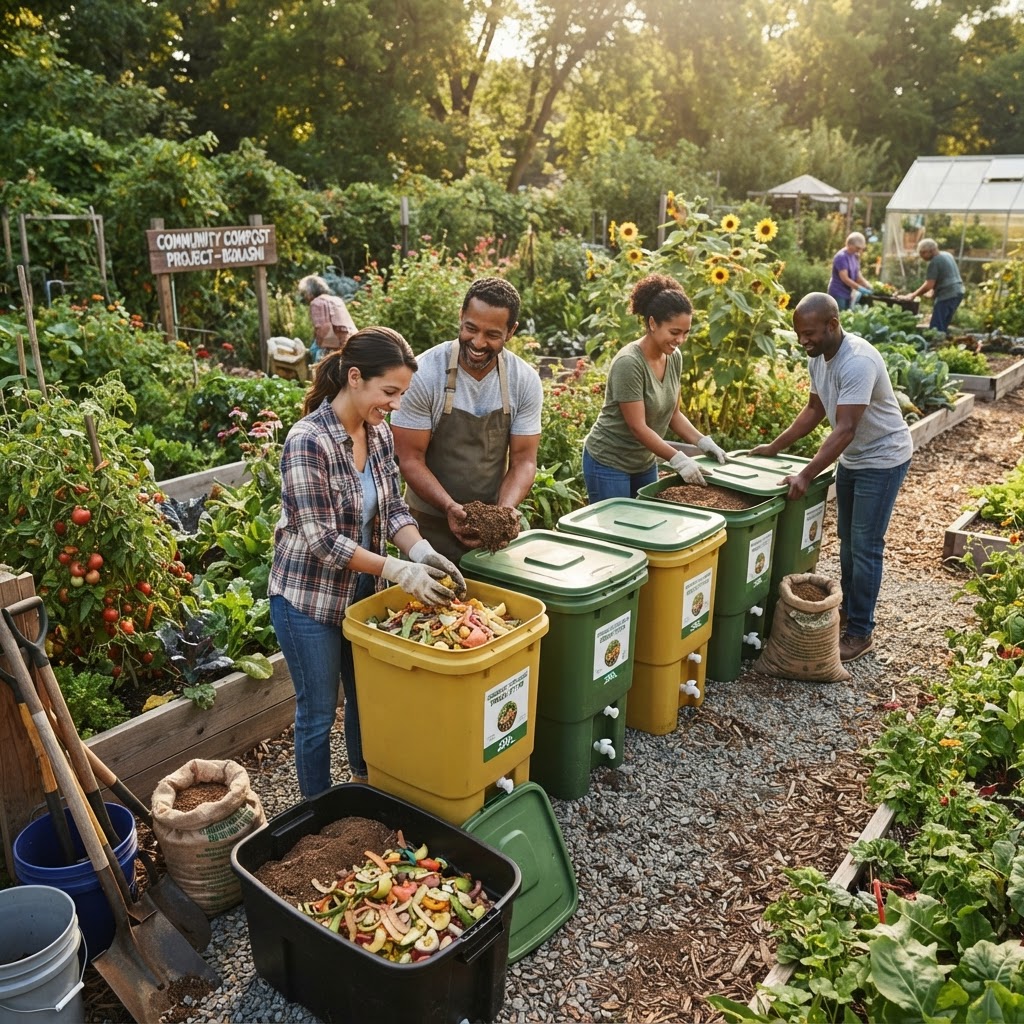
- Do not compost infected plant material — bag it and dispose of it in the trash or through municipal green waste, never in the communal compost pile
- Remove infected plants promptly, including as much of the root system as possible
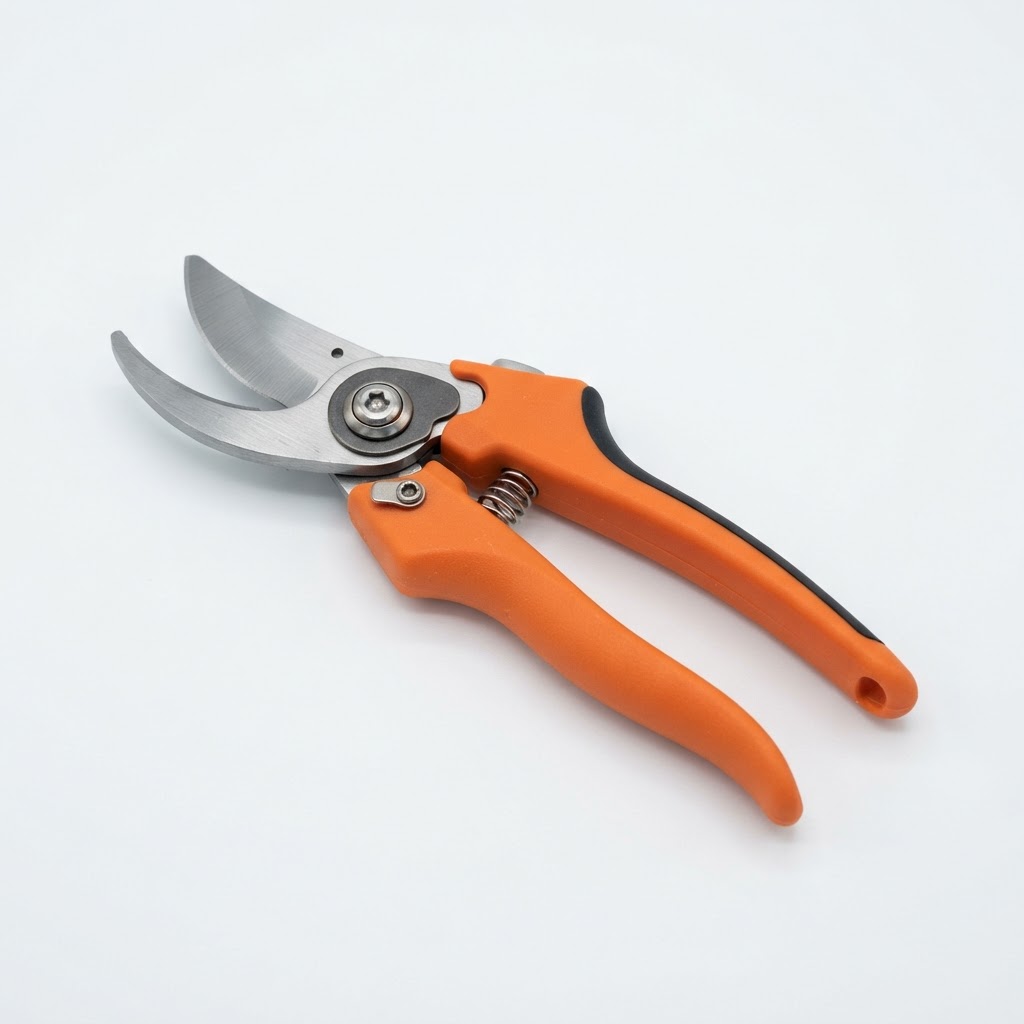
- Disinfect tools used in the affected plot before using them elsewhere — a diluted bleach solution (one part bleach to nine parts water) or a commercial tool sanitizer works well
- Limit soil movement from the affected plot until the situation is better understood
Resistant and Non-Host Plantings
One of the most effective long-term strategies is simply not giving the fungus a susceptible host to infect. Encourage affected plots — and neighboring plots — to shift toward resistant varieties or non-host plants.
Crops with little to no susceptibility to verticillium include:
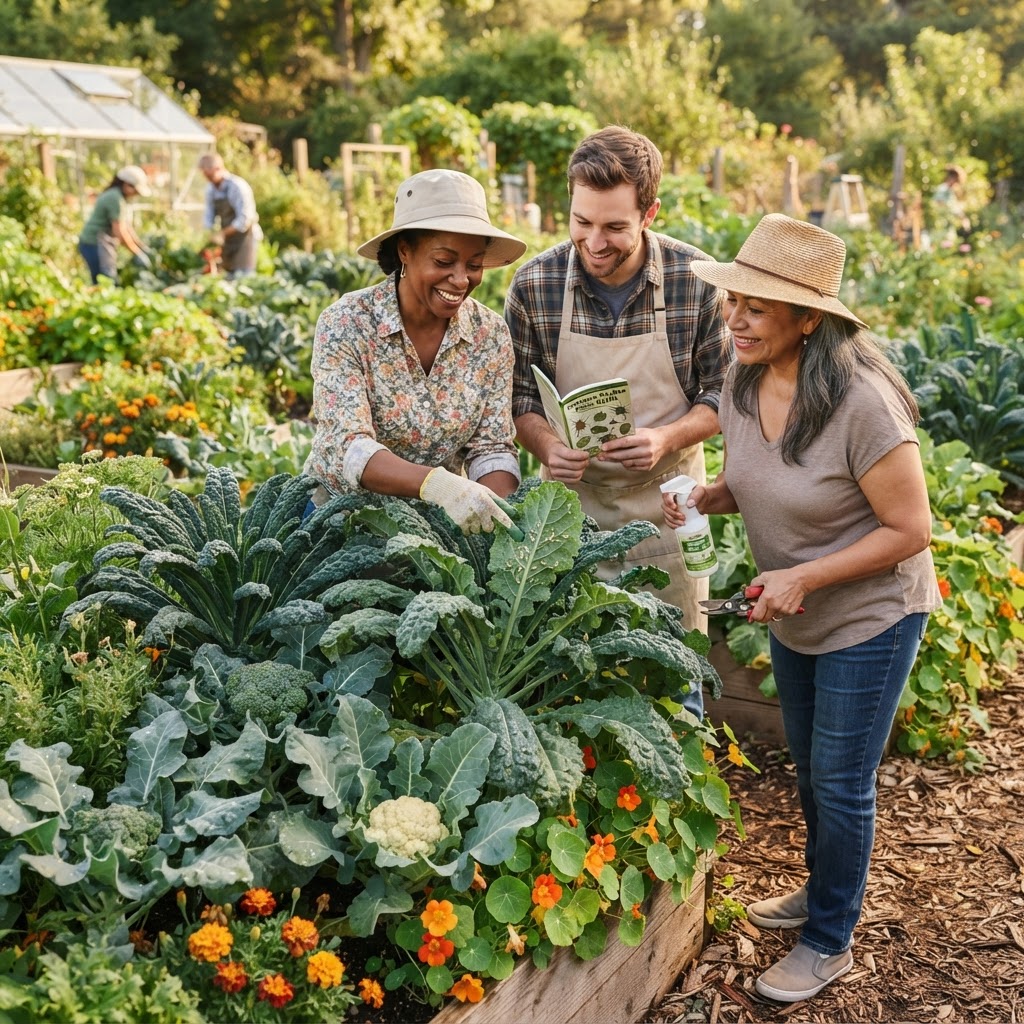
- Most brassicas (cabbage, broccoli, kale, cauliflower)
- Corn and other grasses
- Onions, garlic, and other alliums
- Beans and peas (though some susceptibility exists)
- Many herbs, including basil and parsley
When planting tomatoes, look for varieties labeled with a "V" on the tag or seed packet — this indicates resistance to verticillium wilt.
Crop Rotation and Plot Planning as a Community
Crop rotation is a cornerstone of verticillium management, and in a community garden, it works best when everyone participates in a coordinated way.
Why Individual Rotation Isn't Enough
If you rotate your nightshades out of your plot but your neighbor grows tomatoes in the same spot every year, the fungal population in that area remains high. Proximity means the pathogen can still affect your plants through shared soil and water movement.
Building a Garden-Wide Rotation Plan
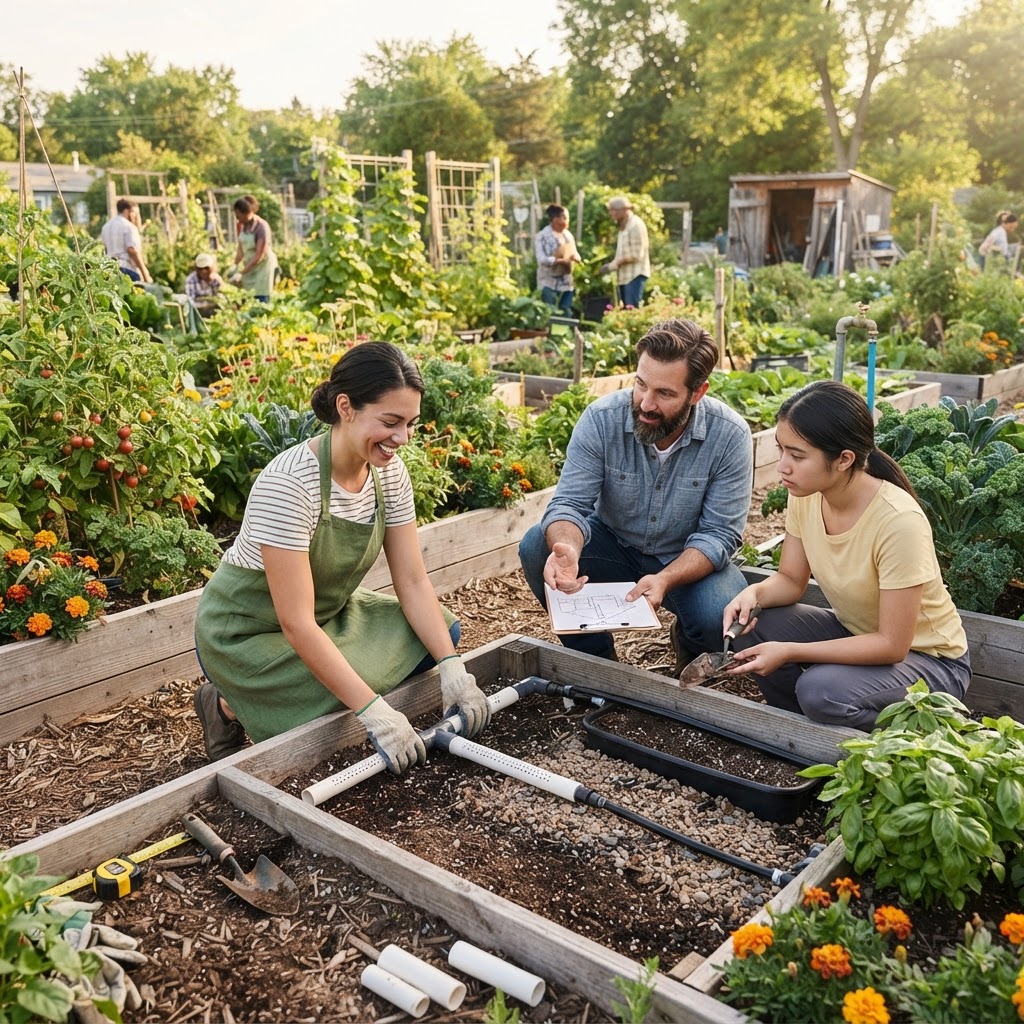
Consider working with your garden committee to create a zone-based rotation system. Divide the garden into sections and establish guidelines — not rigid rules, but strong recommendations — about which plant families should be grown where in a given season.
- Year 1 in a zone: Brassicas, alliums, or corn (non-hosts that help break the disease cycle)
- Year 2: Legumes
- Year 3: Root vegetables or herbs
- Year 4 or later: Nightshades and other susceptibles, if at all
This doesn't have to be perfectly enforced, but even partial participation across the garden makes a meaningful difference.
Soil Health and Remediation
Healthy soil is your best long-term ally. A biologically active soil with diverse microbial communities is naturally more suppressive of soil-borne pathogens, including verticillium.
Boosting Organic Matter
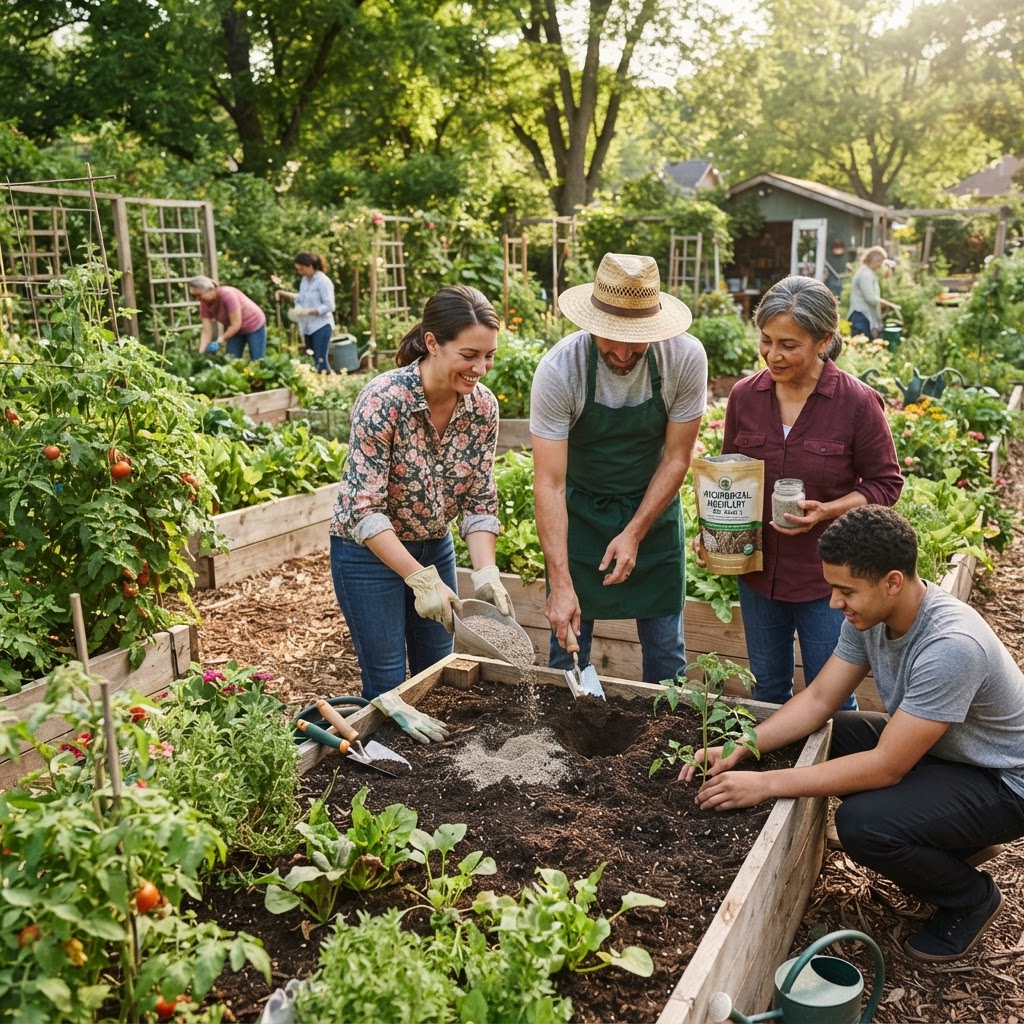
Encourage gardeners to regularly amend their plots with compost, aged manure, or other organic materials. A rich, well-structured soil supports beneficial fungi and bacteria that compete with or suppress Verticillium species.
Solarization
Soil solarization — covering moist soil with clear plastic sheeting during the hottest weeks of summer — can reduce pathogen populations in the top layer of soil. This works best during a fallow period and requires at least four to six weeks of hot, sunny weather. It won't eliminate all verticillium, but it can meaningfully reduce the load in heavily infected areas.
As a community garden, this is an opportunity for group action. If an entire section of the garden takes a season-long break and undergoes solarization together, the impact is much greater than individual plots doing it piecemeal.
Biofumigation
Incorporating brassica cover crops (like mustard) and turning them into the soil releases natural compounds that have some suppressive effect on soil pathogens. This is an accessible, low-cost strategy that any plot holder can try.
Common Mistakes to Avoid
Even well-meaning gardeners can inadvertently make verticillium problems worse. Here are some of the most common pitfalls:
- Composting infected plant material: This is the single most damaging mistake. Home and community compost piles rarely reach temperatures high enough to kill verticillium. Always bag and bin diseased plants.
- Sharing tools without cleaning them: A contaminated spade can carry microsclerotia from one plot to another in seconds. Make tool sanitation a garden-wide habit, not an afterthought.
- Assuming drought stress isn't disease: Many gardeners water more when they see wilting, not realizing the problem is vascular blockage. Over-watering a wilting plant can worsen root conditions and doesn't address the underlying issue.
- Planting the same susceptible crops year after year: Repetitive planting of tomatoes, eggplant, or peppers dramatically builds up the pathogen load in the soil over time.
- Ignoring neighboring plots: Your management efforts have limited impact if you don't communicate with and support the gardeners around you. Disease management in a shared space is inherently a team effort.
- Waiting too long to act: Early removal of infected plants feels wasteful, but it protects the broader garden. Delay allows the fungus to produce more microsclerotia and spread further.
Tips for Success
Here are some actionable strategies to make your community's verticillium management program as effective as possible:
- Create a written disease management policy as part of your garden's rules, covering reporting expectations, disposal procedures, and tool sanitation requirements
- Post cleaning instructions near shared tools — a simple laminated card with dilution ratios and steps goes a long way
- Celebrate resistant variety choices — feature disease-resistant tomato varieties in garden newsletters or at meetings to normalize and encourage the switch
- Organize seasonal soil amendment days where gardeners work together to add compost and organic matter to their plots
- Build a lending library of resources including books, printed guides, and laminated identification sheets that gardeners can borrow from the tool shed
- Pair experienced gardeners with beginners in a mentorship or buddy system — this spreads knowledge and keeps communication lines open
- Document everything — keep records of which plots have had confirmed or suspected cases, what was planted, and what interventions were tried. Over time, this data helps you see patterns and make smarter decisions.
- Check transplants before they go in the ground — inspect any starts brought from outside the garden for signs of stress or discoloration
Conclusion
Verticillium wilt is a formidable opponent, but community gardens have something that individual gardeners don't: the collective power of a group. When plot holders share knowledge, coordinate their planting plans, sanitize their tools, and support one another through outbreaks, the entire garden becomes more resilient.
The strategies in this guide — early detection, coordinated crop rotation, soil health practices, prompt removal of infected material, and strong communication — aren't complicated. What they require is commitment and a shared sense of responsibility for the health of the whole garden, not just your own plot.
Start small if you need to. Hold one workshop. Put up one sign about tool cleaning. Start one conversation with your neighbor about what they're planning to grow next season. Each small action builds toward a healthier, more connected community garden where everyone's plants — and relationships — have a better chance to thrive.