Getting Started
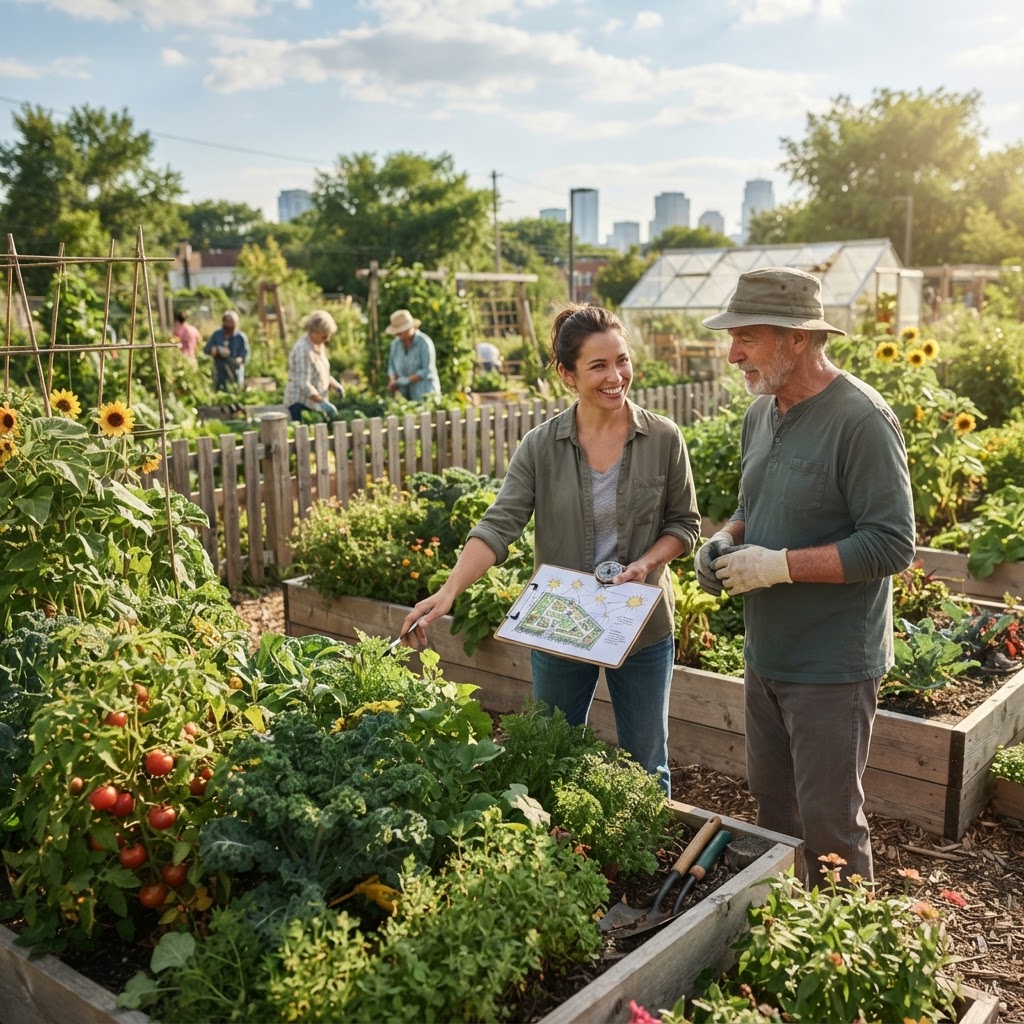
Before you invest in raised beds, seeds, or compost, your first investment should be in understanding what's already in your ground. Here's a practical roadmap for beginning your site assessment:
Step 1: Research your site's history. Before any physical testing, do some homework. Visit your local city planning office or use online historical map archives to find out what previously occupied your garden site. Former gas stations, dry cleaners, auto repair shops, and industrial facilities are red flags. Even residential lots can be problematic if they sat near heavily trafficked roads or had older structures on them.
Step 2: Document your observations. Walk the site and take notes. Look for discolored soil patches (unusual orange, grey, or black areas), lack of plant growth in certain spots, unusual odors, or visible debris from old buildings. These can be early visual clues that something in the soil deserves closer attention.
Step 3: Contact your local extension office. Most regions have a university cooperative extension office with staff who can guide you on local contamination risks, recommend accredited testing labs, and sometimes even assist with costs for community gardens. This free resource is often underused.
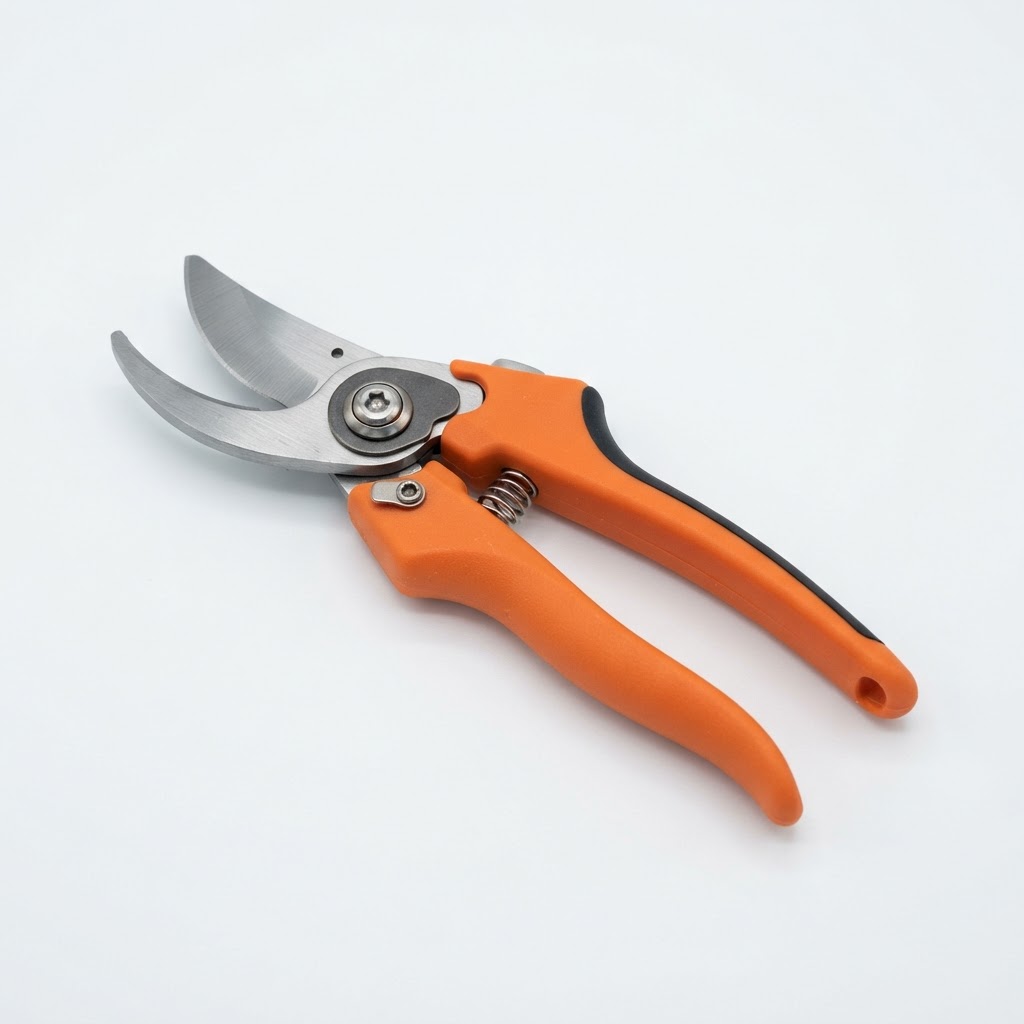
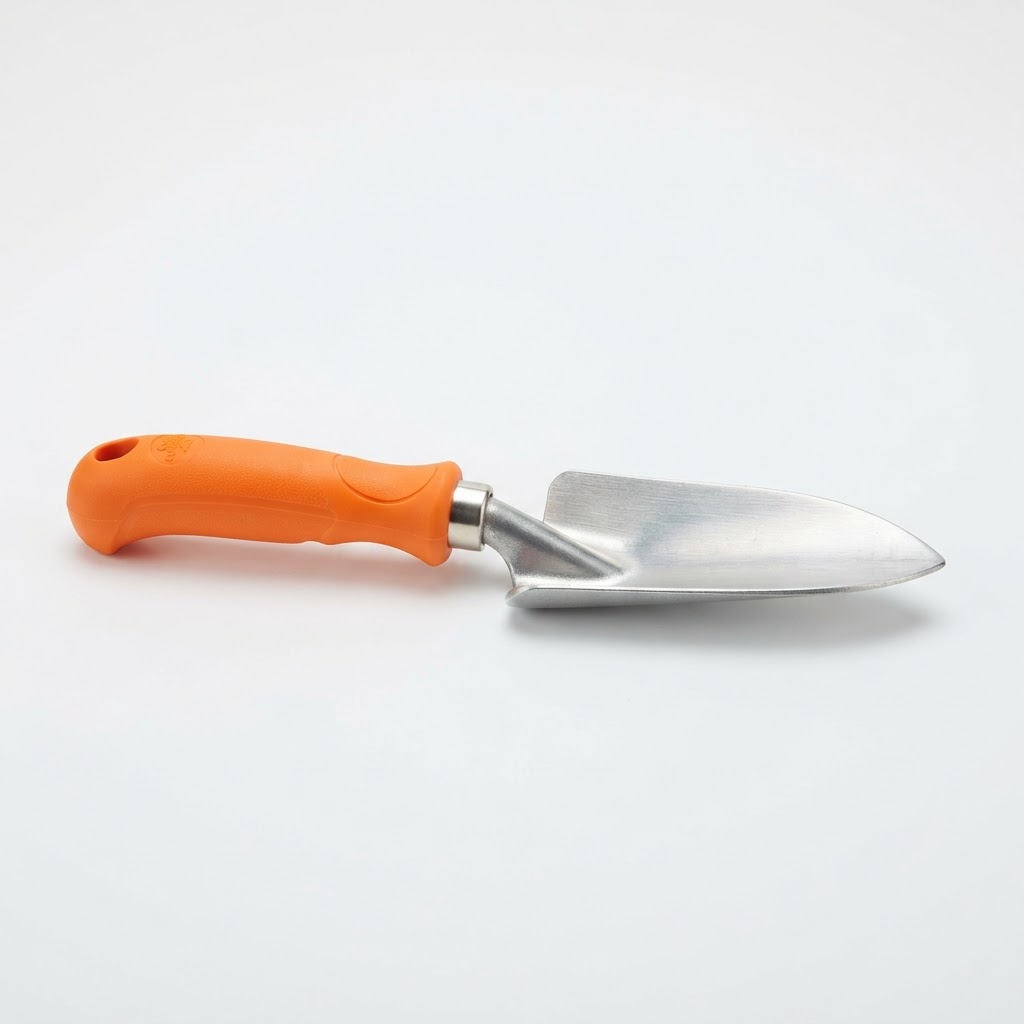
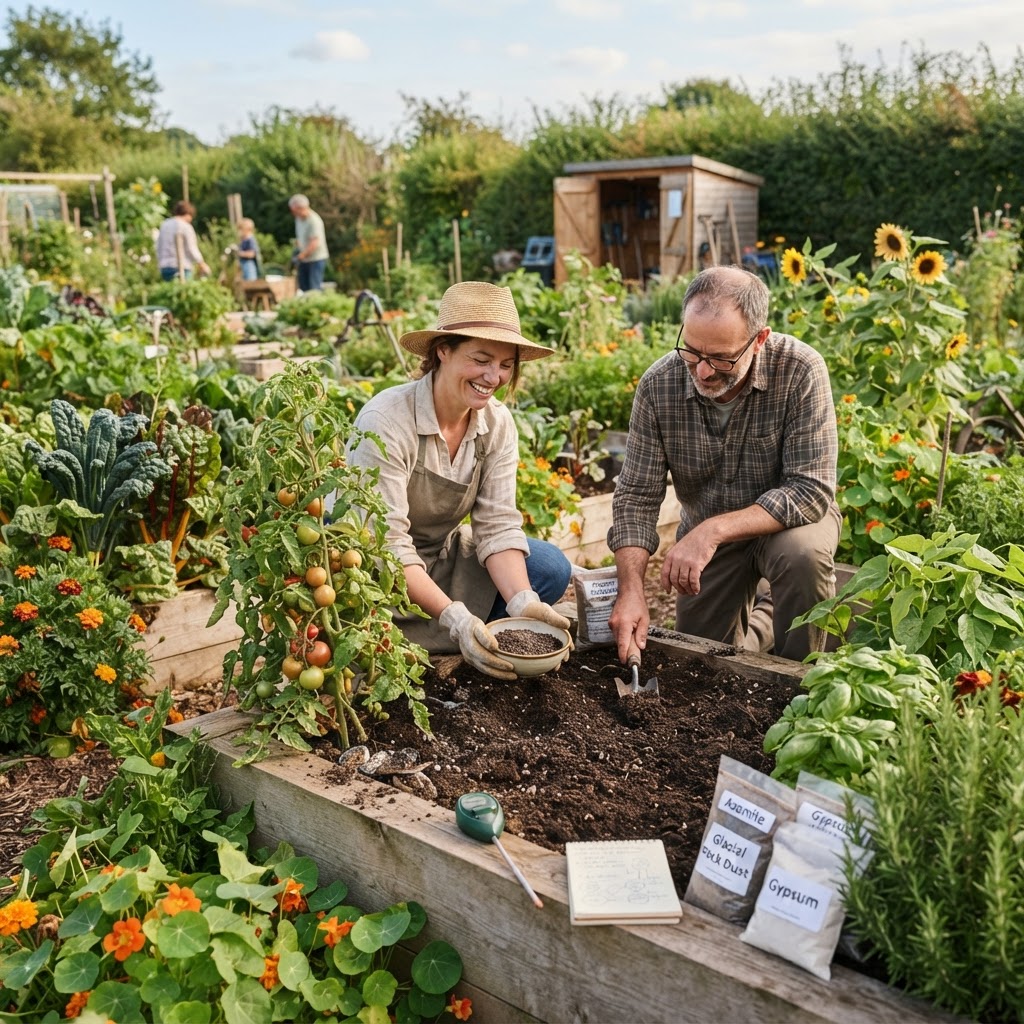
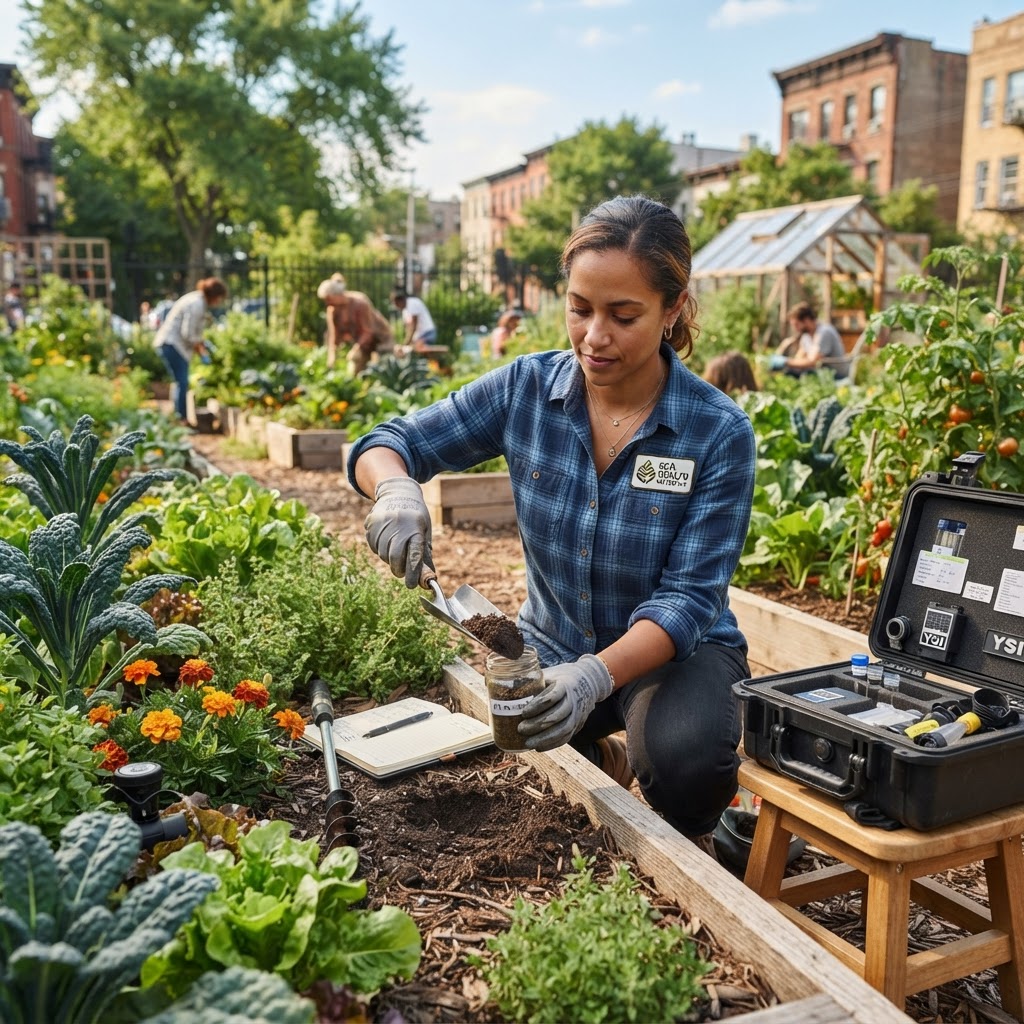
Step 4: Collect your soil samples. Once you've identified your testing areas, you're ready to collect samples. Use clean tools — not galvanized metal trowels, which can themselves introduce zinc into your sample. Collect from multiple points across the site and at the right depth (typically 0–6 inches for edible gardens, and a separate sample from 6–12 inches if you're growing root vegetables).
Step 5: Send to a certified lab. Home test kits exist, but for community gardens where food safety is the goal, always use an accredited laboratory that can test for a full panel of heavy metals including lead, arsenic, cadmium, chromium, and mercury.
Why Urban Soil Contamination Is a Real Concern
It might be easy to assume that because your lot looks like a quiet, unremarkable city plot, the soil is clean. Unfortunately, that assumption has led to some genuinely harmful outcomes in urban growing communities.
Urban soils accumulate contaminants over decades and even centuries. Lead, in particular, is a persistent pollutant that does not break down over time. Once it's in the soil, it stays there. The same is true for arsenic, cadmium, and other heavy metals that can originate from pesticide residues, industrial emissions, or construction materials.
Children and pregnant women are especially vulnerable to heavy metal exposure, which makes the stakes particularly high for community gardens located near schools, playgrounds, or family-heavy neighborhoods. Exposure to lead, even at low levels, is associated with neurological impacts in children. Chronic exposure to cadmium can affect kidney function. Arsenic is a known carcinogen.
The goal of site assessment isn't to scare you away from gardening — it's to help you garden confidently and safely.
Understanding Lead and Heavy Metals in Urban Environments
Where Lead Comes From
Lead contamination in urban soil has several common sources. The most widespread is leaded paint from older buildings. Homes built before 1978 in the United States frequently used lead-based paint, and as that paint peels, chips, and weathers, lead accumulates in the surrounding soil. This creates a "drip zone" of higher contamination within a few feet of older building foundations.
Leaded gasoline, used widely until it was phased out in the 1990s, deposited lead along roadsides and in areas of heavy vehicle traffic. Soils near major roads may carry elevated lead levels even decades later.
Other Heavy Metals to Know About
Arsenic was historically used in pesticides and wood preservatives. Older orchard sites and properties with treated lumber (especially old railroad ties) may have arsenic contamination.
Cadmium often appears in soils near industrial facilities, areas where phosphate fertilizers were heavily used, or sites with legacy mining or smelting activity.
Chromium can come from leather tanning operations, metal plating facilities, and some industrial waste sites.
Zinc and copper, while essential plant nutrients at low levels, can become toxic at elevated concentrations. They often appear near mining areas, some roads, and near older copper plumbing or roofing materials.
Understanding where these metals come from helps you prioritize which areas of your site to test most carefully.
How to Assess Your Site Before You Test
A pre-testing visual and historical assessment saves you time and money by helping you identify where contamination is most likely to be concentrated.
Visual Inspection Checklist
Walk every section of your planned garden and ask yourself:
- Are there remnants of old building foundations nearby?
- Is there visible paint flaking from adjacent structures?
- Does the soil have unusual coloring in patches?
- Are there areas where vegetation is sparse or absent without obvious reason?
- Is there old metal, rubble, or construction debris mixed into the soil?
Historical Research Resources
Local libraries often hold historical aerial photographs and fire insurance maps (like Sanborn maps in the US) that show the history of land use on a parcel. Environmental databases at state and federal levels may flag sites with documented contamination. Your local health department may also have records of previous environmental assessments in the area.
Choosing the Right Soil Testing Approach
Laboratory Testing vs. Home Test Kits
Home test kits available at hardware stores can detect the presence of lead, but they have significant limitations. They typically only indicate whether lead is present above a threshold, not the actual concentration. For community food gardens, you need quantitative data — the actual parts per million (ppm) of each contaminant.
Certified laboratory testing gives you a detailed breakdown of metal concentrations across your soil samples. Many university extension programs maintain lists of accredited labs in your region, and costs are often quite reasonable, especially when shared across a garden group.
What to Ask the Lab to Test For
At minimum, request testing for:
- Lead
- Arsenic
- Cadmium
- Chromium
- Mercury
If your site has specific industrial history, ask your extension office whether additional metals should be included.
Proper Sampling Technique
The accuracy of your results depends heavily on how you collect samples. Use clean, non-galvanized tools. Sample from multiple locations within each "zone" of your garden (areas with similar history and use). Mix subsamples together for a composite reading from each zone. Store samples in clean, labeled bags and follow your lab's instructions for packaging and shipping.
Interpreting Your Test Results
Once your results come back, you'll need to understand what the numbers mean. Soil contamination guidelines vary by country and even by state or local jurisdiction, so always check with your local authority for the most applicable thresholds.
As a general reference point, many US-based guidelines flag lead concentrations above 400 ppm as a concern for vegetable gardens, with some agencies recommending action at lower levels for areas where children play. Arsenic guidance often falls in the range of 20–40 ppm for gardening scenarios.
Your lab report may also come with interpretive guidance, and many extension offices offer free consultations to help community groups understand their results and plan next steps.
What to Do If Contamination Is Found
Finding elevated heavy metal levels isn't the end of your garden project. It's the beginning of a more informed one. Here are your primary options:
Raised beds with clean imported soil are the most common and effective solution. Build beds at least 12 inches deep, use a barrier fabric or liner beneath to prevent upward migration from contaminated subsoil, and fill with tested, clean growing media. This approach is used successfully by urban gardens around the world.
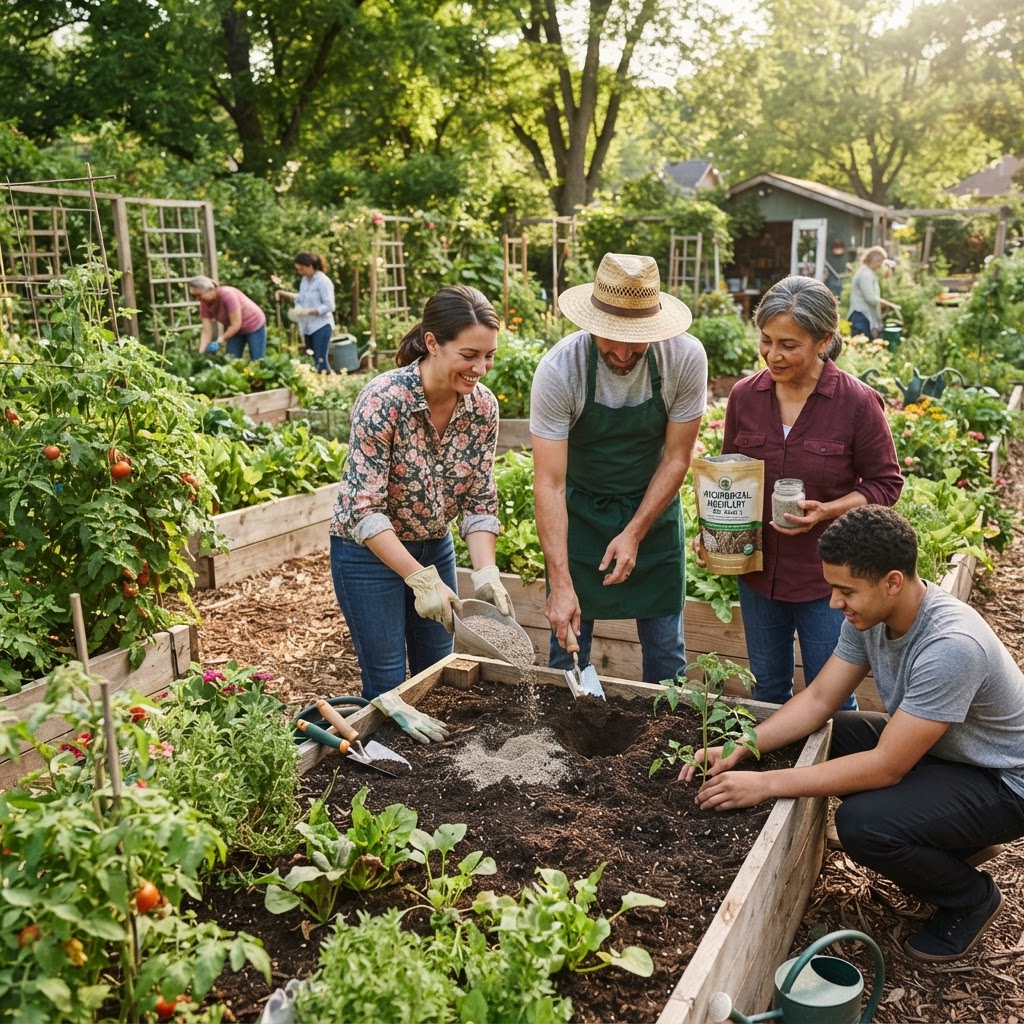
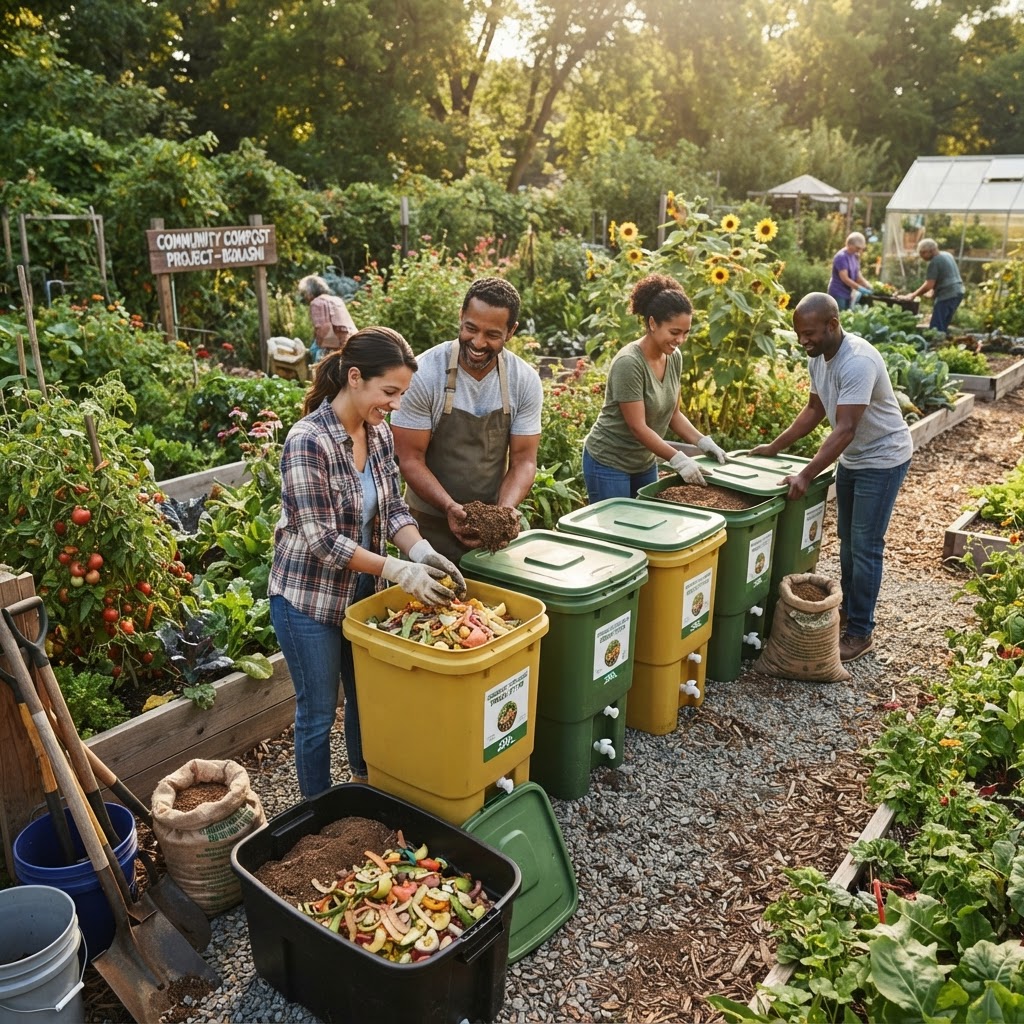
Soil amendment with clean compost can help reduce bioavailability of some metals, particularly lead, by raising organic matter content and adjusting pH. This does not remove contamination but can reduce plant uptake. This is best used as a complementary strategy alongside raised beds, not as a standalone fix for high contamination levels.
Phytoremediation is a longer-term strategy where certain plants are grown specifically to draw metals out of the soil. Sunflowers, for example, have been used in remediation efforts. This takes years and requires careful disposal of harvested plant material. It's more relevant for dedicated remediation projects than for active food gardens.
Relocating the garden may be the right choice in cases of severe contamination, particularly if costs of remediation are prohibitive.
Common Mistakes to Avoid
Skipping testing because the site "looks fine." Contamination is invisible. Clean-looking soil can contain dangerously elevated metal levels. Never assume a site is safe without data to support that conclusion.
Using home test kits as your only testing method. As discussed above, these kits don't give you the quantitative data you need for confident food production decisions.
Sampling only one spot. Contamination is rarely uniform across a site. Sampling from a single location can give a false sense of security or falsely implicate areas that are actually clean. Collect composite samples from multiple zones.
Using galvanized tools for sampling. Zinc coatings on galvanized metal can contaminate your sample before it even reaches the lab. Use stainless steel or clean plastic tools for collection.
Forgetting to test amended or imported soil. Even soil sold as "clean" topsoil or compost should be tested before use, especially when you're adding it to raised beds intended for food production. Reputable suppliers should be able to provide test results, but verifying independently is always smart.
Ignoring the area near building foundations. This is one of the highest-risk zones for lead from old paint. Always include foundation drip-zone samples if there are older structures adjacent to your site.
Tips for Success
- Partner with your local university extension program early. They often have free resources, testing subsidies for community gardens, and expert advice tailored to your region.
- Map your sampling grid before you start. A simple hand-drawn grid of your site with labeled sampling locations helps ensure you cover the whole area and makes it easy to correlate results with specific garden zones.
- Test your water source too. Heavy metals can also enter the garden through irrigation water, especially from older pipes or standing water sources. Many labs offer water testing alongside soil testing.
- Keep records. Document your baseline test results and repeat testing periodically — especially if you're amending soil or adding new materials. A testing binder or digital folder with dated results is a valuable resource for your garden's long-term health.
- Communicate transparently with your community. Share your testing process and results with garden members. This builds trust and helps everyone make informed decisions about what to grow and where.
- Consider a phased approach for large sites. If your garden covers a large area, start with the zones intended for edible crops and expand testing as your budget allows.
Conclusion
Urban community gardening is a powerful act of community building, but its benefits are only fully realized when gardeners can grow food confidently and safely. Testing for lead and heavy metals isn't a barrier to gardening — it's the foundation of doing it right.
The process is manageable, the costs are reasonable when shared across a community, and the information you gain is genuinely empowering. Whether your results come back clean and give you peace of mind, or reveal contamination that you can then address with raised beds and proper barriers, knowing what's in your soil puts you firmly in control.
Start with the history, sample thoughtfully, partner with experts, and share what you learn. Your garden's success begins in the soil — and understanding that soil is one of the most important gifts you can give your community.