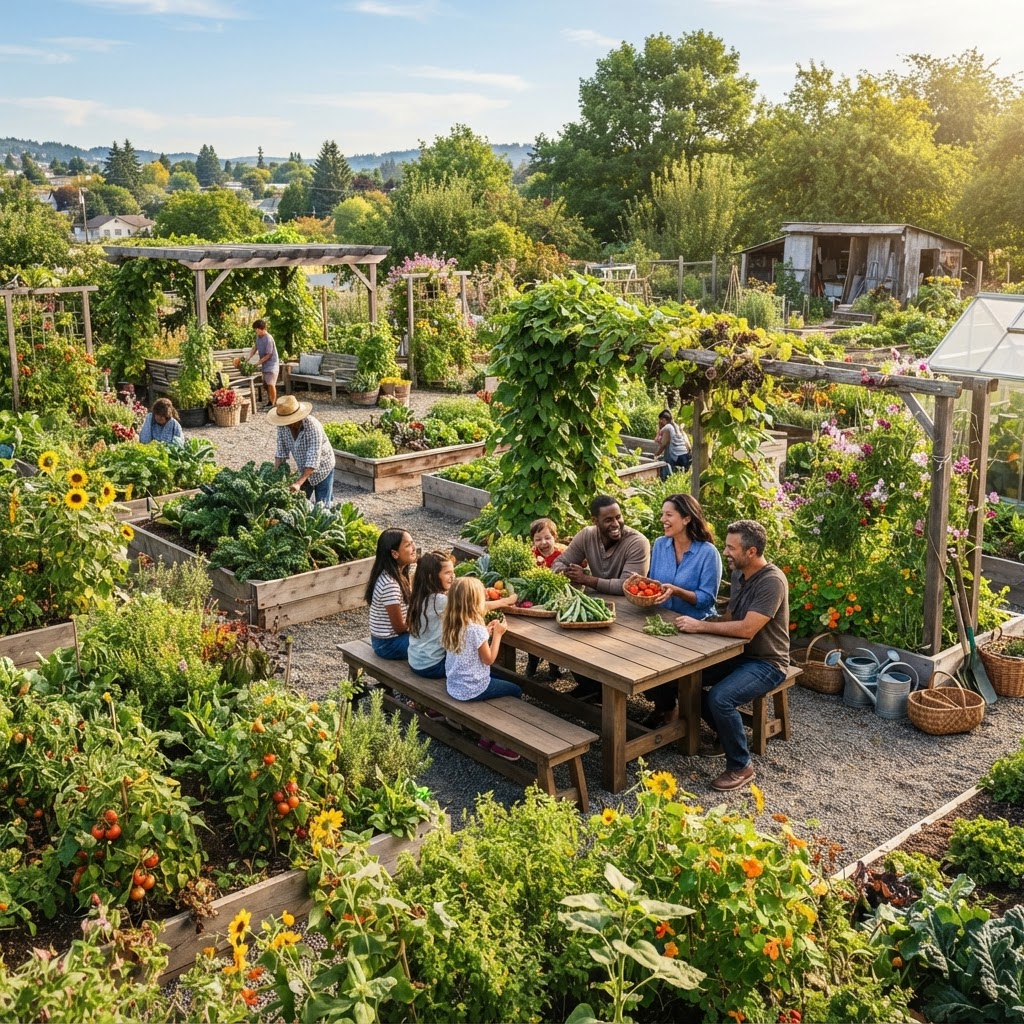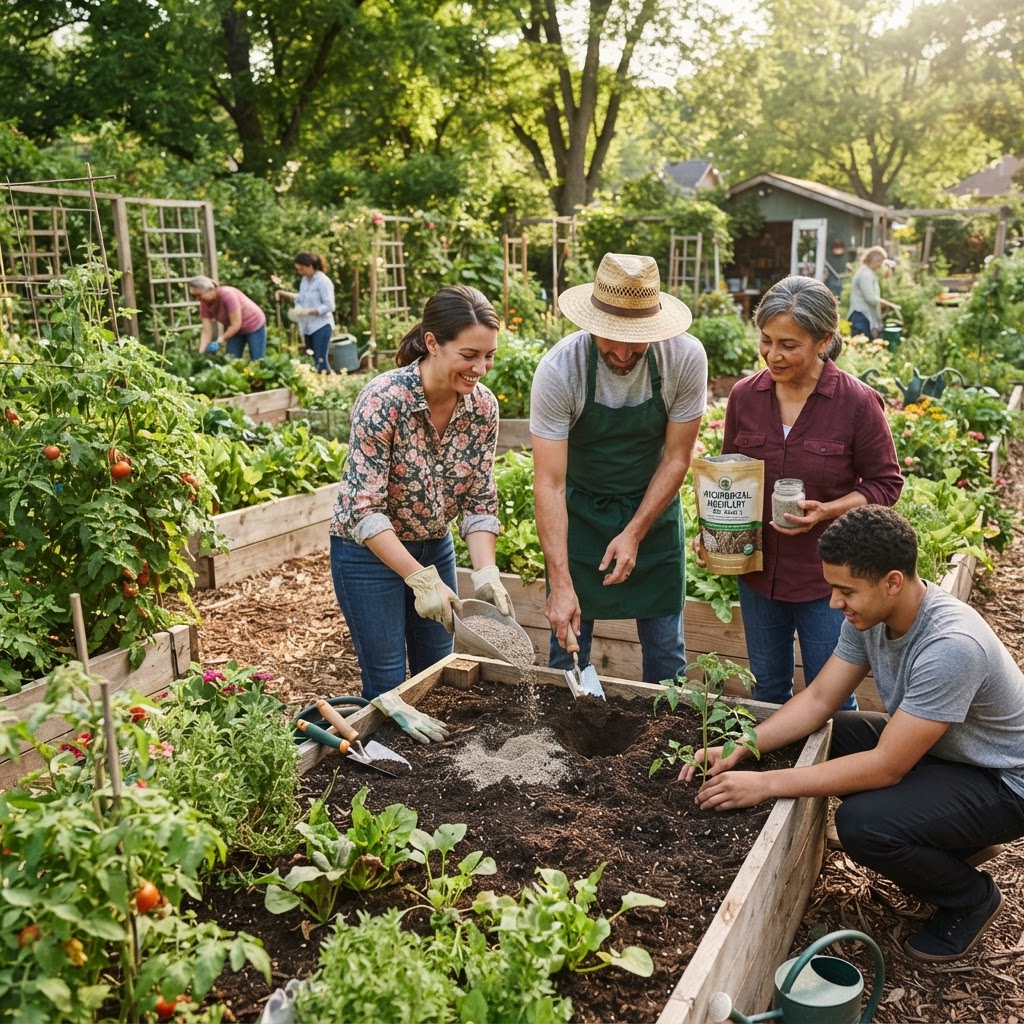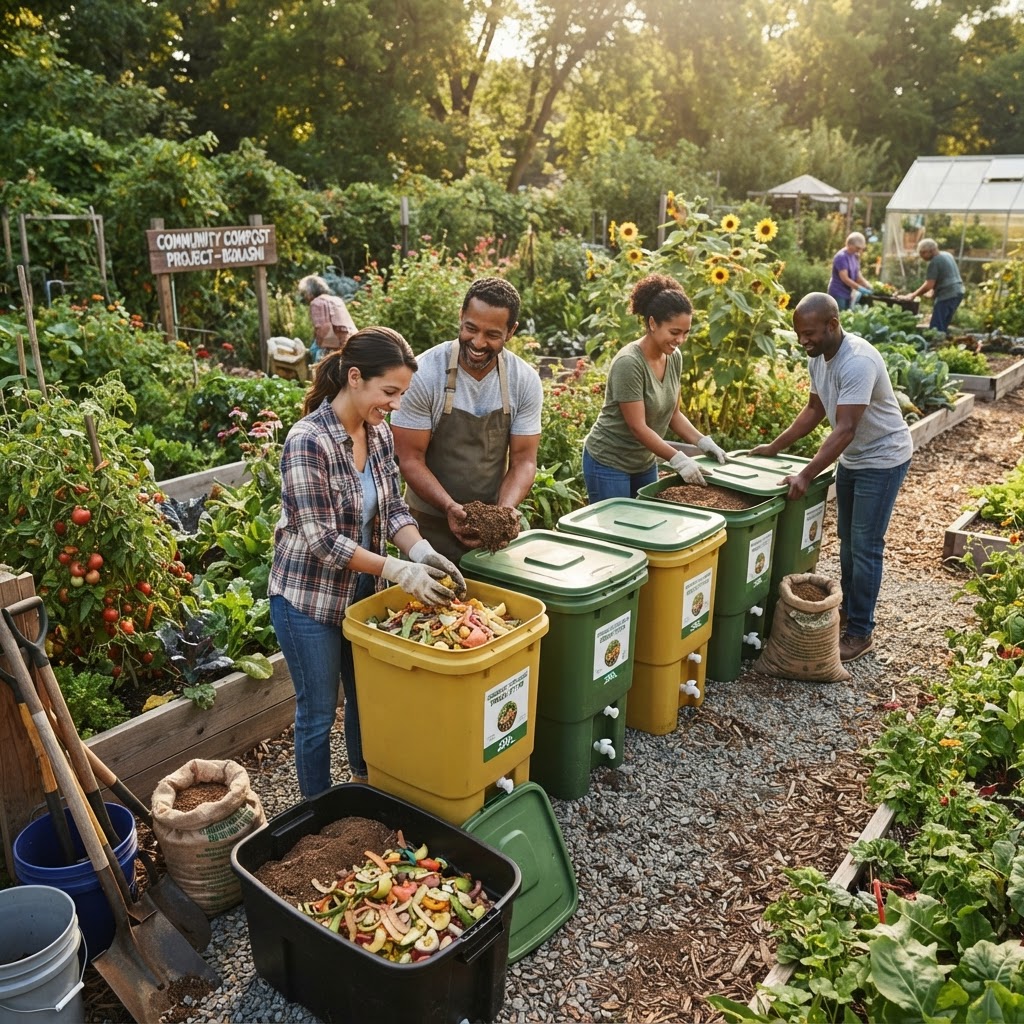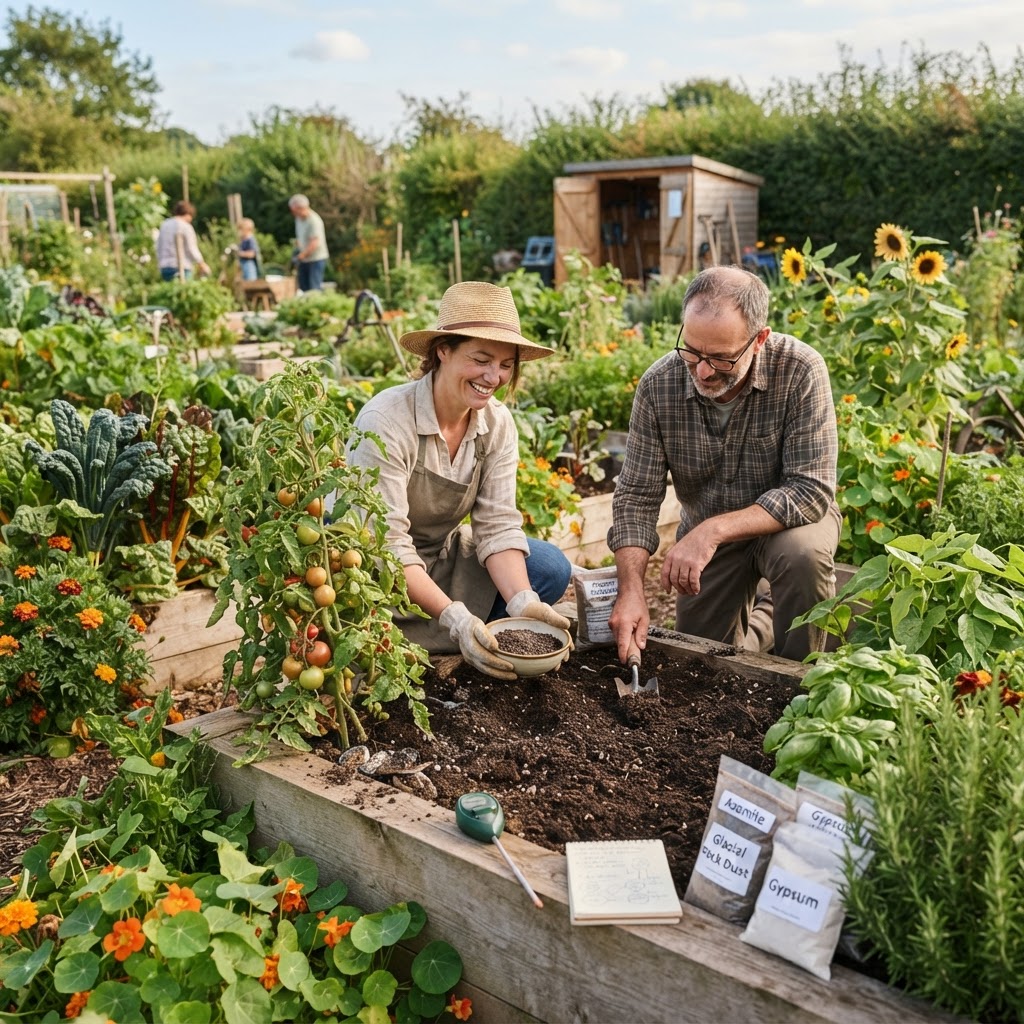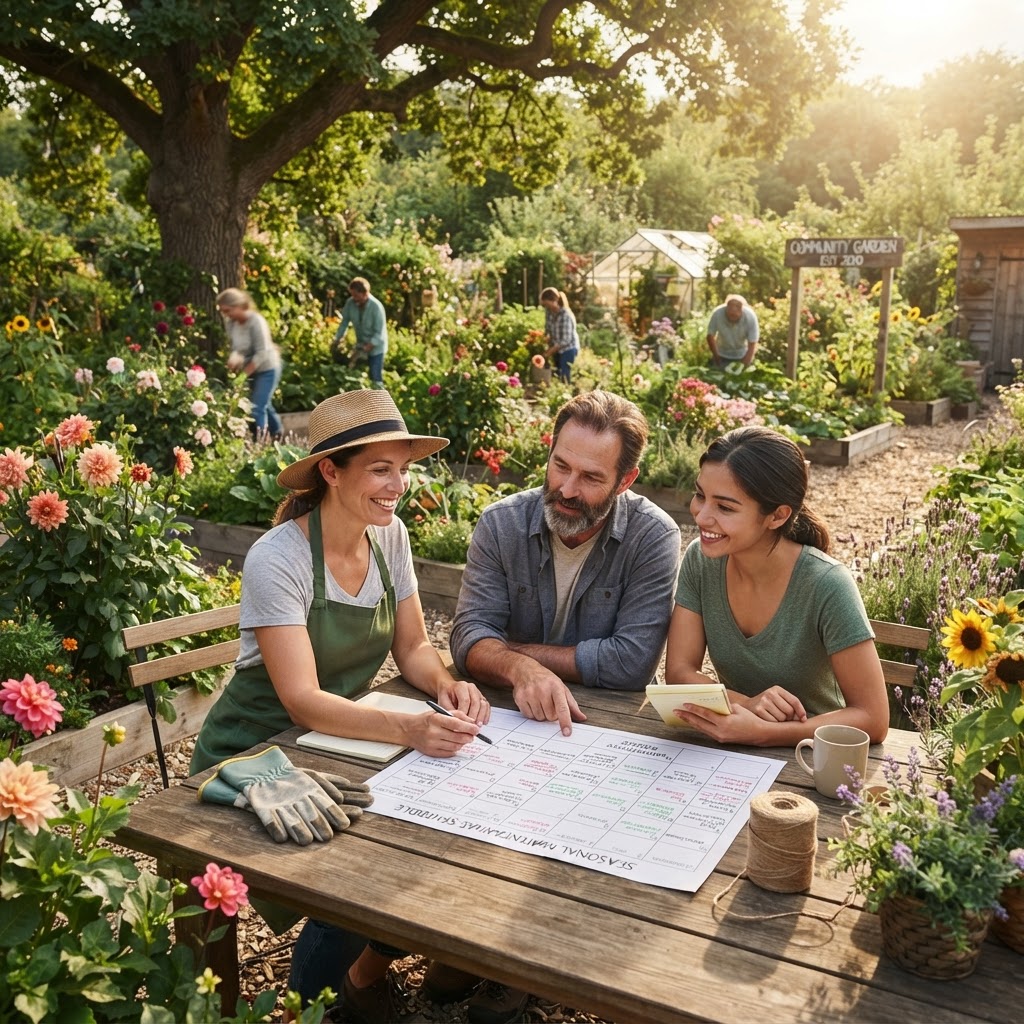
A well-maintained community garden is the heartbeat of any neighborhood. But keeping shared green spaces looking beautiful and productive year after year takes more than good intentions — it requires a thoughtful, long-term landscape maintenance schedule. Whether you're a new garden coordinator or an experienced volunteer looking to bring more structure to your community space, this guide will walk you through everything you need to know about planning and executing a sustainable maintenance routine.
Getting Started
Before you can create a meaningful maintenance schedule, you need to take stock of what you're working with. A community garden's common areas might include pathways, borders, communal planting beds, seating areas, compost stations, water features, lawns, and perennial gardens. Each of these zones has its own unique needs and rhythms throughout the year.
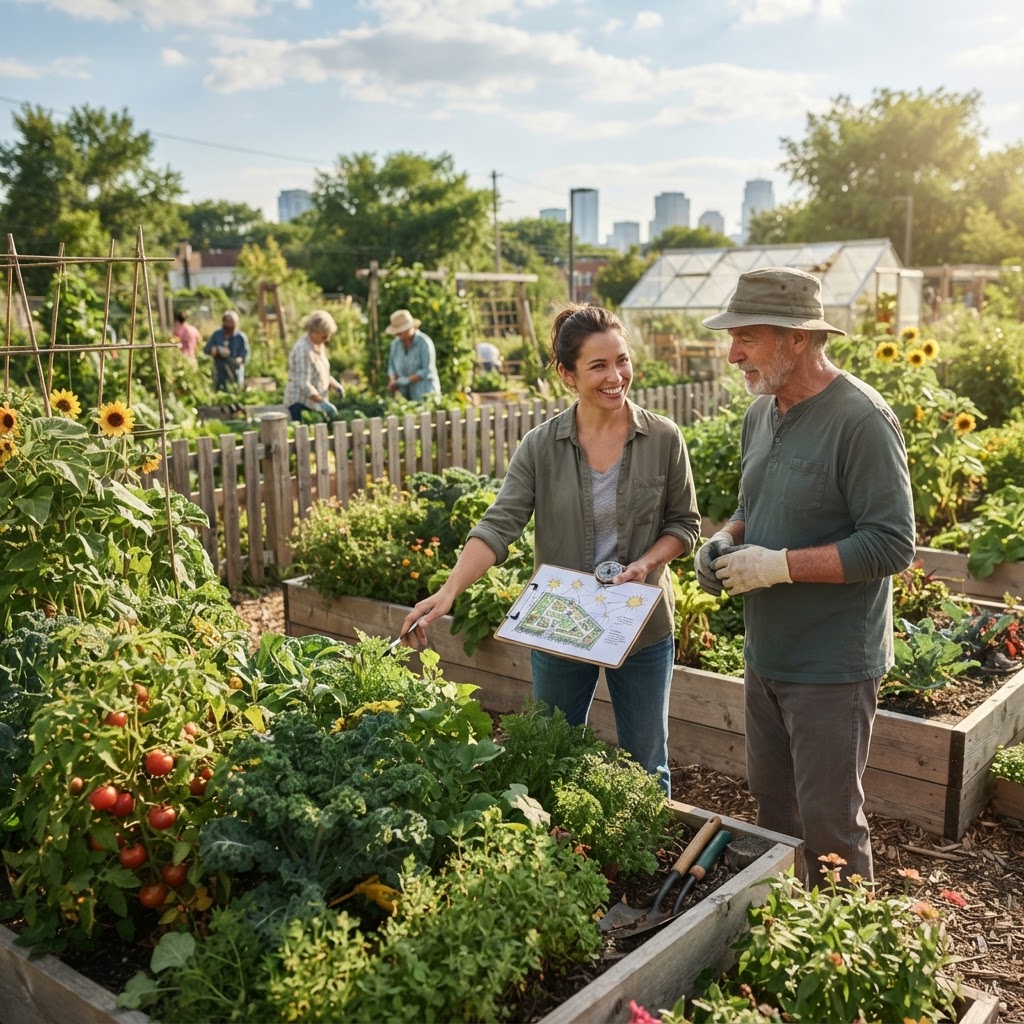
Start by walking through your entire garden space with a notebook or a simple site map. Make note of:
- What types of plants are present — annuals, perennials, shrubs, trees, or turf grass
- Existing infrastructure — irrigation systems, raised beds, fencing, sheds, and pathways
- Problem areas — spots prone to weeds, poor drainage, erosion, or heavy foot traffic
- Current maintenance gaps — tasks that aren't being done or are being done inconsistently
Once you have a clear picture of your space, you can begin building a schedule that's realistic, manageable, and tailored to your community's specific environment and climate.
Understanding Your Garden's Needs
Every garden is different, and a long-term maintenance plan must reflect the specific plants, climate, and community context of your space.
Assess Your Climate and Growing Zone
Knowing your hardiness zone and local frost dates is foundational to any garden planning. These factors determine when to plant, prune, fertilize, and prepare for winter. A community garden in a temperate coastal region will have a very different schedule from one in a hot, arid inland area.
Talk to local extension services or experienced gardeners in your area to understand the rhythms of your local growing season. This knowledge will help you avoid common timing errors, like pruning spring-blooming shrubs at the wrong time of year.
Identify Plant Communities and Zones
Group your garden into zones based on plant type and care needs. For example:
- Lawn or turf areas need regular mowing, edging, aerating, and fertilizing
- Perennial borders require seasonal cutback, division every few years, and mulching
- Annual beds need full replanting each season, plus soil amendment
- Trees and shrubs need periodic pruning, mulching, and monitoring for pests or disease
- Pathways and hardscape require weeding, leveling, and surface maintenance
Having these zones clearly mapped out makes it much easier to assign tasks to volunteers and create time-based checklists.
Understand the Garden's Usage Patterns
Community gardens are living social spaces. Think about when and how your members use the common areas. Heavy foot traffic periods, community events, or seasonal harvests will all influence when certain maintenance tasks need to happen. Scheduling a major bed renovation right before a community event, for example, would be poor timing.
Building Your Annual Maintenance Calendar
The core of your long-term schedule is an annual maintenance calendar — a living document that outlines recurring tasks across all twelve months. The goal is to spread the workload evenly throughout the year while ensuring every zone receives proper attention.
Start with Non-Negotiable Tasks
Some maintenance tasks have fixed windows that can't be shifted much without consequences. These include:
- Spring fertilizing — before new growth accelerates
- Fall bulb planting — must happen before ground freezes
- Winter pruning of dormant trees — typically late winter before bud break
- Annual bed preparation — soil amendment and replanting each season
Anchor these fixed tasks first on your calendar. Then fill in the flexible, recurring tasks around them.
Create Monthly Checklists
Breaking the annual plan into monthly checklists makes the workload digestible for volunteers. Each month's checklist should be specific enough to act on but not so detailed that it overwhelms. A typical format might look like:
Month: April
Zone: Perennial Border
Tasks: Remove winter mulch, divide overcrowded clumps, apply balanced fertilizer, edge borders, replenish pathway gravel
Monthly checklists also make it easy to onboard new volunteers who may not have much garden experience. Clear task lists reduce confusion and increase follow-through.
Plan for Multi-Year Tasks
Not everything needs to happen every year. Build in multi-year tasks so they don't fall through the cracks:
- Soil testing — every two to three years
- Perennial division — every three to five years for most species
- Tree assessment by an arborist — every few years, or after storm damage
- Infrastructure inspection — fencing, irrigation systems, and raised bed structures annually or biannually
- Major bed renovation — every five to seven years as plants mature and soil depletes
Keeping a simple running log of when these tasks were last completed helps you plan ahead and avoid letting long-term maintenance slide.
Seasonal Maintenance Breakdown
While your detailed calendar will be specific to your garden, here's a general seasonal framework to build from.
Spring
Spring is the season of renewal and your busiest planning period.
- Remove protective mulch and winter coverings gradually as temperatures stabilize
- Cut back ornamental grasses and perennials left standing over winter
- Edge all pathways and borders
- Apply a slow-release balanced fertilizer to beds and lawn areas
- Inspect irrigation lines and repair any winter damage
- Direct sow or transplant cool-season annuals
- Begin regular mowing once grass reaches mowing height
- Address any erosion or drainage issues before the wet season intensifies
Summer
Summer is about maintenance and monitoring.
- Water consistently, especially during dry spells
- Deadhead spent flowers to encourage continued blooming
- Weed regularly — staying ahead of weeds is far easier than catching up
- Monitor for pests and diseases, treating early before they spread
- Mow lawns regularly, adjusting height for heat stress
- Refresh mulch layers to retain moisture and suppress weeds
- Harvest and compost spent annuals as needed
Fall
Fall is your preparation season — setting the garden up for winter and next year's success.
- Plant spring-flowering bulbs
- Divide and transplant perennials
- Apply a thin layer of compost to beds to improve soil over winter
- Plant cool-season annuals for fall color
- Rake and compost fallen leaves, or use them as mulch in appropriate areas
- Drain and winterize irrigation systems before first frost
- Cut back perennials selectively — leave some seed heads for wildlife
- Aerate and overseed lawn areas as needed
Winter
Winter is for planning, resting, and light maintenance.
- Prune dormant trees and shrubs (late winter)
- Review the previous year's maintenance log and update your schedule
- Order seeds and supplies for the coming season
- Plan any major renovation projects
- Check on structures and hardscape after storms
- Attend to compost bins and turn regularly
Assigning Roles and Responsibilities
A schedule is only as effective as the people responsible for carrying it out. Community gardens thrive when responsibilities are clearly distributed and people feel ownership over their contributions.
Designate a Maintenance Coordinator
Having one person (or a small rotating team) who oversees the maintenance schedule keeps things from falling through the cracks. This person doesn't need to do everything — they just need to ensure tasks are assigned, completed, and logged.
Create a Volunteer Work Party System
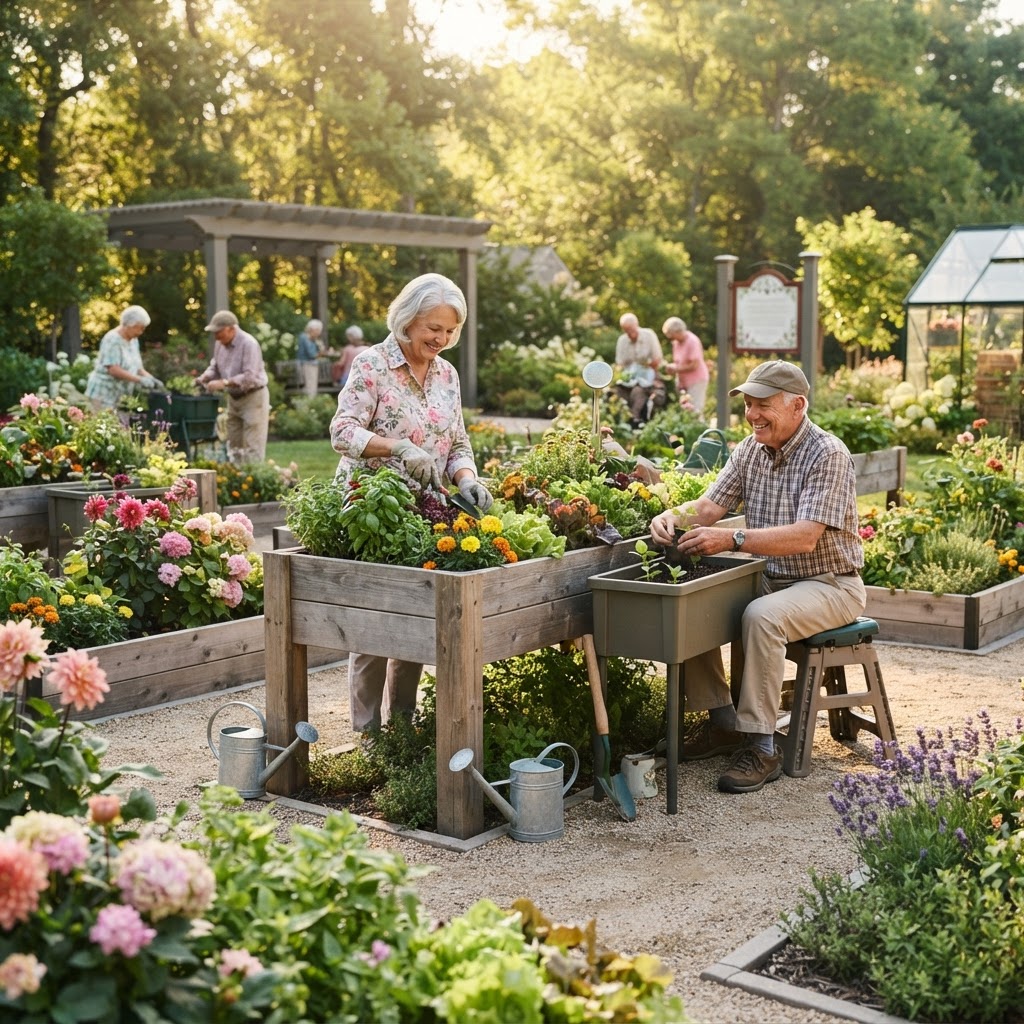
Regular scheduled work parties — whether weekly, bi-weekly, or monthly — create community, distribute labor, and keep momentum going. Make these events social and welcoming. Provide tools, clear task lists, and acknowledge the contributions of everyone who shows up.
Match Tasks to Skill Levels
Some maintenance tasks require experience (pruning trees, diagnosing plant diseases), while others are accessible to complete beginners (weeding, mulching, watering). Thoughtful task assignment helps volunteers feel confident and capable.
Tools, Supplies, and Budgeting
An effective maintenance program requires the right tools and a clear understanding of annual costs.
Essential Tools for Common Area Maintenance
- Lawn mower (push or ride-on depending on scale)
- String trimmer/edger
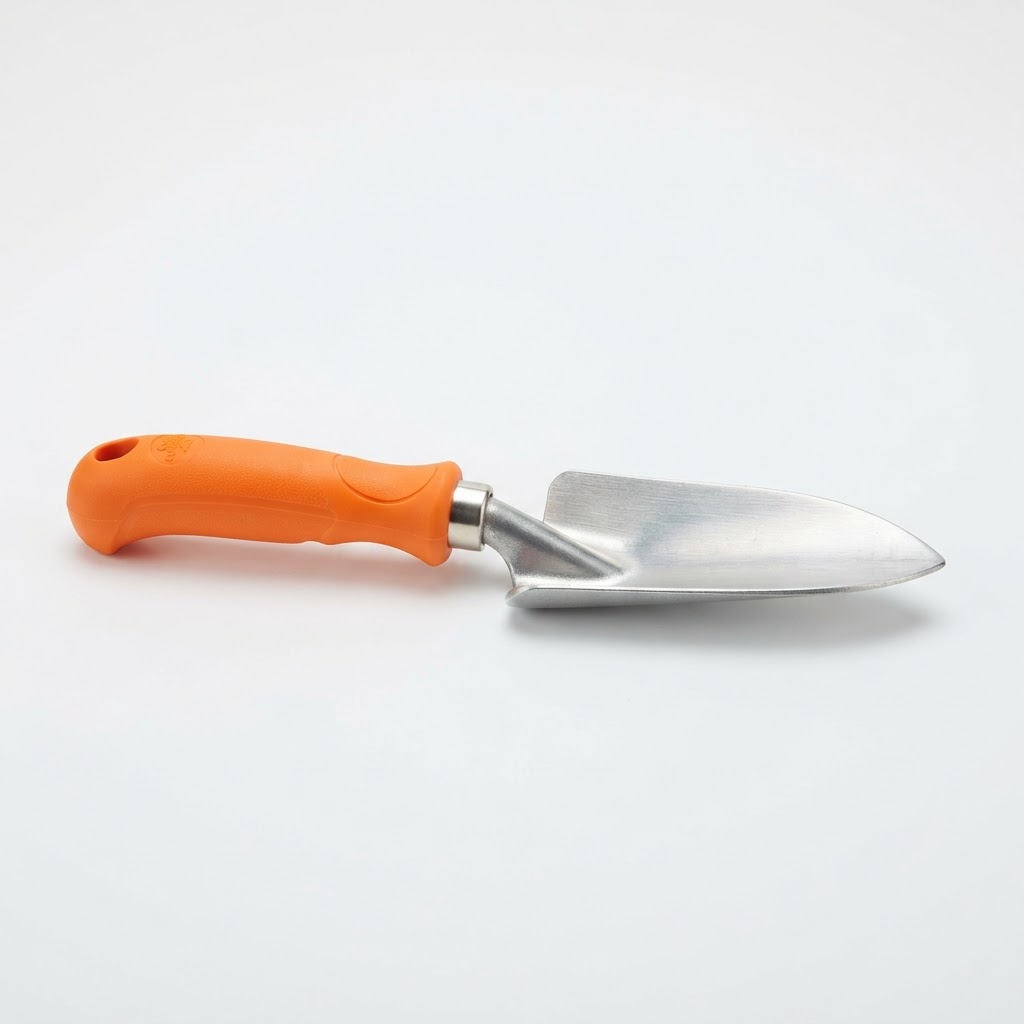
- Garden forks, spades, and trowels
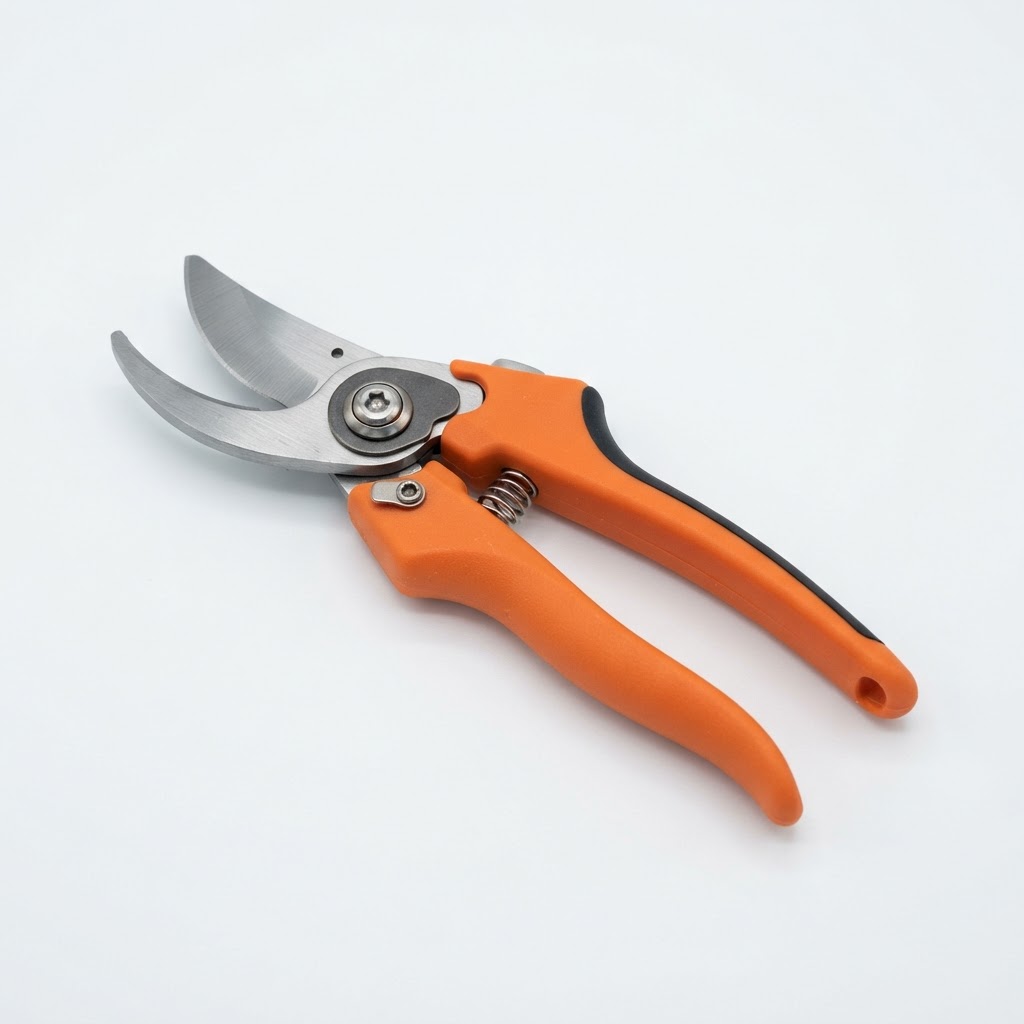
- Pruning shears, loppers, and a handsaw
- Wheelbarrows and garden carts
- Hoses, watering wands, and soaker hoses
- Leaf blower or rakes
Store shared tools in a designated, lockable shed. Create a simple tool checkout system to reduce loss and damage.
Annual Budget Considerations
Work with your garden committee to establish a realistic annual maintenance budget. Key line items include:
- Mulch, compost, and soil amendments
- Fertilizers and pest management supplies
- Annual plant replacements
- Tool maintenance and replacement
- Irrigation system upkeep
- Occasional professional services (arborist, pest specialist)
Common Mistakes to Avoid
Even well-intentioned garden groups fall into predictable traps. Here are the most common pitfalls and how to steer clear of them.
- Creating a schedule that's too ambitious. An overly detailed or demanding plan will burn out volunteers quickly. Start simple and add complexity over time as your team grows more capable.
- Ignoring soil health. Many groups focus on visible aesthetics while neglecting the soil beneath. Without regular composting and soil testing, garden productivity declines year after year.
- Pruning at the wrong time. Pruning spring-flowering shrubs like lilacs or forsythia in fall removes next year's flower buds. Always research the correct pruning window for each plant.
- Inconsistent watering. Irregular watering stresses plants and creates conditions for disease. Establish a reliable watering schedule, especially for newly planted areas.
- Letting weeds go to seed. One missed weeding session before weeds flower and set seed can multiply your future workload enormously. Stay ahead of this.
- Failing to document what was done. Without a maintenance log, it's impossible to track what worked, identify recurring problems, or plan effectively for future seasons.
- Not training new volunteers. Assuming volunteers know what to do — or how to do it correctly — leads to mistakes that create more work. Brief orientations and task demonstrations pay dividends.
Tips for Success
These practical strategies will help your maintenance schedule become a lasting, successful part of your community garden culture.
- Keep your schedule visible and accessible. Post it in the garden shed, share it digitally, and review it at community meetings. A plan nobody can see is a plan nobody follows.
- Review and revise annually. At the end of each season, gather feedback from volunteers and update the schedule based on what actually happened versus what was planned.
- Celebrate progress. Acknowledge the work your community puts in. Before-and-after photos, appreciation shout-outs, and seasonal celebrations build pride and commitment.
- Build relationships with local experts. A local master gardener, extension agent, or nursery professional can be an invaluable resource for problem-solving and guidance.
- Start small and scale up. If your community is new to structured maintenance, begin with the highest-priority tasks and expand the schedule as your team's capacity grows.
- Use a shared digital calendar or app. Tools like shared spreadsheets or garden management apps make it easy to assign tasks, track completion, and communicate with volunteers remotely.
- Plant for low maintenance where possible. Choosing native plants, drought-tolerant species, and well-adapted perennials reduces the ongoing workload and supports local ecosystems.
Conclusion
Developing a long-term landscape maintenance schedule for your community garden's common areas is one of the most valuable investments you can make in your shared green space. It transforms reactive, haphazard upkeep into intentional, proactive stewardship — ensuring your garden remains beautiful, productive, and welcoming for every member of your community.
The key is to start where you are. Assess your space honestly, build a realistic calendar, engage your community in the work, and commit to reviewing and improving your plan each year. Over time, your maintenance schedule won't just keep your garden looking good — it will build the organizational culture and shared knowledge that makes a community garden truly thrive.
Remember, the goal isn't perfection. It's progress, participation, and the kind of quiet satisfaction that comes from watching a well-loved garden grow season after season.