Getting Started
Before you sketch a single raised bed or pound a single stake into the ground, take time to understand what your community actually needs. This foundational step is what separates a garden that flourishes from one that slowly gets abandoned.
Assess Your Space
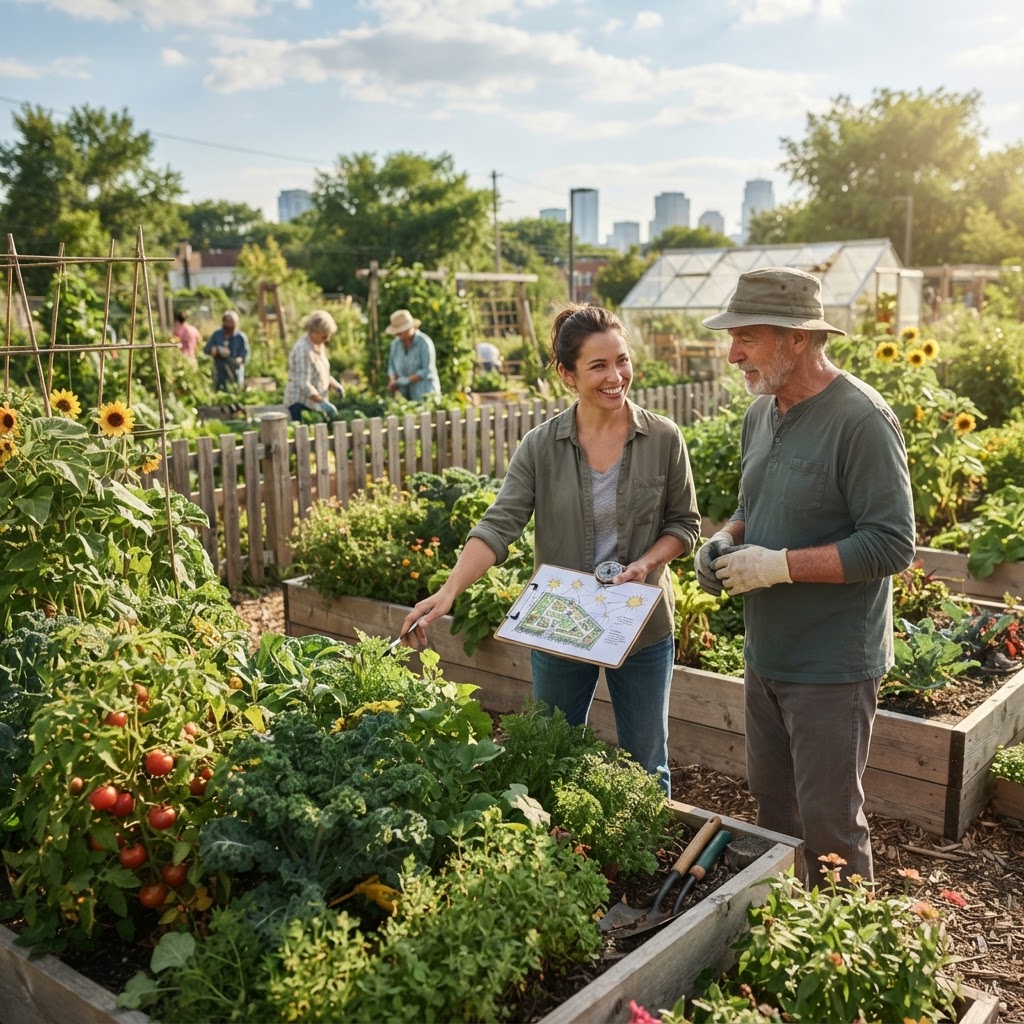
Start with a thorough site assessment. Walk the entire plot at different times of day and note:
- Sun exposure: Which areas receive full sun (six or more hours), partial shade, or deep shade? Productive growing zones need the most sunlight.
- Existing features: Are there trees, fences, slopes, or structures that will affect your design?
- Water access: Where are existing water sources? This will heavily influence where you place your main growing areas.
- Soil conditions: Is the ground level? Is there compaction or drainage issues?
Talk to Your Community
Host an informal gathering or send out a simple survey asking community members what they most want from the garden. Some people will prioritize growing food. Others will want a place to sit and chat. Families with children will want safe, engaging spaces. Understanding these priorities early allows you to design a space that genuinely serves everyone.
Sketch Before You Dig
Use graph paper or a free online tool to sketch rough layout ideas before any physical work begins. Even a rough drawing helps everyone visualize the space and sparks useful conversations about what matters most.
Understanding the Dual Purpose: People and Plants
A multi-functional garden layout accepts that the garden exists for two interconnected purposes: productive growing and human connection. These are not competing goals — they actually reinforce each other.
Gardens that feel welcoming and social attract more volunteers, which means more hands to maintain productive plots. Well-maintained productive areas, in turn, give people a reason to visit regularly, increasing the chances of spontaneous social interaction. The design challenge is creating a layout where both functions coexist and support each other rather than fighting for the same space.
Key Design Principles for Multi-Functional Gardens
Legibility and Ease of Navigation
A good community garden should be easy for any visitor to understand at a glance. Clear pathways, visible signage, and logical organization help newcomers feel welcome rather than confused. When people can navigate confidently, they engage more freely.
Flexibility Over Rigidity
Avoid designing a garden so fixed that it cannot evolve. Communities change. Interests shift. A garden designed with some flexible, multipurpose areas can adapt over time without requiring a complete redesign.
Accessibility for Everyone
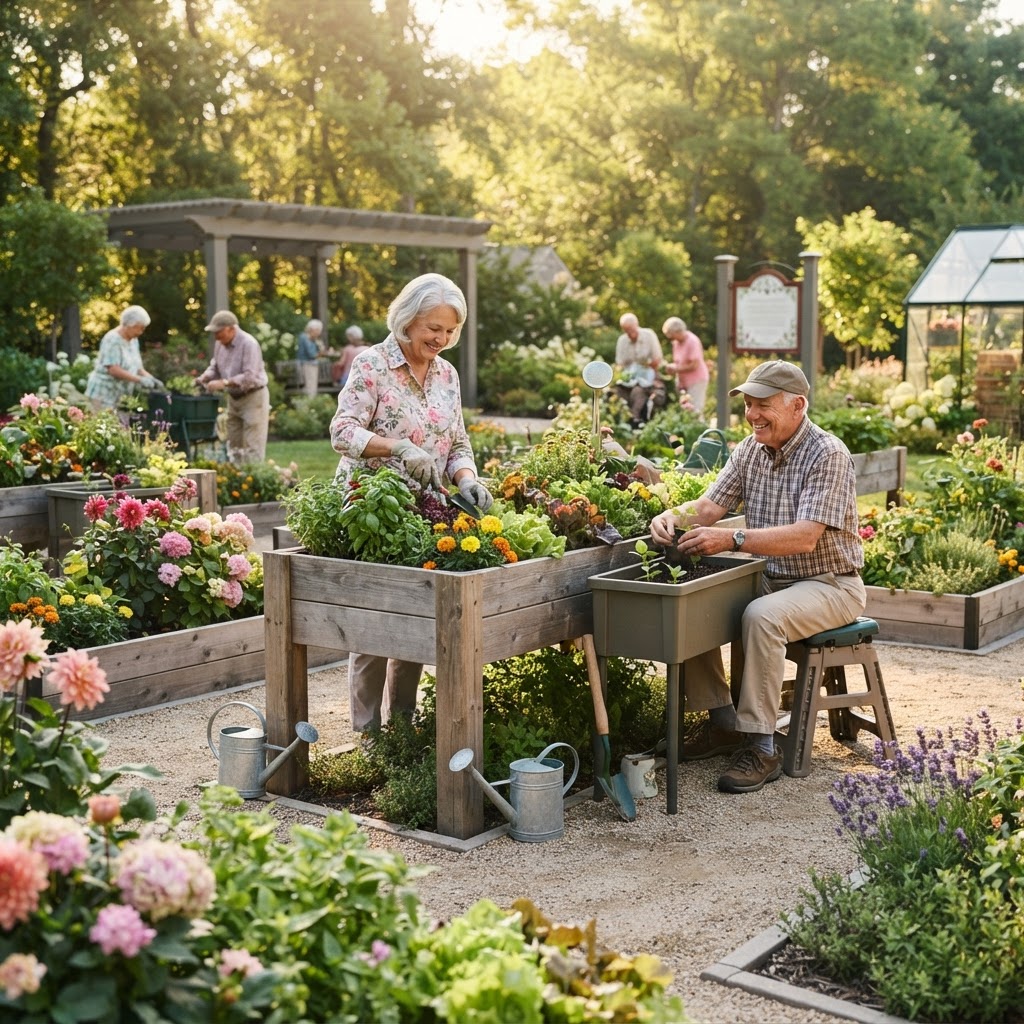
Ensure your design accommodates people of all mobility levels. Wide main pathways, raised beds at accessible heights, and seating areas that are easy to reach make the garden genuinely inclusive. This is not just a nice addition — it is essential for a true community space.
Balance Between Structure and Softness
Hard landscaping features like paths, seating areas, and tool storage provide structure. Planting softens these features and creates a sense of abundance and life. Aim for a balance where neither dominates completely.
Zoning Your Garden Space
Zoning is one of the most powerful tools in community garden design. It means deliberately assigning different areas of the garden to different functions, making the overall space more organized and efficient.
The Productive Zone
This is the heart of the garden where most of the growing happens. It should receive the best sunlight, have the most reliable water access, and be organized for practical use. Consider:
- Individual or family allotment plots in this zone
- Communal growing beds for shared harvests
- A dedicated area for high-maintenance crops like trellised beans or sprawling squash
The Social Zone
Every thriving community garden needs at least one area designed specifically for people to gather. This does not need to be large, but it should feel intentional and welcoming. Elements to include:
- Seating — benches, picnic tables, or simple log rounds
- Shade from a pergola, large tree, or shade sail
- Proximity to something visually interesting, like a pollinator garden or fruit trees
The Transition Zone
Between the social and productive zones, create a transition area with dual-purpose planting. Edible hedging (like berry bushes), herb spirals, and ornamental edibles like rainbow chard or borage can be both beautiful and productive, bridging the two main functions naturally.
The Learning Zone
If your garden serves families or schools, consider a designated learning zone. A small demonstration bed, a children's plot with easy-to-grow crops, or a compost education station can make the garden a place where skills are actively passed on.
Creating Social Hubs Within the Garden
One well-designed gathering space might not be enough for a larger community garden. Instead, think about creating several smaller social hubs distributed throughout the space.
The Welcome Area
The entrance sets the tone for the entire garden. A well-planted, clearly signed entrance with a simple noticeboard for announcements signals that this is an active, organized community. Even a simple archway with climbing plants creates a sense of arrival.
The Communal Table
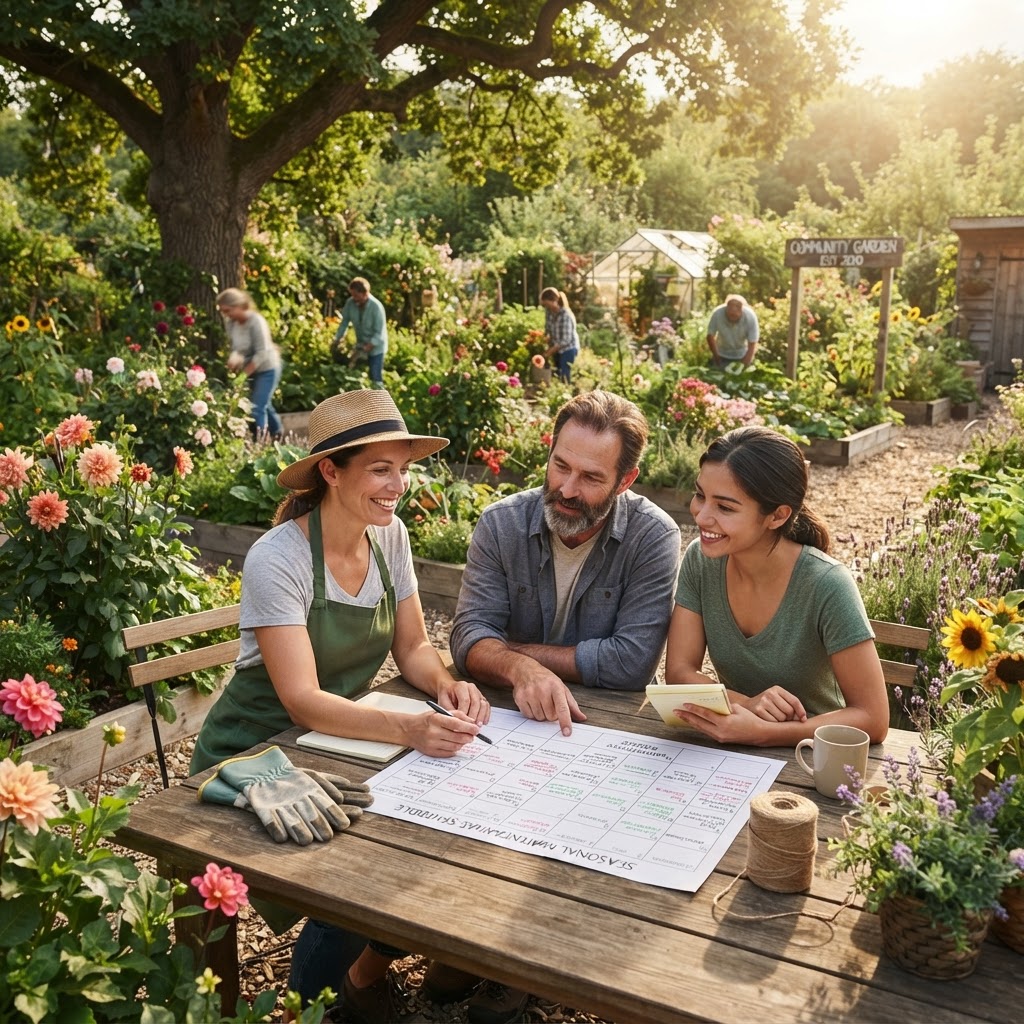
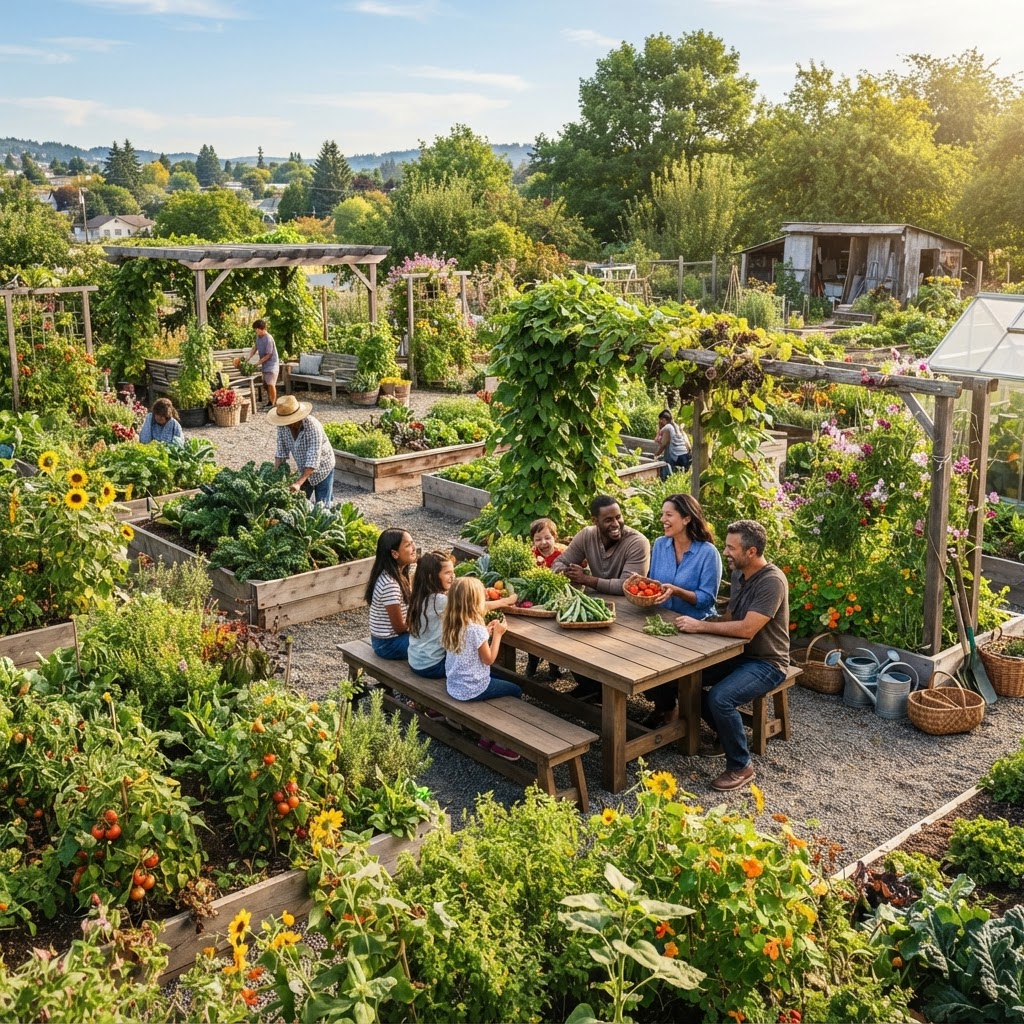
A central communal table or seating cluster serves as the informal heart of the garden. Place it where it has a good view of the productive areas so people can observe the garden while they chat. If possible, position it near a communal herb bed — the scent of lavender, rosemary, or mint makes any seating area feel more pleasant.
Smaller Breakout Spaces
Larger gatherings are wonderful, but sometimes people want a quieter spot. A small bench tucked beside a fruit tree, or a pair of chairs near the wildflower border, provides space for one-on-one conversations without leaving the garden entirely. These intimate spots are often where the best community relationships form.
Production Planning: Making Every Square Foot Count
A beautiful, social garden that produces very little can lose community interest quickly. Ensuring strong productivity requires deliberate planning alongside the social design work.
Companion Planting for Efficiency
Use companion planting to increase yields without increasing the footprint. Classic combinations like the Three Sisters (corn, beans, and squash) make excellent use of vertical and horizontal space. Interplanting fast-growing crops like radishes and lettuces alongside slower crops like brassicas means you harvest from the same bed multiple times throughout the season.
Vertical Growing
In community gardens where space is limited, vertical growing is essential. Trellises, obelisks, and wall-mounted planters allow climbing crops like peas, cucumbers, and beans to grow upward rather than outward. These structures also serve as attractive visual elements that add character to the garden.
Year-Round Production
Plan for all four seasons, not just summer. Overwintering crops like kale, leeks, and garlic mean the garden remains productive during colder months, which also keeps community members visiting and engaged throughout the year. Cold frames and low polytunnels can extend the season significantly.
Communal vs. Individual Plots
Decide early how you will divide productive space between communal growing (where everyone contributes and harvests) and individual plots (where community members have their own dedicated space). Many successful gardens use both: individual plots for personal growing, and communal beds for shared projects and community harvests.
Pathways, Seating, and Flow
The way people move through a garden is just as important as what grows in it. Poorly designed circulation can make a garden feel chaotic or difficult to use.
Main Pathways
Main pathways should be wide enough for two people to walk side by side — at minimum, one metre wide. This width naturally encourages conversation as people move through the garden. Use durable materials like compacted gravel, woodchip, or reclaimed brick that can handle regular foot traffic.
Secondary Pathways
Narrower pathways between beds can be simpler — packed earth, woodchip, or even stepping stones work well. These are utility paths for accessing plants, not social corridors.
Designing for Spontaneous Stops
Create moments throughout the garden where people might naturally pause. A particularly beautiful planting combination, a bird bath, a viewing platform, or a fruit tree in peak harvest all draw people to stop, look, and inevitably interact with whoever else is nearby.
Seasonal Considerations
A multi-functional garden layout should work in every season, not just peak summer.
In spring, focus on planting events and shared sowing days — these are natural social occasions. In summer, the garden is naturally busy; ensure your social spaces can accommodate the increased activity. Autumn is ideal for harvest festivals and preserving workshops. Even winter can involve social pruning days, planning meetings, and tool maintenance sessions.
When planting your social zones, include plants with year-round interest: evergreen structure, winter-flowering plants like hellebores, and ornamental grasses that look beautiful covered in frost.
Common Mistakes to Avoid
Prioritizing Aesthetics Over Practicality
A garden that looks stunning in a design sketch but has impractical pathways, insufficient water access, or shaded growing beds will frustrate everyone. Always test your design against practical use scenarios before committing.
Neglecting the Entrance
First impressions matter enormously. A neglected or confusing entrance will discourage casual visitors and make the garden feel unwelcoming. Invest time in the welcome area even if it means simplifying other parts of the design.
Designing for One Type of User
Avoid designing purely for enthusiastic, able-bodied adult gardeners. A community garden serves children, elderly members, beginners, and people with limited mobility. Designs that exclude any of these groups miss the true purpose of a community space.
Underestimating Maintenance Needs
Complex designs with many small features are harder to maintain. If your community garden has limited volunteer capacity, keep the design manageable. A simpler, well-maintained garden is far more successful than an ambitious but neglected one.
Forgetting Storage
Tool storage and compost areas are unglamorous but essential. Placing them as an afterthought often means they end up in inconvenient locations that disrupt the flow of the garden.
Tips for Success
- Involve the community from day one. Designs created with community input have stronger buy-in and are more likely to reflect genuine needs.
- Start simple and expand. It is better to begin with a smaller, well-designed space and grow over time than to overextend and struggle to maintain everything.
- Use edible ornamentals generously. Plants like borage, nasturtiums, kale, and rhubarb are both beautiful and productive — perfect for areas that bridge social and growing functions.
- Create a "wow" feature. Every great community garden has at least one memorable feature that draws people in — a magnificent fruit tree, a stunning mural, a living willow structure. Plan for yours early.
- Review and adapt each season. Hold a brief end-of-season review with community members to assess what is working and what needs adjustment. A garden layout should evolve with the community it serves.
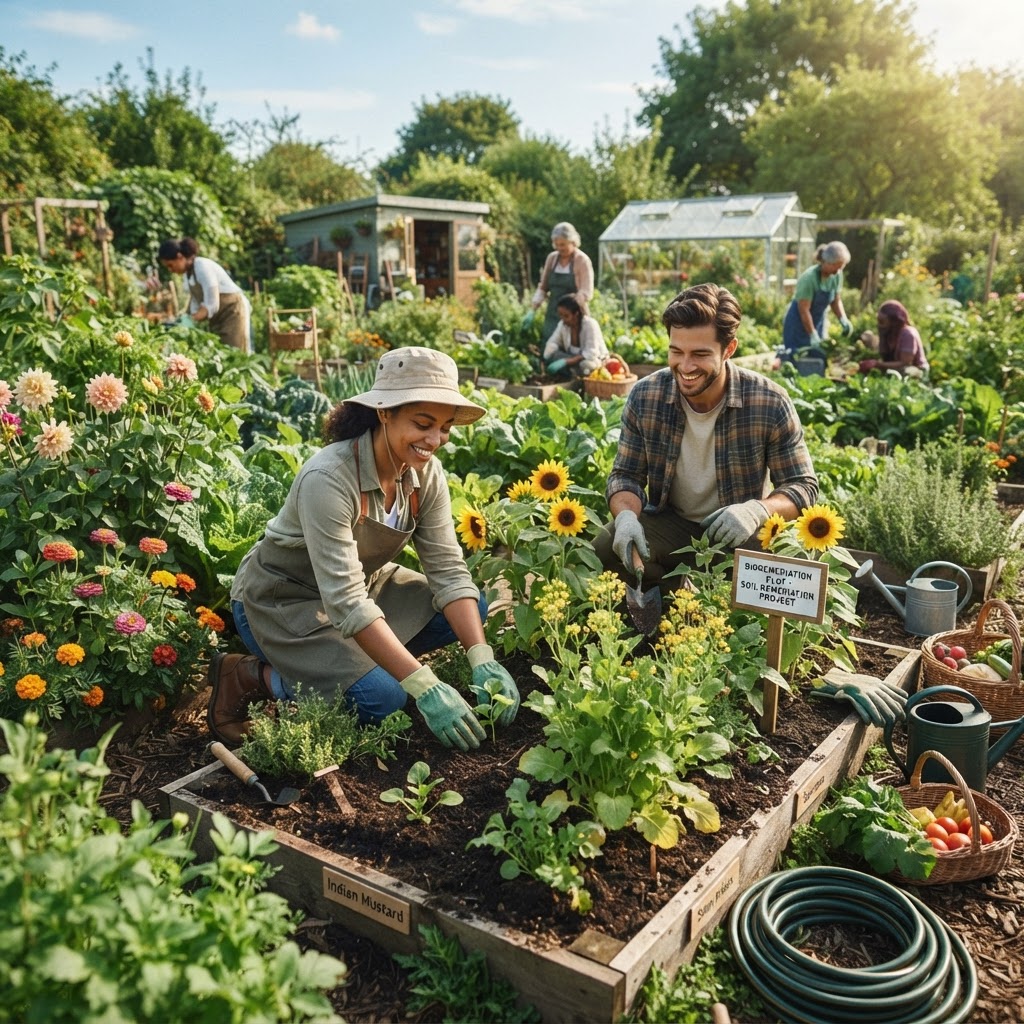
- Label generously. Labels on plants and clear signage throughout the garden help beginners engage confidently and spark conversations between gardeners of different experience levels.
Conclusion
Designing a multi-functional community garden is genuinely one of the most rewarding planning challenges in community growing. When you create a space that simultaneously nourishes people with fresh produce, invites conversation, accommodates diverse users, and adapts across the seasons, you are building something far more valuable than a collection of vegetable beds.
The best community garden layouts are not born from a single brilliant design — they evolve through observation, conversation, and a willingness to try things and adjust. Start with a strong foundation: assess your site honestly, listen to your community, zone your space thoughtfully, and build in flexibility for the future.
Whether your garden is a small urban plot or a large suburban site, the principles here will help you design a space where people and plants genuinely thrive together. The seeds you plant in the ground matter, but so do the connections you nurture among the people who tend them.