Getting Started
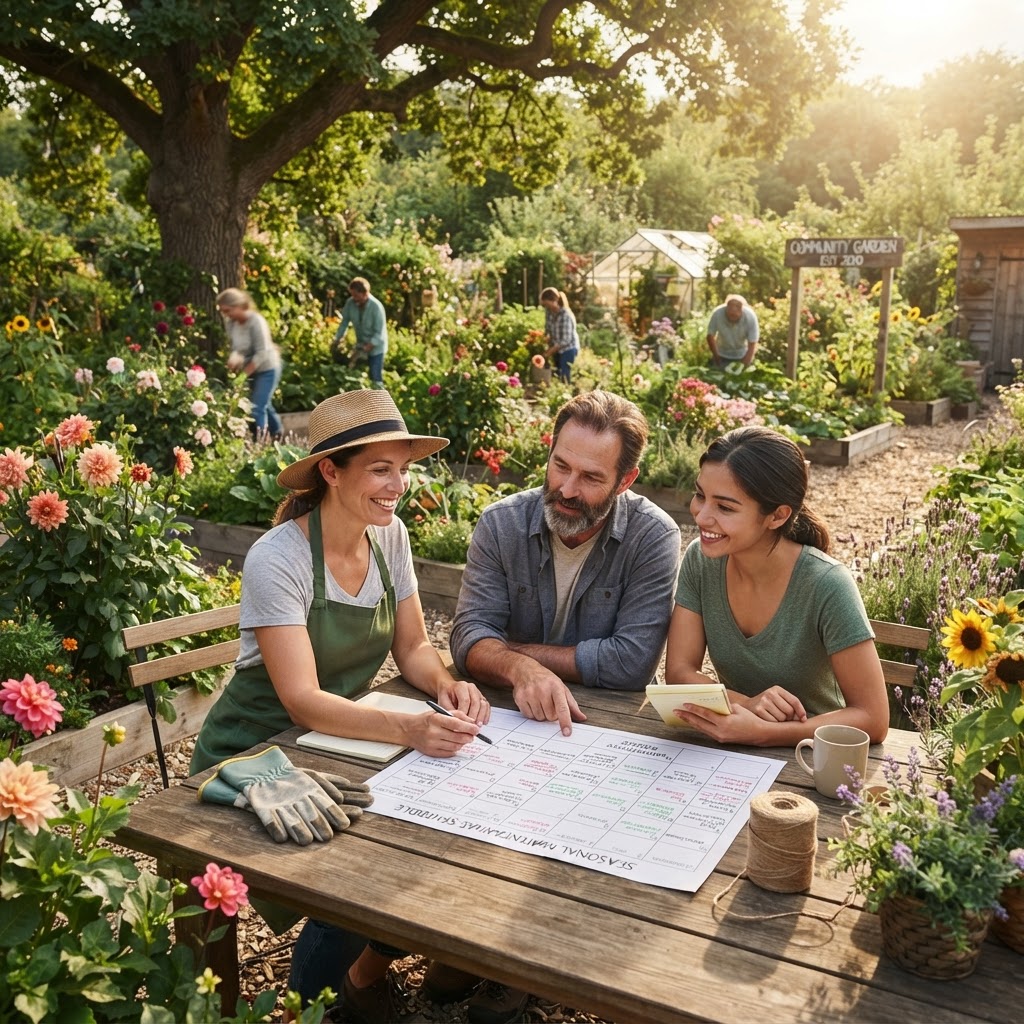
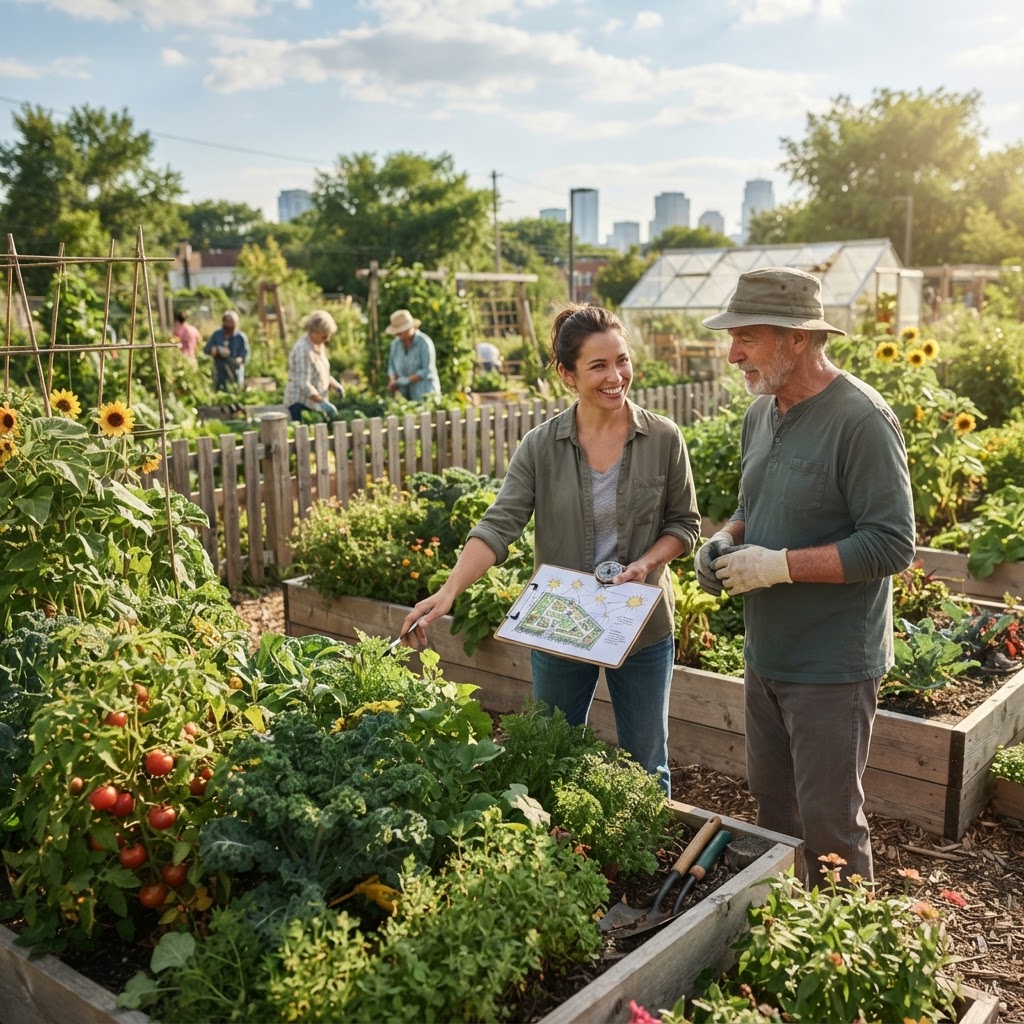
Before breaking ground on any modifications or new garden designs, the most important first step is to involve your senior gardeners directly in the planning process. This sounds simple, but it's frequently overlooked. Hold a casual planning meeting, send out a short survey, or simply spend time talking with older members about what challenges they currently face in the garden.
Some seniors may be experiencing early-stage arthritis, while others may use walkers or wheelchairs. Some may have vision impairments, and others may simply find bending and kneeling increasingly difficult. There is no single senior experience, which is why listening comes first.
Once you have gathered input, assess your existing garden layout with fresh eyes. Walk through the space and ask yourself:
- Can someone using a walker or wheelchair navigate comfortably?
- Are the garden beds accessible without bending at the waist?
- Is there adequate shade and seating for rest breaks?
- Are paths wide enough and stable underfoot?
- Are tools stored accessibly and are they ergonomic?
From this assessment, you can prioritize changes based on your community's specific needs and your available budget. Not every improvement requires a major overhaul. Many effective changes are low-cost and can be implemented gradually over one or two growing seasons.
Understanding the Unique Needs of Senior Gardeners
Aging brings a range of physical changes that affect how people interact with garden spaces. Understanding these changes helps you design with real people in mind rather than abstract concepts.
Joint and Muscle Considerations: Many seniors experience arthritis, reduced muscle strength, and joint stiffness. Repetitive movements like gripping, twisting, and digging can cause pain or injury. Garden design should minimize these movements or offer alternatives.
Balance and Fall Risk: Falls are a serious concern for older adults. Uneven terrain, slippery surfaces, and sudden changes in ground level all increase fall risk. Stable, predictable pathways and strategically placed handrails or supports can dramatically reduce this risk.
Reduced Range of Motion: Bending at the waist or reaching overhead becomes increasingly difficult and uncomfortable with age. Design elements that bring the garden to the gardener — rather than requiring the gardener to contort themselves — are central to good senior-friendly design.
Fatigue and Heat Sensitivity: Seniors may tire more quickly and are often more susceptible to heat-related illness. Shaded rest areas, accessible water stations, and manageable plot sizes help seniors garden safely for longer.
Vision Changes: Reduced contrast sensitivity and depth perception can make it harder to navigate a garden, especially in low light. High-contrast path edging, clear signage, and well-lit communal areas make a meaningful difference.
Key Design Principles for Accessible Garden Spaces
Good accessible design follows a few core principles that should guide every decision you make.
Universal Design
The concept of universal design holds that spaces should work for as many people as possible, across the widest range of abilities, without the need for special adaptations. In garden terms, this means designing raised beds that anyone can use, paths that anyone can walk, and seating that anyone can rest on — rather than creating a separate "accessible section" that can feel isolating.
Flexibility and Adaptability
People's needs change over time. A gardener who is fully mobile today may need a wheelchair in three years. Build flexibility into your design so that spaces can be adapted without major reconstruction. Modular raised beds, adjustable-height work surfaces, and wide paths all contribute to long-term adaptability.
Minimizing Strain
Every design choice should ask: does this reduce physical strain? From the height of a raised bed to the slope of a path to the placement of a water spigot, thinking about strain reduction helps you make better decisions consistently.
Raised Beds and Container Gardening Solutions
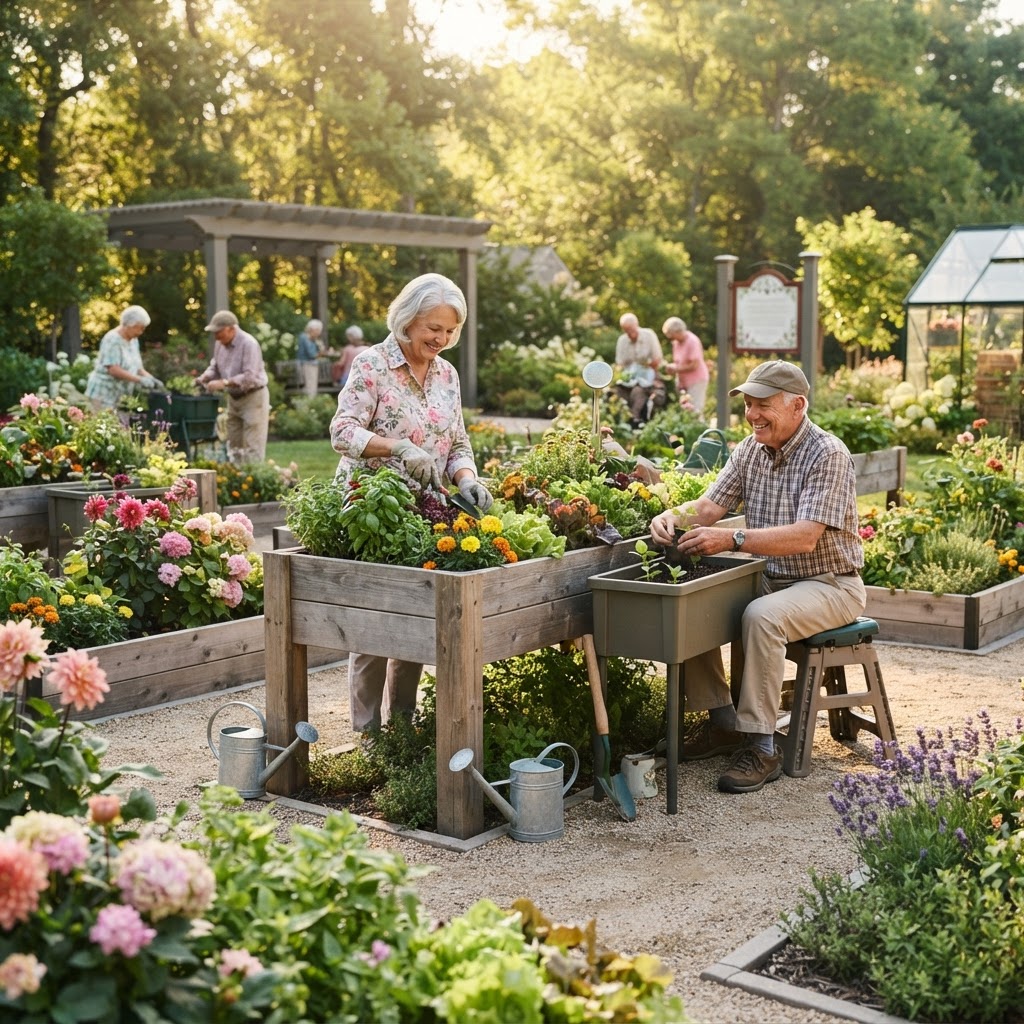
Raised beds are arguably the single most impactful design element for senior accessibility. They bring the soil up to a comfortable working height, eliminating the need to kneel or bend deeply.
Optimal Height and Width
For gardeners who work while standing, a raised bed height of around 24 to 30 inches is generally comfortable. For gardeners who work from a seated position or wheelchair, a height of 24 to 28 inches with clearance underneath for knee and footrest space is ideal. The key measurement for width is reach: most people can comfortably reach about 24 inches from the side of a bed. A bed that can be accessed from both sides should be no wider than 48 inches, and ideally closer to 36 to 40 inches for seniors with limited reach.
Materials and Surfaces
The top edges of raised beds can double as seating or resting surfaces. Consider building wide, smooth top rails — around 4 to 6 inches wide — from smooth-finished lumber or composite decking material. This gives gardeners a place to rest their arms, set down tools, or even sit while working. Avoid rough or splintered surfaces that could cause injury.
Container Gardening
For seniors with very limited mobility or those who garden from a seated position, containers on sturdy tables or stands can complement or replace traditional raised beds. Deep containers can grow a surprising variety of crops, and their portability means they can be moved into shade during hot days. Ensure any container stand is stable and cannot tip easily.
Pathways, Surfaces, and Navigation
Pathways are the circulatory system of your garden. Poor pathways can make even the most thoughtfully designed planting areas inaccessible.
Width Requirements
A path that accommodates a standard wheelchair needs to be at least 36 inches wide. For two people to pass each other, or for a walker with wheels, aim for 48 inches or more on main thoroughfares. Narrower paths can exist within individual plot areas but should be avoided on shared access routes.
Surface Materials
The ideal path surface for senior gardeners is firm, stable, slip-resistant, and easy to maintain. Compacted decomposed granite, firm gravel with a stabilizer binder, poured concrete, and smooth pavers are all reasonable options. Loose gravel, woodchip mulch, and grass paths — while attractive — can be unstable underfoot and difficult to navigate with mobility aids. If your existing paths use loose materials, consider installing stabilized gravel or pavers along the most frequently used routes first.
Slope and Grade
Paths should be as level as possible. Any slope greater than about 5 percent (a rise of 5 inches over 100 horizontal inches) becomes challenging for wheelchair users and people with limited strength. Where slopes are unavoidable, install handrails and keep the surface especially firm and non-slip.
Rest Stops and Waypoints
Long paths should have seating available at regular intervals — ideally every 50 to 60 feet on larger gardens. Benches with armrests and back support make it easier for seniors to sit down and, crucially, stand back up again. Seating without back support or armrests is far less useful for older adults.
Tools, Seating, and Ergonomic Equipment
The right tools can transform the gardening experience for seniors. Standard gardening tools are often designed without older adults in mind, but the ergonomic tool market has expanded significantly.
Ergonomic Hand Tools
Look for tools with:
- Padded, cushioned grips that reduce pressure on joints
- Angled or bent handles that allow a neutral wrist position
- Lightweight construction using aluminum or composite materials
- Extended handles that reduce bending
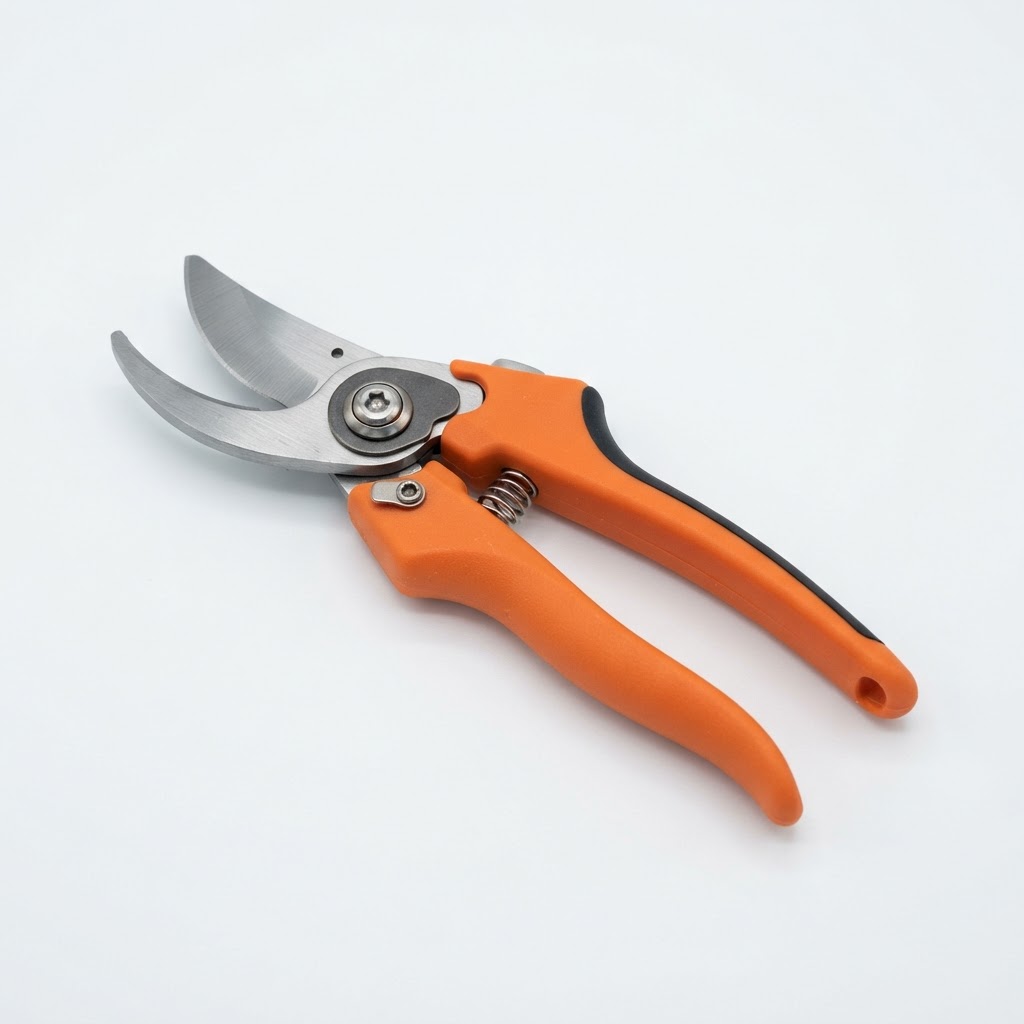
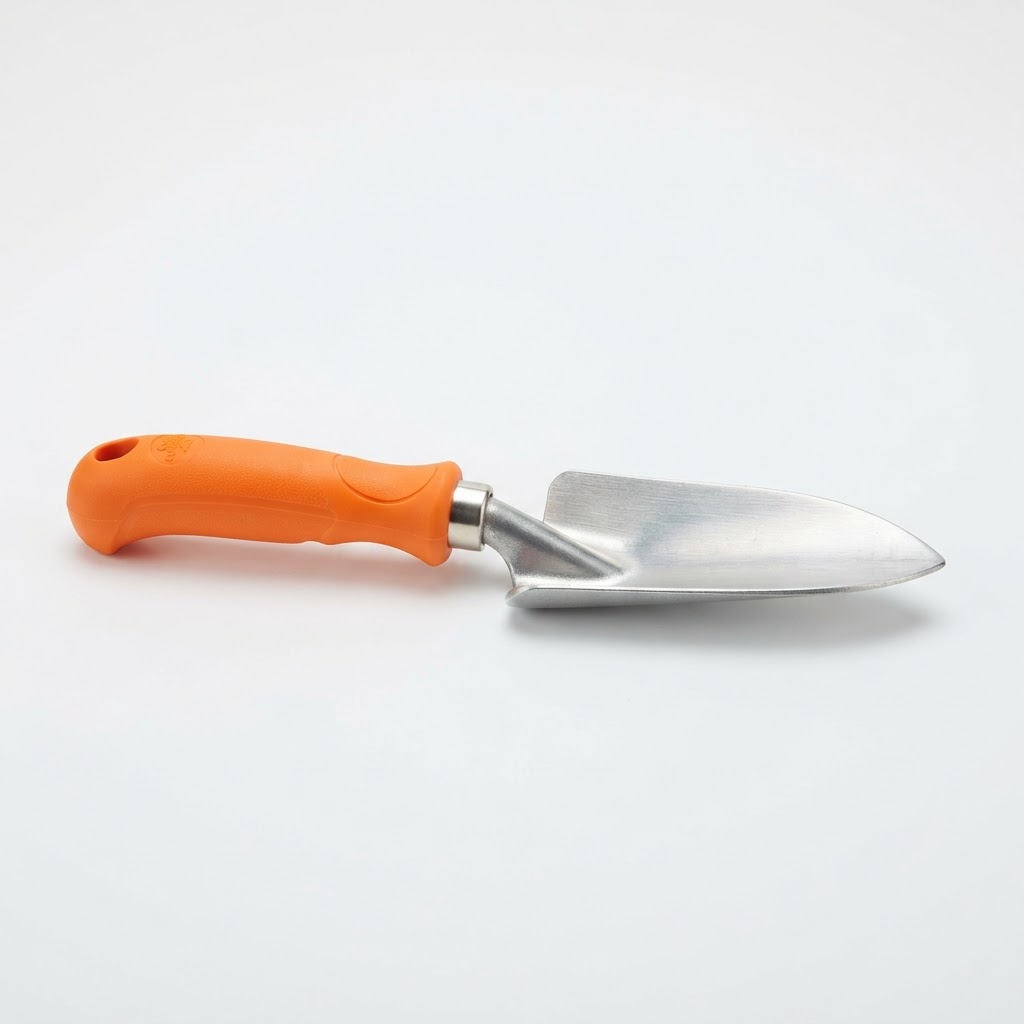
Trowels, hand forks, and pruners are all available in ergonomic versions. A community garden might consider maintaining a shared set of ergonomic tools in a central tool library that members can borrow.
Long-Handled Tools
For standard-height beds or ground-level planting, long-handled tools reduce bending significantly. Telescoping handles that can be adjusted for height are especially versatile and worth the investment for a shared tool collection.
Garden Kneelers and Seating
For gardeners who do work at ground level, a padded kneeler with side handles allows people to kneel comfortably and — crucially — use the handles to push themselves back to standing. Many models also flip over to serve as a low seat. These are inexpensive and extremely useful.
Social and Psychological Considerations
The benefits of community gardening for seniors extend well beyond physical health. Designing for social connection is just as important as designing for physical accessibility.
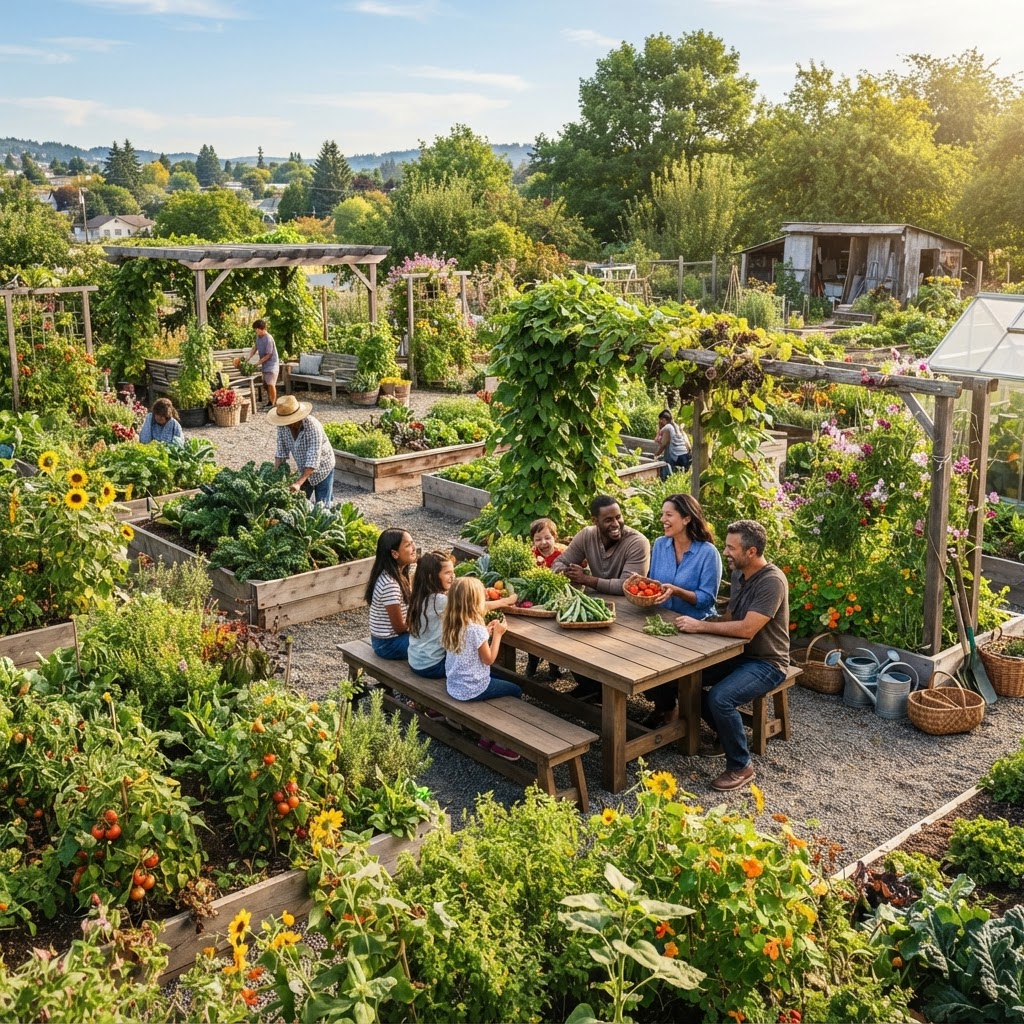
Ensure that communal seating areas are located near, not far from, active planting areas. When seniors who need frequent rest breaks are separated from the action, they can feel excluded. Seating clustered near plot areas allows older gardeners to rest and still feel part of the community.
Consider the size of individual plots. Very large plots can feel overwhelming and exhausting. Offering smaller plot options — or allowing shared plots between two gardeners — lets seniors participate at a pace that suits their energy levels without feeling they are failing to keep up.
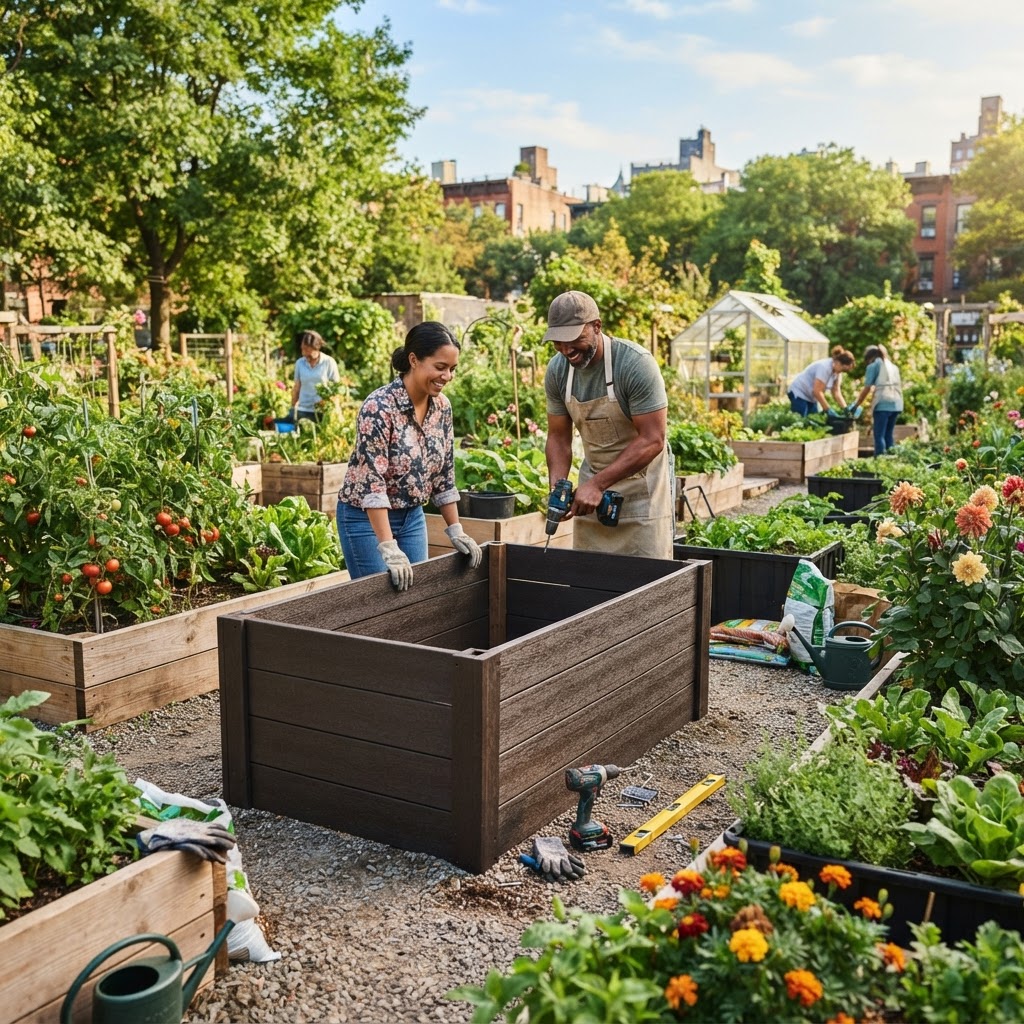
Buddy systems and intergenerational partnerships between senior and younger gardeners can be mutually enriching. Younger gardeners offer physical help with heavier tasks; senior gardeners offer experience, knowledge, and mentorship. Facilitating these relationships through garden programming adds significant value to your community.
Common Mistakes to Avoid
Even well-intentioned garden designers frequently make avoidable errors when adapting spaces for senior gardeners. Here are the most important pitfalls to watch for.
Designing without consulting seniors: Assumptions about what older gardeners need often miss the mark. Always involve your senior members in planning decisions.
Making the accessible section separate: Segregated accessible areas can feel stigmatizing. Integrate accessible design throughout the garden so that seniors participate fully alongside all other members.
Ignoring path maintenance: A beautiful firm path that becomes overgrown, heaved by roots, or rutted by rain becomes dangerous. Build a maintenance schedule into your garden management plan.
Underestimating shade needs: Seniors are more vulnerable to heat illness. Gardens that offer little shade during peak summer hours are genuinely inaccessible to many older adults regardless of how well-designed the beds and paths are.
Choosing raised bed heights based on aesthetics alone: A raised bed that looks attractive at 12 inches high provides little ergonomic benefit. Height matters enormously — prioritize function over form.
Neglecting lighting: If any garden activities take place in early morning or evening hours, poor lighting increases fall risk significantly for gardeners with reduced vision.
Tips for Success
- Start with high-traffic improvements first. Improve the main entrance path and most-used communal areas before tackling individual plots.
- Invest in a shared ergonomic tool library. Not every gardener can afford ergonomic tools; a shared collection ensures everyone benefits.
- Label and signage everything clearly. Large-print, high-contrast signs help gardeners with vision impairments navigate and identify plants.
- Install water access at multiple points. Reducing the distance anyone needs to carry water reduces fatigue and strain across all ages.
- Plan for shade proactively. Pergolas, shade sails, and strategically planted trees or trellised crops can create valuable shaded rest areas.
- Review your design annually. Your community's needs will evolve. Set a regular date each year to walk through the garden with senior members and identify new challenges.
- Apply for accessibility grants. Many local government programs and gardening organizations offer funding specifically for accessible garden improvements. Research options in your area.
Conclusion
Designing a community garden that genuinely welcomes and supports senior members is both a practical and ethical undertaking. It requires listening carefully, thinking creatively, and being willing to challenge the default layouts and tools that gardens have traditionally relied on. But the rewards are significant: a more inclusive garden is a more vibrant garden, richer in experience, community, and shared knowledge.
The good news is that you don't need a bottomless budget or a professional landscape architect to make meaningful improvements. Many of the most effective changes — wider paths, taller raised beds, ergonomic tools, shaded seating — are achievable for most community garden budgets with thoughtful planning. Start where you are, involve your senior gardeners at every step, and build toward a space that grows alongside your community for years to come.