Powdery mildew is one of the most recognizable and frustrating diseases that community gardeners face when growing squash. If you've ever noticed a chalky white coating spreading across your zucchini or butternut squash leaves, you've already met this persistent fungal foe. The good news is that you don't need harsh synthetic chemicals to fight back. With the right organic strategies, you can manage powdery mildew effectively, protect your harvest, and keep your community garden plot healthy and productive.
This guide is designed to walk you through everything you need to know — from identifying the disease early to applying proven organic treatments and making smart gardening choices that prevent the problem from returning season after season.
What Is Powdery Mildew?
Powdery mildew is a fungal disease caused by several species of fungi in the order Erysiphales. On squash plants, the most common culprits are Podosphaera xanthii and Erysiphe cichoracearum. Unlike many other fungal diseases that thrive in wet conditions, powdery mildew actually prefers warm, dry days combined with cool, humid nights — making it a common problem in late summer and early fall when those conditions are typical.
The disease spreads through airborne spores that can travel considerable distances on the wind. Once a spore lands on a susceptible leaf surface, it doesn't need free moisture to germinate — it draws humidity directly from the air. This makes powdery mildew unusually hardy and quick to spread, especially in community gardens where plots are planted close together.
While powdery mildew rarely kills squash plants outright, it significantly weakens them. Infected leaves lose their ability to photosynthesize effectively, which reduces the plant's energy reserves and leads to smaller fruits, reduced yields, and a shortened growing season. Severe infections can cause leaves to yellow and die prematurely, leaving plants looking raggedy and stressed.
Getting Started
Before diving into treatments and strategies, it helps to get organized so you're ready to act quickly when powdery mildew appears — or better yet, before it does.
What you'll need to get started:
- A basic plant inspection routine (checking plants at least twice a week)
- Access to your garden plot's water source
- A clean spray bottle or garden sprayer (dedicated to disease management, not pesticides)
- Ingredients for homemade organic sprays (baking soda, neem oil, diluted milk, or potassium bicarbonate)
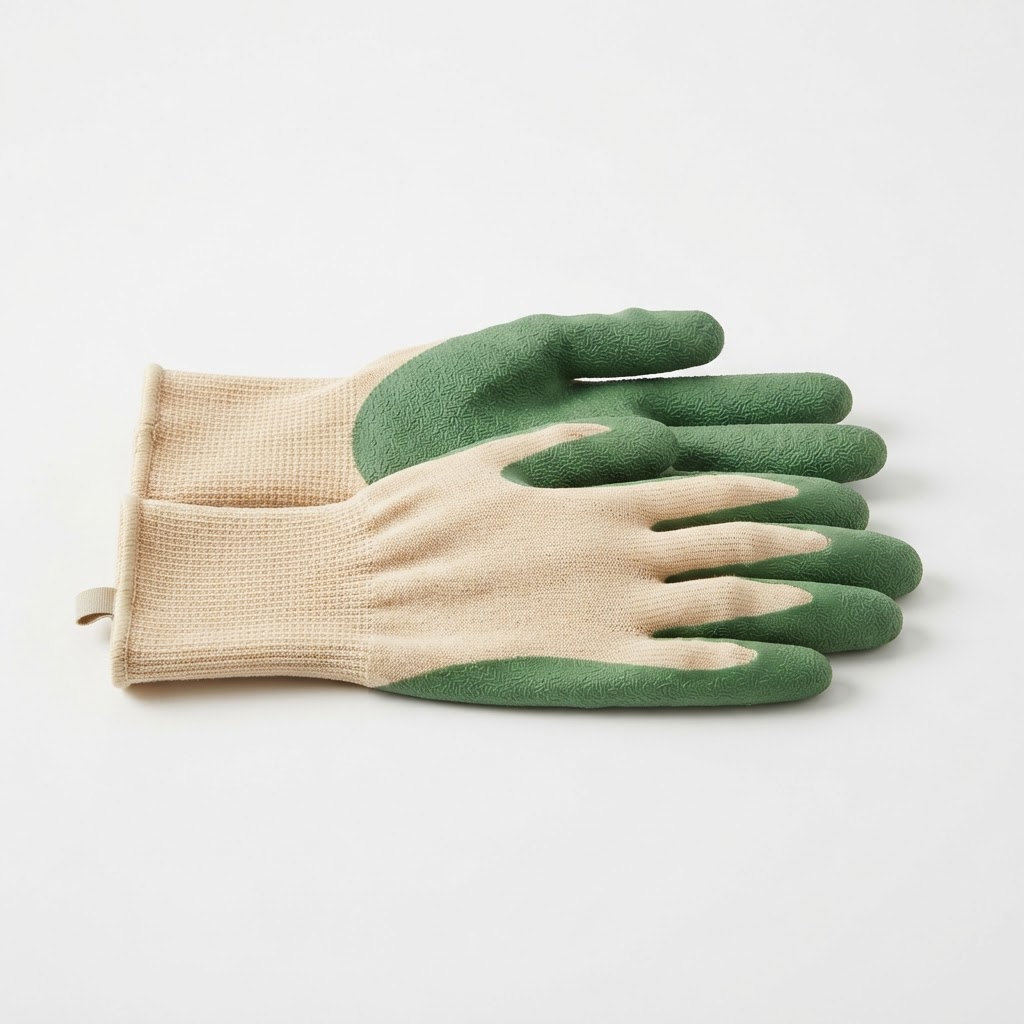
- Gardening gloves and clean pruning shears or scissors
- A compost bin or designated disposal area for infected plant material
- Knowledge of which squash varieties are planted in your plot
If you're new to community gardening, check with your garden's coordinator or site manager before applying any sprays — even organic ones. Some community gardens have shared spaces and neighbors who may be sensitive to certain substances, and it's good practice to communicate about disease management so the whole garden can work together.
Set a baseline. Take photos of your squash plants when they're healthy. This makes it much easier to spot early signs of powdery mildew before the infection becomes severe, and it gives you a comparison point if you need to consult with experienced gardeners or your local cooperative extension service.
Identifying Powdery Mildew on Squash
Early identification is your most powerful tool. The sooner you catch powdery mildew, the more effective your organic interventions will be.
Early signs to watch for:
- Small, circular, white or gray powdery spots on the upper surface of leaves
- Faint, slightly discolored patches on the undersides of leaves
- Spots that look like someone dusted the leaves with flour or talcum powder
As the infection progresses:
- White patches expand and merge, eventually covering entire leaf surfaces
- Leaves may begin to yellow, curl, or become distorted
- Stems and even young fruit can become affected in severe cases
- Older leaves typically show symptoms first, with younger growth affected later
It's worth noting that powdery mildew on squash looks very similar to powdery mildew on cucumbers, melons, and pumpkins — which are all related crops in the cucurbit family. If your plot or nearby plots include any of these plants, they may act as a source of infection for your squash.
Why Squash Is So Susceptible
Squash plants, particularly summer squash varieties like zucchini and yellow squash, have large, broad leaves that create the kind of dense, slightly humid microclimate that powdery mildew loves. Their rapid growth can sometimes outpace a gardener's ability to maintain good air circulation, and as the season progresses, older leaves at the base of the plant become shaded and stressed — making them prime targets for infection.
Additionally, squash is a heavy feeder. Overfertilizing with nitrogen-rich amendments can produce lush, soft leaf tissue that is actually more susceptible to fungal invasion. This is important to keep in mind when fertilizing your plants organically.
Organic Prevention Strategies
Prevention is always more effective than treatment. Building these habits into your regular gardening routine will dramatically reduce the likelihood of a serious powdery mildew outbreak.
Choose Resistant Varieties
Many modern squash varieties have been bred with improved resistance to powdery mildew. When selecting seeds or transplants for your community plot, look for variety descriptions that mention powdery mildew resistance. Some zucchini varieties like 'Dunja' and 'Astia', as well as certain butternut and acorn squash types, offer better built-in protection than heirloom varieties.
Space Plants Properly
Crowded plants trap moisture and reduce airflow, creating the humid conditions that encourage fungal spore germination. Follow spacing recommendations on seed packets, and resist the temptation to squeeze in extra plants. In a community garden where space is limited, this can be difficult — but proper spacing pays dividends all season long.
Water Wisely
Water plants at the base rather than overhead. Wet foliage doesn't cause powdery mildew the way it does with other fungal diseases, but overhead watering can encourage other issues and spread spores. Where possible, use drip irrigation or soaker hoses. Water in the morning so any incidental moisture on leaves dries quickly during the day.
Maintain Soil Health
Healthy soil grows resilient plants. Incorporate compost into your plot each season to support robust root development and balanced nutrient uptake. Avoid overapplying nitrogen-heavy fertilizers, which produce the soft, fast-growing tissue that's most vulnerable to infection.
Prune for Airflow
Regularly remove older, lower leaves that are shaded by the plant's canopy. This improves air circulation and removes the most vulnerable tissue before it becomes infected. Always use clean, sterilized pruning tools to avoid inadvertently spreading pathogens.
Organic Treatment Methods
Once powdery mildew appears, prompt treatment can prevent the infection from spreading and give your plants the best chance of finishing out the season productively.
Baking Soda Spray
One of the most widely used home remedies, baking soda (sodium bicarbonate) changes the pH on the leaf surface, making it inhospitable to fungal growth. Mix one teaspoon of baking soda with a small amount of liquid dish soap in one liter of water. Apply to both the upper and lower surfaces of affected leaves. Reapply every seven to ten days or after rain.
Note: Use sparingly, as excessive applications of baking soda can cause sodium buildup in the soil over time.
Potassium Bicarbonate
Potassium bicarbonate is more effective than baking soda and doesn't carry the same risk of soil sodium accumulation. Available at garden centers or online, it's a favorite among organic gardeners for treating powdery mildew. Follow product label directions for mixing ratios, and apply as a preventive or early-intervention spray.
Neem Oil
Neem oil, derived from the seeds of the neem tree, works as both a fungicide and an insecticide. It disrupts fungal growth and can also deter common squash pests like aphids and whiteflies. Mix neem oil with water and a few drops of dish soap as an emulsifier. Apply in the early morning or late evening to avoid leaf burn, and never apply during the hottest part of the day.
Diluted Milk Spray
Research has shown that diluted cow's milk can be surprisingly effective against powdery mildew. The proteins in milk appear to have antifungal properties and may also boost the plant's immune response. Mix one part milk with nine parts water and apply weekly to affected plants. This is one of the most cost-effective and readily available organic treatments available.
Copper-Based Fungicides
Copper fungicides are approved for organic use and can be effective against powdery mildew when applied early. However, repeated applications can lead to copper accumulation in the soil, so use these products judiciously and as a last resort among your organic options.
Remove Severely Infected Material
Leaves that are more than half covered with powdery mildew are unlikely to recover and are actively spreading spores. Prune and remove them. Do not compost infected plant material unless you have a hot composting system that reaches temperatures sufficient to kill fungal spores. When in doubt, bag and dispose of infected material in your general waste.
Community Garden Considerations
Managing disease in a community garden comes with unique challenges. Your plot exists within a shared ecosystem, which means cooperation and communication are as important as any spray or technique.
Talk to neighboring plot holders if you notice powdery mildew spreading. Early warning systems work best when the whole garden is involved. Many community gardens hold regular work days or meetings — use these opportunities to share information about disease pressure you're observing.
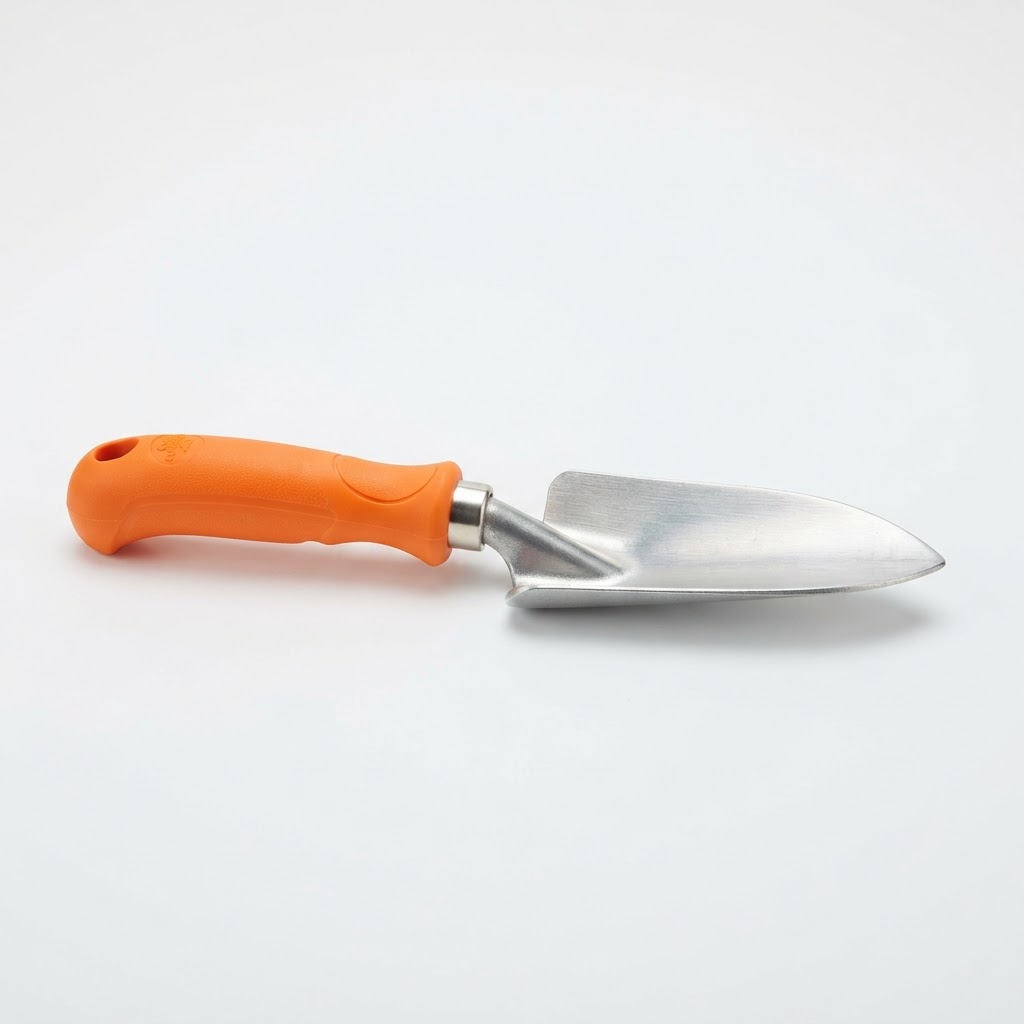
Be mindful of shared tools. Pruning shears and trowels can carry fungal spores from one plot to another. Bring your own clean tools and sterilize them between uses with a diluted bleach solution or rubbing alcohol.
Check if your community garden has a shared resources program. Some gardens maintain stocks of organic amendments and spray ingredients that members can access, which reduces costs and encourages best practices across the whole site.
Common Mistakes to Avoid
Even well-intentioned gardeners can accidentally make a powdery mildew problem worse. Here are the pitfalls to watch out for:
- Waiting too long to act. Powdery mildew spreads fast. Many gardeners notice it and assume it will go away on its own, only to find their entire plant covered within two weeks. Act at the first sign of infection.
- Spraying in the heat of the day. Applying neem oil or other oil-based sprays when the sun is intense can cause leaf burn, compounding stress on an already-sick plant.
- Composting infected leaves. Unless you have a very hot compost pile, putting infected material in your compost bin can spread spores back into your garden when you apply that compost later.
- Overfertilizing with nitrogen. Fast, lush, soft growth looks healthy but is actually more vulnerable. Balance your fertilization approach.
- Using the same spray bottle for pesticides and fungicides. Residual chemicals can affect your organic treatments or inadvertently contaminate your plants with substances you didn't intend to apply.
- Ignoring neighboring plots. If nearby plots have visible powdery mildew and it's going unaddressed, your treated plants can be reinfected repeatedly. Encourage collective management.
Tips for Success
- Start preventive sprays early. Don't wait for symptoms. Beginning milk or potassium bicarbonate sprays in midsummer, before powdery mildew typically appears in your region, gives you a meaningful head start.
- Rotate your crops. Planting squash in the same spot season after season allows disease pressure to build. Move your squash to a different bed or section of your plot each year.
- Keep a garden journal. Record when powdery mildew first appeared, what treatments you used, and how well they worked. This information is invaluable for planning next season's approach.
- Mulch your beds. A good layer of organic mulch reduces soil splash, moderates soil temperature, and helps prevent soil-borne pathogens from reaching leaves.
- Harvest regularly. Keeping up with harvesting reduces stress on the plant and ensures you get the most out of your crop even if the plant eventually succumbs to mildew late in the season.
- Connect with local gardeners. Your regional cooperative extension service or master gardener program can provide advice tailored to your local climate and the specific strains of powdery mildew common in your area.
Conclusion
Powdery mildew on squash is one of those gardening challenges that every community gardener will eventually face. But it doesn't have to ruin your harvest or your season. With good observation habits, smart prevention practices, and a toolkit of effective organic treatments, you can manage this disease in a way that's safe for your plot, your garden neighbors, and the broader environment.
The organic approach to plant disease management is fundamentally about building resilience — in your soil, your plants, and your gardening practices. By choosing resistant varieties, improving airflow, feeding your soil wisely, and acting promptly when disease appears, you create conditions where healthy plants can outpace and outlast the challenges that powdery mildew presents.
Community gardening is also about shared learning. Every season you spend managing powdery mildew gives you knowledge and experience you can pass on to newer gardeners at your site. That knowledge, shared across a community, is ultimately the most powerful tool of all.