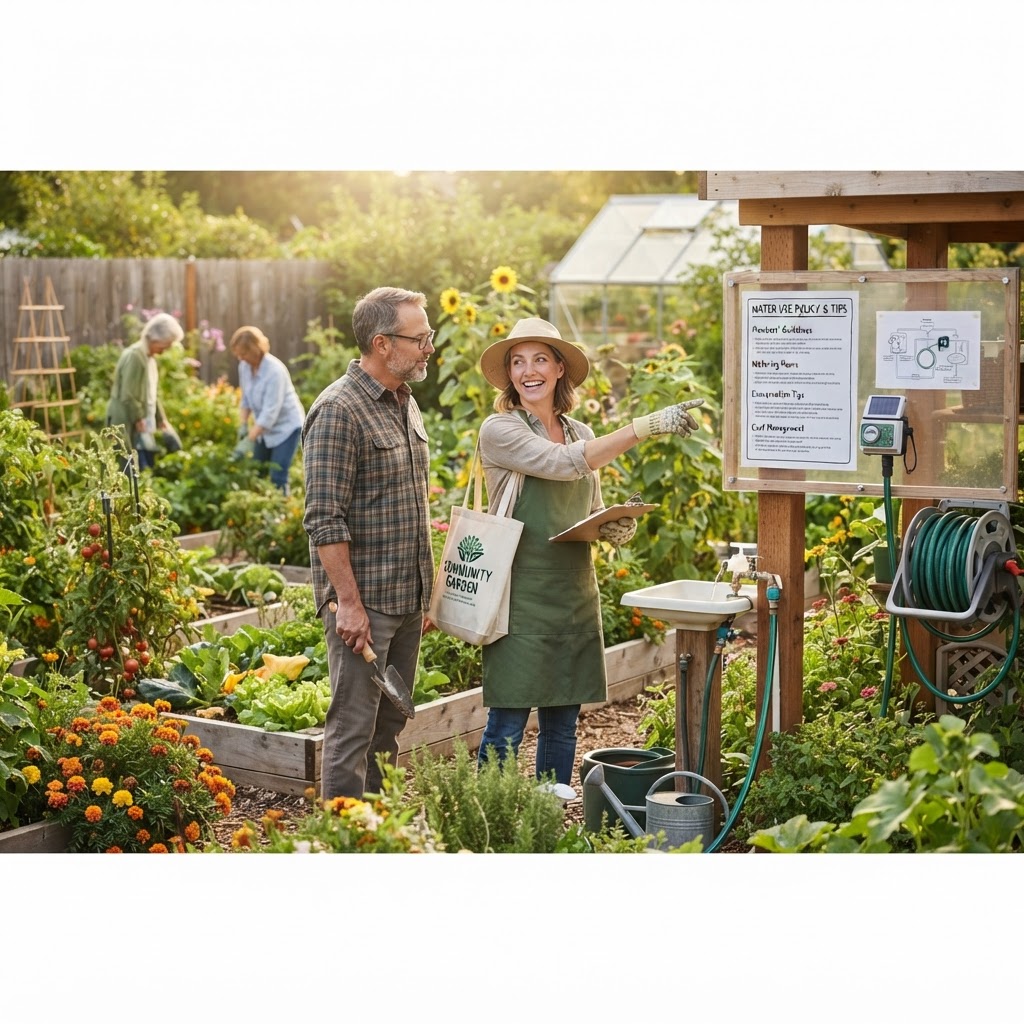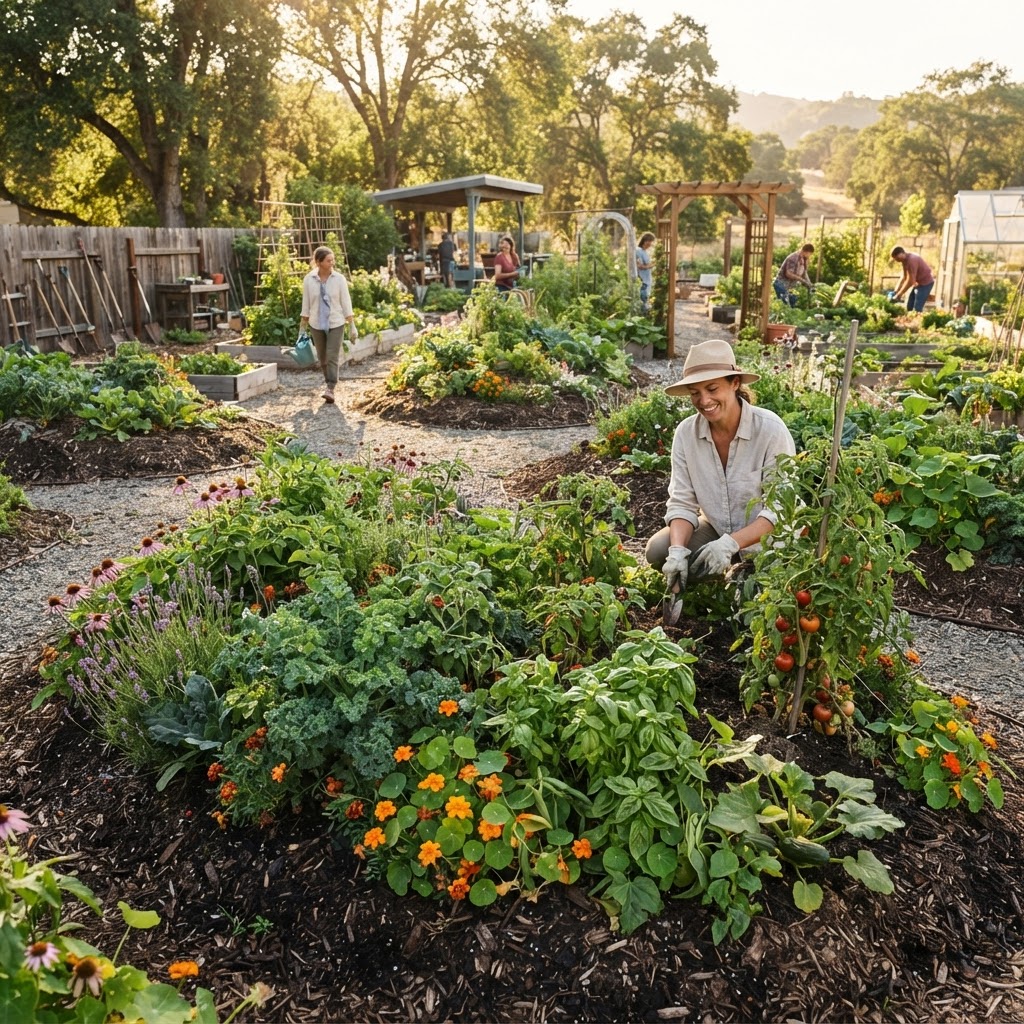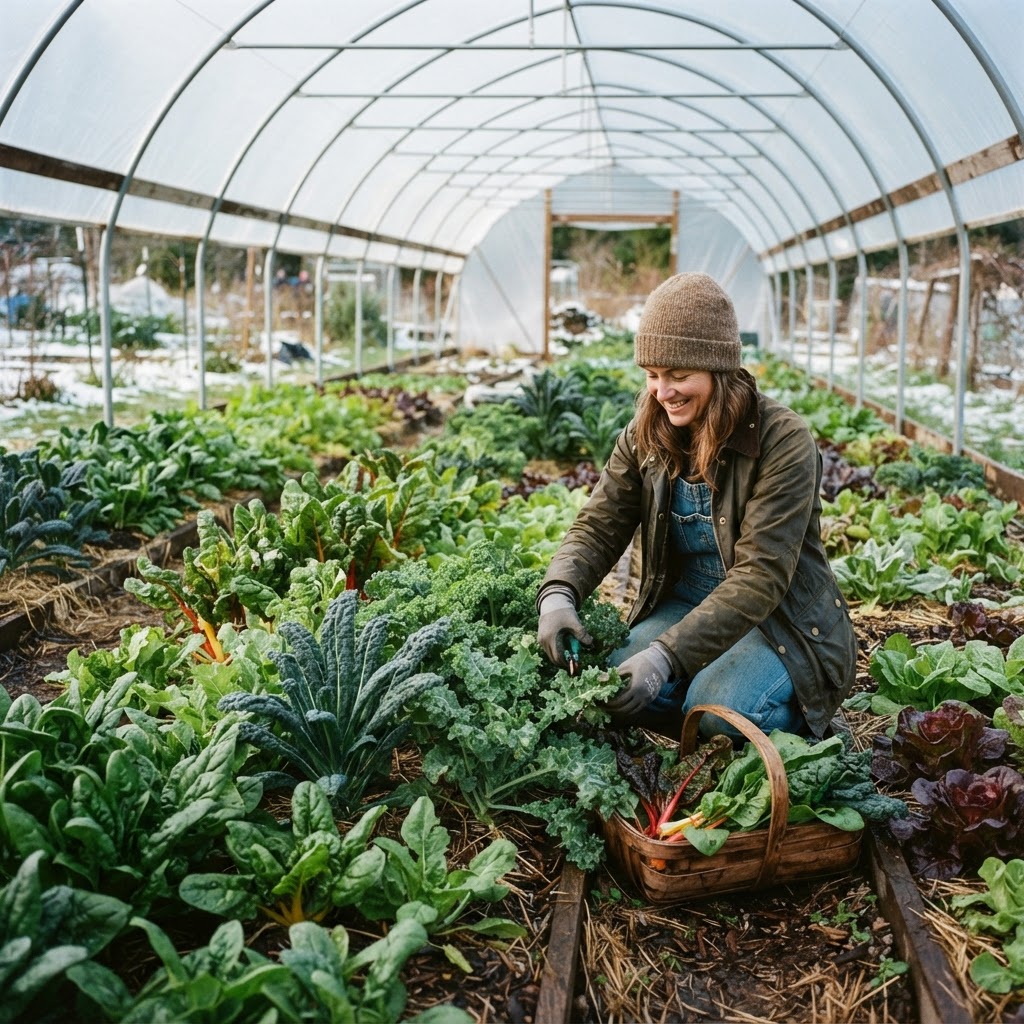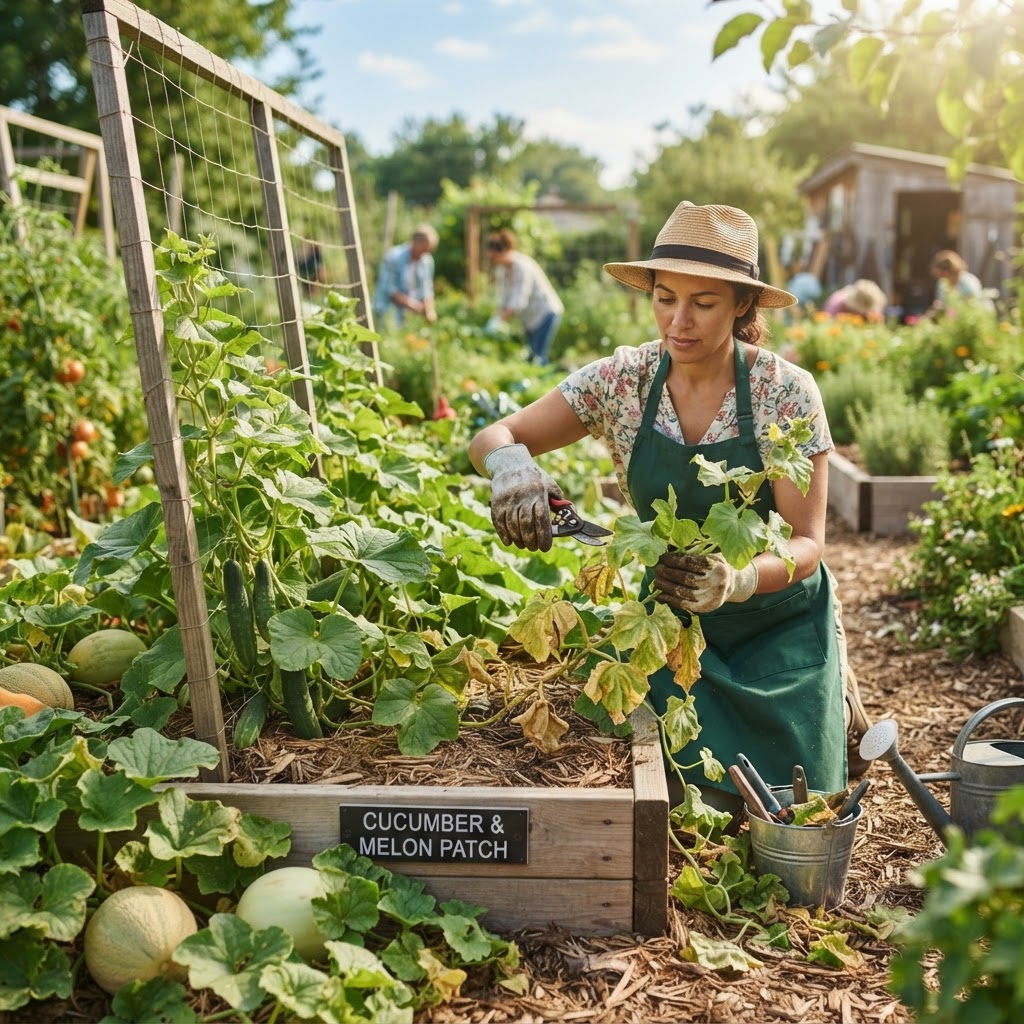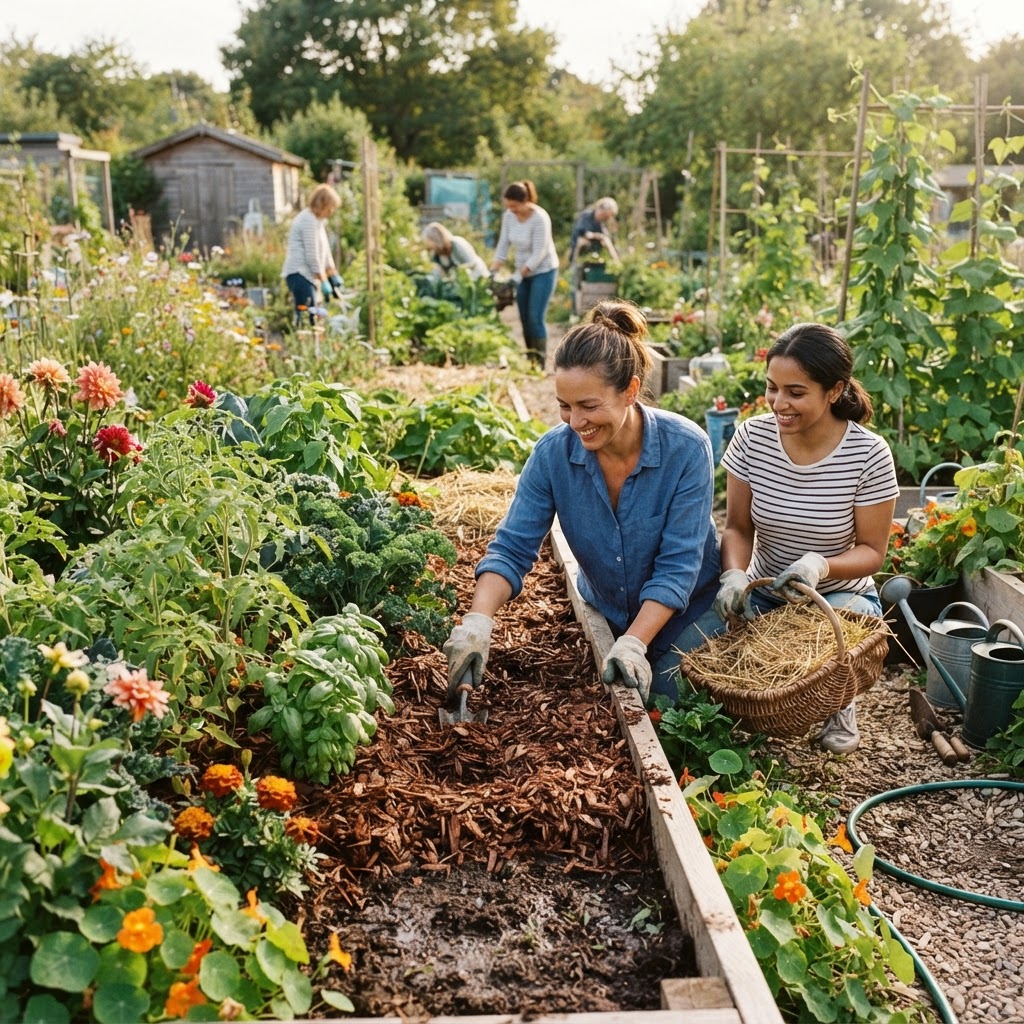
Keeping soil consistently moist in a community garden bed can feel like a constant uphill battle, especially when multiple gardeners share responsibilities — and watering schedules don't always line up. Whether your shared bed bakes under afternoon sun, drains too quickly, or suffers from the unpredictability of volunteer watering habits, mulching is one of the most reliable and cost-effective tools you have. Applied correctly, mulch dramatically reduces how often beds need watering, protects plant roots from temperature swings, and builds better soil over time.
This guide walks you through everything you need to know about mulching for moisture retention in shared community garden beds — from choosing the right materials to applying them properly and avoiding the most common pitfalls.
Getting Started
Before you haul a bag of wood chips over to your plot, it helps to understand what mulching actually does. At its core, mulch is any material — organic or inorganic — that is spread over the surface of soil to protect it and modify the conditions beneath it. For moisture retention specifically, mulch works by shading the soil from direct sunlight, which dramatically slows evaporation. It also acts as a physical barrier that reduces wind exposure on the soil surface and helps regulate soil temperature, preventing the rapid dry-out cycle that happens when soil heats up too quickly.
In a shared community garden bed, mulching takes on extra importance. Beds that rely on multiple people for watering are more vulnerable to inconsistent moisture levels. One gardener might water deeply and thoroughly, while another gives a quick surface sprinkle. Mulch buffers these inconsistencies by holding whatever moisture enters the soil for longer, giving plants a more stable environment even when the watering schedule is unpredictable.
What you'll need to get started:
- A chosen mulch material (see section below)
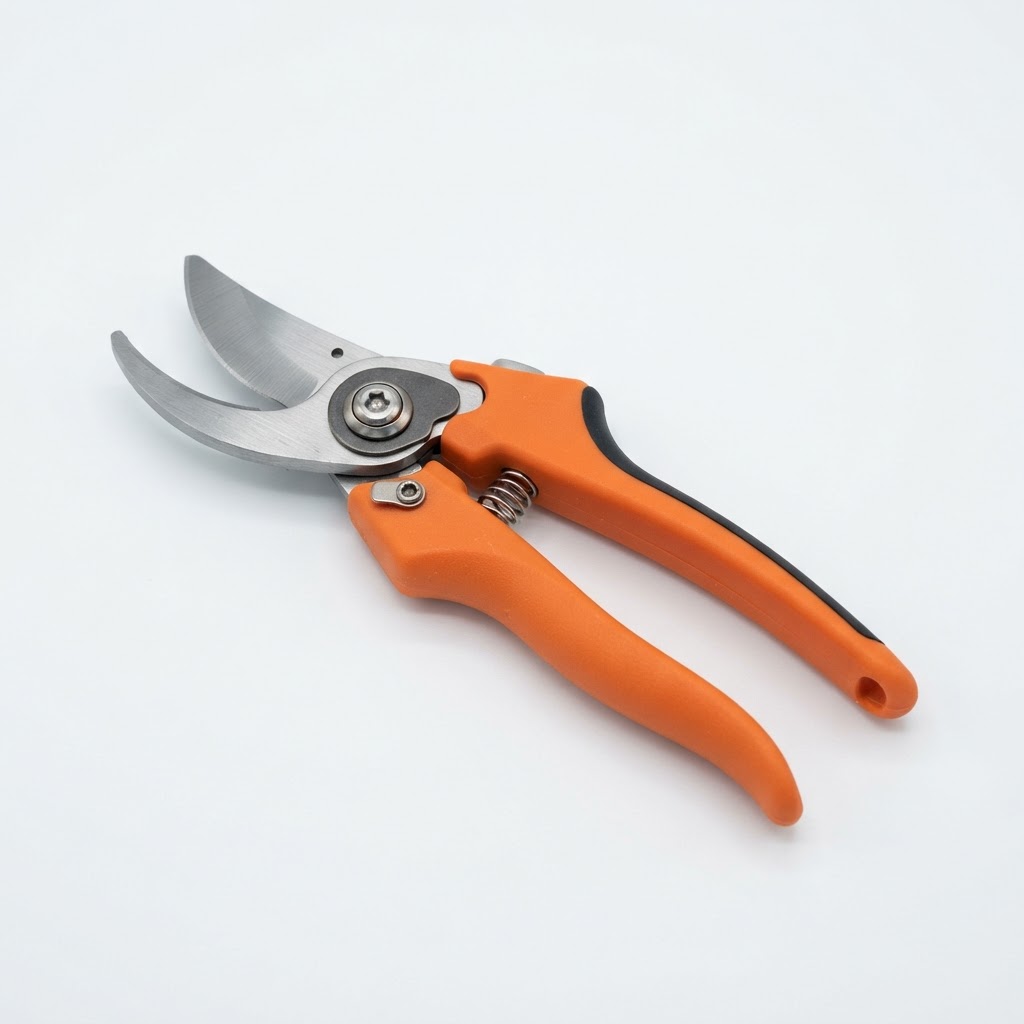
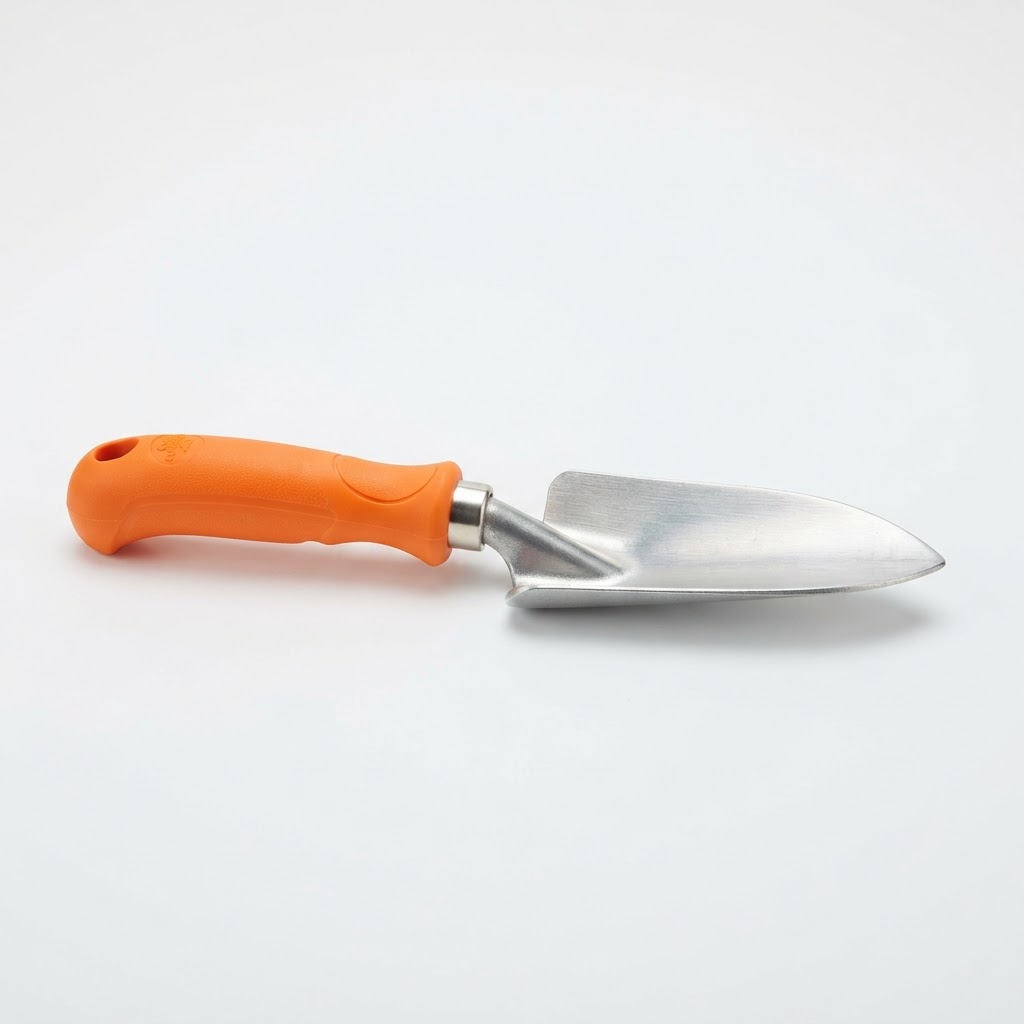
- A garden fork or hand trowel for light soil prep
- A watering can or hose to wet the soil before mulching
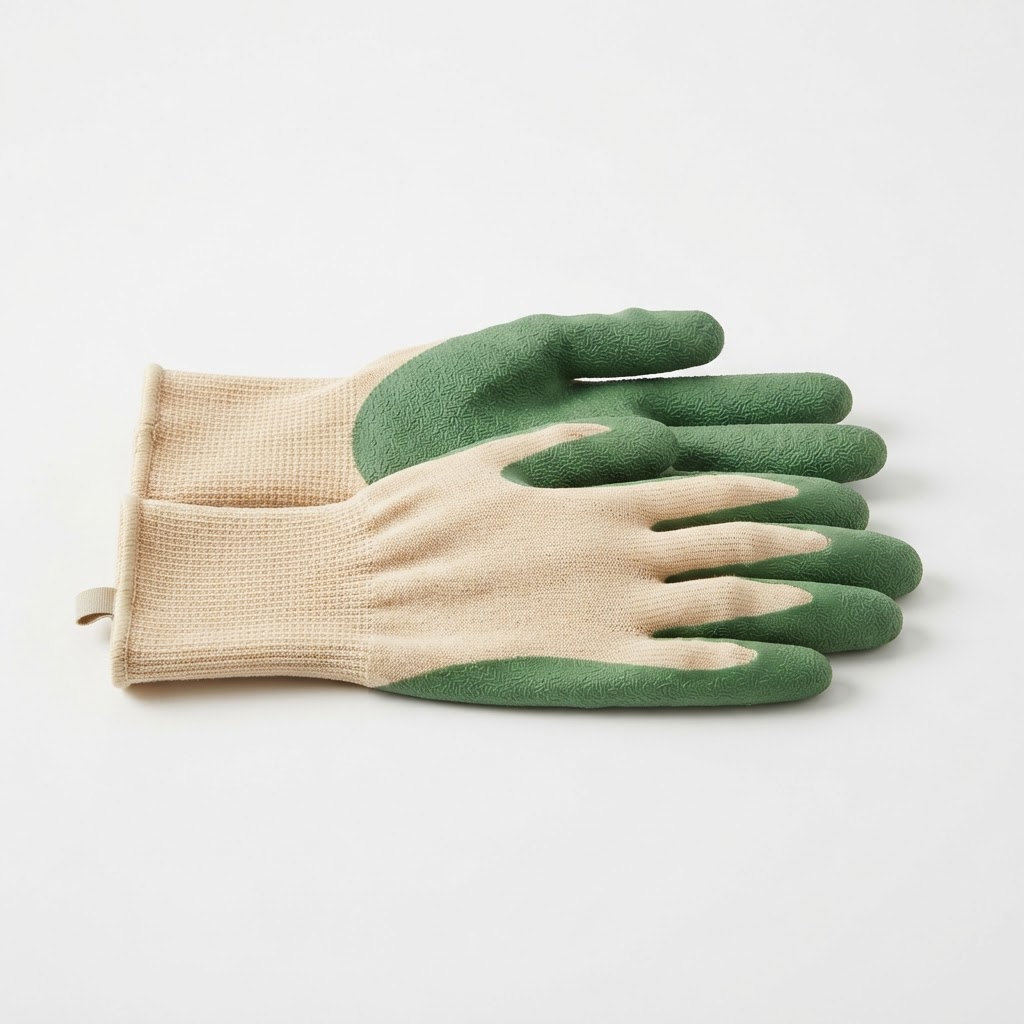
- Gloves for handling organic materials
- A ruler or your hand to gauge mulch depth
- Coordination with your fellow gardeners on materials and approach
Mulching a shared bed is also a great opportunity to align your gardening group on practices. Taking a few minutes to agree on a mulch type and application method can prevent future confusion and make bed maintenance much smoother for everyone involved.
Why Moisture Retention Matters in Shared Beds
Shared garden beds come with a unique set of challenges that make moisture management more complicated than in a private garden. When several people tend the same space, watering can become inconsistent — sometimes beds get watered twice in a day, other times they dry out completely between visits. Both scenarios stress plants and degrade soil health over time.
Soil that repeatedly cycles between very wet and very dry loses its structure. The beneficial microorganisms that live in healthy garden soil need consistent moisture to thrive. When moisture levels are erratic, these organisms become less active, nutrient availability drops, and plants become more susceptible to disease and pest pressure.
Mulching acts as a stabilizing force. It doesn't replace good watering practices, but it makes good watering practices go further. A well-mulched bed that receives a thorough watering can stay at an appropriate moisture level for several days longer than an unmulched bed under the same conditions. In practical terms, that means your tomatoes aren't wilting by Thursday just because the Tuesday watering volunteer was running late.
Types of Mulch for Moisture Retention
Not all mulches perform equally when it comes to retaining moisture. Here's a breakdown of the most accessible and effective options for community gardeners.
Straw
Straw is one of the most popular mulches for vegetable beds, and for good reason. It's lightweight, easy to apply, relatively affordable, and does an excellent job of retaining soil moisture. It allows rain and irrigation water to pass through easily while still shading the soil beneath. Straw also breaks down over a growing season, gradually adding organic matter to the soil. Make sure you're using straw (the dry stalks of grain plants) rather than hay, which contains seeds that will sprout aggressively in your bed.
Wood Chips
Wood chips are a longer-lasting mulch option that works particularly well for beds that don't need to be turned frequently, or around perennial plants and fruit shrubs. They retain moisture effectively, regulate soil temperature well, and take longer to break down than straw. In community gardens, wood chips can often be sourced for free or at low cost from tree services or municipal composting programs. Keep wood chips away from direct contact with plant stems to avoid rot.
Shredded Leaves
Shredded leaves are a wonderful free resource in autumn and are highly effective for moisture retention. Whole leaves can mat together and form a barrier that actually repels water, so shredding them first is important. Shredded leaves break down relatively quickly, feeding the soil as they do. They're especially good for beds that grow heavy feeders like squash or brassicas.
Compost as Mulch
A thick layer of finished compost applied to the soil surface works double duty — it retains moisture and feeds the soil simultaneously. This is an excellent option for community beds where soil improvement is a shared goal. However, compost is more expensive than other mulch options and may not be as immediately effective at moisture retention as straw or wood chips when applied alone. Using compost as a base layer topped with straw is a highly effective combination.
Grass Clippings
If your community garden has lawn areas, grass clippings make a readily available, nitrogen-rich mulch. Apply them in thin layers to prevent matting and allow air circulation. Thick, compacted layers of fresh grass clippings can become slimy and anaerobic. Dried clippings work better. Avoid using clippings from lawns treated with herbicides or pesticides.
Inorganic Options
Black plastic sheeting, landscape fabric, and gravel are sometimes used in community gardens, particularly in high-maintenance or pathways. Plastic mulch is extremely effective at retaining moisture and suppressing weeds, but it requires installation and removal each season, reduces soil aeration, and isn't suitable for all plant types. In most shared vegetable beds, organic mulches are preferred for their soil-building properties and ease of use.
How to Apply Mulch Effectively
Choosing the right mulch is only half the equation. Application technique matters enormously for moisture retention to work properly.
Step 1: Weed thoroughly. Mulch suppresses weed germination but doesn't kill existing weeds. Take the time to pull weeds before applying mulch, or they'll push right through.
Step 2: Water the soil deeply. Apply mulch to soil that is already moist. If you mulch dry soil, you're trapping dryness, not moisture. Give the bed a thorough watering first and let it soak in before laying your mulch.
Step 3: Apply at the right depth. For most organic mulches, aim for a depth of two to four inches. Too shallow and it won't retain moisture effectively. Too deep and it can suffocate soil, prevent water infiltration, and create habitat for pests. Wood chips can be applied slightly deeper — up to four inches — because they're coarser and allow more air movement.
Step 4: Keep mulch away from plant stems. Leave a gap of at least one to two inches around the base of each plant. Mulch piled against stems traps moisture against them, encouraging rot and creating hiding spots for slugs and other pests.
Step 5: Refresh as needed. Organic mulches break down over time, which is part of their value but also means the layer gets thinner. Check mulch depth throughout the season and add more when it has decomposed to less than an inch or two.
Mulching Strategies for Different Shared Bed Scenarios
High-Traffic Beds with Many Contributors
For beds tended by a large group with varying skill levels, simplicity is key. Straw is an excellent choice here — it's forgiving, easy to apply, and hard to do badly. Create a simple visual guide for your group showing the correct depth and how to leave space around plant stems.
Beds in Full Sun Locations
Beds that receive six or more hours of direct sunlight per day lose moisture rapidly. These beds benefit from thicker mulch layers (closer to four inches) and materials with excellent insulating properties, such as wood chips or straw. Combining a thin layer of compost underneath a thicker straw layer can dramatically improve moisture retention in these high-evaporation situations.
Raised Beds
Raised beds drain more quickly than in-ground beds and can dry out even faster in warm weather. Mulching raised beds is particularly important. Wood chips or straw work well here. You might also consider adding moisture-retaining amendments like coco coir to the soil itself, then mulching on top for a two-pronged approach.
Beds Growing Specific Crops
- Tomatoes and peppers: Straw or plastic mulch is ideal. These heat-loving plants benefit from the warmth that plastic retains and the consistent moisture straw provides.
- Leafy greens: Shredded leaves or compost mulch keeps soil consistently cool and moist, which leafy greens prefer.
- Root vegetables: Avoid thick mulch directly over planted areas, as it can interfere with germination. Apply mulch between rows once seedlings are established.
Common Mistakes to Avoid
Mulching is straightforward, but there are some pitfalls that trip up even experienced gardeners. Here's what to watch out for:
Piling mulch against plant stems. This is the most common mulching mistake. It creates rot, disease, and pest problems. Always leave a clear gap around every stem.
Using hay instead of straw. Hay contains seeds and will cause a weed explosion in your bed. Always confirm you're using seed-free straw.
Applying mulch to dry soil. Mulching dry soil traps dryness and makes it harder to re-wet. Always water thoroughly before mulching.
Using too little mulch. A half-inch sprinkle of straw does very little for moisture retention. Commit to the full two to four inches for real results.
Using too much mulch. On the opposite extreme, piling on six or more inches of mulch can prevent water from reaching the soil at all, create anaerobic conditions, and harbor pest problems.
Forgetting to replenish. Organic mulch breaks down. A bed that was well-mulched in spring may be nearly bare by midsummer. Build mulch checks into your group's regular bed maintenance.
Using chemically treated materials. Grass clippings, straw, or wood chips from sources that use synthetic pesticides or herbicides can harm your plants and soil organisms. Know your sources.
Tips for Success
- Coordinate with your group before mulching. Agree on a material, application depth, and refresh schedule so everyone is working toward the same goals.
- Create a mulch log. A simple notebook or shared note at your plot can track when mulch was applied and what type was used.
- Layer strategically. Combine a thin compost layer with a thicker straw or wood chip layer on top for both nutrient delivery and moisture retention.
- Observe and adjust. Check soil moisture under your mulch regularly by pressing a finger two inches into the soil. If it feels dry, water more or increase mulch depth.
- Source locally and cheaply. Ask local tree services, municipal programs, or nearby farms about free or discounted mulch materials. Community gardens often qualify for free wood chip deliveries.
- Mulch pathways too. Mulching the paths between your beds prevents compaction, reduces weed pressure, and keeps the whole garden looking tidy and managed.
- Time your applications well. Early spring application locks in winter moisture and slows soil warm-up (great for cool-season crops). Early summer application is critical before heat peaks.
Conclusion
Mulching is one of the highest-return investments you can make in a shared community garden bed. The time and resources spent applying a good layer of mulch pay off across an entire growing season through reduced watering needs, healthier soil, fewer weeds, and more resilient plants. For a shared bed where consistent watering is never guaranteed, mulch becomes not just helpful but essential.
The best mulching strategy is one that your whole group understands and can maintain together. Choose a material that's accessible, agree on how to apply it, and make replenishment part of your regular rhythm. Over time, as organic mulches break down into the soil, you'll also notice your beds developing richer, more moisture-retentive soil naturally — a long-term benefit that compounds season after season.
Start with one material, learn how it works in your specific conditions, and build from there. A well-mulched bed is a more forgiving bed, and in the dynamic, shared world of community gardening, that forgiveness can make all the difference.