Getting Started
Before you can manage water costs effectively, you need to understand where you currently stand. This means taking stock of a few key pieces of information before drafting any policy or making any changes.
Step 1: Audit your current water usage. Check your garden's water bills over the past year and identify patterns. Are bills highest in summer months? Do costs spike unexpectedly? Understanding your baseline is essential before you can make improvements.
Step 2: Identify your water sources. Community gardens typically draw water from municipal connections, private wells, rainwater harvesting systems, or a combination of these. Each source comes with different cost implications, legal considerations, and reliability factors. Know what you're working with.
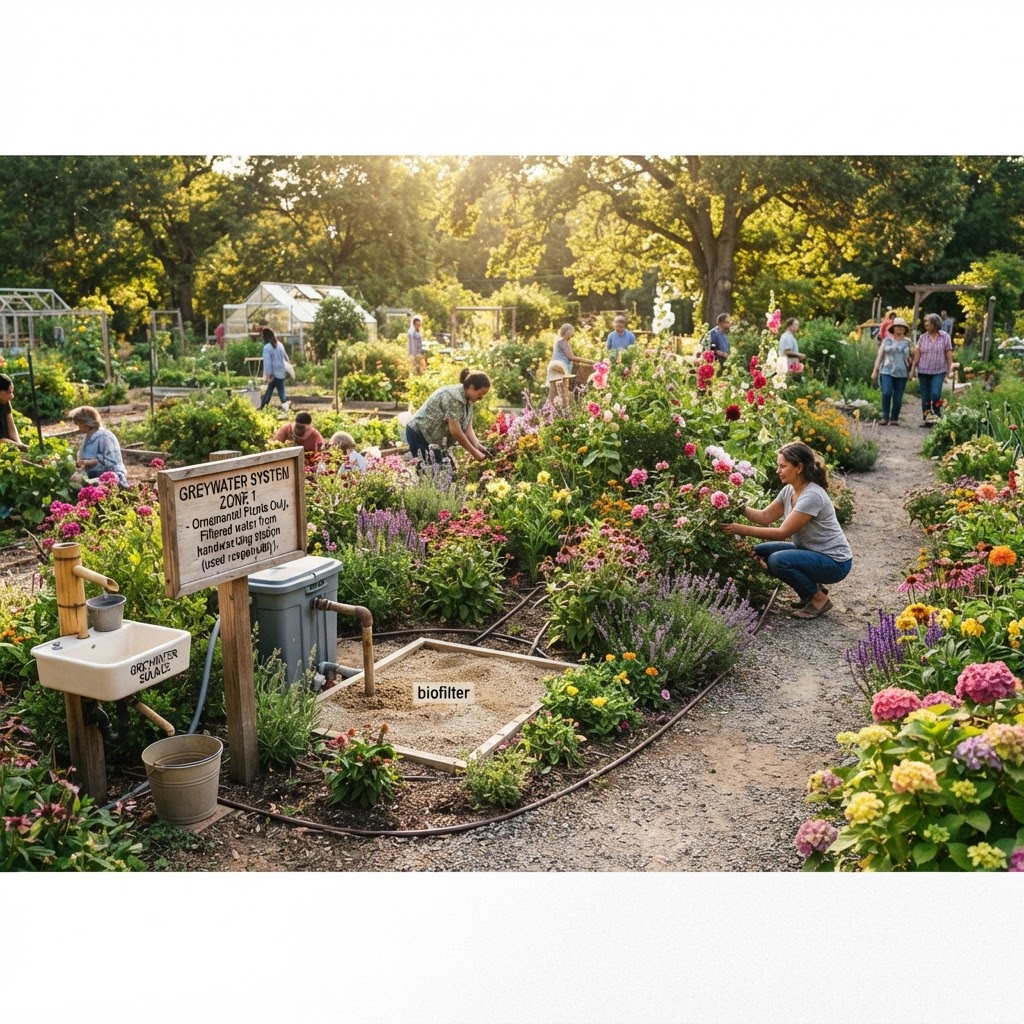
Step 3: Map your garden's water infrastructure. Walk through your garden and locate every tap, hose bib, irrigation line, and water storage container. Note which plots or zones share access points. This physical map will be invaluable when creating usage zones and fair allocation policies.
Step 4: Gather input from your members. Before implementing anything, hold a meeting or send a survey asking members about their current water habits, concerns, and willingness to adopt new practices. People are far more likely to follow policies they helped shape.
Step 5: Review any existing bylaws or agreements. Your garden may already have rules about water use buried in older membership agreements or committee minutes. Dig these out and review them before creating new policies that might contradict established precedents.
With this foundational knowledge in hand, you'll be ready to design a system that reflects the real needs of your garden community.
Why Water Management Matters in Community Gardens
Water management might not be the most glamorous topic in gardening, but it is absolutely one of the most important for a garden's long-term health — both ecologically and socially.
The Financial Reality
Water costs can represent a significant portion of a community garden's operating budget. Without any kind of monitoring or policy, it's common for a small number of members to unknowingly (or knowingly) use a disproportionate share of the garden's water, leaving others to subsidize their usage through collective fees. Over time, this breeds resentment and financial instability for the garden as a whole.
The Environmental Responsibility
Community gardens often pride themselves on being environmentally conscious spaces. Excessive water use runs counter to that identity. Overwatering not only wastes a precious resource but can also contribute to soil degradation, plant disease, and even runoff that affects the broader local ecosystem.
The Social Harmony Factor
Disputes over water are among the most common sources of conflict in community gardens. When members feel that the system isn't fair — whether that's because some people water for hours while others are rushed, or because everyone pays the same fee regardless of usage — trust erodes. A clear, transparent water policy prevents many of these conflicts before they start.
Setting Up a Fair-Use Water Policy
A fair-use policy is a written agreement that outlines how water should be used, how costs will be shared, and what happens when someone exceeds their allocation. Here's how to build one that works.
Define "Fair" for Your Garden
Fair doesn't always mean equal. A plot growing water-intensive crops like tomatoes or squash will legitimately need more water than a plot growing drought-tolerant herbs. When drafting your policy, decide whether "fair" means everyone pays the same flat rate, everyone gets the same volume allocation, or payments are proportional to usage. Each approach has trade-offs.
Establish Clear Rules and Expectations
Your policy document should clearly address:
- Watering hours: Define acceptable times to use communal water resources. Early morning is generally best for plants and reduces evaporation. Avoid peak demand hours if you're on a municipal supply.
- Hose and irrigation etiquette: Specify whether members can leave hoses running unattended, use automated drip systems, or connect personal soaker hoses to shared taps.
- Water waste prohibitions: Explicitly prohibit behaviours like watering paved paths, allowing tap leaks to go unreported, or running sprinklers during rain.
- Shared equipment responsibilities: If the garden provides hoses, spray nozzles, or timer equipment, define who is responsible for maintenance and what happens when items are damaged.
Create an Enforcement Mechanism
A policy without enforcement is just a suggestion. Decide in advance how violations will be handled. A tiered approach works well: a friendly reminder for a first offence, a formal written notice for a second, and a fee or plot suspension for repeated violations. Make sure the consequences are proportionate and communicated clearly before members sign on.
Review and Update Regularly
Water policy shouldn't be set-it-and-forget-it. Review it annually, gather feedback from members, and make adjustments based on what's working and what isn't.
Methods for Tracking and Allocating Water Usage
Tracking water usage in a shared garden setting can be challenging, but several practical methods exist depending on your garden's size, budget, and infrastructure.
Metered Water Connections
If your budget allows, installing individual water meters at each plot or plot cluster is the most accurate way to track usage. Members pay only for what they use. The upfront installation cost can be offset over time through more equitable billing and reduced waste. Talk to a licensed plumber about what's feasible given your existing infrastructure.
Zone-Based Allocation
If individual metering isn't possible, divide the garden into watering zones and install a single meter per zone. Members in each zone share the cost for that zone. This works best when plots within a zone are growing similar crops under comparable conditions.
Timed Access Systems
Water timers installed on shared taps allow each member a fixed time window to access water each week. While this doesn't directly track volume, it limits the opportunity for excessive use. Mechanical timers are inexpensive and relatively durable, making them a good entry-level option for gardens with limited resources.
Honour-Based Water Logs
For small, high-trust garden communities, a simple paper or digital log where members record their watering sessions can be surprisingly effective. It requires minimal infrastructure but does depend on member honesty and consistent participation. Pair it with occasional spot checks by garden coordinators to maintain accountability.
Pricing Models and Cost-Sharing Strategies
Once you know how you'll track usage, you need to decide how to translate that into costs. Here are the most common approaches.
Flat Rate Included in Plot Fees
The simplest approach: water costs are bundled into annual or seasonal plot rental fees. Every member pays the same amount regardless of how much they water. This is easy to administer but can be unfair if some members use significantly more water than others.
Tiered Usage Pricing
Inspired by utility pricing models, tiered pricing charges a base rate for a reasonable volume of water and progressively higher rates for usage above that threshold. This encourages conservation while still being affordable for average users. It requires metering but is considered one of the fairest models available.
Seasonal Assessment
At the end of each season, total water costs are divided among all members either equally or proportionally, depending on what data you have. This deferred model works well for gardens that don't have real-time metering, as it settles accounts based on actual costs rather than estimates.
Voluntary Contribution with a Cap
Some community-focused gardens use a system where members contribute what they can to a shared water fund, with a suggested minimum contribution tied to plot size. This model works in gardens with a strong culture of mutual support but can be unreliable in larger or more transient communities.
Water-Saving Techniques That Benefit Everyone
Reducing overall water consumption benefits the whole garden, regardless of how costs are divided. Encouraging these practices through workshops, signage, and policy incentives can meaningfully reduce water bills.
Drip Irrigation
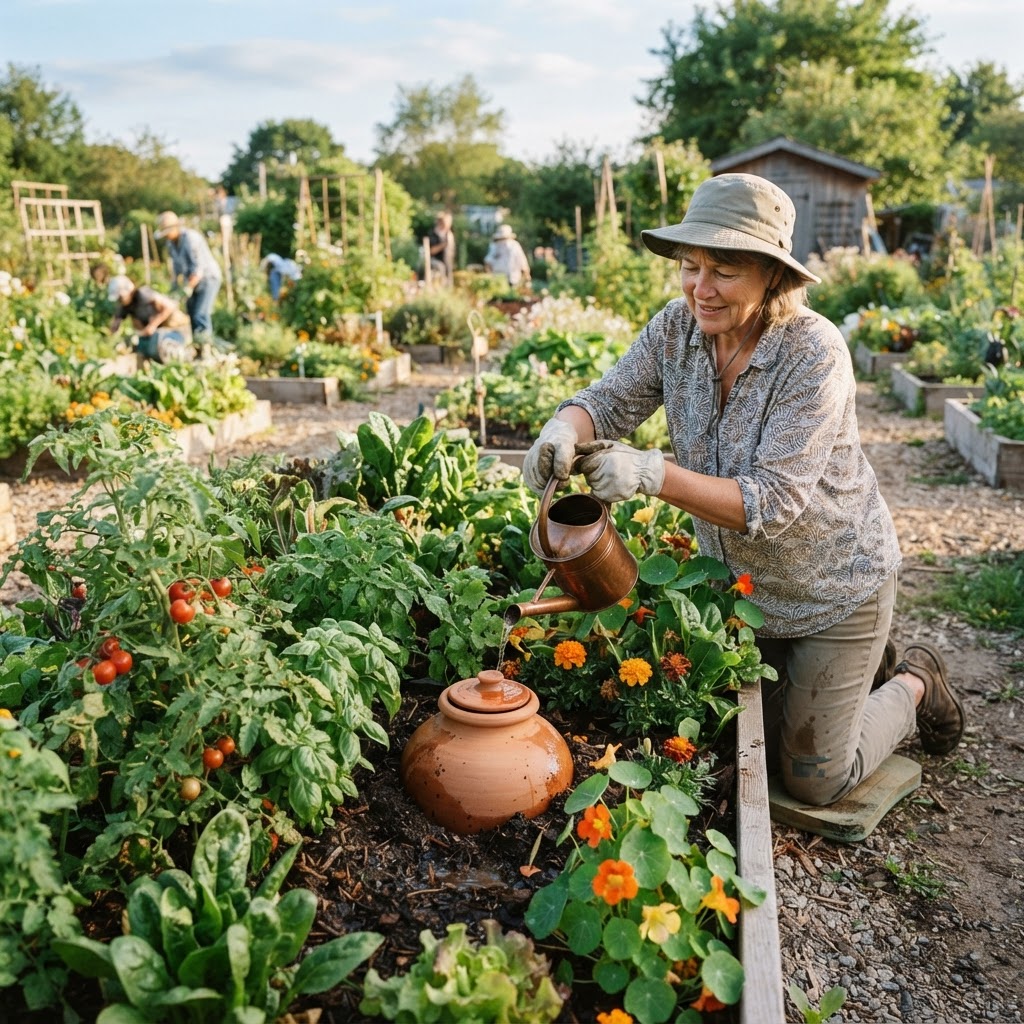
Drip systems deliver water directly to the root zone, dramatically reducing evaporation and runoff compared to overhead watering. Many community gardens provide subsidised drip irrigation kits to members as part of a conservation initiative.
Mulching
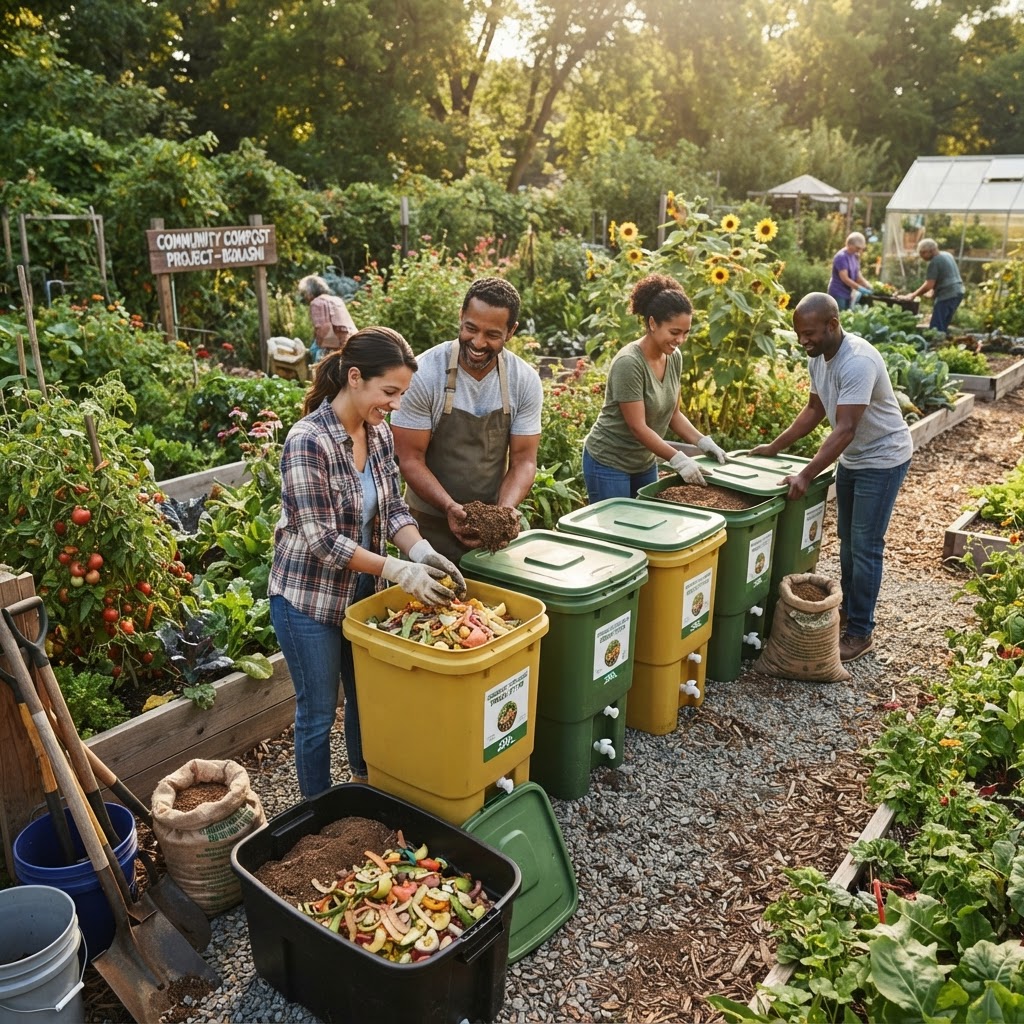
Applying a thick layer of organic mulch around plants significantly reduces soil moisture evaporation. Encourage members to use straw, wood chips, or fallen leaves — often available free through garden composting programmes.
Rainwater Harvesting
Installing communal rain barrels or larger water storage tanks to capture rainfall can meaningfully offset municipal water use. Check local regulations first, as rainwater collection is regulated differently across regions.
Watering at Optimal Times
Educate members to water in the early morning before temperatures rise. Evening watering can leave foliage damp overnight, increasing the risk of fungal disease. Morning watering gives plants what they need with the least amount lost to evaporation.
Soil Health Improvements
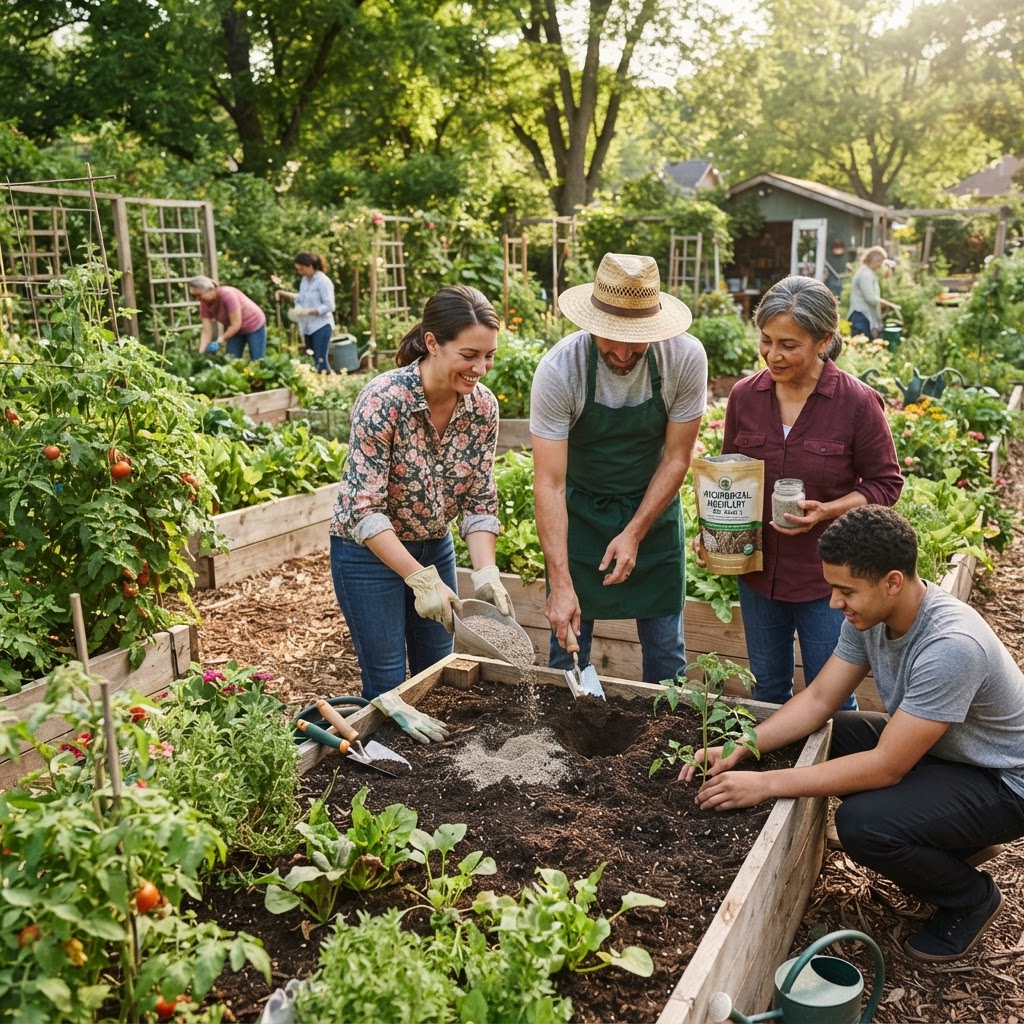
Healthy soil with good organic matter content retains water more effectively. Encourage composting and avoid soil compaction practices that reduce water infiltration.
Common Mistakes to Avoid
Even well-intentioned gardens stumble when it comes to water management. Here are the most common pitfalls and how to sidestep them.
Implementing policy without member input. Policies developed in isolation by a small committee often face resistance from the broader membership. Always consult members before finalising rules.
Setting rules that can't be monitored. If you create a policy that requires infrastructure or monitoring you don't have, compliance will be inconsistent. Match your policies to your actual capacity to enforce them.
Ignoring seasonal variation. A flat water allocation that works in spring may be completely inadequate in a hot, dry summer. Build flexibility into your policy for seasonal adjustments.
Failing to address shared hose etiquette. Shared hoses left lying across paths, attached incorrectly, or turned on and forgotten are a constant source of complaints. Specific etiquette rules prevent a lot of friction.
Not reporting leaks promptly. A single dripping tap or leaking hose fitting can waste a substantial amount of water over days or weeks. Establish a clear reporting process and ensure repairs are made promptly.
Treating water policy as secondary. Water costs and usage are core operational matters. Treating them as an afterthought leads to budget shortfalls and member dissatisfaction. Give water management the attention it deserves.
Tips for Success
Here are practical, proven strategies to help your water management programme succeed from day one.
-
Designate a water steward. Appoint a trusted member or volunteer to oversee water infrastructure, monitor usage, handle reports of leaks or misuse, and communicate with the broader membership. Having a specific point of contact makes everything run more smoothly.
-
Post clear signage at every tap. A simple laminated sign listing watering etiquette, reporting procedures, and reminders about conservation goes a long way toward consistent behaviour.
-
Celebrate water-saving achievements. When your garden reduces its water consumption, shout it out in your newsletter or at meetings. Positive reinforcement builds a culture of conservation.
-
Offer new member orientations. Include water policy as part of any new member onboarding process. People who understand the why behind the rules are more likely to follow them.
-
Create a small water maintenance fund. Set aside a portion of plot fees specifically for water infrastructure repairs and upgrades. This prevents one-off costs from catching the garden budget off guard.
-
Partner with local water authorities. Many municipal water providers offer free audits, rebates for water-saving equipment, or educational resources for community organisations. It's worth making a phone call.
-
Review the policy together, annually. Make the annual water policy review a community event rather than a committee task. Shared ownership leads to shared responsibility.
Conclusion
Managing water costs and establishing fair-use policies in a community garden doesn't have to be complicated, but it does require intention, communication, and a willingness to keep improving over time. When members understand how water is priced, how their usage compares to others, and what they can do to help conserve a shared resource, gardens tend to function more harmoniously and more sustainably.
Start with an honest audit of where you stand today, draft a simple and transparent policy with genuine member input, and build systems that match your garden's actual resources and culture. Water management done well is one of those quiet foundations that keeps a community garden thriving season after season — even when members never have to think twice about it.