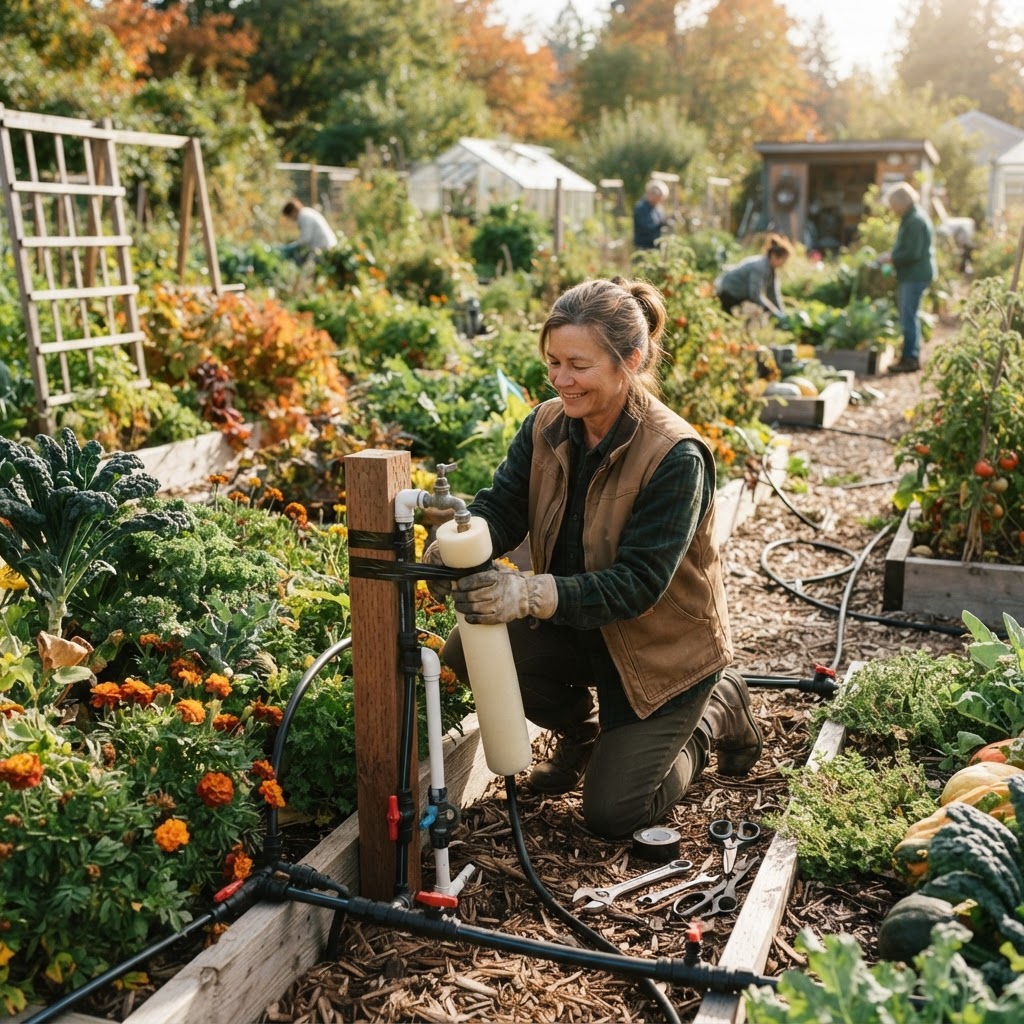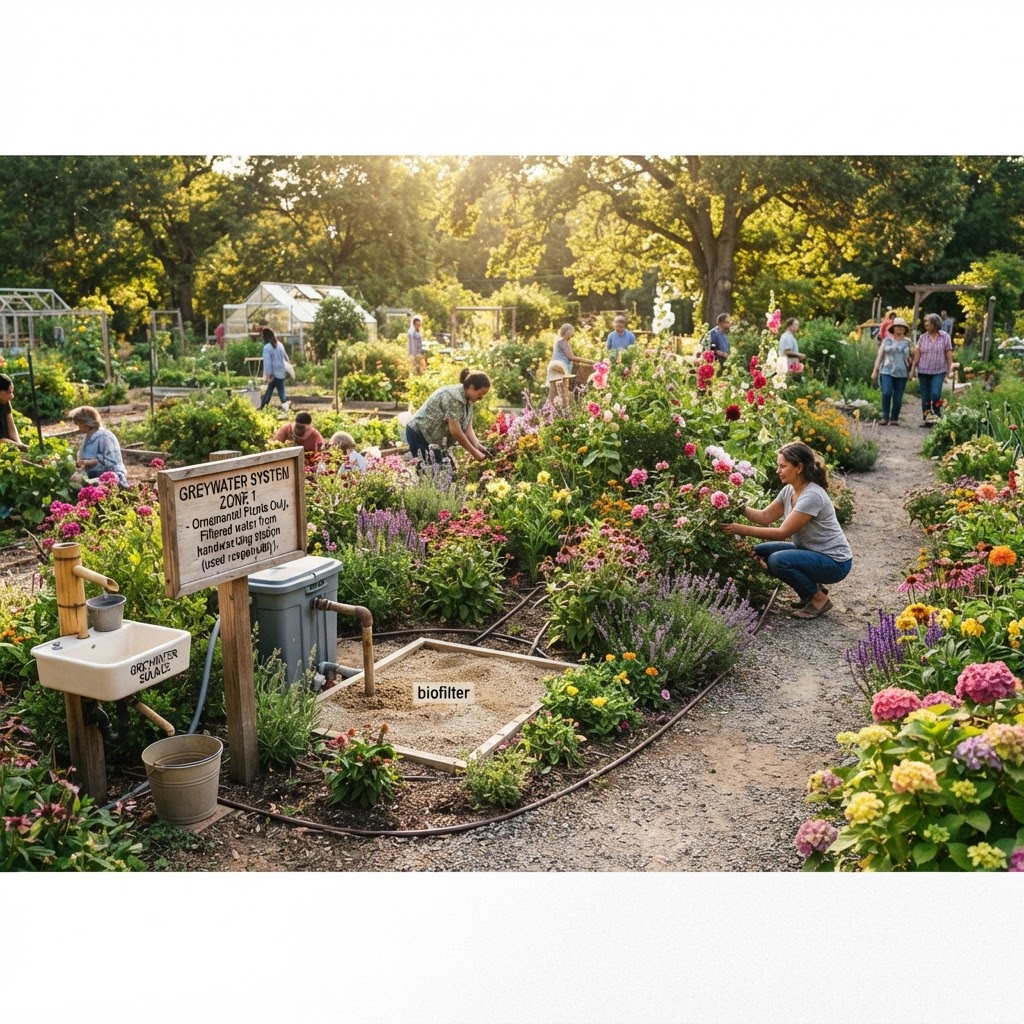
A well-organized watering system is the backbone of any thriving community garden. When multiple gardeners share plots, water resources, and responsibilities, keeping everyone on the same page becomes essential — not just for the health of the plants, but for the harmony of the community itself. A communal watering log and schedule is one of the simplest yet most powerful tools you can introduce to your garden, helping ensure that every plant gets what it needs while preventing overwatering, missed days, and the frustration that comes from miscommunication.
Whether your community garden is just getting started or has been growing for years, implementing a shared watering system can transform the way your group works together. This guide walks you through everything you need to know, from setting up your first log to keeping the system running smoothly season after season.
Why a Communal Watering Log Matters
In a community garden, water management is a shared responsibility — and shared responsibilities can quickly become nobody's responsibility without a clear system in place. A communal watering log addresses this challenge head-on by creating accountability, transparency, and consistency across all garden plots.
When gardeners water without coordination, problems multiply. One plot might receive water twice in a single day while a neighboring bed goes dry for three days. Enthusiastic early-season gardeners may water diligently in spring but lose motivation by midsummer. Members who go on vacation might not arrange for coverage of their plots. These scenarios are remarkably common in community gardens, and they can lead to plant stress, wasted water, and interpersonal conflicts.
A shared watering log solves these issues by:
- Creating a clear record of when each plot or zone was watered and by whom
- Distributing responsibility fairly across all garden members
- Flagging gaps before plants suffer from drought stress
- Building community habits that make the garden more resilient over time
- Reducing water waste through coordinated scheduling
Beyond the practical benefits, a watering log builds a culture of stewardship. When gardeners see their names on a schedule and know others are counting on them, they feel more connected to the shared space and more committed to its success.
Getting Started
Before you create a single spreadsheet or hang a clipboard in the tool shed, take time to assess your garden's specific needs and gather input from your members. A watering system that doesn't fit your garden's reality won't be used no matter how well-designed it is.
Assess Your Garden's Layout and Needs
Start by mapping out your garden. How many individual plots are there? Are there shared beds, an orchard area, or communal herb gardens? Does your garden have a centralized water source, multiple spigots, or a drip irrigation system? Understanding the physical layout helps you design a schedule that reflects real watering routes and time requirements.
Consider the types of plants being grown. Vegetable gardens typically need more frequent watering than native plant beds or established perennial borders. If your garden has both water-intensive plots and drought-tolerant zones, your schedule should reflect those differences.
Involve Your Members from the Start
Host a brief meeting or send a simple survey to gather input from your garden members before launching the new system. Ask questions like:
- What days and times are you typically available to water?
- How long does it take you to water your plot?
- Do you have any upcoming vacations or periods when you'll be unavailable?
- Do you have experience with irrigation systems or drip lines?
When members feel involved in the creation of the system, they're far more likely to use it consistently. This initial step also helps you identify members who are willing to take on coordination roles.
Gather Your Materials
Depending on whether you're going digital or analog, you'll need:
- Paper-based system: A waterproof clipboard, durable paper logs, pens on a string, and a weatherproof protective cover or sheet protector for the schedule
- Digital system: A shared online spreadsheet platform, a group messaging app for reminders, or a dedicated garden management app
- Both (hybrid): A physical log for on-site recording with a digital backup for remote access
Keep it simple at the start. An overly complicated system will discourage participation. A single-page weekly log posted in a central, visible location is often more effective than an elaborate app that half your members find confusing.
Designing Your Watering Schedule
A good schedule balances the garden's needs with the realistic availability of your volunteers. Here's how to build one that actually works.
Identify Watering Zones
Group plots and garden areas into logical watering zones based on proximity to water sources and similar plant needs. For example, all vegetable beds near Spigot A might form Zone 1, while the herb garden and pollinator beds near Spigot B form Zone 2. This approach makes watering routes efficient and reduces the time any single volunteer spends on their shift.
Determine Watering Frequency
Most vegetable gardens require watering every one to three days during the growing season, depending on weather and soil type. Newly planted seeds and seedlings may need daily attention, while established plants with mulched beds can often go longer between waterings. Work with experienced members or consult local extension resources to establish baseline watering frequencies for your garden's conditions.
Create Rotating Shifts
Rather than assigning the same people to the same days every week, consider a rotating shift system. This distributes effort fairly and ensures that everyone gains familiarity with the entire garden — not just their own plot. A simple rotation might assign each member two watering shifts per month, with shifts lasting between 30 minutes and an hour.
Include a clear procedure for what to do if a member cannot make their shift:
- Post a swap request in the group messaging channel at least 24 hours in advance
- Find a replacement from the available members list
- Record the substitution in the log
Build in Weather Flexibility
No watering schedule is complete without a weather clause. Make it clear in your guidelines that watering should be skipped after significant rainfall. Define what counts as "significant" for your region — typically half an inch or more in the previous 24 hours. Consider installing a simple rain gauge at the garden so members can make informed decisions without guessing.
Choosing the Right Log Format
The format of your watering log should match your community's culture and technical comfort level.
Paper Logs
A paper log is accessible, requires no technology, and can be posted directly in the garden. A basic log might include columns for:
- Date
- Zone or plot watered
- Duration of watering
- Volunteer name
- Notes (e.g., "Noticed wilting in Bed 4," "Skipped due to rain")
Laminate a weekly template and use dry-erase markers to update it regularly. Alternatively, keep a binder with printed weekly sheets that members sign as they complete their shifts.
Digital Logs
A shared online spreadsheet is easy to update from home and can be viewed by all members at any time. You can set up color-coded fields to visually indicate completed, pending, or skipped waterings. Digital logs also allow you to build in automatic reminders and archive historical data to identify patterns over time.
If your group uses a messaging platform, you can even use a simple check-in system where members post a brief message when they complete their watering shift.
Hybrid Approach
Many gardens find that a hybrid system works best. Members sign a physical log on-site for immediate accountability, and a designated coordinator transfers that information to a digital record weekly. This approach captures the real-time benefits of paper with the long-term organizational value of digital records.
Assigning Roles and Responsibilities
A watering log only works if someone is managing it. Identify one or two members who are willing to take on the coordinator role, which involves:
- Posting and updating the weekly schedule
- Following up with members who missed their shift
- Making seasonal adjustments to the schedule
- Troubleshooting any issues that arise
Consider rotating this coordination role annually so that the burden doesn't fall on the same people year after year. Recognizing coordinators with a small benefit — first access to communal harvest, a reduced membership fee, or a dedicated parking spot — helps make the role feel valued.
Seasonal Adjustments
Your watering schedule will need to change as the seasons do. Spring and fall typically require less frequent watering than the peak heat of summer. Late in the season, as crops mature or plantings wind down, some zones may need to be watered less often or taken off the schedule entirely.
Schedule a seasonal check-in with your garden group — ideally at the start of each season — to review the schedule and make necessary changes. Use historical log data to inform these decisions. If your records show that Zone 3 was consistently over-watered last summer, adjust accordingly this year.
Common Mistakes to Avoid
Even well-intentioned watering systems can fall apart without attention to a few common pitfalls.
- Making the log too complicated: If your log requires more than two minutes to fill out, people will stop filling it out. Keep it simple, clear, and quick.
- Failing to communicate the system clearly: Not every member will attend your kickoff meeting. Post clear instructions in multiple places — on the physical log, in your group chat, and in the garden newsletter if you have one.
- No accountability structure: A log without follow-up is just a piece of paper. Designate someone to check the log regularly and gently follow up with members who miss their shifts.
- Ignoring seasonal changes: A schedule built for June will not work in August. Failing to adjust for temperature, plant growth stages, and rainfall patterns is one of the most common reasons watering systems break down mid-season.
- Overcomplicating shift swaps: If it's difficult to swap shifts, people will simply not show up rather than go through a cumbersome process. Keep the swap procedure as frictionless as possible.
- Forgetting new members: When new gardeners join mid-season, they often don't know about the watering system. Build onboarding into your orientation so every member starts with a clear understanding of expectations.
Tips for Success
- Post the schedule visibly: Place the log and schedule at eye level near the main entrance or the tool shed, where every member will see it when they arrive.
- Use visual cues: Color-code zones, use checkboxes, and highlight urgent reminders. Visual logs are easier to scan at a glance, especially during a busy Saturday morning at the garden.
- Take photos of the log weekly: A quick smartphone photo of the physical log creates a digital backup and allows remote members to check on the garden's watering status.
- Celebrate good participation: Give a shout-out in your newsletter or group chat to members who consistently show up for their shifts. Positive reinforcement works.
- Review the system annually: At the end of each growing season, hold a short retrospective with your members. What worked? What didn't? Use this feedback to improve the system before the next season begins.
- Start small: If you're new to communal scheduling, begin with just the most water-intensive beds before expanding to the full garden. A successful small system builds trust and habits before scaling up.
- Train new volunteers: Don't assume everyone knows how to water correctly. Include a brief watering guide alongside the log with tips on soil depth checks, avoiding leaf wetting, and identifying signs of over- or under-watering.
Conclusion
A communal watering log and schedule is more than an administrative tool — it's an expression of shared commitment to your garden and to one another. When members know their contributions are visible and valued, when plants receive consistent care, and when no one is left wondering whether the garden has been watered today, the whole community benefits.
Starting simple is key. You don't need a sophisticated digital platform or a complex matrix of shifts and zones to make this work. A clear, easy-to-use log posted in a visible location, a fair rotation of responsibilities, and a culture of gentle accountability are the real foundations of a successful communal watering system.
As your garden grows and your community matures, your watering log will grow with it — becoming a living record of your collective stewardship, one watered bed at a time.