Getting Started
Before you can implement a crop rotation plan, you need to lay some groundwork. This initial phase is all about gathering information and making sure you have what you need to plan effectively.
Know Your Plot Size and Layout
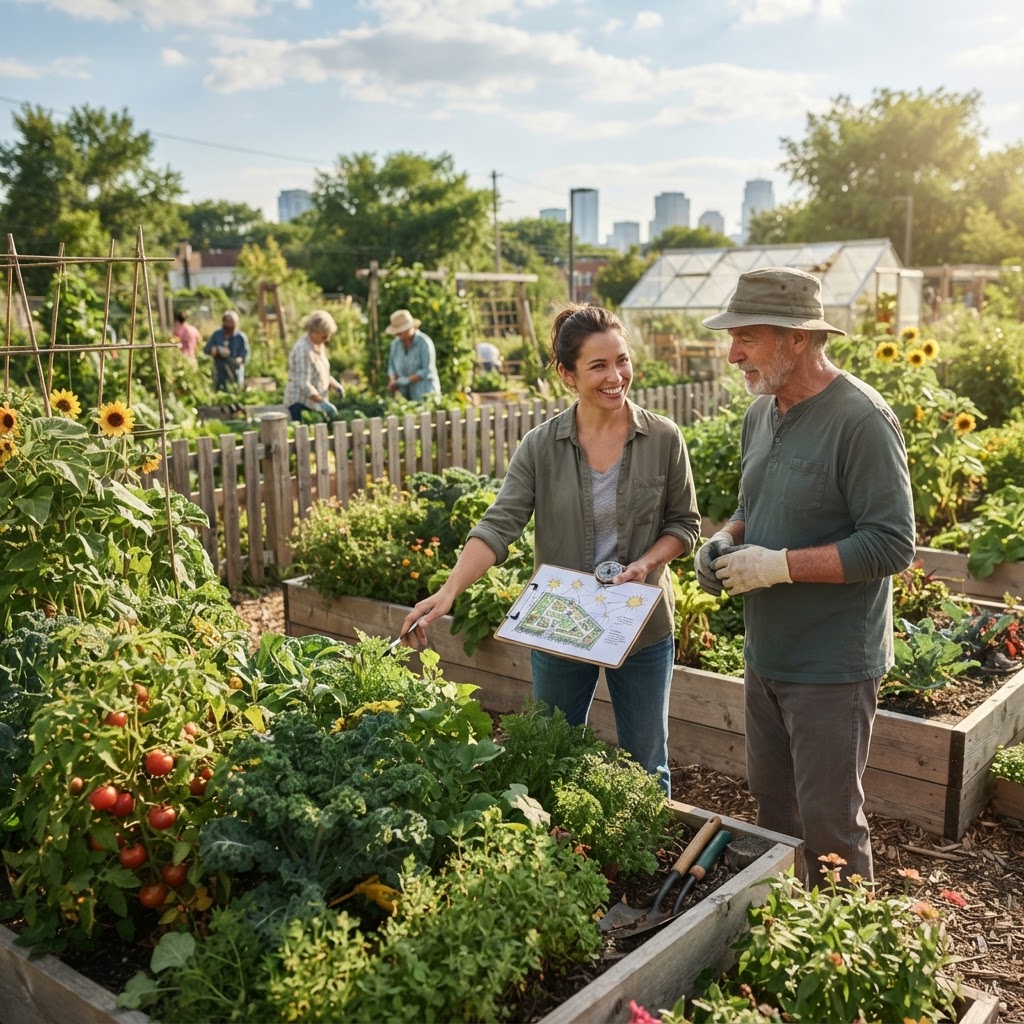
Start by measuring your plot and sketching a simple map. You don't need anything fancy — a rough hand-drawn diagram noting the dimensions, any permanent features like perennial herbs or fruit bushes, and the general orientation (which end faces north, for example) is more than enough. Knowing your layout helps you divide the space logically into zones for rotation.
Record What You've Already Grown
If you're an existing plot holder, dig out any notes you have about what you've planted in previous years. If you're new to your plot, ask the garden coordinator whether any records were kept by previous tenants. Understanding the history of your bed is crucial because rotation only works when you know where each plant family has already been.
Understand Your Garden's Shared Structure
Community gardens often have specific rules about plot use, composting, shared tools, and communal areas. Before you design your rotation, check in with your garden's coordinator or management committee to understand:
- Whether there are shared plots that require agreement from multiple gardeners
- Any restrictions on certain crops (some gardens prohibit invasive plants, for example)
- Access to communal compost or soil amendment resources
- Whether the garden operates on raised beds, in-ground plots, or a combination
Once you have this foundation in place, you're ready to start building your plan.
Why Crop Rotation Matters in Community Gardens
Crop rotation is the practice of deliberately changing which plant families grow in a specific area each season. In a home garden, this is straightforward. In a community garden, where plots are adjacent and soil conditions, pest populations, and disease pressure can easily cross boundaries, it becomes even more important.
Soil Health and Nutrient Management
Different plants draw different nutrients from the soil and contribute different things back to it. Heavy feeders like brassicas and corn deplete nitrogen quickly, while legumes (peas and beans) actually fix nitrogen back into the soil through a symbiotic relationship with soil bacteria. Rotating crops allows the soil to recover and replenish naturally, reducing your reliance on added fertilizers.
Pest and Disease Interruption
Many common garden pests and diseases are host-specific, meaning they target particular plant families. Club root affects brassicas. Potato blight attacks the nightshade family. Onion fly targets alliums. When you grow the same family in the same spot repeatedly, you give these problems time to build up in the soil, where they can survive winter and reinfect the following year's crop. Moving plant families around interrupts this cycle dramatically.
Weed Suppression
Different crops have different growth habits and canopy coverage. Rotating between dense, ground-covering crops and tall, upright ones naturally disrupts the weed life cycle and can reduce your weeding burden over time.
Understanding Plant Families for Rotation
The foundation of any rotation plan is grouping your crops by botanical family rather than by what they produce. This is where many beginners get confused — a tomato and a potato look and taste nothing alike, but they're both nightshades and share the same pest and disease vulnerabilities.
Here are the key plant families to know for a typical community garden rotation:
Brassicas (Cabbage Family): Cabbage, broccoli, cauliflower, kale, Brussels sprouts, kohlrabi, radishes, turnips, and rocket. These are heavy nitrogen feeders and are highly susceptible to club root disease.
Legumes (Pea and Bean Family): Peas, broad beans, French beans, runner beans. These fix nitrogen and improve soil fertility, making them excellent predecessors for hungry crops.
Solanaceae (Nightshade Family): Tomatoes, potatoes, peppers, aubergines, and chillies. Prone to blight and various soil-borne diseases.
Alliums (Onion Family): Onions, leeks, garlic, shallots, and chives. Susceptible to onion fly and white rot.
Umbellifers (Carrot Family): Carrots, parsnips, celery, fennel, parsley. Can be affected by carrot fly and are best grown away from brassicas.
Cucurbits (Squash Family): Courgettes, cucumbers, squash, pumpkins, melons. Heavy feeders that benefit from rich, well-amended soil.
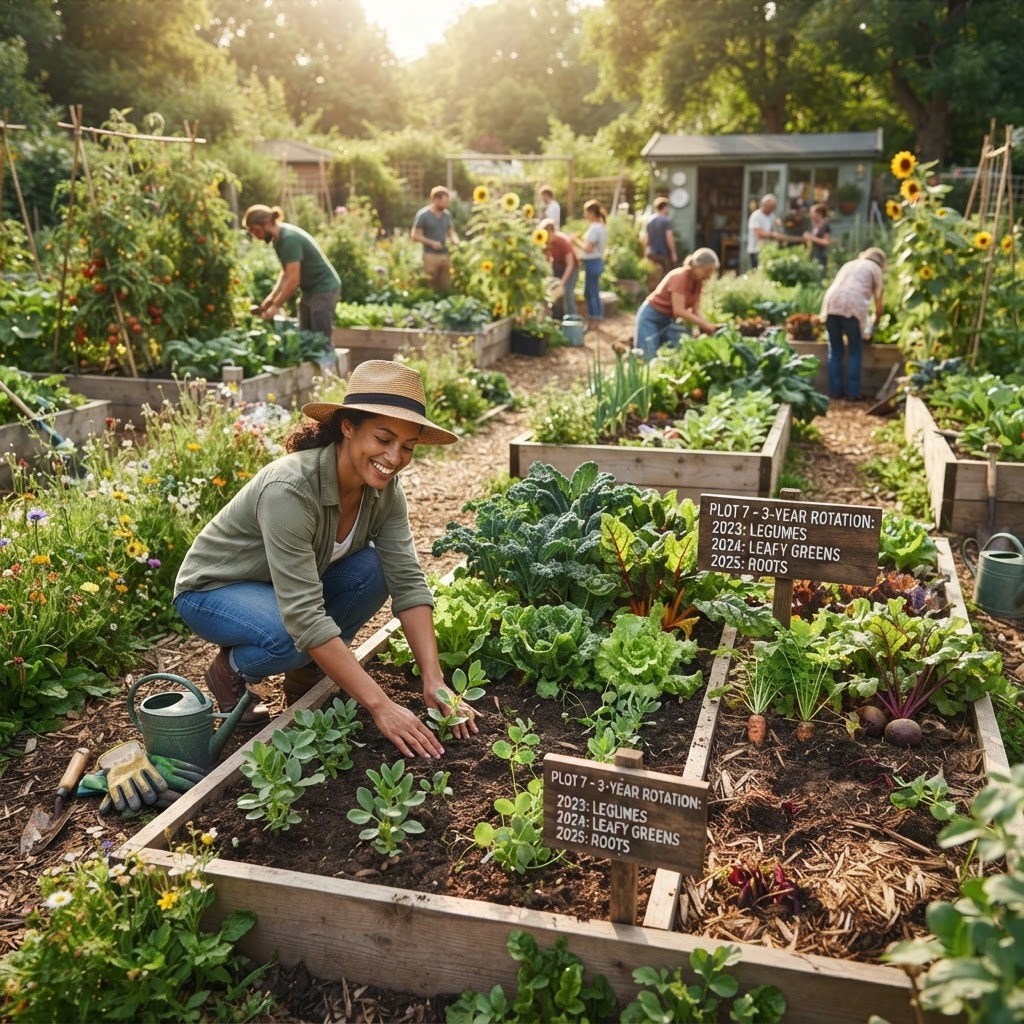
For a 3-year rotation, you'll typically group these families into three broad categories and move them through three zones of your plot year by year.
Designing Your 3-Year Rotation Schedule
A 3-year plan divides your growing space into three roughly equal sections and rotates three groups of crops through them over three years. Here's a practical framework:
Group 1: Root Crops and Brassicas
Includes carrots, parsnips, beets, turnips, swede, radishes, kale, cabbage, and broccoli.
Group 2: Legumes and Alliums
Includes peas, beans, onions, leeks, garlic, and shallots. These improve the soil and prepare it beautifully for the following year's hungry crops.
Group 3: Fruiting and Heavy Feeders
Includes tomatoes, courgettes, squash, peppers, sweet corn, and cucumbers. These plants need the most nutrients and benefit most from the nitrogen left behind by legumes.
The 3-Year Cycle in Practice
| Year | Zone A | Zone B | Zone C | |------|--------|--------|--------| | Year 1 | Group 1 (Roots & Brassicas) | Group 2 (Legumes & Alliums) | Group 3 (Fruiting Crops) | | Year 2 | Group 2 (Legumes & Alliums) | Group 3 (Fruiting Crops) | Group 1 (Roots & Brassicas) | | Year 3 | Group 3 (Fruiting Crops) | Group 1 (Roots & Brassicas) | Group 2 (Legumes & Alliums) |
After three years, each zone has hosted each group once, and the cycle begins again. This ensures that no plant family returns to the same soil for at least three growing seasons — enough time for most soil-borne pests and diseases to decline significantly.
Accounting for Perennials
Many gardeners have permanent plants like asparagus crowns, artichokes, strawberries, or established herb patches. These should be positioned outside your rotation zones in a dedicated perennial bed or corner. Trying to rotate around them creates unnecessary complexity and rarely works well.
Coordinating with Fellow Gardeners
This is where community garden rotation becomes uniquely challenging and uniquely rewarding. When your plots share borders or when you're managing a large communal bed with multiple stakeholders, communication is everything.
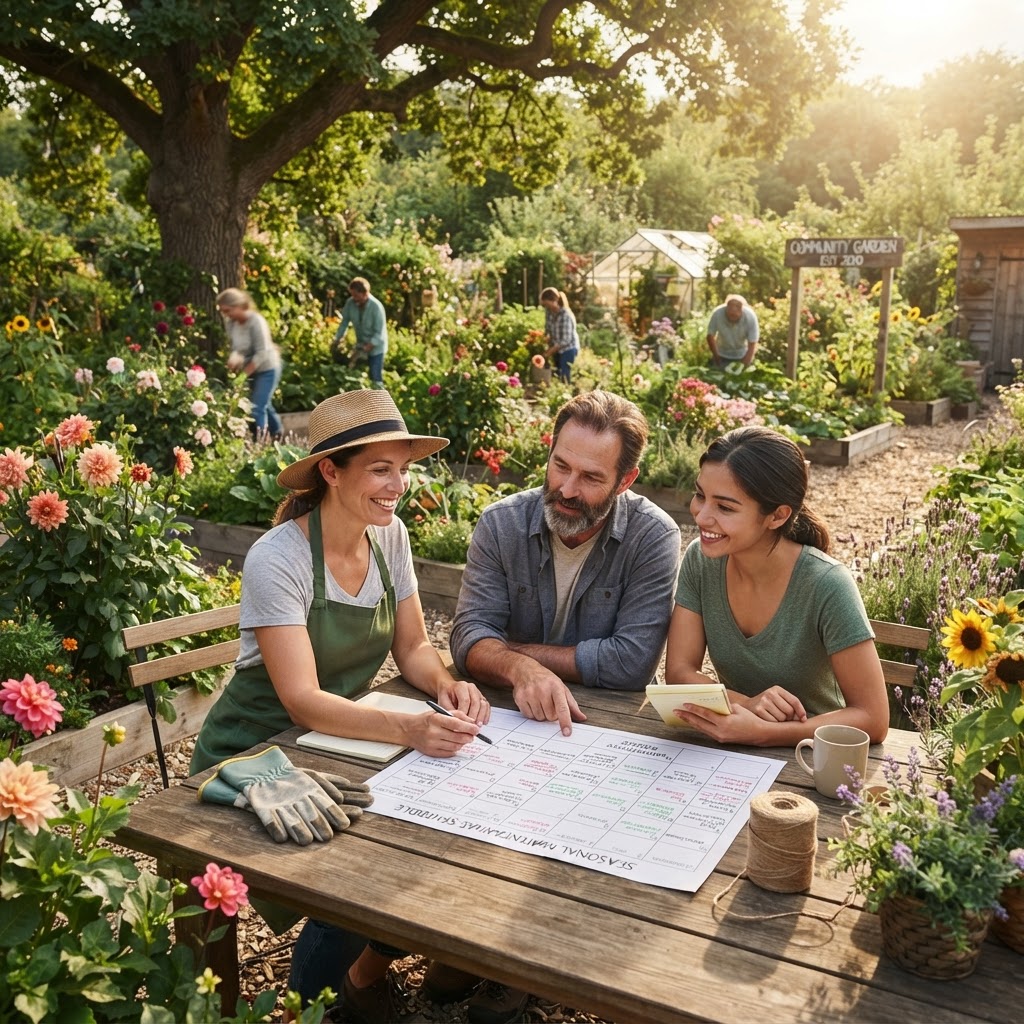
Hold a Planning Meeting Before the Growing Season
Ideally, gather your fellow plot holders in late winter or early spring — before anyone has started sowing — to discuss the year's planting plans. A short, informal meeting where everyone shares what they plan to grow helps identify potential conflicts and allows for coordinated rotation decisions.
Use a Shared Plot Map
Create a simple map of the communal growing area and update it each season with what's been planted where. A shared notebook kept in a communal shed, a laminated chart on a notice board, or even a simple shared document can serve this purpose. Visual records make rotation planning much easier.
Be Flexible and Negotiate
Not everyone will have the same preferences or needs. One gardener might be passionate about tomatoes and want to grow them every year. Another might have limited time and prefer low-maintenance root crops. The key is finding a workable compromise that respects individual preferences while maintaining the core rotation principles. Sometimes a small deviation is acceptable as long as the overall system remains largely intact.
Designate a Plot Coordinator
In shared plots with three or more gardeners, it helps to have one person who takes responsibility for keeping the rotation records, reminding others about the plan at the start of each season, and flagging any problems. This role doesn't have to be permanent — it can rotate annually, much like the crops themselves.
Common Mistakes to Avoid
Even well-intentioned gardeners can undermine their rotation plan with a few common errors. Here's what to watch out for:
Growing the Same Family in Adjacent Zones: Rotation only works if plant families are genuinely separated. Placing brassicas in Zones A and B simultaneously, even in different years, gives pests and diseases an easy bridge between areas.
Forgetting to Account for Volunteer Plants: Potatoes and tomatoes are notorious for self-seeding or growing from missed tubers. A "volunteer" tomato growing in your brassica zone effectively breaks your rotation for that area. Remove volunteers promptly.
Neglecting Green Manures Between Crops: If a zone sits empty between rotations, it's a missed opportunity. Sow a green manure like mustard or clover to protect the soil, suppress weeds, and add organic matter. Just be aware that mustard is a brassica and should be dug in well before brassica crops follow.
Rotating Too Frequently or Not Enough: Three years is a well-established minimum for most soil-borne diseases to decline to manageable levels. Rotating annually (a 1-year rotation) doesn't give the soil long enough to recover and can actually be less effective than no rotation at all.
Failing to Amend Soil Between Rotations: Rotation works best when combined with good soil management. Add compost and organic matter at the end of each season, especially in zones that hosted heavy-feeding fruiting crops.
Assuming All Gardeners Are Following the Plan: In shared plots, check in regularly. A well-meaning gardener who didn't attend the planning meeting might unknowingly plant nightshades where they were last year. Regular, friendly communication prevents these slip-ups.
Tips for Success
With the fundamentals in place, here are some practical strategies to help your 3-year rotation run smoothly year after year:
Keep a Simple Garden Journal: A notebook or even a folder of photographs taken at the start and end of each season is invaluable. Memory fades, but records don't.
Label Your Zones Clearly: Use stakes, painted stones, or weatherproof labels to mark your three zones. This makes it easier for everyone using the plot to understand the layout.
Start with What You Actually Eat: Rotation works best when it's filled with crops you're genuinely going to harvest and use. Build your plan around your favorite vegetables and fill in the gaps, rather than growing things you don't want just to fill a zone.
Embrace Cover Crops and Green Manures: These aren't just filler — they actively improve your soil. Field beans, winter tares, and phacelia are all excellent choices depending on your climate and season.
Introduce Companions Within Zones: Companion planting and rotation aren't mutually exclusive. Within each zone, you can still practice companion planting (like growing basil near tomatoes) while maintaining the overall family-based rotation structure.
Review and Adjust Annually: Your first plan won't be perfect, and that's completely fine. Review what worked at the end of each season, note any pest or disease problems, and adjust accordingly. Rotation is a living system, not a rigid formula.
Share Knowledge with New Plot Holders: When someone joins your shared plot or garden, take the time to walk them through the rotation system. New gardeners who understand the reasoning behind the plan are far more likely to respect and maintain it.
Conclusion
A 3-year crop rotation plan might sound like a technical undertaking, but at its heart, it's simply about working with nature rather than against it. By moving plant families around your plot in a structured way, you harness the natural cycles of nutrient exchange, break the life cycles of pests and diseases, and build a more resilient growing space year by year.
In a community garden setting, this approach becomes a shared act of stewardship. When you and your fellow gardeners commit to a coordinated rotation plan, you're not just improving your individual harvests — you're investing in the long-term health of the entire garden. That's the spirit of community gardening at its best.
Start simple, communicate openly, keep good records, and give the system time to work. After three full cycles, you'll likely find yourself with healthier soil, fewer pest problems, and a deeper understanding of your garden than you ever thought possible.