Getting Started
Starting a community garden from scratch is one of the most rewarding things a neighborhood can do together. Whether you're dreaming of converting a vacant lot into a lush growing space, or you want to bring neighbors together over shared beds of tomatoes and herbs, a community garden creates far more than just fresh produce — it builds relationships, improves well-being, and strengthens the fabric of a neighborhood.
But let's be honest: getting a community garden off the ground takes real planning, patience, and people power. If you've been wondering where to even begin, you're in the right place. This guide walks you through every major step, from identifying a location to harvesting your first season's crops together.
Before diving in, take a moment to think about your "why." Are you hoping to give residents access to fresh vegetables? Create a green space for relaxation and education? Bring together diverse members of the community? Knowing your core goals will help you make smarter decisions at every stage of the process.
Finding the Right Location
The success of your community garden depends heavily on where it's located. A beautiful plot of land with terrible sun exposure won't grow much food, and a perfectly sunny site that nobody can easily reach won't attract consistent volunteers.
Evaluating Sun and Soil
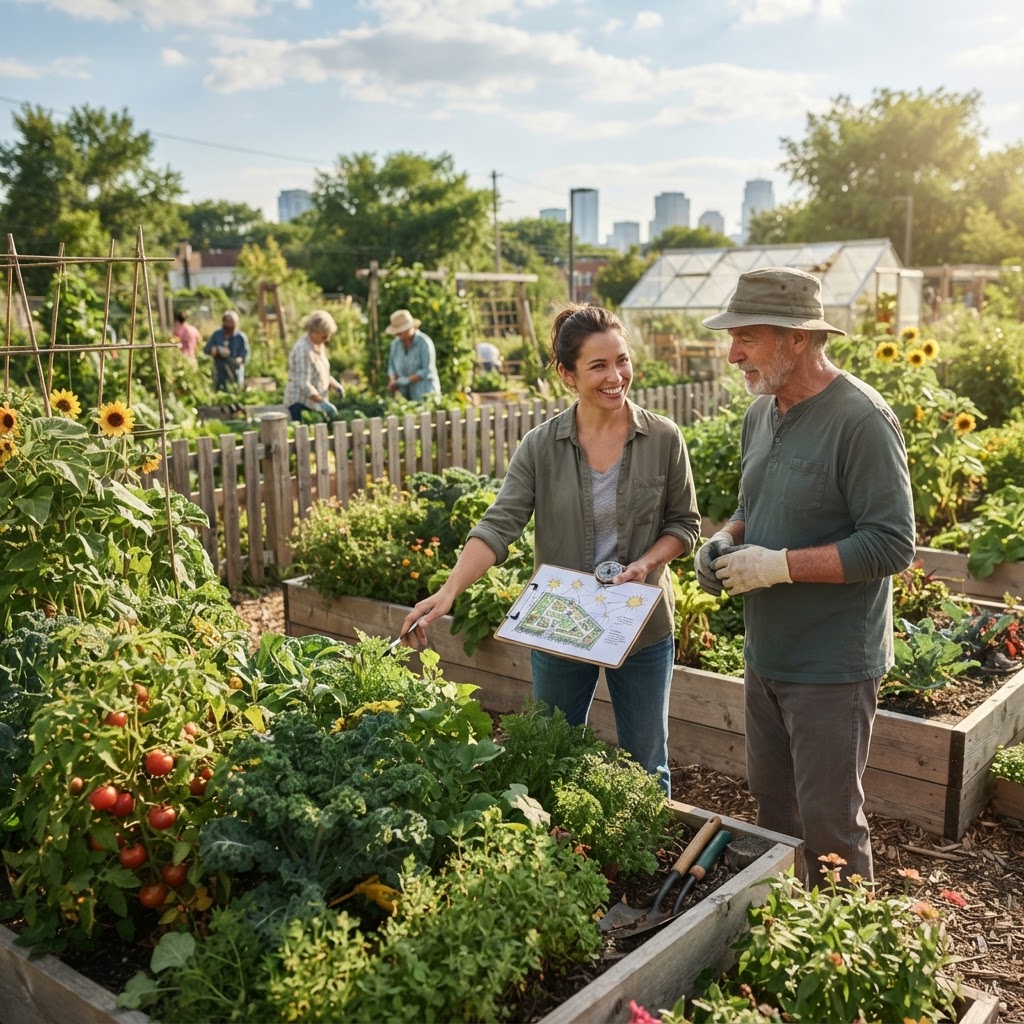
Most vegetables need at least six to eight hours of direct sunlight per day. When scouting locations, visit potential sites at different times of day to observe how sunlight moves across the space. Avoid areas heavily shaded by tall buildings or mature trees — while shade gardens are possible, they significantly limit what you can grow.
Soil quality is equally important. If the site has been previously developed, it may have compacted soil or even contaminated ground. Consider getting a basic soil test done before committing to a location. Many cooperative extension offices and local universities offer affordable soil testing services. If the soil is contaminated or of poor quality, raised beds filled with purchased soil can be a practical workaround.
Access and Convenience
A garden that's hard to get to won't attract gardeners. Look for sites that are:
- Close to where your target community members live
- Accessible by foot, bicycle, or public transit
- Near a reliable water source
- Visible enough to discourage vandalism
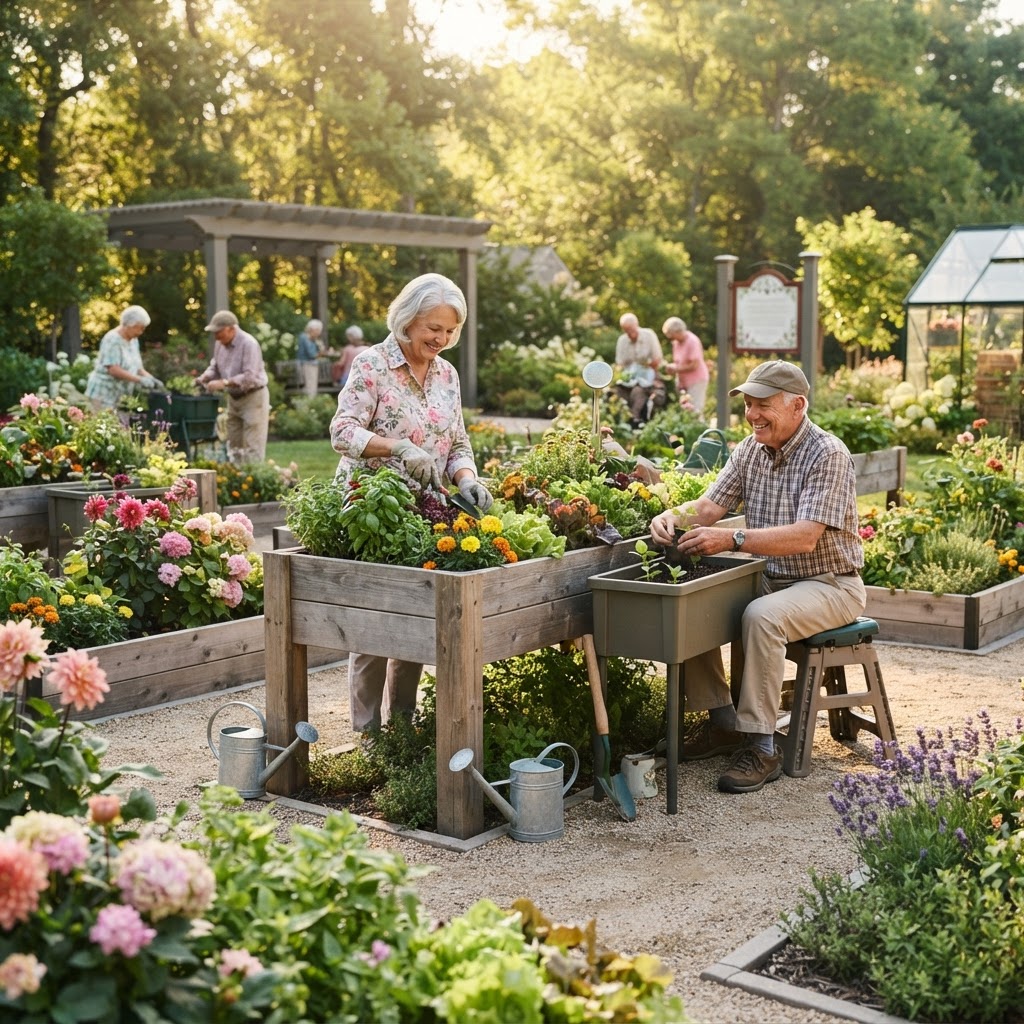
Don't overlook accessibility for people with mobility challenges. Wide pathways and raised beds can make the garden welcoming for everyone.
Securing Land Use Permission
Once you've identified a promising site, you need permission to use it. Potential land sources include:
- Municipal land: Contact your local parks department or city government. Many cities actively support community gardens and may even provide land grants or leases at low cost.
- Private landowners: Some property owners are open to temporary or long-term land use agreements, especially if the garden improves the appearance of unused land.
- Schools or churches: Institutions often have underused outdoor space and appreciate the community engagement that gardens bring.
Get any land use agreement in writing. Even informal arrangements should be documented to protect your group's investment of time and resources.
Building Your Community
A garden without gardeners is just a plot of dirt. Building a committed, enthusiastic group of people is arguably the most important work you'll do in the early stages.
Starting the Conversation
Host informal interest meetings in community spaces like libraries, recreation centers, or local cafés. Keep early meetings welcoming and low-pressure — people are more likely to show up if they feel like they can contribute rather than being asked to sign up for something overwhelming.
Use multiple outreach channels to reach diverse community members:
- Flyers in laundromats, grocery stores, and community bulletin boards
- Posts in neighborhood social media groups and apps
- Word of mouth through local schools, faith communities, and civic organizations
- Announcements at existing community events
Finding Your Core Group
Not everyone who attends an interest meeting will become a long-term volunteer — and that's okay. What you're looking for at this stage is a core group of five to fifteen people who are genuinely committed to making the garden happen. These are the folks who will show up to planning meetings, help secure funding, and lead work days.
Within your core group, identify people with useful skills: someone with organizational experience can handle administration, a person with gardening knowledge can advise on planting, and someone with connections to local businesses or government can help with outreach and funding.
Keeping People Engaged
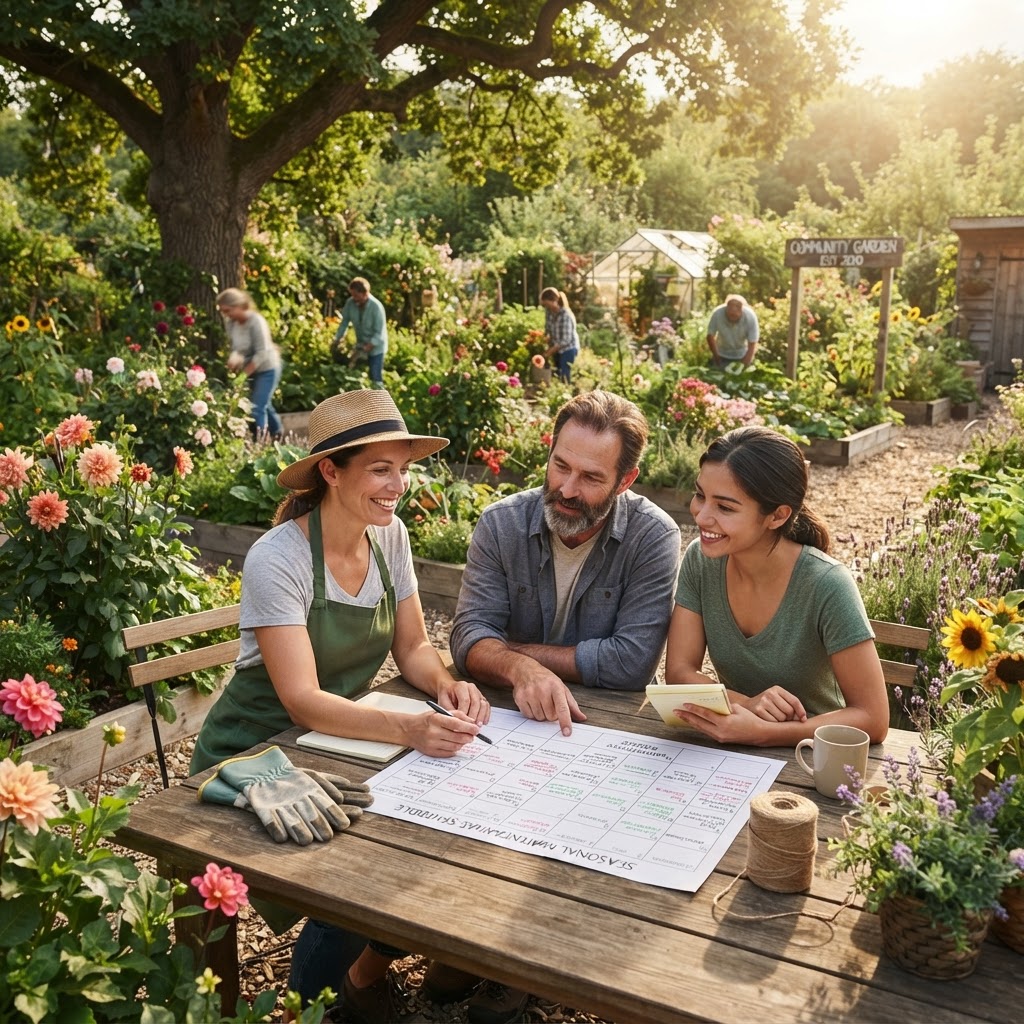
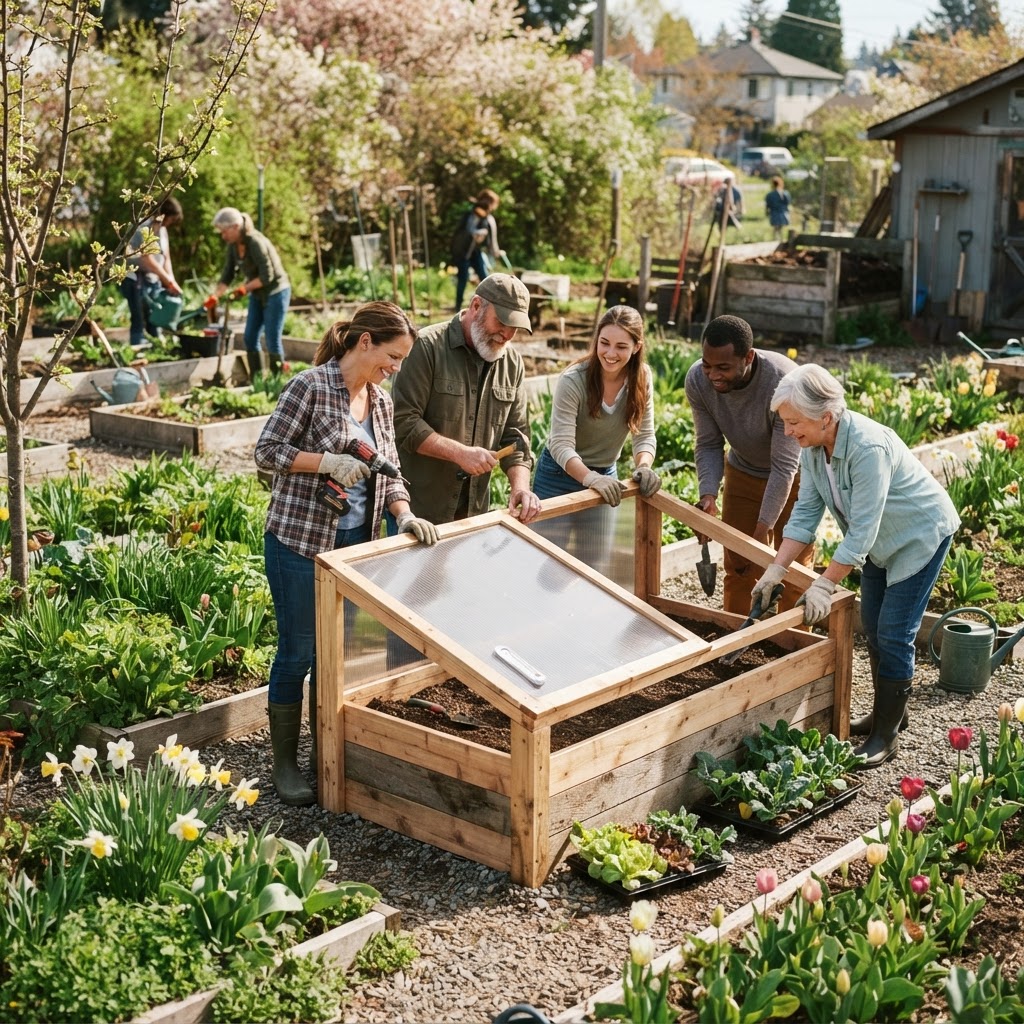
Community building doesn't stop once the garden opens. Regular social events — potlucks, planting parties, harvest festivals — keep members connected and remind everyone why the garden exists. Create a simple communication system, whether that's a group email list, a messaging app, or a shared bulletin board at the garden, so members stay informed and involved.
Designing Your Garden Layout
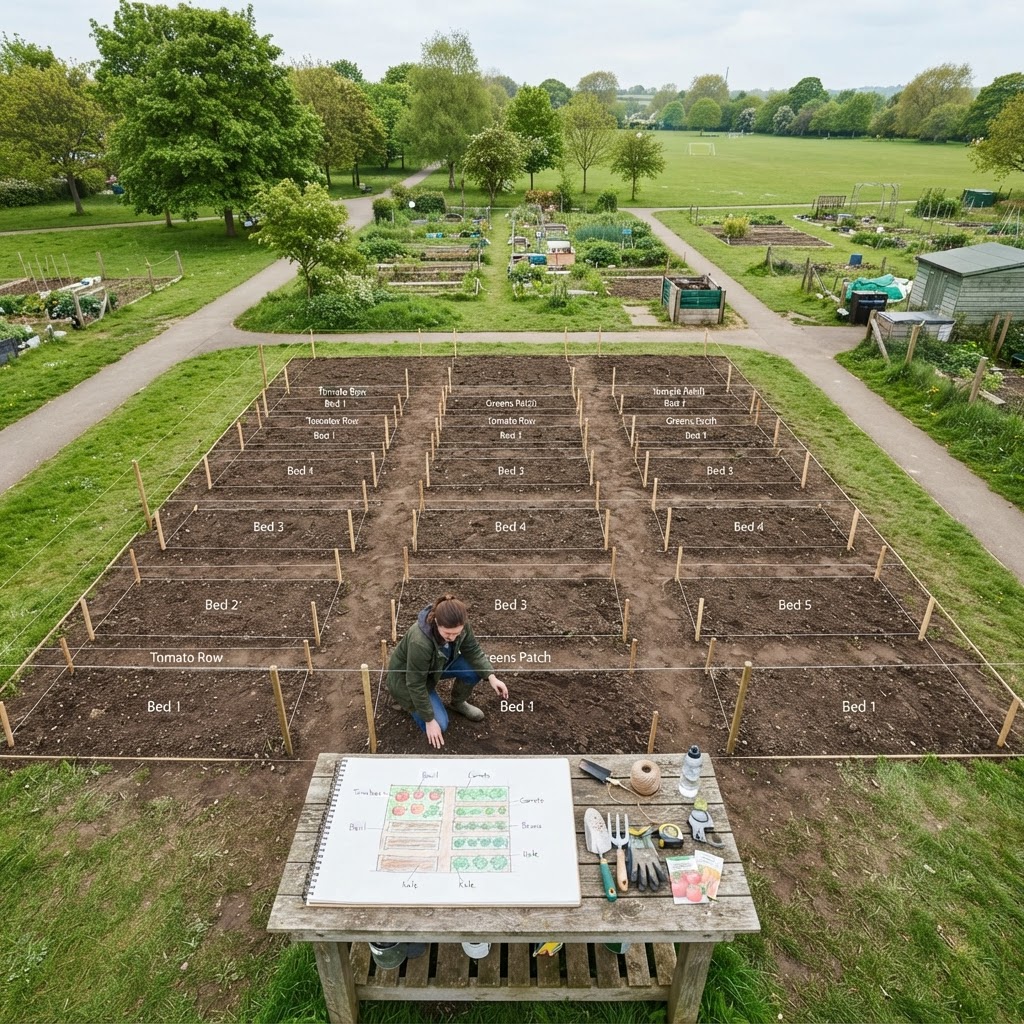
A thoughtful design makes your garden more functional, beautiful, and easy to manage. You don't need to be a professional landscape architect, but taking time to plan before you dig will save you a lot of headaches later.
Deciding on Plot Structure
Community gardens typically use one of two models:
- Individual plots: Each member is assigned their own growing space to manage independently. This model is popular because it gives people autonomy over what they grow and how they tend their beds.
- Collective growing: The whole garden is managed cooperatively, with everyone working together and sharing the harvest. This model requires more coordination but can create a stronger sense of shared purpose.
Many successful gardens use a hybrid approach — individual beds for members who want personal space, plus a communal area where the whole group grows together.
Planning Pathways and Infrastructure
Plan for pathways that are at least three feet wide so that wheelbarrows, wheelchairs, and strollers can move through comfortably. Main access paths should be wider — around five feet — especially if they lead to a central gathering area.
Think about where you'll place key infrastructure elements:
- Water access: Locate water spigots centrally so no plot is too far from a water source. Consider installing a rain barrel or two to supplement municipal water.
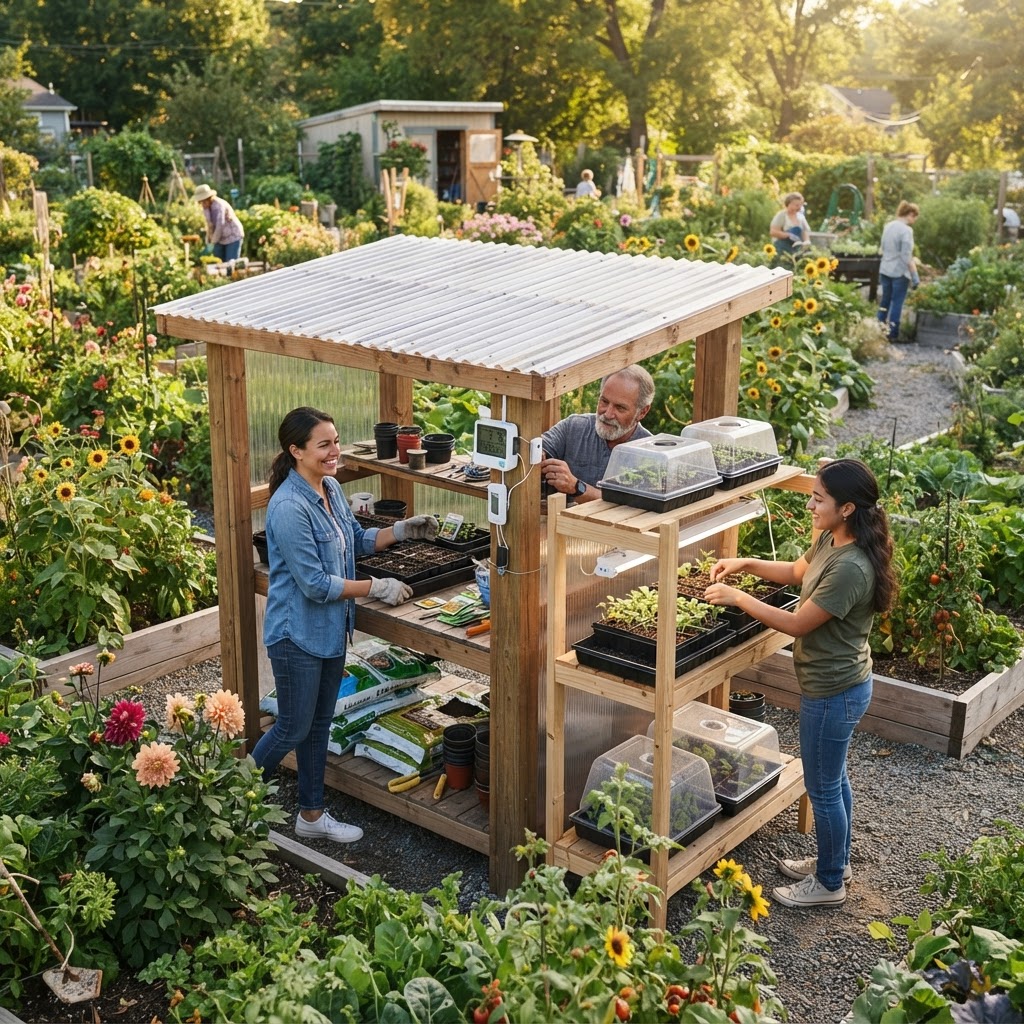
- Tool storage: A lockable shed or storage box keeps shared tools secure and accessible. Site it near the main entrance for convenience.
- Compost area: Every garden needs a composting system. Locate your compost bins in a spot that's accessible but not directly adjacent to gathering areas.
- Gathering space: Even a simple bench or picnic table gives members a place to rest, chat, and share meals.
Considering Plant Placement
If your garden includes communal growing areas, plan for taller plants like corn or sunflowers on the north side so they don't shade shorter crops. Group plants with similar water needs together to make irrigation more efficient. Leave space for perennial plantings like fruit bushes or herb beds that will return year after year.
Securing Funding and Resources
Community gardens can be started on a shoestring budget, but having some funding makes a significant difference in what you can build and how quickly you can get growing.
Identifying Funding Sources
Start by looking locally:
- Local government grants: Many municipalities have small grants available for community improvement projects, including gardens.
- Neighborhood associations: If your area has a neighborhood association, they may have discretionary funds available for community initiatives.
- Local businesses: Hardware stores, garden centers, and grocery stores are often willing to donate tools, seeds, or supplies in exchange for recognition.
- Fundraising events: A garden sale, bake sale, or crowdfunding campaign can raise both money and awareness at the same time.
Don't overlook in-kind donations. Ask members if they have surplus tools, lumber for raised beds, or unused seeds to contribute. Many gardeners are happy to share what they have with a worthwhile cause.
Managing Your Budget
Create a simple budget before you start spending. Estimate costs for:
- Soil amendments and compost
- Seeds and starter plants
- Lumber or materials for raised beds
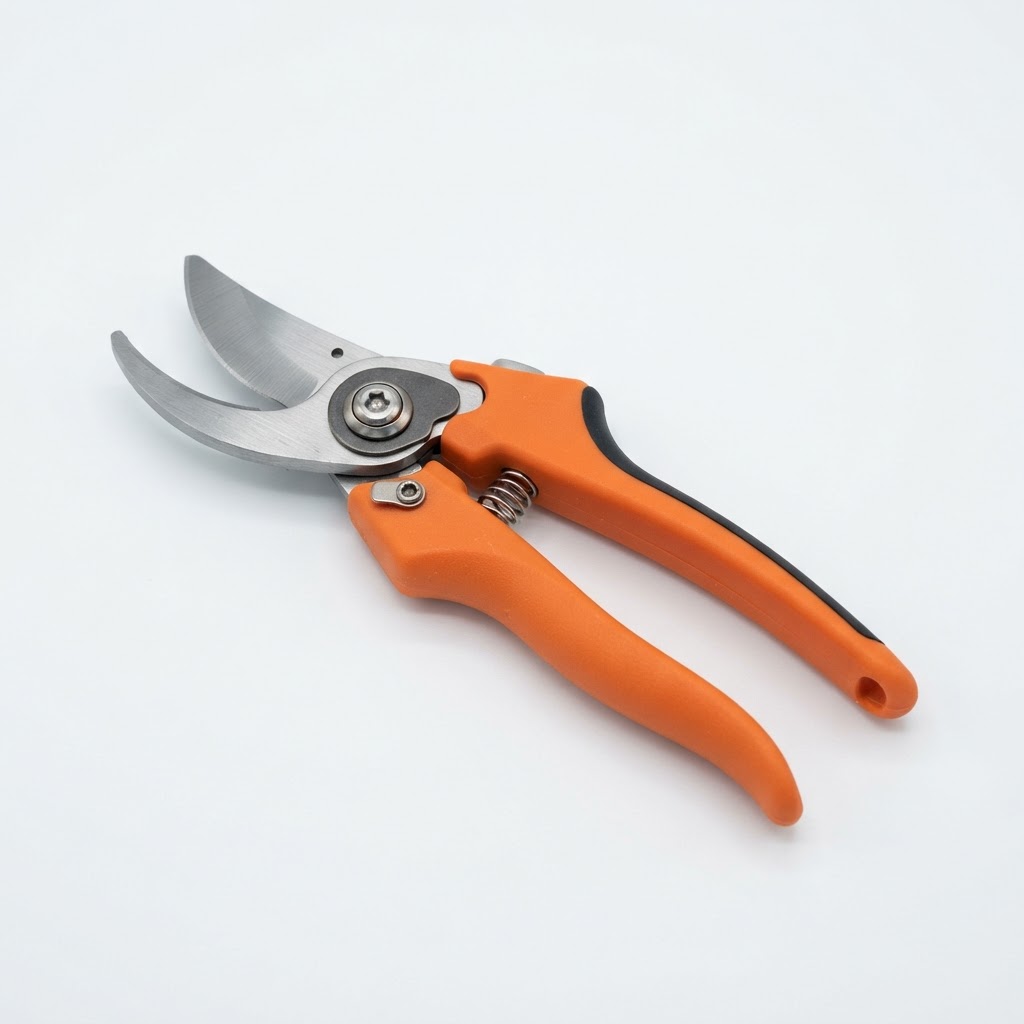
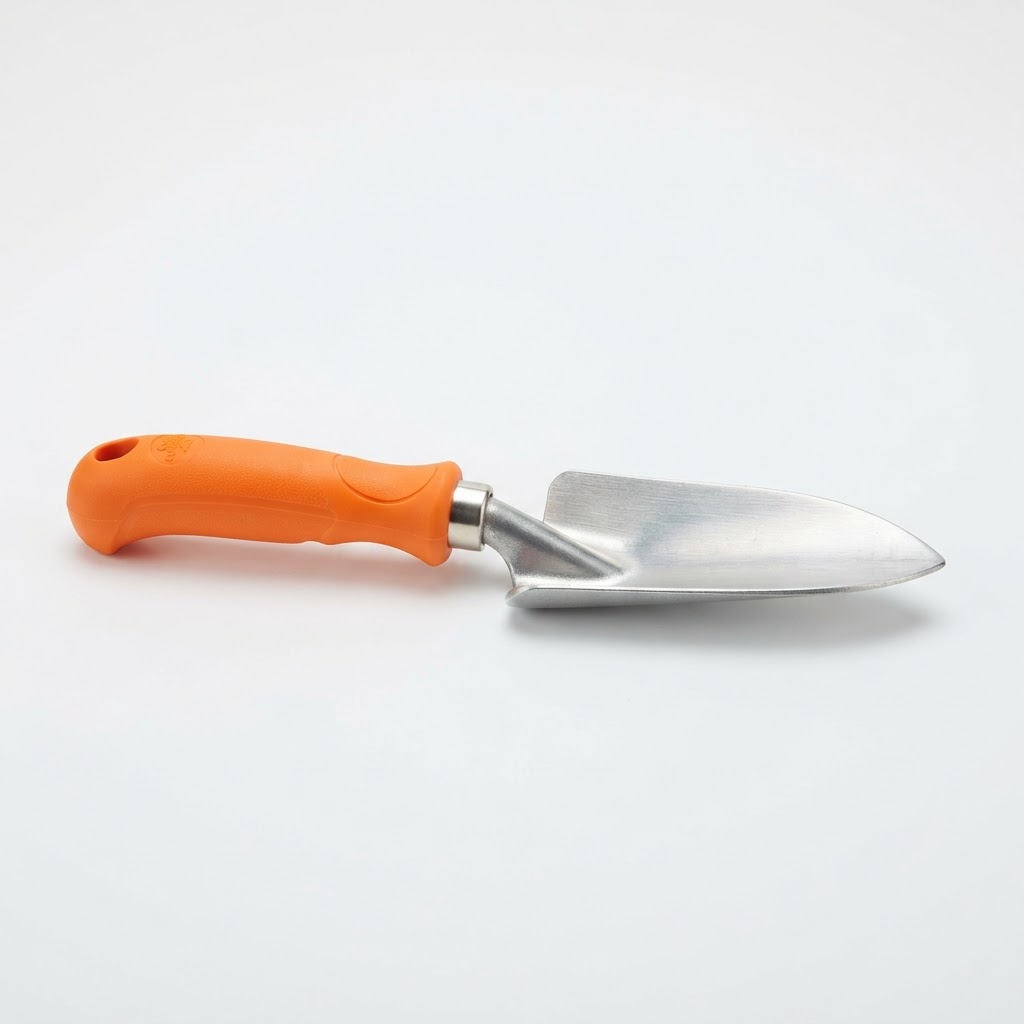
- Tools (shovels, rakes, hoes, watering cans, hoses)
- Water access infrastructure
- Fencing or security measures
- Signage and communication materials
Track your income and expenses carefully from the beginning. Transparent financial management builds trust among members and makes it easier to apply for future funding.
Establishing Rules and Governance
Clear, fair rules prevent conflict and help your garden run smoothly. Establishing governance structures early — before issues arise — is one of the best things you can do for your garden's long-term health.
Creating a Member Agreement
Every gardener who takes on a plot or participates in the communal garden should sign a simple member agreement. This document typically covers:
- Plot maintenance expectations (minimum hours per week or month)
- Rules around organic growing practices, if applicable
- Policies on sharing, harvesting, and waste management
- Consequences for not maintaining a plot or violating community rules
Keep the agreement simple and clear. It should feel like a community compact, not a legal document.
Forming a Steering Committee
A small steering committee or leadership team can handle day-to-day decisions without requiring the whole group to meet every time something comes up. Rotate leadership positions annually so that no single person carries all the responsibility and new ideas keep coming in.
Conflict Resolution
Disputes over plot boundaries, water usage, or maintenance standards are common in community gardens. Having a clear process for resolving conflicts — like bringing concerns to the steering committee before escalating — prevents small disagreements from becoming divisive.
Preparing the Soil and Infrastructure
With your location secured, your community assembled, and your plans in hand, it's time to get physical. Preparing the site well sets the foundation for years of productive growing.
Clearing and Soil Preparation
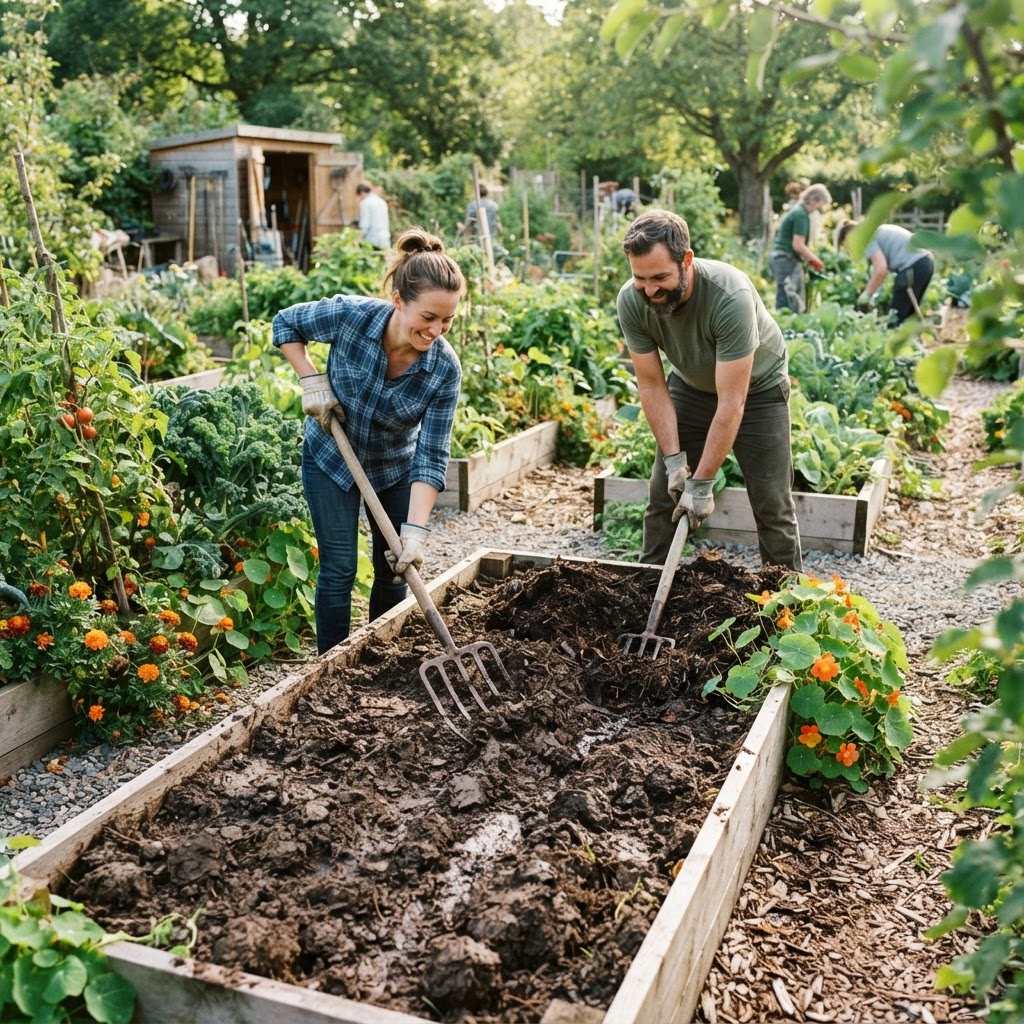
Start by clearing the site of weeds, debris, and any materials that don't belong. If the ground is compacted, turn it over with a broadfork or tiller. Add generous amounts of compost to improve soil structure and fertility — a layer of two to four inches worked into the top foot of soil makes a tremendous difference.
If you're installing raised beds, fill them with a mix of topsoil, compost, and other amendments like vermiculite or aged manure. Avoid using soil sourced from unknown locations, which may carry weed seeds or contaminants.
Installing Water Systems
At minimum, you need a hose connection and enough hose length to reach every part of the garden. Consider installing a basic drip irrigation system for raised beds — it saves water and reduces the amount of time members need to spend watering. Label spigots and hoses clearly so everyone knows how to use them responsibly.
Building Beds and Pathways
If using raised beds, untreated cedar or pine lumber works well and lasts for many seasons. Beds that are four feet wide allow gardeners to reach the center from either side without stepping in the soil. Mulch your pathways with wood chips or straw to suppress weeds and keep feet clean.
Launching and Growing Your Garden
After all the planning and preparation, opening day is a moment worth celebrating. Make your first official garden day a community event — invite neighbors, local officials, and media if appropriate. Celebrate the work that got you here.
Your First Growing Season
Start simply. Your first season is a learning experience for everyone involved. Encourage members to grow crops they already know and love, and organize a few group growing experiments in communal beds. Document what works and what doesn't — keeping a simple garden journal helps future seasons run more smoothly.
Maintaining Momentum
The most common reason community gardens fail isn't bad soil or lack of funding — it's a loss of energy and engagement over time. Keep momentum going by:
- Hosting regular work days with a social component
- Celebrating milestones like the first harvest or the end of a successful season
- Welcoming new members and giving them meaningful roles
- Connecting with other community gardens in your area to share ideas and inspiration
Conclusion
Starting a community garden from scratch is a big undertaking, but it is absolutely within reach for any motivated group of neighbors. The process — from finding land and building your community to designing your layout and planting your first seeds — is as much about people as it is about plants.
Take it one step at a time, celebrate your progress along the way, and remember that the garden will grow and improve with each passing season. The relationships you build and the green space you create together will benefit your neighborhood for years to come.
At Community Garden Shop, we're here to support every step of your journey. Whether you need advice on tool selection, raised bed materials, or seasonal planting guides, our resources are designed to help community gardens thrive.