A thriving community garden doesn't happen by accident. Behind every productive, beautiful shared growing space is a thoughtful plan that guides decisions over months and years. Whether your community garden is just getting started or you're looking to grow beyond its current boundaries, developing a long-term master plan is one of the most valuable investments of time your group can make.
This guide walks you through the process of creating a realistic, flexible, and community-driven master plan for garden expansion — one that keeps volunteers engaged, resources flowing, and vegetables (and flowers!) growing for years to come.
Getting Started
Before you sketch a single bed on paper or make any decisions about expansion, take a breath and embrace one important truth: the best master plans are living documents, not rigid blueprints. They need to grow and adapt along with your community.
A master plan for garden expansion is essentially a roadmap that outlines where your garden is now, where you want it to go, and how you're going to get there — broken down into manageable phases over a period of years. It considers space, resources, people, and purpose.
To get started, you'll need a few things:
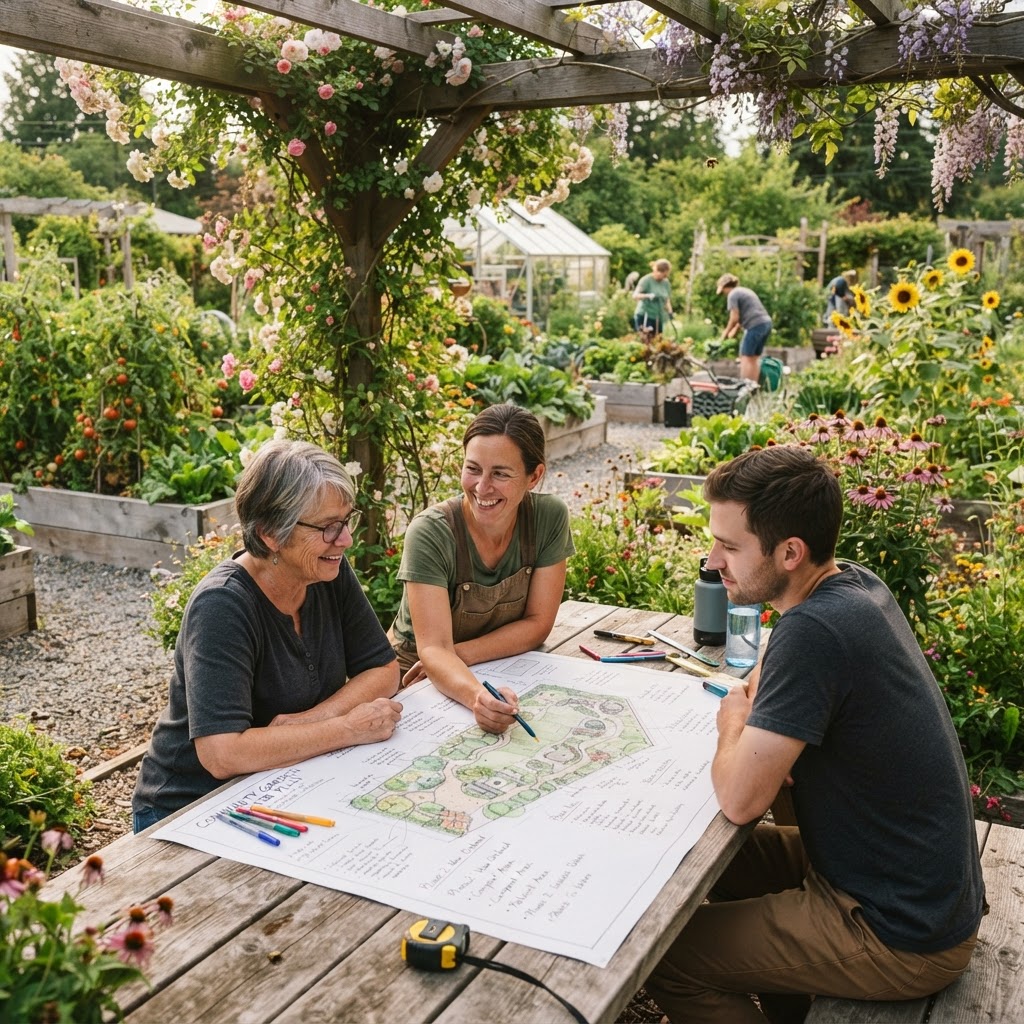
- A dedicated planning group: This doesn't have to be large. Three to five engaged community members can form an effective planning committee. Include people with different skills — someone who knows the land, someone who's good with budgets, and someone who excels at community outreach.
- A blank notebook or digital document: You'll be gathering a lot of information before you start making decisions.
- Time for honest assessment: Planning requires looking at what isn't working just as much as celebrating what is.
- Community input: A master plan created in isolation rarely earns the buy-in it needs to succeed.
Start by scheduling an initial planning meeting and inviting all current garden members. Let the community know that their voices will shape the garden's future. This early inclusivity sets the tone for everything that follows.
Understanding Your Current Garden
You can't plan where to go until you clearly understand where you are. This phase is all about honest assessment.
Conducting a Garden Audit
Walk every inch of your current garden space with a notepad or phone camera. Document the following:
- Plot layout and usage: Which beds are actively used? Which sit empty or underutilized?
- Infrastructure: Note the condition of pathways, fencing, water access points, storage sheds, composting areas, and signage.
- Soil health: Have any areas been tested recently? Are there spots where drainage is poor or compaction is a problem?
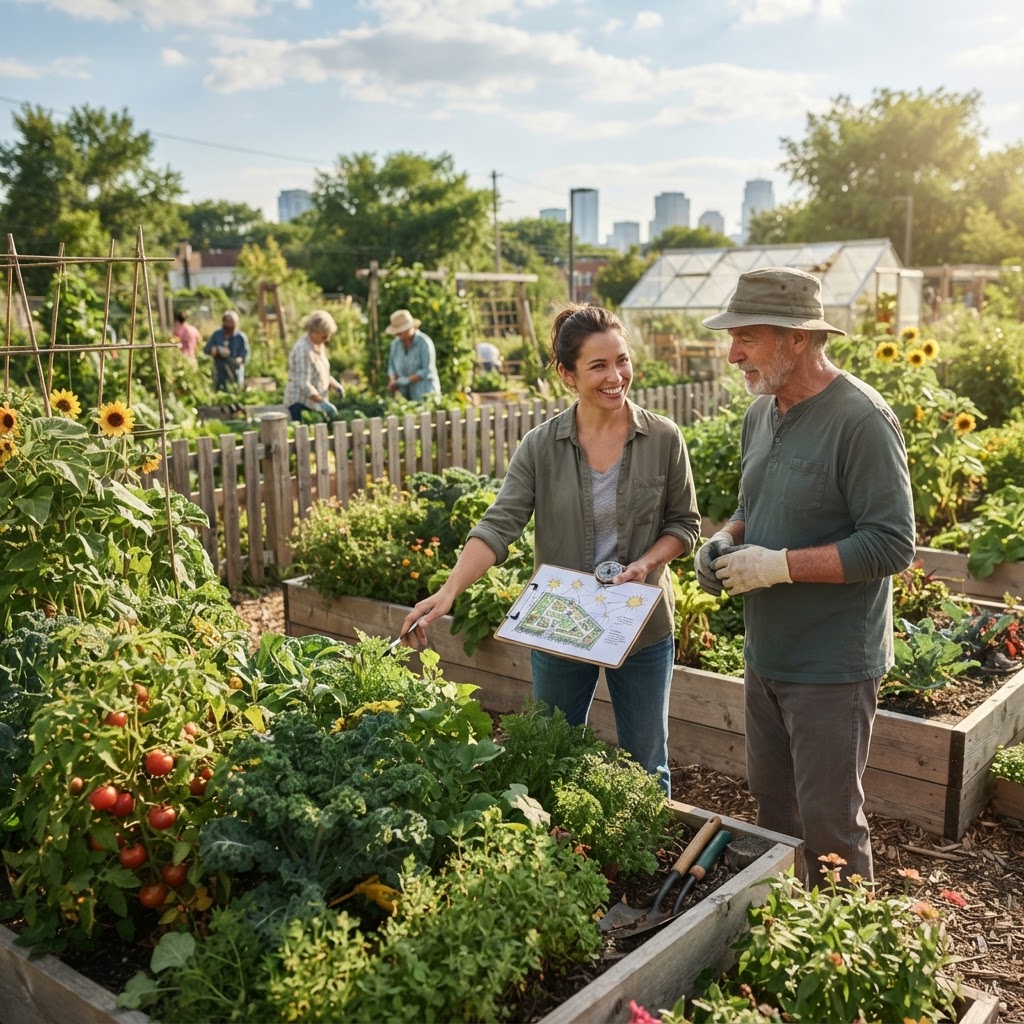
- Sun and shade patterns: Understanding how light moves across your garden throughout the day and across seasons is critical for planning new growing areas.
- Existing challenges: Pest pressure, weed corridors, access difficulties — document them all.
Talking to Your Gardeners
The people who work in the garden every week have knowledge that no survey or audit can fully capture. Host informal conversations or distribute a simple questionnaire asking members what they love, what frustrates them, and what they wish the garden had. Common themes will emerge quickly and should strongly influence your planning priorities.
Reviewing Your Garden's History
If your community garden has been around for a few years, look back at past meeting minutes, photos, and any previous planning documents. Understanding decisions that were made before — and why — helps you avoid repeating past mistakes and builds on what has already worked.
Setting Goals and Vision
With a clear picture of your current situation, your planning committee can begin building the vision for the future.
Defining Your Garden's Core Purpose
Community gardens serve many different purposes. Some focus on food production for member families. Others prioritize education for children. Some serve as green therapeutic spaces or community gathering hubs. Many do all of these things at once. Clarifying your primary purpose helps you make decisions when priorities conflict.
Ask your community: Why does this garden exist? Who does it serve? What would success look like in five years?
Writing a Vision Statement
A short, clear vision statement acts as a north star for all planning decisions. It doesn't need to be formal or fancy — something like "A welcoming, productive garden that feeds families and builds community across all seasons" can be enough. Post it at the top of every planning document so it stays front of mind.
Setting SMART Expansion Goals
Vague goals lead to vague outcomes. Be specific about what expansion means for your garden. Use the SMART framework:
- Specific: Add six new raised beds in the underused southeast corner
- Measurable: Increase total growing capacity by a defined number of plots
- Achievable: Based on available land, funding, and volunteer capacity
- Relevant: Aligned with your core vision and community needs
- Time-bound: Achieve this by a specific season or year
Write down three to five SMART goals that will anchor your master plan.
Mapping Out Your Expansion
Now comes the part most gardeners enjoy most — actually designing the expanded space.
Creating a Base Map
Start with an accurate scaled drawing of your current garden and any adjacent land you're considering for expansion. Graph paper works well for this. Include fixed features like structures, trees, utility lines, and water sources. Many community groups also use free online tools or simple drawing apps to create digital versions.
Identifying Expansion Zones
Look at your available land and divide it into potential expansion zones based on their characteristics:
- High priority zones: Full sun, good drainage, easy water access — ideal for food production
- Secondary zones: Partial shade or moderate access challenges — good for perennials, herbs, or seating areas
- Long-term zones: Land that may require significant infrastructure work before it's usable
Labeling zones this way helps you phase the expansion sensibly rather than trying to develop everything at once.
Designing with Accessibility in Mind
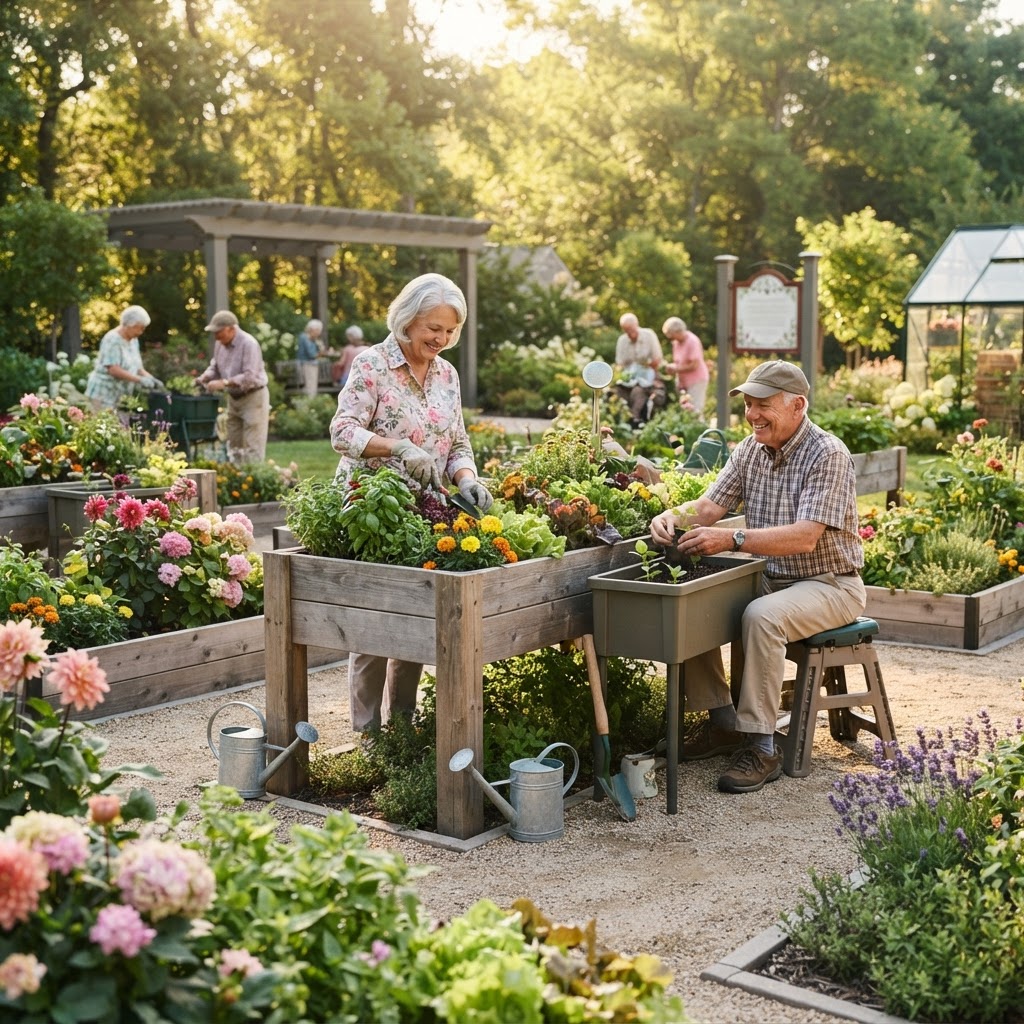
As you plan new areas, build accessibility into the design from the beginning rather than retrofitting it later. Wide pathways (at least four feet), raised beds at accessible heights, smooth surfaces for wheelchairs and strollers, and accessible water sources make the garden welcoming for everyone in your community, regardless of age or ability.
Managing Resources and Budget
Even the most beautiful master plan stalls out without the resources to execute it.
Estimating Costs
Break your expansion goals into specific projects and estimate costs for each. Common budget items include lumber for raised beds, soil and compost, fencing, water line extensions, pathway materials, signage, tools, and storage solutions. Get real quotes from local suppliers whenever possible rather than working from rough guesses.
Identifying Funding Sources
Community gardens often have access to more funding options than they realize:
- Grants: Many local governments, foundations, and agricultural organizations offer grants for community gardens. Research what's available in your region.
- Community fundraising: Plant sales, garden tours, seasonal dinners, and crowdfunding campaigns can raise meaningful funds.
- In-kind donations: Local businesses may donate materials, equipment, or services. Lumber yards, garden centers, and landscaping companies are good places to start.
- Membership fees and plot rentals: If your garden charges fees, consider whether a modest increase could fund expansion.
Building a Realistic Timeline
One of the most common planning pitfalls is over-committing in the first year. Spread your goals across multiple phases. A typical community garden master plan runs three to five years, with clear milestones at the end of each growing season.
Building Community Support
No master plan succeeds without the people behind it. Investing in community engagement is as important as any physical improvement.
Communicating the Vision Widely
Don't keep the planning process hidden in committee meetings. Share updates regularly through newsletters, social media, bulletin boards, and garden gatherings. Use visuals — even rough sketches of the expansion vision help people connect emotionally to the plan.
Recruiting and Retaining Volunteers
Each new phase of expansion will need volunteer labor. Build a culture of participation by making it easy to get involved, recognizing contributions publicly, and creating roles that match different skills and availability levels.
Working with Landowners and Local Government
If your expansion involves land owned by a municipality, school, or private landowner, invest time in building those relationships early. Formal agreements about land use, lease terms, and maintenance responsibilities should be in writing before you invest significant labor or funds.
Phasing Your Expansion Over Time
Smart expansion happens in stages, not all at once.
Year One: Foundation and Quick Wins
The first year of any master plan should be about building momentum. Focus on improvements to the existing garden — repairing infrastructure, improving soil, organizing storage — while laying the groundwork for future expansion. Completing a few visible, meaningful projects early builds confidence and community buy-in.
Years Two and Three: Core Expansion
With a strong foundation in place, begin developing your high-priority expansion zones. Launch new beds, establish any new infrastructure like water lines or pathways, and bring new members into the garden as capacity grows.
Years Four and Five: Refinement and Secondary Development
Later phases focus on filling in secondary zones, adding amenity spaces like seating or educational areas, and refining what's already been built based on what you've learned. This is also a good time to update the master plan itself based on how the community's needs have evolved.
Common Mistakes to Avoid
Even well-intentioned planning efforts can go sideways. Watch out for these frequent pitfalls:
- Planning in isolation: A master plan developed by a small group without genuine community input will struggle to earn support. Involve gardeners at every stage.
- Overcommitting to Year One: Enthusiasm can lead to overloading the first year with too many projects. Under-promising and over-delivering builds much more trust than the reverse.
- Ignoring existing problems: Expanding into new space while current infrastructure is deteriorating creates a fragmented, difficult-to-manage garden. Fix before you grow.
- Skipping the soil work: Beautiful raised beds filled with poor-quality or inadequate soil will disappoint. Budget appropriately for quality soil and compost.
- Forgetting about maintenance: Every new feature you add requires ongoing maintenance. Ask "who will maintain this and how?" before approving any new addition.
- Locking the plan too rigidly: Circumstances change. Community needs shift. A master plan that can't bend will eventually break. Build in annual review checkpoints.
Tips for Success
These practical strategies will help your master plan gain traction and stay on course:
- Document everything: Keep written records of decisions, agreements, and lessons learned. Institutional memory matters deeply in volunteer-run organizations.
- Celebrate progress publicly: Recognize milestones, thank volunteers by name, and share photos of growth. Celebration fuels continued engagement.
- Partner with other organizations: Schools, libraries, food banks, and local businesses can provide resources, volunteers, and audiences that strengthen your garden.
- Create a succession plan: Build leadership capacity so the master plan survives changes in who's running the garden.
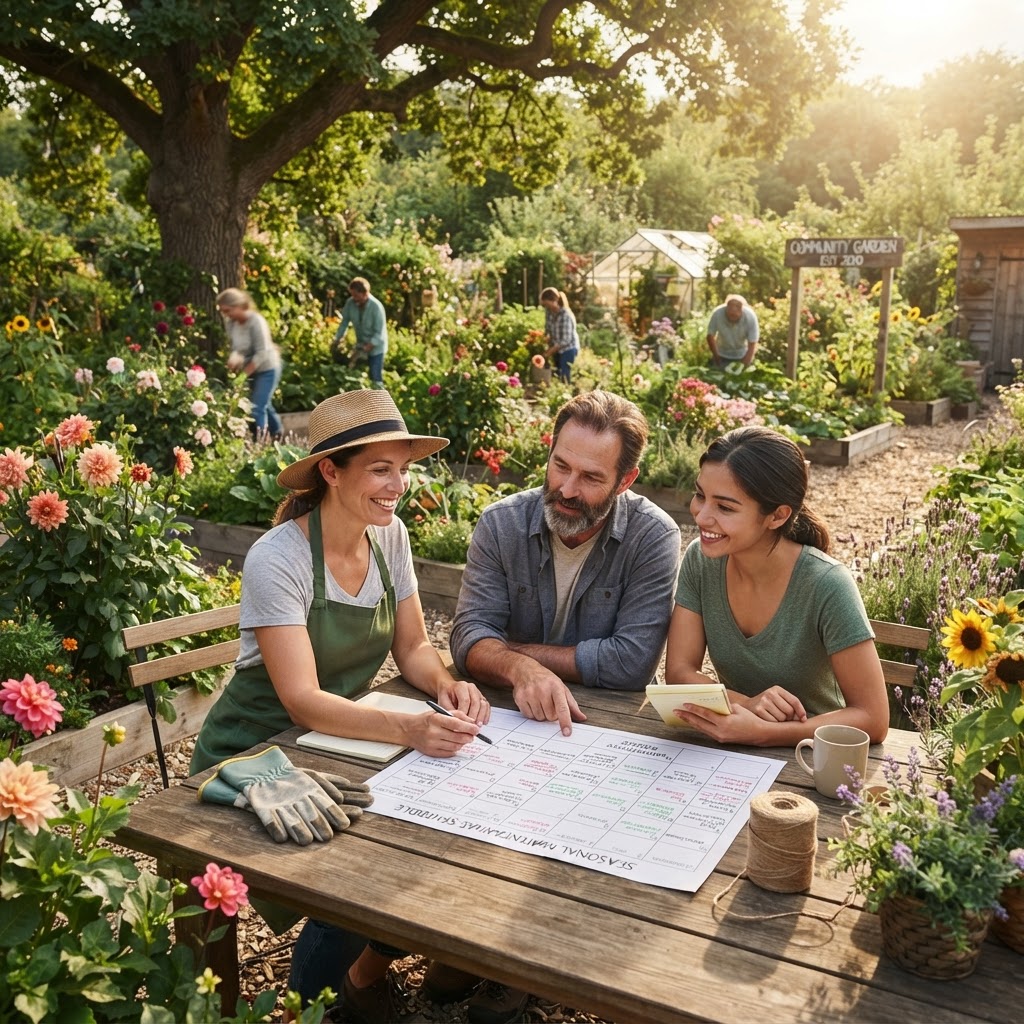
- Schedule annual review meetings: Revisit the master plan every year, assess progress, adjust goals, and re-engage the community in the vision.
- Start a garden library: Collect books, pamphlets, and printed resources about community gardening, permaculture, and soil health that volunteers can borrow and learn from.
Conclusion
Developing a long-term master plan for your community garden's expansion is one of the most meaningful contributions you can make to your local growing community. Done thoughtfully, it transforms scattered ideas and good intentions into a clear, shared direction that keeps everyone aligned and motivated through seasons of change.
The process itself — gathering community input, assessing what exists, dreaming about what's possible, and building a phased roadmap — is as valuable as the finished document. It deepens relationships between gardeners, builds shared ownership of the space, and creates a culture of intentional stewardship.
Remember that your master plan is a living tool, not a monument. Review it regularly, adjust it honestly, and keep your community at the center of every decision. With patience, collaboration, and consistent effort, your garden can grow into something that serves your community for generations to come.