Getting Started
If you've just built your first raised garden bed — or you're planning one — congratulations! You're already ahead of the curve. Raised beds offer better drainage, fewer weeds, and far more control over your growing environment than traditional in-ground gardening. But here's the thing many new gardeners overlook: the soil you put inside that bed matters more than almost any other decision you'll make.
Native ground soil is rarely suitable for raised beds on its own. It compacts easily, drains poorly, and may lack the nutrients your vegetables, herbs, or flowers need to truly thrive. The good news? Creating the perfect soil mix for a raised bed is absolutely achievable, even for beginners, and it doesn't have to be expensive or complicated.
In this guide, we'll walk you through everything you need to know — from understanding why raised bed soil is unique, to the best mix ratios, amendments to consider, and how to keep your soil healthy season after season. Whether you're gardening in a small urban plot or managing a larger community garden space, this article will give you the knowledge to grow with confidence.
Why Raised Bed Soil Is Different from Garden Soil
One of the most common mistakes new raised bed gardeners make is shoveling native soil directly into their beds. While it might seem like the simplest and most economical solution, in-ground garden soil is simply not designed for the confined environment of a raised bed.
When soil is placed inside a raised bed, it behaves differently than it does in an open field. Without the surrounding earth to support it, and with no natural wicking action from deeper soil layers, raised bed soil must handle drainage, aeration, and nutrient retention all on its own. Native soil — especially clay-heavy varieties — tends to compact over time when confined. Compacted soil restricts root growth, reduces water infiltration, and limits the oxygen that beneficial soil organisms and plant roots need to survive.
Raised bed soil needs to strike a careful balance:
- Loose and well-aerated so roots can penetrate easily
- Moisture-retentive enough that plants don't dry out between waterings
- Well-draining so water doesn't pool and cause root rot
- Rich in organic matter to supply nutrients over the long term
This is why experienced gardeners almost always create a custom soil blend specifically designed for raised bed conditions, rather than relying on whatever happens to be under their feet.
Also worth noting: bagged products labeled "topsoil" or "garden soil" at garden centers are usually not ideal for raised beds either. They tend to be dense, inconsistently formulated, and lacking in the biological activity that makes soil truly productive. There are exceptions — high-quality blended garden soils do exist — but always read labels carefully and look for products that include compost and other amendments.
The Core Components of a Great Raised Bed Mix
Most expert-recommended raised bed soil mixes are built on three foundational components. Understanding what each one contributes will help you make informed choices when purchasing or sourcing materials.
Topsoil or Loam
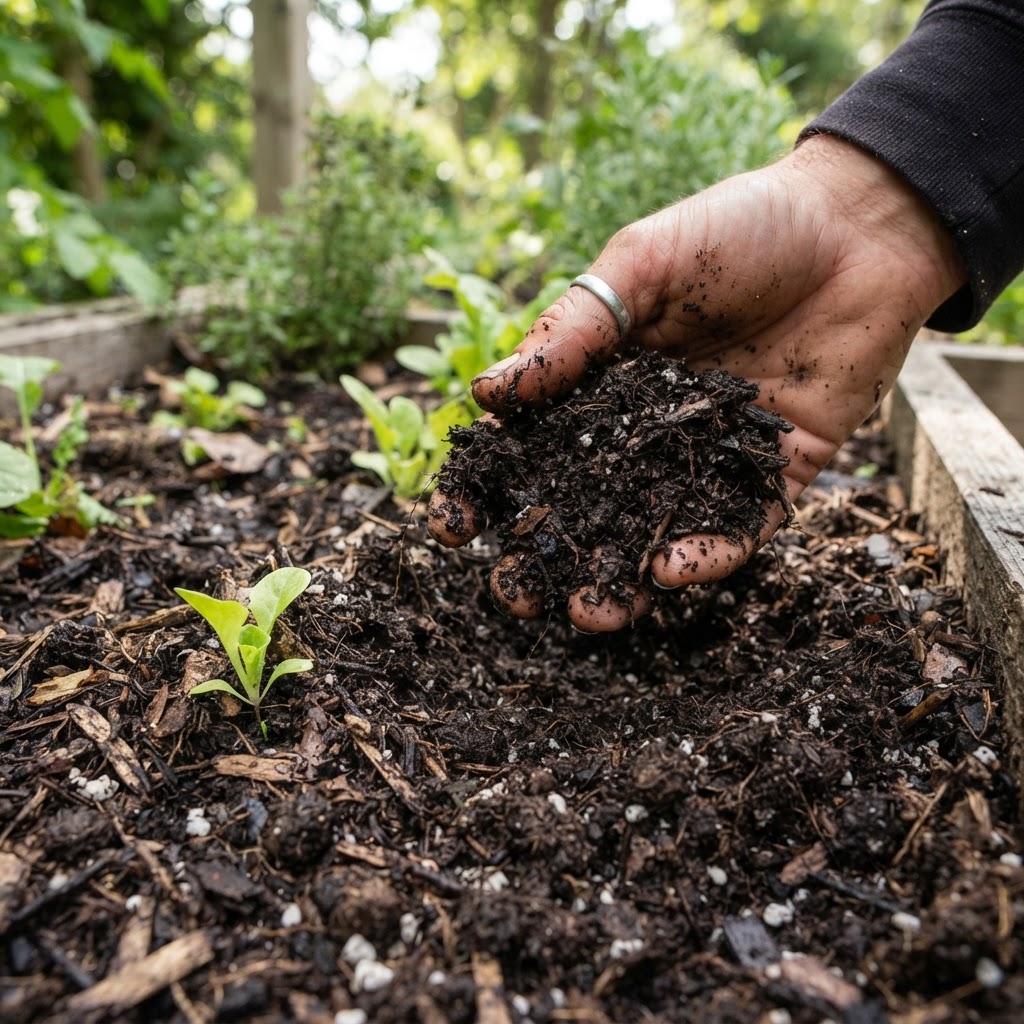
A quality topsoil or loam forms the structural base of your mix. It provides weight, stability, and a home for beneficial microorganisms. If you're sourcing bulk topsoil, look for a dark, crumbly product with a pleasant earthy smell — signs of good biological activity. Avoid topsoil that appears gray, overly sandy, or smells sour or sulfuric.
Loam — a naturally occurring blend of sand, silt, and clay — is considered the gold standard for garden soil because it holds moisture while still draining well. If you can source genuine loamy topsoil, you're off to a great start.
Compost
Compost is arguably the single most important ingredient in a raised bed mix. It introduces billions of beneficial microbes, improves soil structure, and provides a slow, steady release of nutrients as it continues to break down. Compost also acts as a buffer, helping soil maintain a stable pH and moisture level.
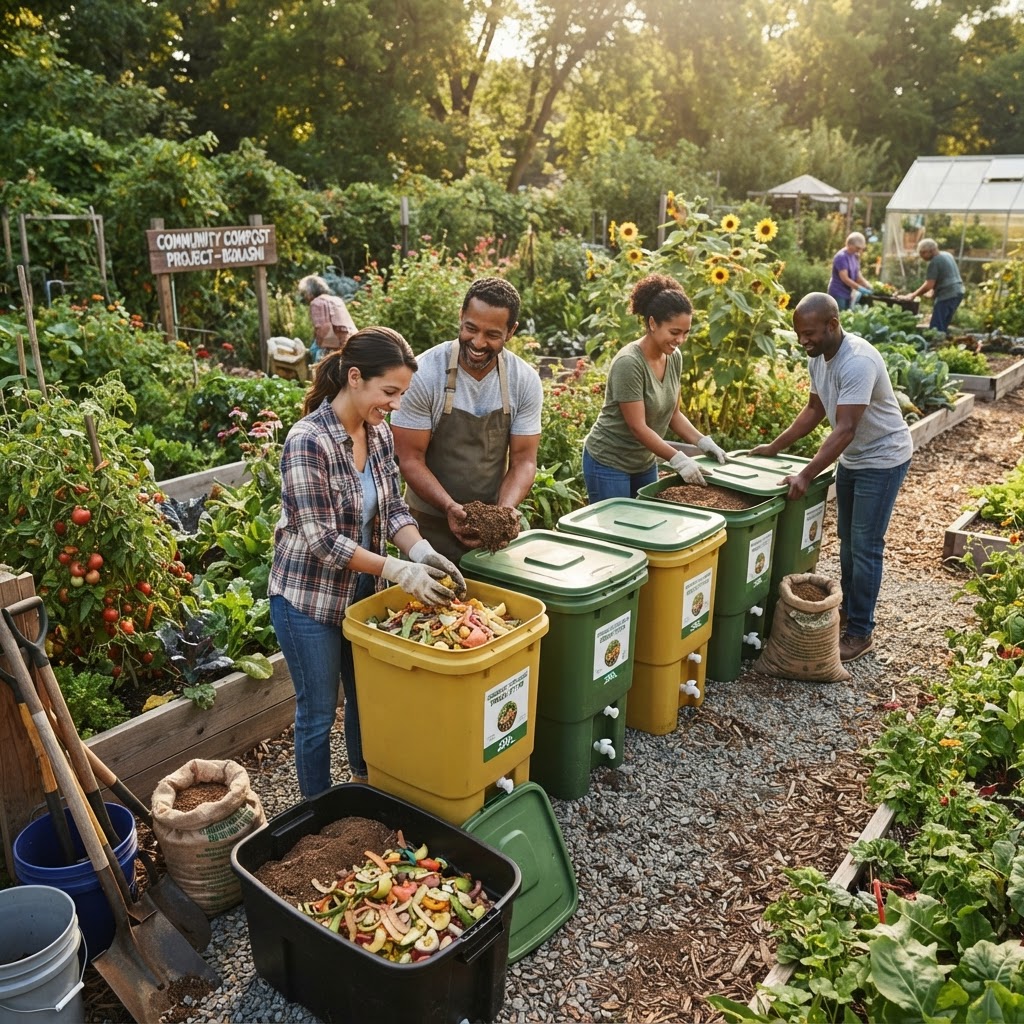
You can use homemade compost, vermicompost (worm castings), or commercially purchased compost. For best results, aim to use a variety — different compost sources introduce different microbial communities, which creates a more resilient growing environment.
A good rule of thumb is that compost should make up at least 25–30% of your total raised bed mix. Some experienced gardeners go as high as 50%, especially when growing heavy-feeding vegetables.
Aeration Material
To keep your soil from compacting and to ensure adequate drainage and oxygen flow, you need a component that creates physical space within the mix. Common choices include:
- Perlite: A lightweight volcanic glass that improves drainage and aeration without affecting pH. It doesn't break down over time, making it a long-lasting addition.
- Coarse sand: Adds drainage and weight. Use horticultural or builder's sand — never fine beach sand, which can actually worsen compaction.
- Pumice: Similar to perlite but denser. Excellent for long-term use and doesn't float to the surface over time like perlite can.
- Aged wood chips or bark fines: Adds organic matter while improving structure. Best when partially decomposed.
The Classic Mel's Mix and Other Popular Recipes
Over the years, gardeners and horticulturists have developed numerous tried-and-true recipes for raised bed soil. Here are some of the most widely used and respected formulas.
Mel's Mix (Square Foot Gardening Method)
Popularized by Mel Bartholomew in the Square Foot Gardening method, this recipe is beloved for its simplicity and effectiveness:
- 1/3 blended compost (ideally from multiple sources)
- 1/3 peat moss or coco coir
- 1/3 coarse vermiculite
This mix is lightweight, drains beautifully, and retains just enough moisture for most vegetables. The use of vermiculite — a naturally occurring mineral — helps maintain consistent moisture levels. Note that many gardeners now prefer coco coir over peat moss, as coir is a renewable byproduct of coconut processing, while peat extraction raises sustainability concerns.
The Classic 60/30/10 Mix
A highly adaptable and widely used recipe:
- 60% topsoil
- 30% compost
- 10% perlite or coarse sand
This ratio creates a balanced, all-purpose mix suitable for most vegetables, herbs, and flowers. It's cost-effective, especially when purchasing materials in bulk, and works well in beds of any size.
The All-Compost Approach
Some gardeners — particularly those growing in shallow beds or short-season climates — go with a mix that's primarily compost, sometimes blended only with perlite or coco coir. This approach is nutrient-dense and highly productive but can become hydrophobic (water-repelling) if it dries out completely. It also tends to settle significantly over time, requiring regular topping off.
Choosing the Right Amendments for Your Plants
Once you've established your base mix, you may want to tailor it further depending on what you're growing.
For Vegetables and Heavy Feeders
Tomatoes, squash, corn, and brassicas are all heavy feeders that benefit from extra nutrients. Consider adding:
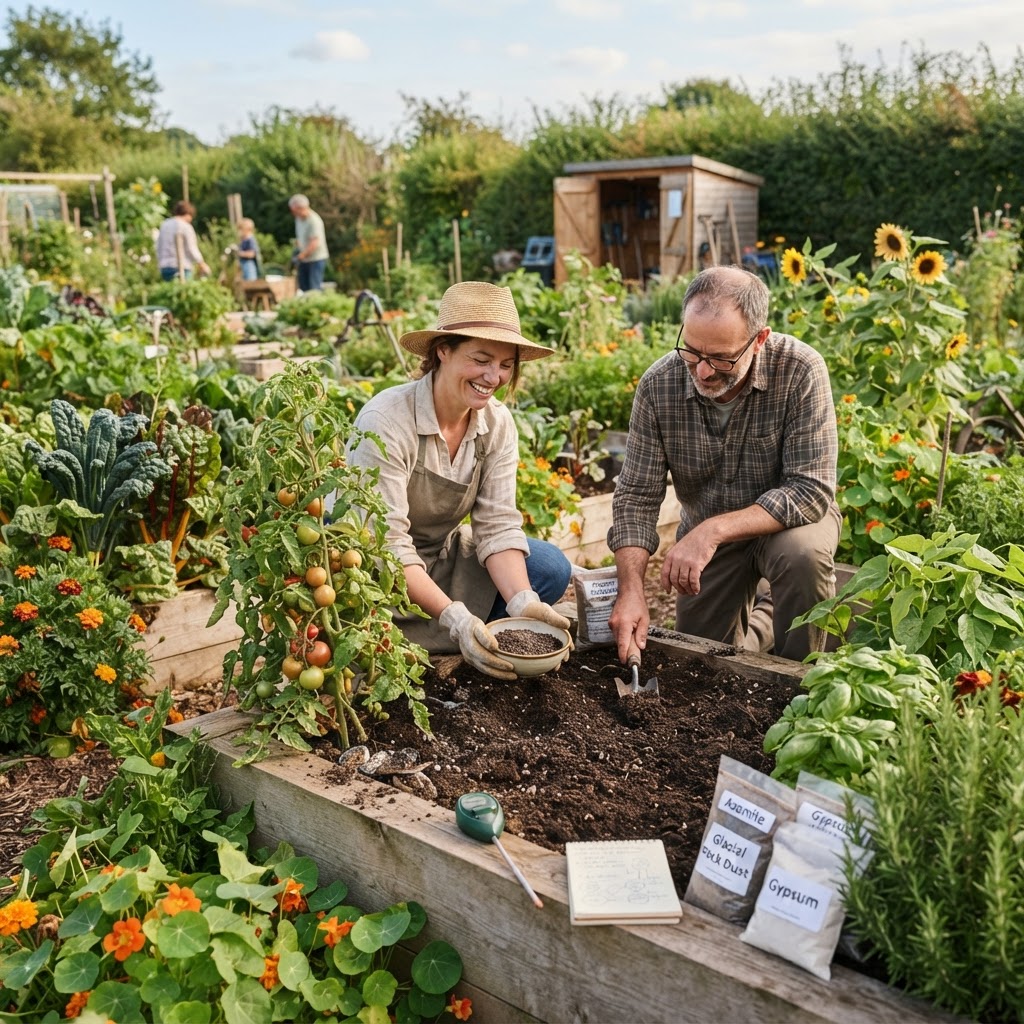
- Worm castings: A gentle, plant-safe source of nitrogen, phosphorus, and beneficial microbes
- Aged manure: Chicken, cow, or horse manure (fully composted, never fresh) adds substantial fertility
- Kelp meal or fish bone meal: Organic slow-release fertilizers that support root development and fruiting
For Root Vegetables
Carrots, parsnips, and beets need loose, deep soil with minimal stones or debris. Focus on a lighter mix with more sand or perlite, and avoid high-nitrogen amendments that encourage leafy growth at the expense of root development.
For Herbs
Most culinary herbs prefer well-drained soil with moderate fertility. A mix leaning slightly toward sandier or grittier textures works well. Mediterranean herbs like rosemary, thyme, and lavender actually prefer less-rich soil — too much compost can make them leggy and reduce aromatic oil production.
For Flowers and Ornamentals
Most flowering annuals and perennials do well in a balanced mix. If you're growing dahlias, roses, or other heavy bloomers, consider adding extra compost and a balanced organic fertilizer at planting time.
How to Mix and Fill Your Raised Bed
Once you've gathered your materials, it's time to put them together. Here's a step-by-step approach that makes the process manageable, even for beginners.
Step 1: Calculate your volume. Measure the length, width, and depth of your raised bed (in feet) and multiply them together to get cubic feet. Most raised beds are 8–12 inches deep, and materials are often sold by the cubic foot or cubic yard. Converting accurately upfront saves you from multiple trips to the garden center.
Step 2: Source your materials. Decide whether you'll purchase bagged products, source bulk materials from a landscape supplier, or a combination of both. Bulk purchasing is significantly more economical for larger beds but requires transport.
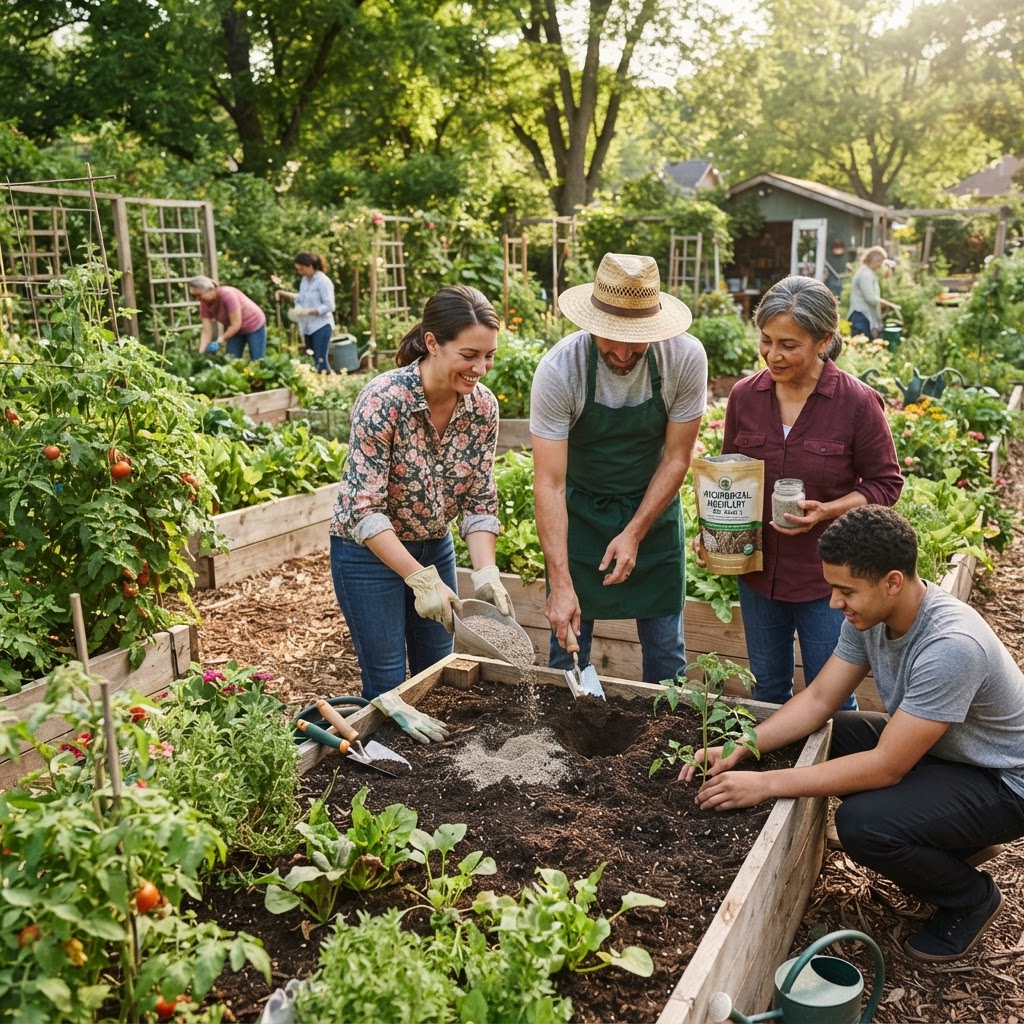
Step 3: Mix on a tarp or in a wheelbarrow. Combine your components thoroughly before adding them to the bed. This ensures an even distribution rather than layers of separate materials that don't interact well.
Step 4: Fill in stages. Add your mix in stages, gently firming each layer with your hands rather than compacting it heavily. Leave an inch or two of space at the top of the bed to allow for mulching and to prevent soil from washing out during heavy rain.
Step 5: Water thoroughly before planting. Newly mixed soil can be deceptively dry. Give it a deep watering and let it settle for a day before planting. This also helps you spot any drainage issues early on.
Maintaining Soil Health Over Time
A great soil mix isn't a one-time achievement — it requires ongoing care. Here's how to keep your raised bed soil productive for years.
Top up with compost each season. Organic matter breaks down continuously. At the start of each growing season, add a 1–2 inch layer of fresh compost to the surface of your bed and gently work it in. This replenishes nutrients and keeps soil structure open and alive.
Use mulch between plants. A 2–3 inch layer of straw, wood chips, or shredded leaves reduces water evaporation, suppresses weeds, and slowly adds organic matter as it breaks down. This single habit can dramatically reduce how much watering and weeding you need to do.
Avoid over-tilling. Digging and turning soil disrupts fungal networks and earthworm habitats — both essential for healthy soil. When possible, practice no-dig or minimal-till methods: simply top-dress with compost rather than digging it in.
Rotate your crops. Growing the same plant families in the same soil season after season depletes specific nutrients and encourages pest and disease buildup. Even in a small raised bed, rotating crop positions makes a meaningful difference.
Test your soil periodically. Basic soil test kits are widely available and can reveal pH imbalances or nutrient deficiencies before they become serious problems. Most vegetables prefer a pH between 6.0 and 7.0.
Common Mistakes to Avoid
Even with the best intentions, gardeners sometimes make choices that undermine their soil's potential. Here are the most common pitfalls and how to sidestep them.
Using native soil alone. As we covered earlier, in-ground soil compacts in raised beds and rarely provides ideal growing conditions without significant amendment.
Skimping on compost. Compost is the lifeblood of a raised bed. Under-investing here is the single fastest way to end up with disappointing harvests.
Using fresh manure. Fresh animal manure can burn plants with excess nitrogen and may harbor harmful pathogens. Always use fully composted manure that has been hot-composted or aged for at least six months.
Ignoring pH. A beautiful-looking soil mix can still fail your plants if the pH is wrong. Nutrients become unavailable outside the ideal range, no matter how much fertilizer you add.
Not accounting for settling. All soil mixes settle over time, especially in the first season. Fill your beds slightly higher than you think you need to, and plan to top them up annually.
Conclusion
Building the right soil mix for your raised bed is genuinely one of the best investments you can make in your garden. It sets the foundation for everything that follows — healthy root systems, vigorous plant growth, higher yields, and fewer problems with pests and disease. The good news is that it doesn't have to be complicated. Start with a solid three-part base of topsoil, compost, and an aerating material, tailor it to your specific crops, and commit to replenishing organic matter each season.
At Community Garden Shop, we believe that healthy soil is the cornerstone of a thriving community garden. When gardeners invest in their soil, they're not just growing food — they're building a living ecosystem that improves with each passing year. Whether you're filling your very first bed or refining a soil recipe you've used for years, the principles in this guide will serve you well.
Happy growing, and don't be afraid to get your hands dirty!