There is something truly magical about a garden that comes alive after dark. While most gardeners focus their energy on daytime blooms, an entire world of pollinators — moths, bats, night-flying beetles, and even some bees — emerges at dusk to do their quiet, essential work. A nocturnal pollinator garden celebrates this overlooked community of creatures by featuring plants that open, glow, and release their fragrance specifically in the evening hours.
For community gardeners looking to create something both beautiful and ecologically meaningful, designing a moon garden with native night-blooming plants is a rewarding project that benefits local biodiversity and creates a serene shared space for neighbors to enjoy after a long day.
This guide will walk you through everything you need to know to plan, plant, and maintain a successful nocturnal pollinator garden using native species suited to your region.
Why Nocturnal Pollinator Gardens Matter
Most conservation conversations focus on bees and butterflies, and for good reason — they are critical pollinators. But nocturnal pollinators are equally important and significantly underappreciated. Moths, for example, are highly effective pollinators for a wide range of native plants. Some plant species depend almost entirely on night-flying moths for reproduction. Bats, while often misunderstood, pollinate dozens of plant species and provide invaluable pest control services.
Unfortunately, nocturnal pollinators face serious threats. Light pollution disrupts their navigation and feeding behaviors. Habitat loss eliminates both the plants they depend on and the sheltered spaces where they rest during daylight. Pesticide use reduces insect populations broadly, including species active at night.
A thoughtfully designed nocturnal pollinator garden addresses several of these pressures at once. By planting natives that evolved alongside local moth and bat populations, you create a habitat that is authentically functional — not just decorative. You also give community members a reason to engage with ecology in a new and memorable way.
Getting Started
Before you purchase a single plant, take time to set yourself up for success through careful observation and planning.
Assess Your Space
Walk through your community garden plot or shared space at different times of day — and importantly, at dusk and after dark. Notice how the light changes. Are there streetlights or security lights that flood the area at night? These can interfere with nocturnal wildlife. Observe which areas stay naturally dark and which are exposed. Note where shadows fall and where open sky is visible, as bats prefer to forage in open airspace.
Consider the size of the space. Even a small bed of four to six feet can support meaningful nocturnal habitat if planted thoughtfully. Larger spaces allow you to create layers of vegetation that support a wider variety of species.
Know Your Region
Native plants are defined by their regional origins. A plant native to the American Southwest may not be appropriate for a Mid-Atlantic community garden. Research which plants are indigenous to your specific ecoregion. Local native plant societies, cooperative extensions, and botanical gardens are excellent resources and can often connect you with locally grown native plants rather than cultivars that may have been bred to look different from their wild ancestors.
If you are gardening in North America, regional resources from your state's native plant society can help you identify which night-blooming natives are appropriate for your climate, soil type, and hardiness zone.
Prepare Your Soil
Native plants are adapted to local soil conditions, but many night-blooming species prefer well-drained soil with moderate fertility. Avoid over-amending with rich compost, as this can encourage lush foliage at the expense of flowers. A light mulch layer helps retain moisture and regulates soil temperature without smothering surface-dwelling insects that many nocturnal pollinators depend on for food.
Get Community Buy-In
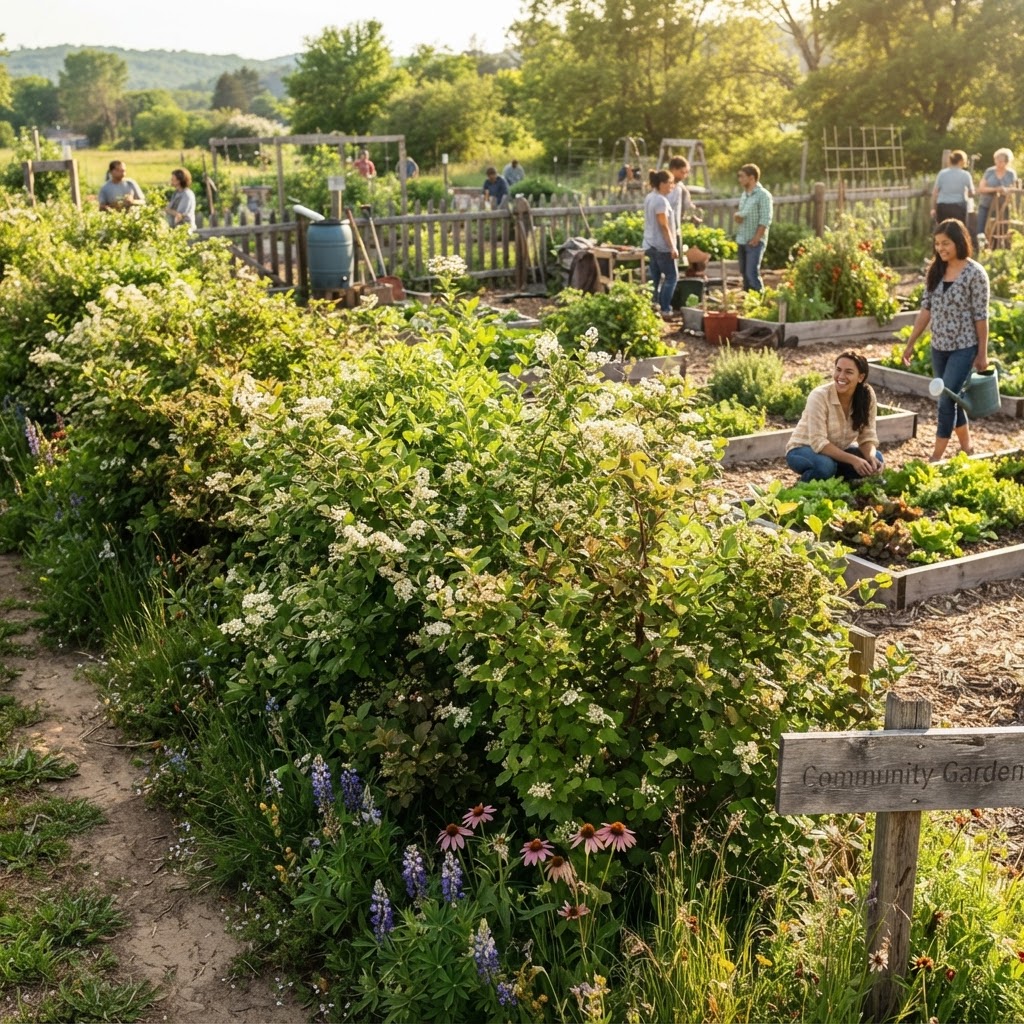
In a community garden setting, nocturnal garden spaces work best when fellow gardeners understand and support the vision. Hold a brief information session or post simple signage explaining the purpose of the garden. Many people are curious and enthusiastic once they learn about nocturnal pollinators — it often sparks a sense of wonder that brings the community together.
Choosing the Right Native Moon-Blooming Plants
The heart of any nocturnal pollinator garden is its plant selection. Look for native species with white or pale-colored flowers, strong evening fragrance, and blooms that open in late afternoon or evening.
White and Pale-Flowered Natives
Light-colored flowers are more visible in low light, which is why so many night-pollinated species have evolved white, cream, or pale yellow blooms. Some excellent choices include:
Evening Primrose (Oenothera biennis) — A North American native with large, butter-yellow blooms that open at dusk. It is a critical food source for the primrose moth and several sphinx moths. It self-seeds readily, making it a low-maintenance addition to naturalistic plantings.
White Wild Indigo (Baptisia alba) — This prairie native produces elegant white flower spikes in late spring. While not exclusively night-blooming, its white flowers remain visible and accessible in the evening hours and support a wide range of specialist pollinators.
Jimsonweed (Datura stramonium) and Native Daturas — Where native species are appropriate, daturas produce large, white trumpet flowers that open at night and are specifically adapted for hawk moth pollination. Use these with caution in community settings due to their toxicity, and always consult local guidelines before planting.
Moonflower Vine (Ipomoea alba) — While technically a tropical species often grown as an annual in temperate climates, it pairs beautifully with native plantings and its large white flowers are dramatic at night. Pair it with truly native vines for ecological balance.
White Thoroughwort (Eupatorium album) — A native boneset relative with clusters of small white flowers that attract a wide variety of nocturnal insects including moths and beetles.
Fragrant Natives for Nighttime Appeal
Fragrance is one of the primary cues nocturnal pollinators use to locate flowers in the dark. Native plants with evening-released scent include:
Sweet Joe Pye Weed (Eutrochium purpureum) — A tall, statuesque native with soft vanilla fragrance, especially noticeable in the evening. It attracts tiger moths and various sphinx moths.
Wild Bergamot (Monarda fistulosa) — While it blooms during the day, its aromatic foliage and flowers continue to attract moths in the evening, particularly in warm summer months.
Designing for Nighttime Impact
A moon garden is a sensory experience, not just a plant collection. Design with intention to amplify the visual and aromatic qualities that make night gardening special.
Layering for Structure
Create layers in your planting: taller plants like evening primrose or Joe Pye Weed at the back, mid-height plants in the middle, and low-growing groundcovers at the front. This structure provides habitat niches for different species and creates visual depth that is beautiful even in low light.
Reflective Surfaces and White Mulch
Light-colored gravel paths or white stone mulch can amplify moonlight and create soft ambient brightness without artificial lighting. This keeps the garden navigable for visitors while preserving the natural dark environment nocturnal pollinators need.
Minimize Artificial Light
If your community garden uses outdoor lighting for security or aesthetics, advocate for warm, low-intensity bulbs directed downward rather than across planting areas. Motion-activated lights are preferable to constant illumination. Even low levels of blue-spectrum light can disrupt moth behavior and navigation.
Grouping Plants for Pollinator Efficiency
Plant in drifts of three to five of the same species rather than mixing individual plants. This makes it easier for pollinators to locate food sources efficiently and creates stronger visual impact for human visitors as well.
Supporting Your Nocturnal Pollinators
Plants are only part of the equation. To truly support nocturnal pollinators, consider the habitat elements they need beyond food.
Moth Habitat
Many moth species spend their larval stage on specific host plants. If you only plant for adult nectar feeding, you are supporting adult moths but not their reproduction. Research the host plant needs of moths in your area. Oaks, cherries, willows, and native grasses support enormous numbers of moth caterpillars. Incorporating even one or two native trees or large shrubs nearby can dramatically increase the value of your moon garden.
Leave leaf litter undisturbed in garden borders. Many moths overwinter as pupae in the soil and leaf layer, and aggressive fall cleanup destroys these populations before they can emerge in spring.
Bat Support
Bats need more than flowers — they need roosting habitat and open foraging corridors. If your community garden is near buildings or large trees, advocate for bat boxes installed at appropriate heights. Avoid using broad-spectrum insecticides anywhere near the garden, as bats require large quantities of flying insects nightly and even indirect pesticide exposure can be harmful.
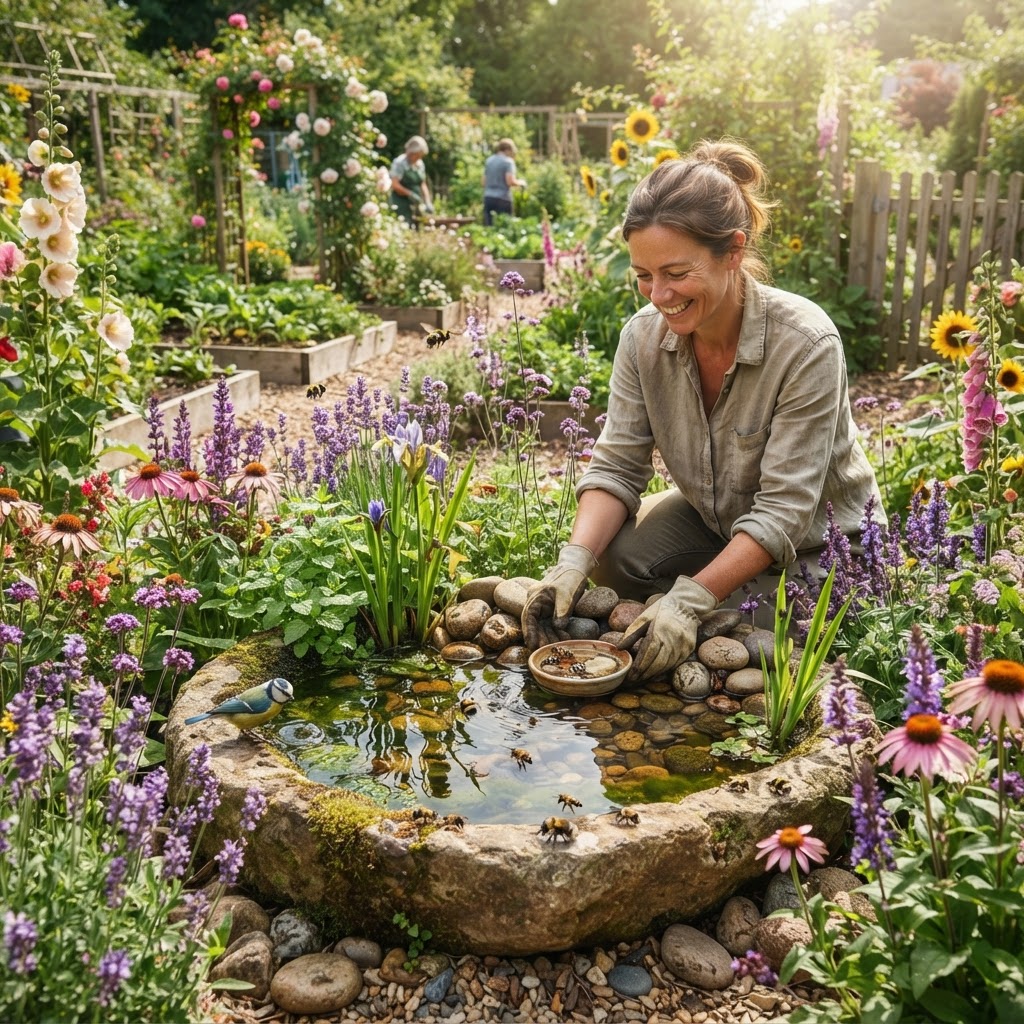
Water features, even simple shallow dishes, attract the flying insects that bats prey on and can make your garden more attractive to these beneficial mammals.
Common Mistakes to Avoid
Even well-intentioned gardeners can undermine their nocturnal garden's success. Here are the most common pitfalls to watch for:
Using non-native cultivars labeled as "native." Many plants sold at garden centers are cultivated varieties of native species, sometimes bred for doubled flowers, unusual colors, or compact form. These modifications can reduce or eliminate their value to native pollinators. Look for straight species plants from reputable native plant nurseries.
Over-tidying in autumn and spring. The impulse to cut everything back and rake thoroughly is understandable in a community garden setting, but it eliminates overwintering habitat for moths and other beneficial insects. Agree with fellow gardeners on designated areas where plant stalks and leaf litter can remain through late spring.
Installing bright decorative lighting. Solar fairy lights and landscape spotlights may seem harmless, but they disrupt nocturnal pollinator activity significantly. Keep artificial light out of the garden space as much as possible.
Planting too much too soon. Starting with a smaller, well-considered planting is better than overwhelming the space with dozens of species. Master a core group of five to eight native plants before expanding.
Ignoring water drainage. Many native moon-blooming plants are adapted to dry or average conditions and will struggle or rot in poorly drained soil. Address drainage issues before planting rather than hoping plants will adapt.
Using pesticides. This cannot be emphasized enough. Any pesticide use, including organic options, can harm the very pollinators you are trying to support. Embrace a little leaf damage as evidence that the ecosystem is working as it should.
Tips for Success
- Visit your garden at dusk and after dark regularly. You will observe pollinators you never knew were there and gain insight into how the space is actually being used.
- Keep a simple garden journal. Record what blooms when, which visitors you observe, and what seems to be thriving or struggling. This information is invaluable for refining your planting over time.
- Connect with local moth enthusiasts. Moth-watching, sometimes called "mothing," has a dedicated and welcoming community. Local naturalists can help you identify species visiting your garden and may suggest additional plants to consider.
- Create signage for community members. A simple weatherproof sign identifying key plants and the pollinators they support transforms your garden into a living educational resource.
- Start seeds from local-ecotype native plants when possible. Plants grown from locally collected seed are the most genetically appropriate for your region's pollinators and conditions.
- Be patient. Nocturnal pollinators may take a season or two to discover and colonize a new habitat. Consistent planting and reduced disturbance are more important than any single intervention.
Conclusion
A nocturnal pollinator garden is one of the most meaningful and underutilized projects a community garden can undertake. By focusing on native plants that evolved alongside local moth and bat populations, you create genuine ecological value while giving your community a deeply peaceful and wondrous place to gather after dark.
The quiet work that happens in your garden between dusk and dawn — moths hovering over pale flowers, bats tracing their arcs against the night sky — is part of the same web of life that sustains us all. When we design gardens that honor and support these hidden workers, we strengthen that web in ways that ripple far beyond our garden borders.
Start small, choose wisely, be patient, and share what you learn with your neighbors. The nocturnal world has much to teach us, if we are willing to stay up a little past sunset.