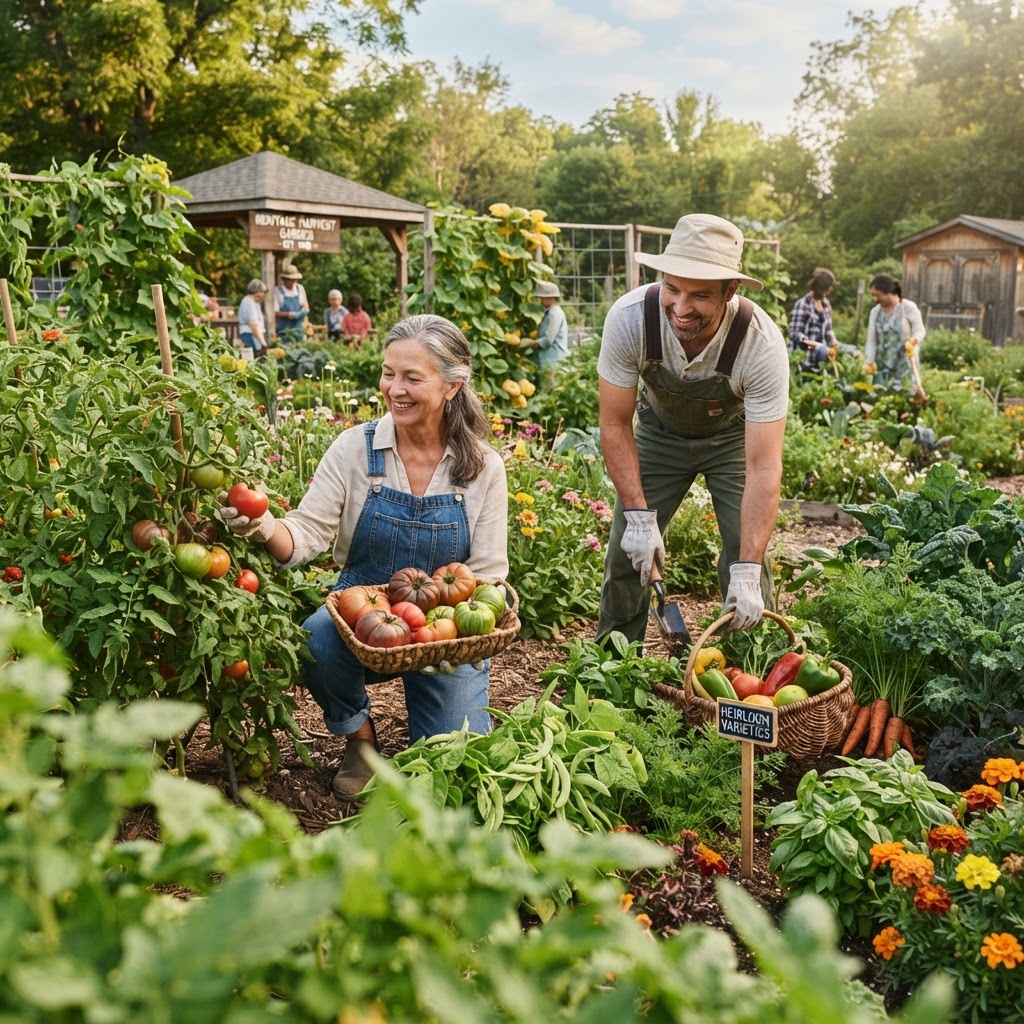
Heirloom vegetables are more than just plants — they are living connections to the past. Each seed carries with it generations of careful selection, adaptation, and cultural memory. When you plant an heirloom tomato that your great-grandmother might have grown, or a bean variety that has been passed down through a farming family for over a century, you are participating in something deeply meaningful: the preservation of agricultural heritage that might otherwise disappear forever.
Community gardeners are uniquely positioned to play a vital role in this preservation work. With shared space, collective knowledge, and a genuine love of growing things, community gardens can become living seed libraries and biodiversity hotspots. This guide will walk you through everything you need to know about growing heirloom vegetables, saving their seeds, and contributing to the broader effort of keeping local food traditions alive.
What Are Heirloom Vegetables?
Heirloom vegetables are open-pollinated varieties that have been cultivated and passed down over many generations — typically at least fifty years, though many varieties are far older. Unlike modern hybrid varieties developed by seed companies for commercial production, heirlooms were selected by farmers and gardeners based on qualities that mattered to real people: exceptional flavor, adaptability to local conditions, reliable seed saving, and cultural significance.
The term "open-pollinated" is key here. It means these plants pollinate naturally through wind, insects, or other natural means, and their seeds will grow true to the parent plant. This is what makes seed saving possible and meaningful. When you save seeds from an heirloom variety, you are preserving something genetically intact — a living artifact.
Heirloom varieties span every vegetable category: tomatoes with names like Brandywine and Cherokee Purple, beans like Dragon Tongue and Rattlesnake, squash varieties that Indigenous communities have grown for thousands of years, and corn that sustained entire civilizations. Each one has a story, and each one deserves to continue growing.
Why Heirloom Varieties Matter for Local Heritage
Modern agriculture has narrowed our food diversity dramatically. Commercial farming tends to favor a small number of high-yield, disease-resistant hybrids that travel well and look uniform on store shelves. While these developments have fed billions of people, they have come at a cost: the quiet disappearance of thousands of vegetable varieties that were once staples of regional diets.
When a variety disappears, we lose more than a plant. We lose a piece of culinary culture, a food that shaped regional recipes and traditions, and a genetic resource that may have unique traits — drought tolerance, pest resistance, or nutritional qualities — that future generations might desperately need. Local heirloom varieties are especially precious because they have adapted over generations to specific climates, soils, and conditions. A tomato variety grown in your region for a hundred years has been quietly selected to thrive in your exact environment in a way that no commercially developed variety can replicate.
Community gardens have an irreplaceable role here. They create a space where knowledge flows between generations and cultures, where a recently arrived immigrant family might share a squash variety from their home country, and where that variety finds new life in new soil. Preserving heirloom vegetables is an act of cultural respect, ecological responsibility, and community building all at once.
Getting Started
If you are new to heirloom gardening, the entry point is wonderfully simple: start with one or two varieties that connect to your local or family heritage, or simply varieties that intrigue you.
Finding Your First Heirloom Seeds
Look for seeds through:
- Local seed libraries: Many community centers, libraries, and gardening organizations maintain seed libraries where you can borrow seeds and return saved seeds at the end of the season.
- Seed swaps: Community seed swaps are events where gardeners exchange saved seeds. Check with your local community garden or horticultural society.
- Small independent seed companies: Many small seed companies specialize in heirloom and open-pollinated varieties. Look for those with a focus on regional or heritage seeds.
- Fellow gardeners: Ask experienced gardeners in your community. Someone may be growing a variety with deep local roots and be happy to share.
Setting Up Your Growing Space
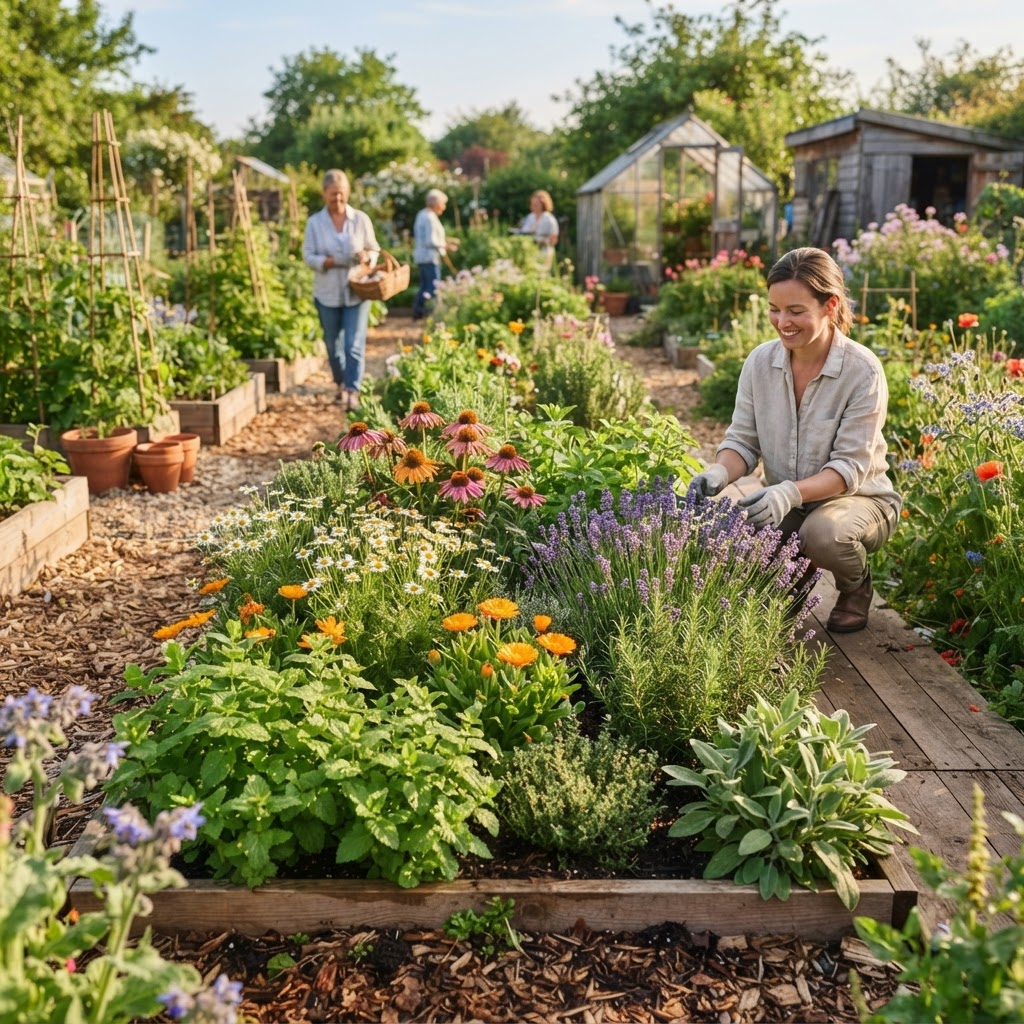
Heirloom vegetables generally don't require any special infrastructure. A well-prepared raised bed or in-ground plot with good drainage and at least six hours of sunlight will serve most varieties well. Focus on building healthy, organic-rich soil — heirlooms often reward good soil care with remarkable flavor.
Start small and observe carefully. Because heirloom varieties can behave differently from modern hybrids, your first season is about learning how a particular plant grows in your specific conditions.
Choosing the Right Heirloom Varieties for Your Region
Not all heirloom varieties will thrive everywhere, and choosing varieties suited to your climate and growing conditions is one of the most important decisions you will make.
Researching Regional Varieties
Seek out varieties with documented histories in your area. Local historical societies, agricultural extension offices, and older gardening books can be valuable resources. If you live in an area with strong immigrant heritage, explore varieties that those communities brought with them and adapted over time.
Ask questions like:
- What varieties did farmers in this region grow fifty or one hundred years ago?
- Are there any Indigenous food plants with deep roots in this area?
- What crops historically defined local cuisine here?
Climate Considerations
- Short-season regions: Look for heirloom varieties noted for early maturity.
- Hot, dry climates: Seek out drought-tolerant varieties with a history of desert or arid-land cultivation.
- Humid regions: Some heirloom tomatoes and squash have shown resilience to fungal diseases — research variety notes carefully.
Growing conditions are part of the preservation story. When you grow a regionally adapted variety in its home climate, you are helping it continue to adapt and thrive.
Seed Saving: The Heart of Heritage Preservation
Growing heirloom vegetables is only part of the picture. Saving their seeds closes the loop and ensures the variety continues into the future. Seed saving is a skill that has been practiced by every farming culture in human history, and it is not as complicated as it might seem.
Basic Seed Saving Principles
Choose the best plants: Select seeds from the healthiest, most vigorous plants that display the characteristics you most value — best flavor, strongest growth, most typical appearance. Never save from weak or diseased plants.
Allow full maturity: Seeds must be fully mature before harvest. This often means leaving fruits on the plant longer than you would for eating. Tomatoes should be deeply ripe, beans should dry on the vine, and squash seeds should come from fruits left to cure past eating ripeness.
Wet-process vs. dry-process seeds:
- Wet-process (tomatoes, cucumbers, squash): Ferment seeds in water for a few days to remove the gel coating, then rinse and dry thoroughly.
- Dry-process (beans, peas, corn, lettuce): Allow seeds to dry completely on the plant, then harvest, clean, and store.
Preventing Cross-Pollination
This is one of the trickier aspects of seed saving. If you are growing multiple varieties of the same vegetable species, they can cross-pollinate, and your saved seeds will not grow true. Strategies include:
- Distance: Grow varieties far enough apart that pollinators are less likely to carry pollen between them.
- Timing: Grow varieties that flower at different times.
- Hand pollination and bagging: For precision, hand-pollinate flowers and use small fabric bags to prevent insect pollination.
Storing Your Seeds
Store cleaned, thoroughly dried seeds in paper envelopes labeled with the variety name, the year saved, and any notes about growing conditions or plant characteristics. Keep envelopes in a cool, dark, dry location. A sealed jar in the refrigerator works well for long-term storage. Properly stored seeds can remain viable for several years, though germination rates gradually decline.
Growing Heirloom Vegetables Successfully
Heirloom vegetables are generally not more difficult to grow than modern hybrids, but they do have some characteristic traits worth knowing.
Expect variability: Heirlooms often show more variation in appearance than commercial varieties. Your tomatoes may not all be the same size or shape — this is normal and part of their charm.
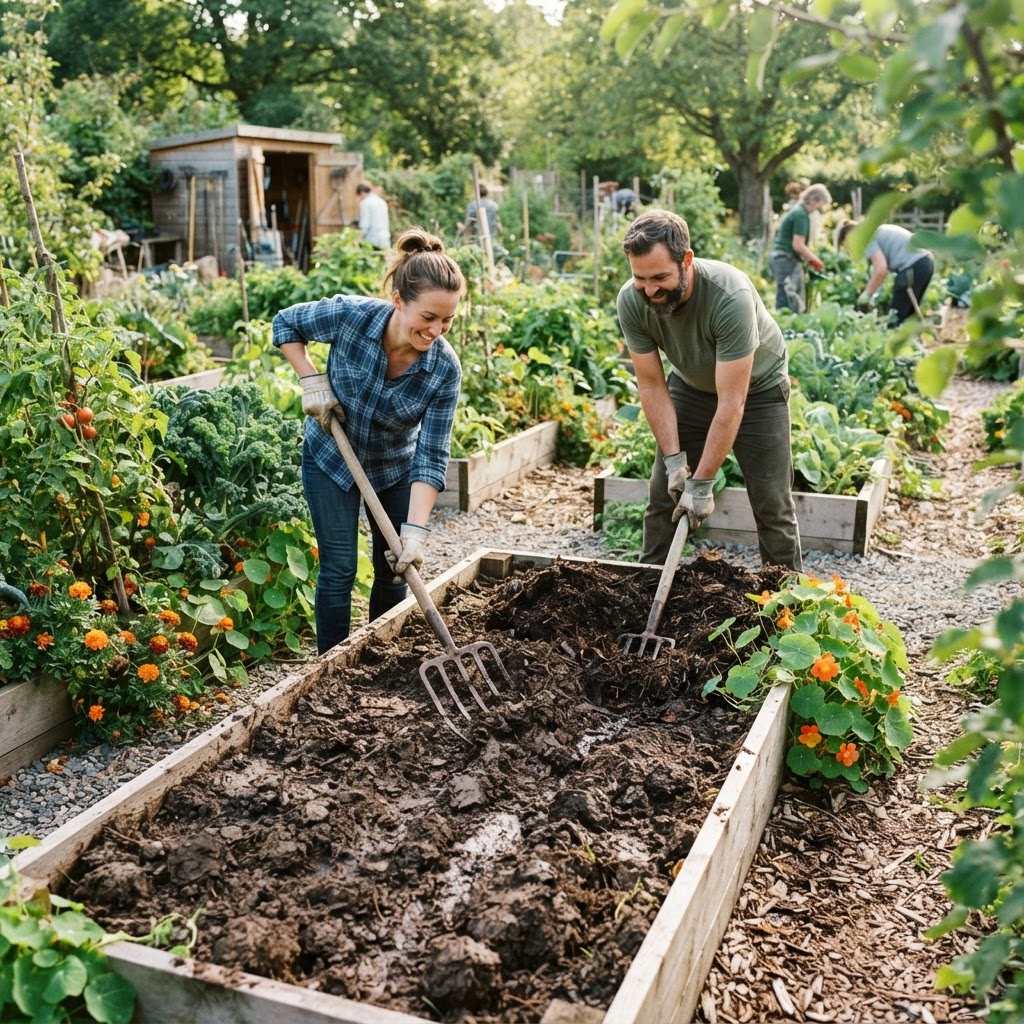
Prioritize soil health: Rich, biologically active soil with good compost brings out the best in heirloom varieties, particularly in terms of flavor.
Water consistently: Many heirloom tomatoes and other fruiting vegetables are prone to issues like blossom end rot or cracking when water supply is irregular. Consistent, deep watering makes a significant difference.
Support tall growers: Many heirloom tomatoes are indeterminate and will grow very tall. Stake or cage them early and train them as they grow.
Observe and document: Keep a garden journal. Note which varieties thrived, which struggled, when they were planted and harvested, and what the seeds looked like. This information becomes invaluable over time and contributes to the collective knowledge of your community.
Common Mistakes to Avoid
Saving Seeds Too Early
Harvesting seeds before they are fully mature is one of the most common errors. Immature seeds have low germination rates and may not grow true. Be patient and let fruits and pods reach complete maturity.
Planting Too Many Varieties Without a Plan
It is tempting to collect and grow every interesting heirloom you discover, but spreading yourself too thin leads to poor observation, cross-pollination confusion, and inadequate seed saving. Start with two or three varieties and grow them well.
Skipping Labels and Records
Heirloom preservation depends on accurate documentation. Unlabeled seeds lose their story and their usefulness. Label everything from the moment you plant to the moment you store.
Isolating Yourself from the Broader Community
Seed saving and heritage preservation work best as communal activities. Hoarding seeds or knowledge misses the point. Share seeds, share stories, and connect with others who share your interest.
Neglecting Soil Preparation
Heirloom varieties that have been selected for flavor over commercial resilience often need good soil to perform their best. Skipping compost and soil building will leave you with disappointing results and potentially unfair judgments about a variety's potential.
Tips for Success
- Connect with your garden community early: Tell other gardeners what heirlooms you are growing. You might find someone with complementary knowledge, or discover that someone else is growing the same variety and you can collaborate on seed saving.
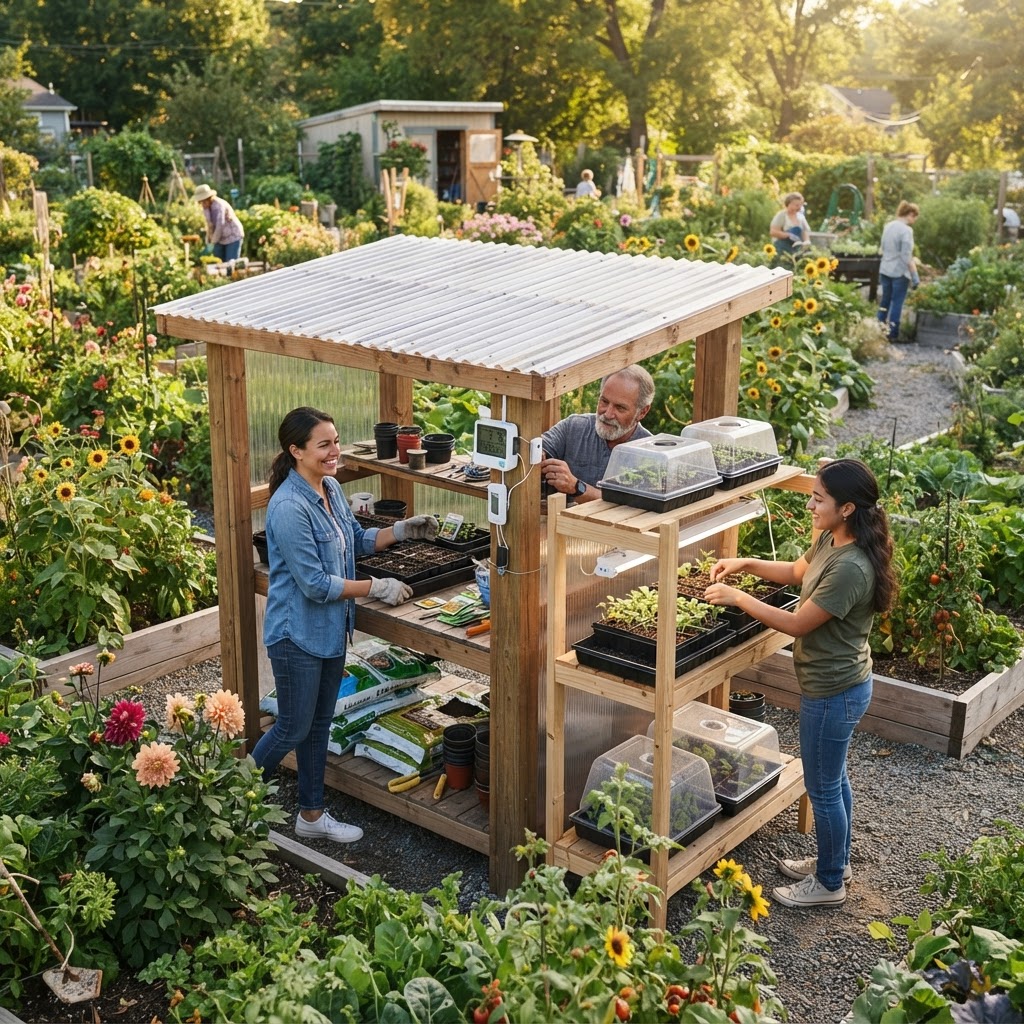
- Grow a small seed crop separately: If space allows, dedicate a few plants solely to seed production, so you do not have to choose between eating and saving.
- Attend seed swaps: These events are wonderful for expanding your variety collection and building relationships with other heritage growers.
- Research the story behind each variety you grow: Knowing a variety's history makes the growing experience richer and helps you communicate its importance to others.
- Taste everything: Heirloom vegetables are often grown for flavor above all else. Tasting your harvest critically and comparing varieties is a pleasure and an education.
- Be a generous sharer: Give away seeds, bring produce to share, and teach others what you have learned. Heritage preservation is a gift economy.
- Partner with local food historians or cultural organizations: If you are preserving a variety connected to a specific cultural community, reach out to that community. They may have knowledge, recipes, and connections that deepen your work enormously.
Building a Community Around Heirloom Growing
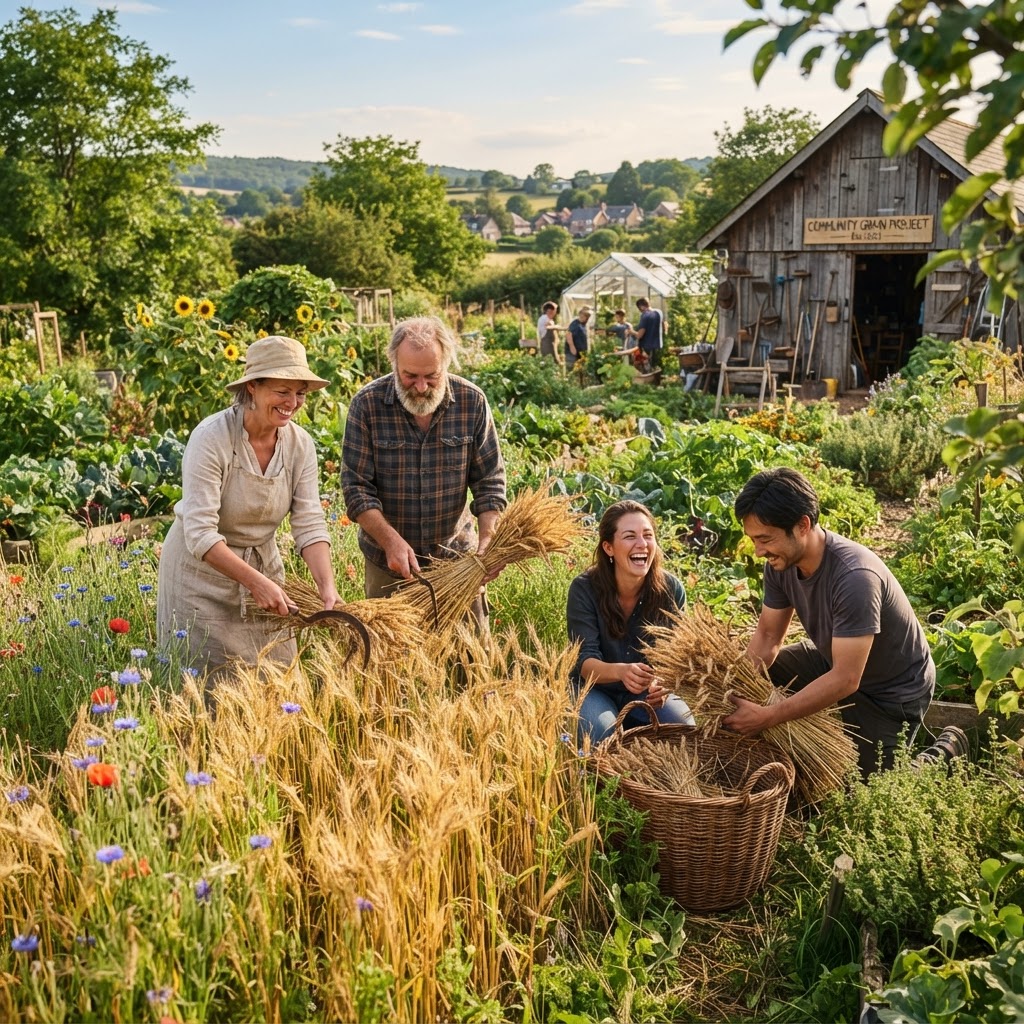
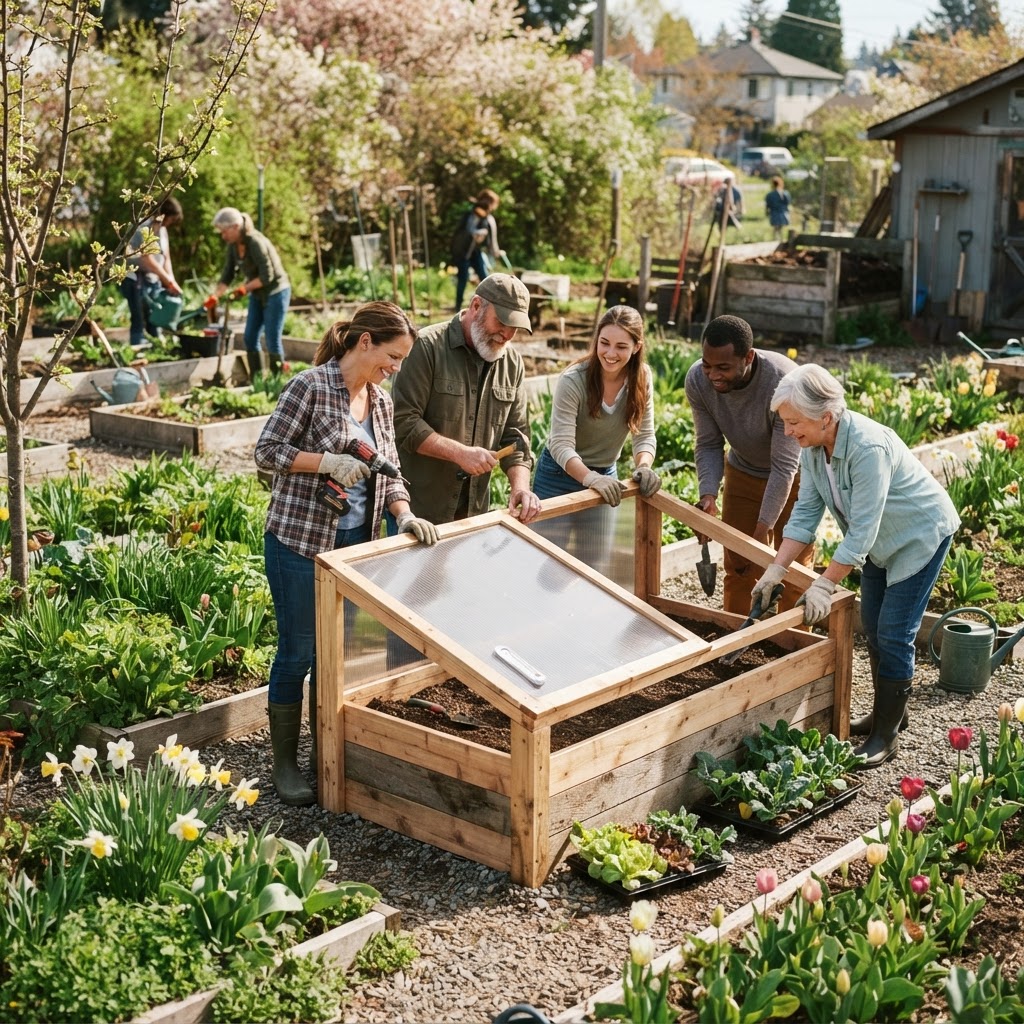
The work of preserving agricultural heritage is most powerful when it is done collectively. Consider organizing a seed library at your community garden, hosting seasonal seed swaps, or starting a heritage vegetable growing group that meets to share observations, seeds, and meals made from what you have grown.
Document the stories behind the varieties you grow and share them with your wider community through garden signs, newsletters, or community events. When people understand that a particular bean has been grown by families in your region for generations, or that a squash variety was a staple of a local Indigenous community, vegetables become cultural ambassadors.
Invite older gardeners and community members to share their memories and knowledge. They are often the living libraries of variety information and growing wisdom that no book can fully capture.
Conclusion
Cultivating heirloom vegetable varieties is one of the most rewarding and meaningful things a community gardener can do. It connects you to the long arc of human agricultural history, builds your skills as a gardener and seed saver, contributes to biodiversity, and strengthens the bonds within your community. Every seed you plant, save, and share is a small act of cultural preservation — a vote for a richer, more diverse food future.
You do not need to be an expert to begin. You need only a patch of soil, a few carefully chosen seeds, and a willingness to observe, learn, and share. The heirloom vegetable garden is always a conversation across time, and your hands are part of that conversation now.