Why Pollinators Matter in Community Gardens
A community garden is more than just a place to grow food and flowers — it's a living ecosystem. At the heart of that ecosystem are pollinators: bees, butterflies, moths, beetles, flies, and even hummingbirds. These remarkable creatures transfer pollen from one plant to another, enabling the reproduction of flowering plants and the production of fruits, vegetables, and seeds.
Without pollinators, many of the crops community gardeners work so hard to cultivate — tomatoes, squash, cucumbers, peppers, and berries — would produce little to nothing. Beyond the practical benefits for food production, a garden teeming with pollinators is a sign of ecological health. It signals that the space supports biodiversity and contributes to the broader web of life in your neighborhood.
Sadly, pollinator populations worldwide have been declining due to habitat loss, pesticide use, disease, and climate change. Community gardens are uniquely positioned to make a meaningful difference. Clustered in urban and suburban environments where green space is often scarce, a well-designed pollinator-friendly community garden can serve as a critical refuge and corridor for these essential creatures.
The good news? Creating a pollinator-friendly garden doesn't require a degree in ecology or a massive budget. With thoughtful plant selection, a few habitat additions, and some community buy-in, your garden can become a buzzing, fluttering haven that benefits both wildlife and gardeners alike.
Getting Started
Before you start planting, it's worth taking a few foundational steps to set your pollinator garden up for long-term success.
Assess Your Current Garden
Walk through your community garden space and take notes. What's already growing? Are there any native plants or flowering herbs already attracting visitors? Where does the sun hit most of the day? Are there areas of bare soil, which some native bees actually nest in? Understanding your existing conditions will help you make smarter decisions about what to add and where.
Talk to Your Fellow Gardeners
A pollinator-friendly community garden is a shared effort. Before making major changes, have a conversation with the people who share the space. Explain why pollinators matter, what changes you're hoping to make, and how those changes might benefit everyone's plots. Many gardeners will be enthusiastic once they understand that more pollinators mean better harvests.
Set Some Goals
Are you primarily focused on supporting native bees? Attracting monarch butterflies? Increasing vegetable yields? Your goals will shape your plant choices and garden design. You don't have to do everything at once — even small, incremental changes make a difference. Start with one dedicated pollinator bed or a strip along the garden's edge, and expand from there.
Check Local Ordinances and Garden Rules
Some community gardens have rules about what can be planted, especially when it comes to plants that might spread aggressively. Check with your garden coordinator before introducing any new species, particularly if you're considering plants that spread by runners or self-seeding. Native plants are usually a safe and welcome addition, but it never hurts to ask.
Choosing the Right Plants
Plant selection is the cornerstone of a pollinator-friendly garden. The goal is to provide a continuous bloom sequence — meaning something is always flowering from early spring through late fall — so pollinators have food sources throughout the season.
Prioritize Native Plants
Native plants are the gold standard for pollinator gardens. They evolved alongside native pollinators, meaning they offer the right type of pollen, nectar, and structure that local bees, butterflies, and other insects need. They also tend to be well-adapted to local soils and rainfall patterns, often requiring less water and maintenance once established.
Some excellent native plants to consider, depending on your region, include:
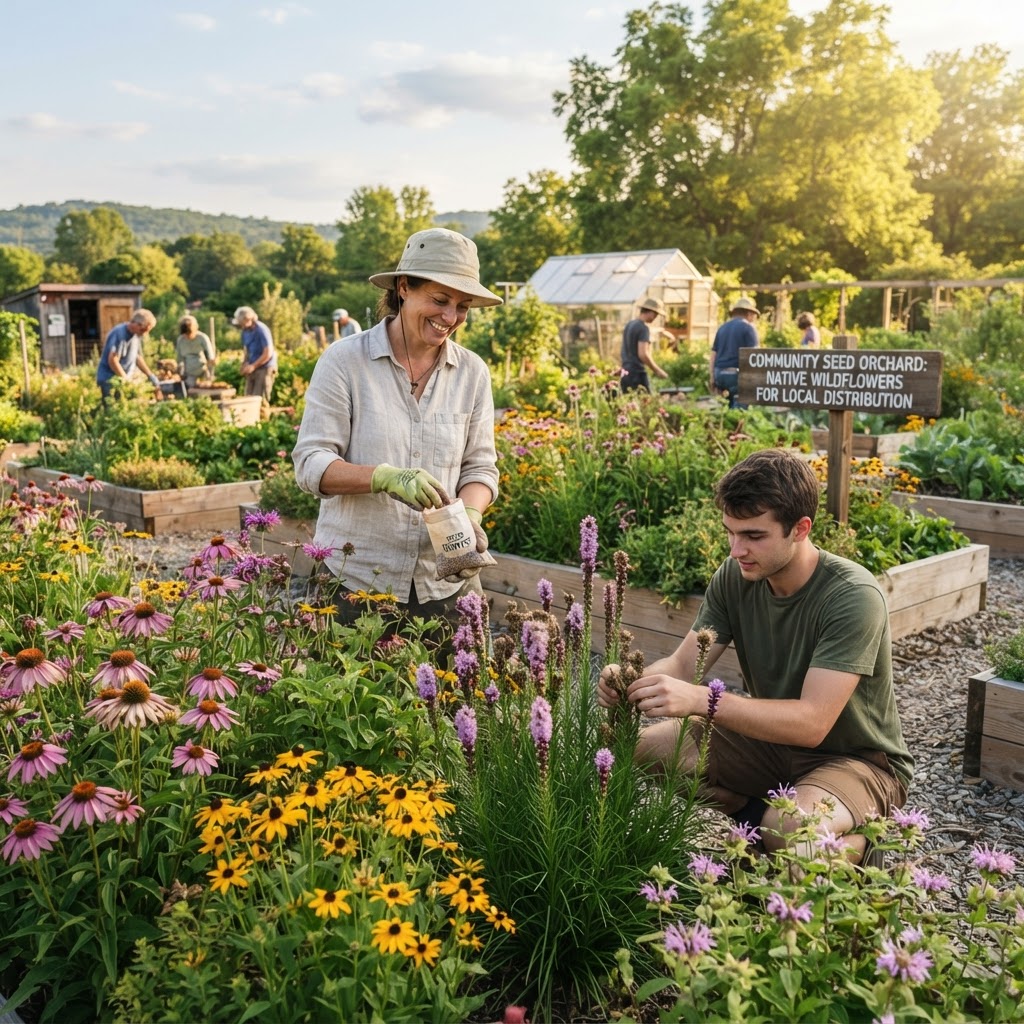
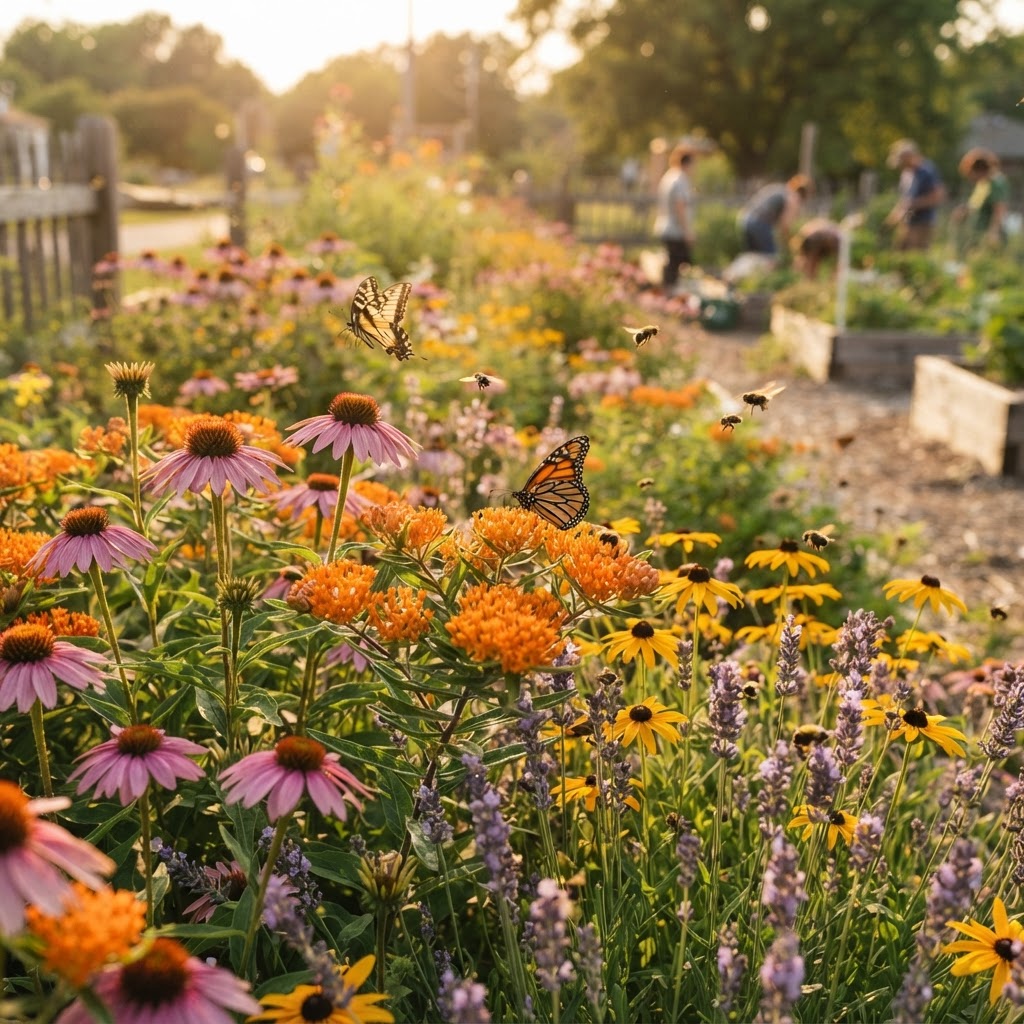
- Coneflowers (Echinacea spp.) — Beloved by bees and butterflies, these sturdy perennials bloom in mid-to-late summer and their seed heads feed birds in winter.
- Black-eyed Susans (Rudbeckia hirta) — Cheerful yellow flowers that bloom from summer into fall, attracting a wide range of pollinators.
- Wild bergamot (Monarda fistulosa) — A fragrant native mint-family plant that bumblebees, hummingbirds, and butterflies adore.
- Goldenrod (Solidago spp.) — Often unfairly blamed for hay fever (that's ragweed!), goldenrod is actually a pollinator powerhouse that blooms in late summer and fall when many other plants have finished.
- Milkweed (Asclepias spp.) — The essential host plant for monarch butterfly caterpillars and a nectar source for many other species.
- Native asters — Late-season bloomers that provide critical food for pollinators preparing for winter or migration.
Include Herbs and Edibles That Double as Pollinator Plants
Many plants that gardeners already grow for food or culinary use are excellent pollinator magnets. Letting some of these go to flower — or growing dedicated flowering patches — can significantly boost pollinator activity throughout the garden.
Great options include:
- Borage — Its bright blue star-shaped flowers are adored by bumblebees, and it self-seeds readily.
- Lavender — A magnet for honeybees and many native bees, lavender blooms reliably and is low-maintenance.
- Phacelia — A somewhat underrated cover crop and bee plant with beautiful purple blooms.
- Dill, fennel, and cilantro — When allowed to flower, these herbs attract a wide range of beneficial insects including parasitic wasps and hoverflies.
- Flowering thyme and oregano — These low-growing herbs provide a carpet of tiny flowers that smaller bee species love.
Think About Bloom Time and Color
Try to plan for overlapping bloom times so there's always something available. Early spring bloomers like willows, fruit trees, and native violets are especially important because they provide food when pollinators first emerge and food supplies are scarce. Midsummer coverage is usually easiest to achieve. The fall gap — when many gardens wind down — is worth consciously filling with late bloomers like asters, goldenrod, and sedums.
As for color, pollinators are generally attracted to blue, purple, violet, white, and yellow flowers. Bees in particular can see ultraviolet light, which guides them to flowers invisible to us. Planting clusters of the same color and species is more effective than a scattered patchwork, as it creates more visible landing zones for foraging insects.
Designing Your Pollinator Garden Layout
Good design makes a pollinator garden more effective and more beautiful. Here are some practical layout principles to keep in mind.
Plant in Drifts, Not Dots
Pollinators forage more efficiently when plants are grouped together. Rather than planting a single coneflower here and a single black-eyed Susan there, plant them in generous clumps or drifts of at least three to five plants of the same species. This maximizes visibility, reduces the energy pollinators spend searching between flowers, and creates a more visually striking display.
Layer Your Planting Heights
Just like a natural meadow or woodland edge, a layered garden is more interesting and supports a wider range of species. Think in terms of low ground covers (creeping thyme, low sedums), mid-height perennials (coneflowers, salvias, native grasses), and taller accent plants (Joe-pye weed, tall goldenrods, sunflowers). This layering also creates microclimates and shelter that different pollinator species need.
Leave Some Open Ground
This might feel counterintuitive, but not every inch of the garden needs to be planted or mulched. Many native bee species — including ground-nesting bees like mining bees — nest in bare or sparsely vegetated soil. Designating a small sunny patch of undisturbed, well-drained bare soil in your garden can provide valuable nesting habitat.
Create Sunny, Sheltered Spots
Pollinators are cold-blooded and need warmth to be active. Position your pollinator plantings in spots that receive full sun for most of the day. South-facing slopes or beds near walls and fences that absorb and radiate heat are particularly attractive to bees and butterflies. Windbreaks of taller plants or shrubs on the north side can create a sheltered microclimate that pollinators love.
Providing Habitat Beyond Flowers
Flowers are the most visible part of a pollinator garden, but habitat features — places for pollinators to nest, overwinter, and find water — are equally important.
Install or Build Bee Nesting Structures
Most native bees are solitary, meaning they don't live in hives. Many species nest in hollow stems or holes in wood. You can support these bees by:
- Installing a bee hotel — A structure filled with hollow tubes or drilled blocks of untreated wood. Place it in a sunny, sheltered spot at least a meter off the ground.
- Leaving hollow stems — When cutting back perennials in fall, leave some stems standing at around 30–45 cm tall. Many native bees will overwinter in these stems.
- Keeping some wood debris — A small pile of logs or a section of a dead tree trunk can provide nesting sites for various insects.
Add a Water Source
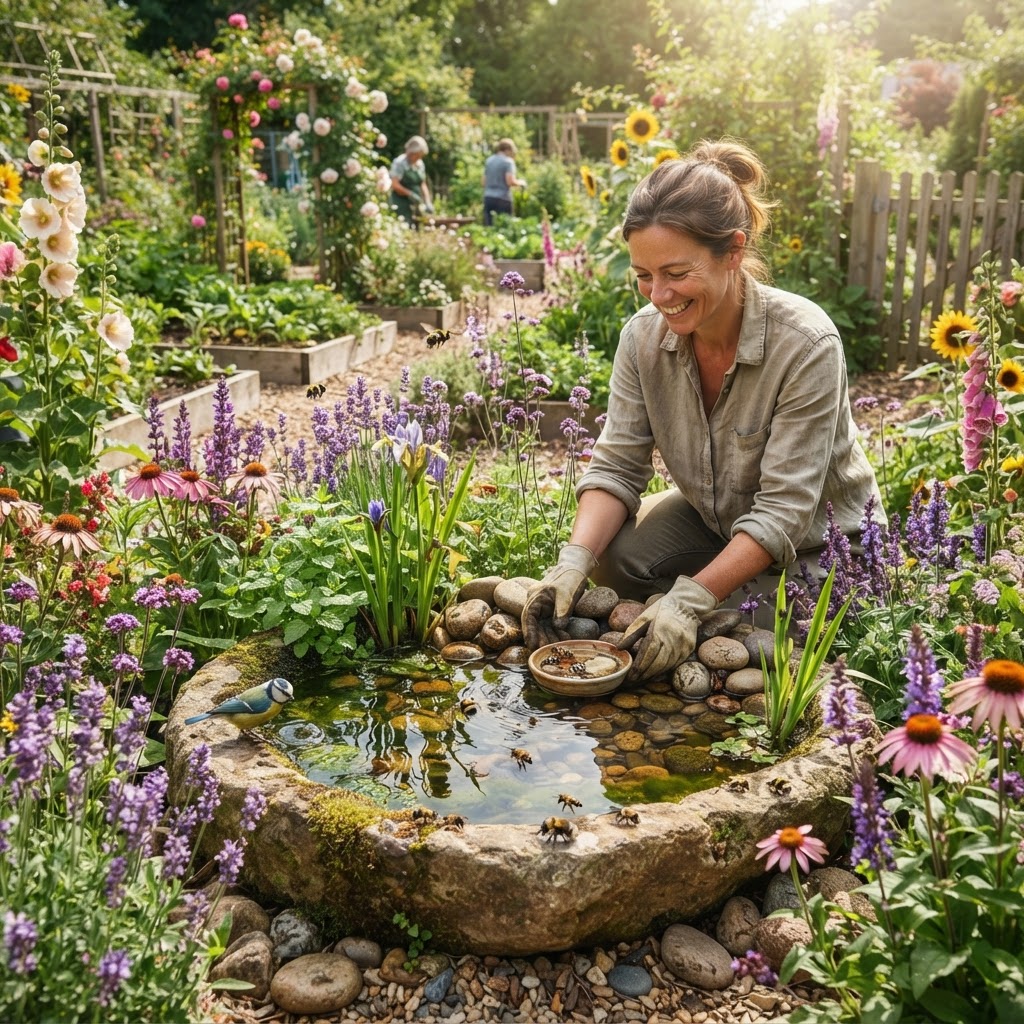
Pollinators need water, especially during hot summer months. A simple shallow dish or saucer filled with clean water and some pebbles or marbles (so insects can land without drowning) is all you need. Change the water regularly to prevent mosquito breeding. Position it near your flowering plants in a spot that gets morning sun.
Avoid or Minimize Pesticide Use
This is non-negotiable in a pollinator-friendly garden. Even pesticides labeled as "organic" or "natural" can harm bees and other beneficial insects if applied incorrectly or at the wrong time. Work with fellow gardeners to establish garden-wide guidelines around pesticide use. Encourage integrated pest management (IPM) practices: identifying pests correctly, using physical barriers and beneficial insects, and treating only when necessary, targeting specific pests rather than spraying broadly.
Maintaining a Pollinator-Friendly Space
One of the great things about a well-designed pollinator garden is that it becomes easier to maintain over time as plants establish and the ecosystem stabilizes. However, some intentional maintenance practices will keep it thriving.
Embrace Seasonal Messiness
It can be tempting to do a thorough garden cleanup every fall, but leaving some leaf litter, seed heads, and plant debris through winter provides essential shelter for overwintering pollinators. Many butterfly species overwinter as pupae in leaf piles or bark. Native bees may nest in stem cavities right through the cold months. Try to wait until late spring — when temperatures have consistently warmed — before doing your major tidy-up.
Deadhead Selectively
Deadheading spent flowers encourages many plants to produce more blooms, which is great for pollinators. However, leave some seed heads intact as the season ends. These feed birds and also allow self-seeding plants to naturally propagate — filling gaps and spreading your pollinator garden over time with minimal extra effort.
Divide and Spread Plants
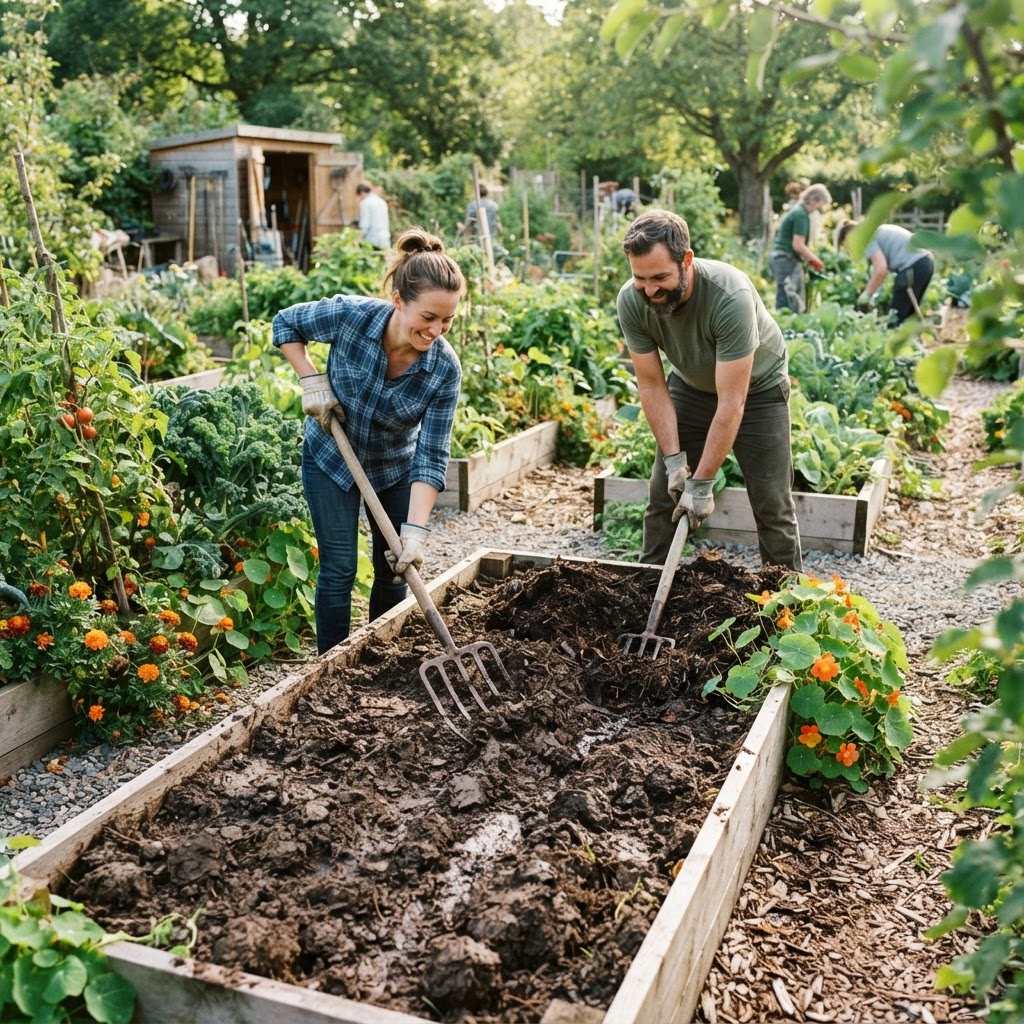
Perennial pollinator plants like coneflowers, black-eyed Susans, and native grasses can be divided every few years to keep them vigorous and to multiply your plant stock. Share divisions with other gardeners in your community garden to expand the pollinator-friendly planting across more plots.
Engaging Your Community
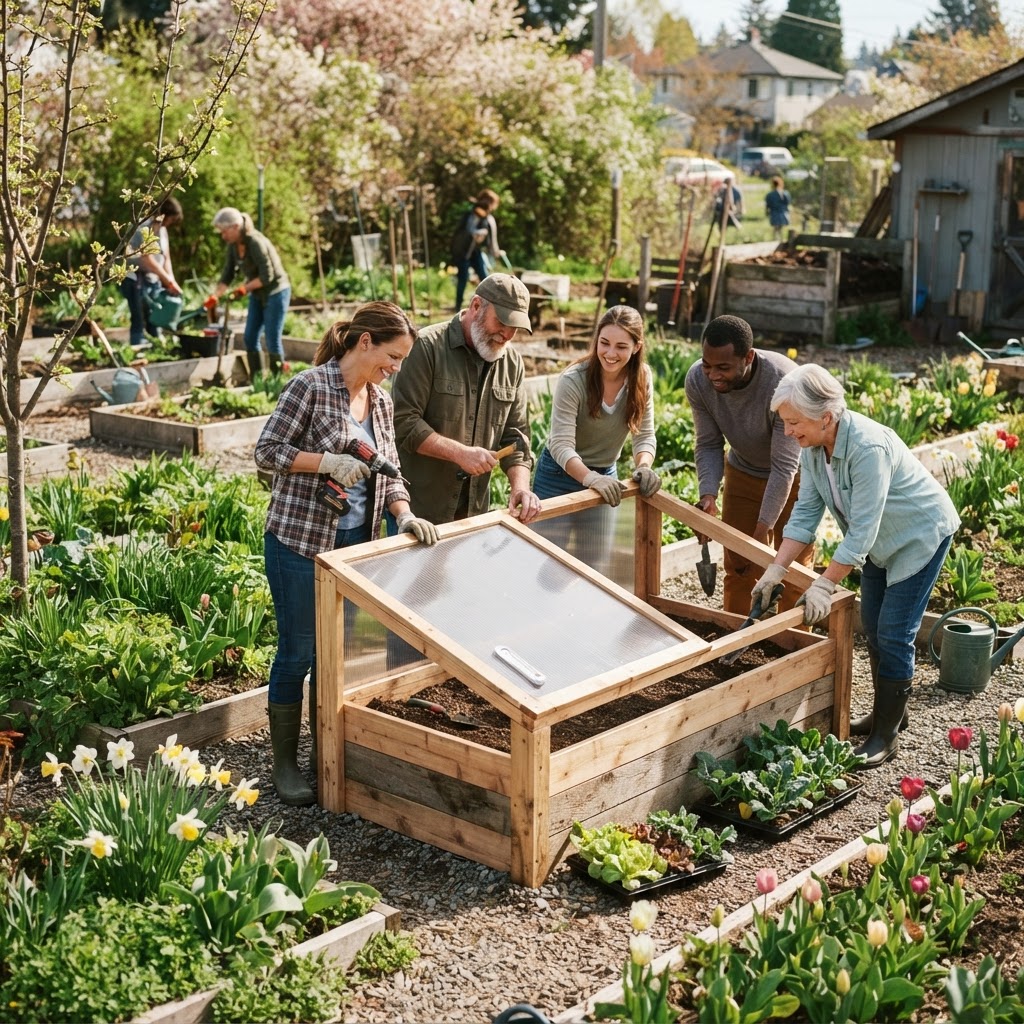
A pollinator-friendly community garden flourishes when it becomes a genuine community project rather than one person's passion. Here are some ways to get others involved and inspired.
Host a Planting Day
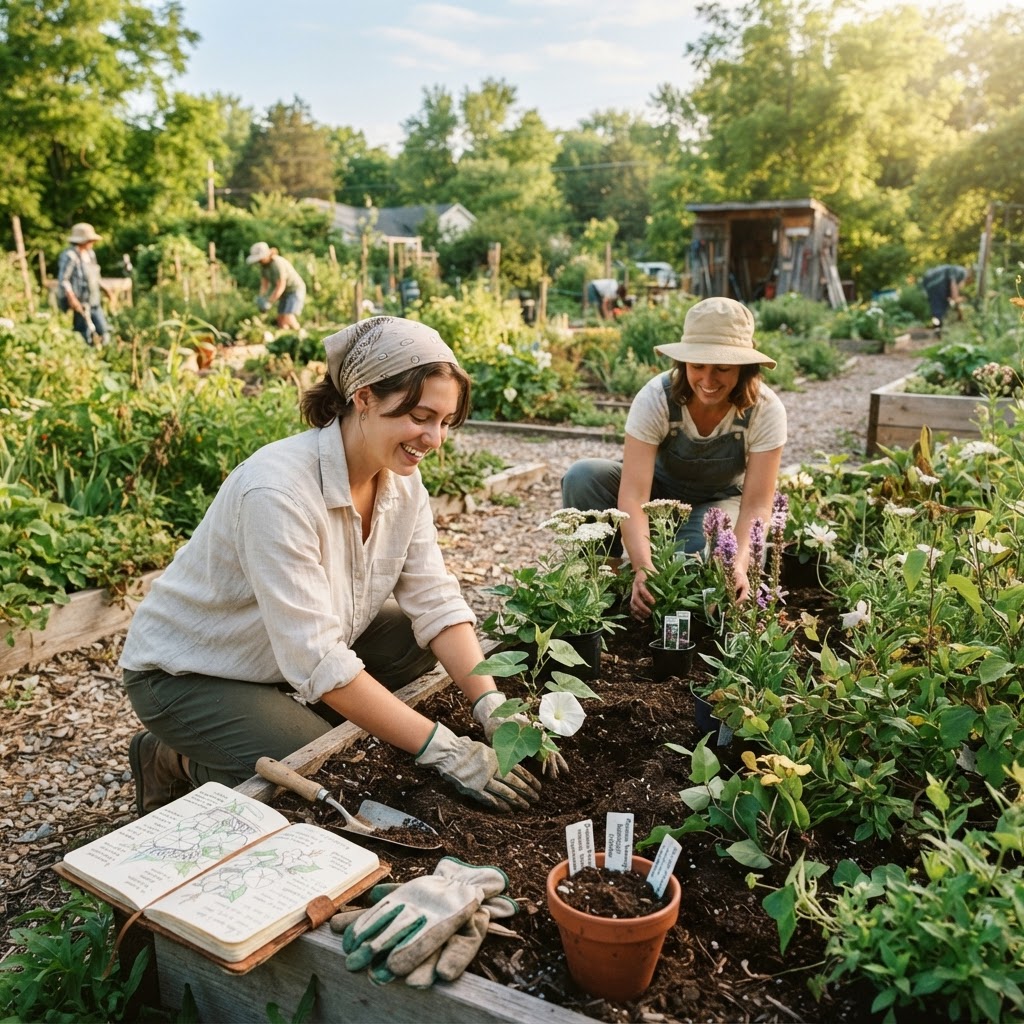
Organize a community planting event where gardeners come together to install the pollinator bed or add new plants. These events build enthusiasm, share the workload, and create a sense of collective ownership over the space. Provide refreshments, some basic information about the plants being installed, and a simple map of what's being planted where.
Create Educational Signage
Simple, attractive signs identifying the plants in your pollinator garden — with notes about which pollinators they attract — turn the garden into a living classroom. This is especially valuable if your garden is in a public space where passersby can learn something new. Laminated cards inserted into the ground near plants are affordable and effective.
Partner with Schools and Youth Groups
Children are natural enthusiasts for pollinators. Butterflies, bees, and beetles capture their imagination in ways that carrots and tomatoes sometimes don't. Invite local school groups or scouts to help with planting or maintenance, and use the garden as an outdoor classroom. Young people who connect with nature in community gardens often become lifelong environmental stewards.
Document and Celebrate What You See
Encourage gardeners to photograph the pollinators they spot and share them on a community board or group chat. Celebrating a first monarch butterfly of the season or a bumblebee queen visiting the borage creates community joy and motivates continued effort. Over time, these records also become a valuable informal dataset showing how your garden's pollinator diversity grows.
Conclusion
Creating a pollinator-friendly community garden is one of the most meaningful and rewarding things you can do as a community gardener. You're not just growing plants — you're building habitat, restoring ecological connections, and contributing to the health of your local environment. And because community gardens bring people together, you have the opportunity to multiply that impact by inspiring others to think and garden in pollinator-friendly ways.
The steps are genuinely accessible: choose native and nectar-rich plants, provide habitat features, stop or severely limit pesticide use, and embrace a slightly wilder, more natural aesthetic. Start small if you need to. Even a single well-planted bed of native flowers can attract dozens of bee species and help support local butterfly populations.
Your garden is a living space that changes season by season and year by year. As your pollinator garden matures, you'll notice more diversity, more abundance, and a more vibrant, alive feeling every time you visit. That's the reward for putting pollinators at the center of your gardening practice — a garden that truly hums with life.