Getting Started
Before you put a single word on paper, it helps to step back and understand what you're actually creating. Many gardeners use the terms "rules" and "bylaws" interchangeably, but they serve different purposes.
Rules are the day-to-day operational guidelines that govern how members use the garden. These include things like plot maintenance standards, watering schedules, tool borrowing policies, and guest policies.
Bylaws are the broader governance document that outlines how the organization itself functions. Bylaws typically cover membership eligibility, dues structures, officer roles, voting procedures, and how the bylaws themselves can be amended.
Assessing Your Garden's Needs
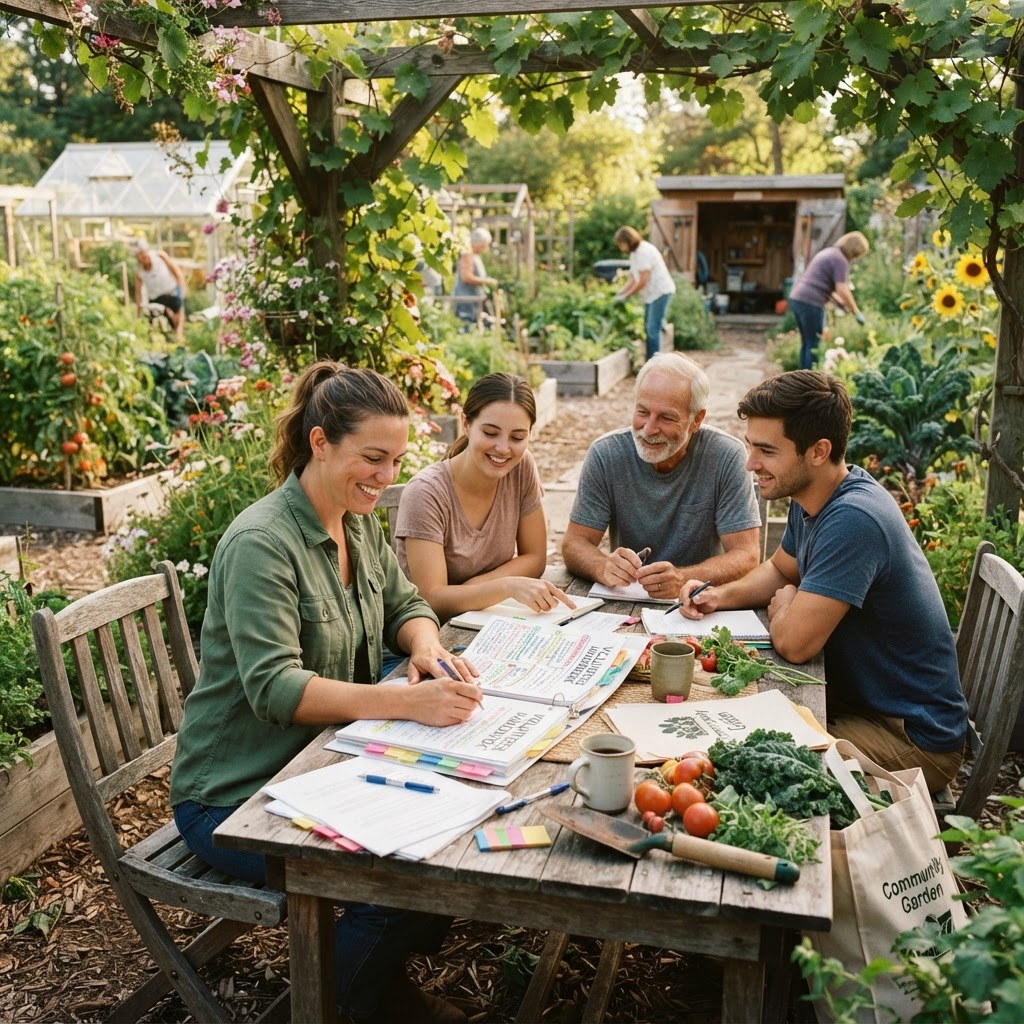
Start by gathering information before drafting anything. Hold a community meeting or send out a simple survey to your current or prospective members. Ask questions like:
- What concerns do you have about shared spaces?
- What should happen when someone stops maintaining their plot?
- How should decisions about the garden be made?
- What behavior would make you feel unwelcome or unsafe here?
This input is invaluable. Rules that come from the community feel far more legitimate than rules handed down by a single founder or coordinator. Members are also much more likely to follow policies they helped shape.
Gathering Reference Materials
Look at what similar gardens in your region have already created. Many municipal parks departments, land trusts, and community garden networks publish sample documents online. These are excellent starting points, but be careful not to simply copy and paste — your garden has a unique culture, location, and set of needs that should be reflected in your documents.
If your garden is affiliated with a city, school, church, or other institution, you may also need your documents to align with that organization's existing policies. Check those requirements early so you're not rewriting things later.
Why Rules and Bylaws Matter
Some garden coordinators resist writing formal rules because they worry it will make the community feel cold or bureaucratic. In reality, the opposite tends to be true. Vague or unwritten expectations are a recipe for conflict, favoritism, and misunderstanding.
Clear rules protect everyone equally. When the policy is written down, no one can claim they didn't know what was expected of them. It also removes the burden from individual coordinators who might otherwise feel forced to make judgment calls on the fly — and then face accusations of being unfair.
Bylaws, in particular, ensure that your garden can survive leadership transitions. When a founding member moves away or steps down, the bylaws provide continuity. New leaders don't have to guess at how things were done before; the document guides them.
Additionally, if your garden ever needs to apply for grants, enter into a lease agreement, or incorporate as a nonprofit, having formal governance documents is often a requirement.
Core Components of Community Garden Rules
Your rules document should be thorough enough to address real situations but readable enough that members will actually look at it. Here are the essential areas to cover:
Plot Assignment and Maintenance Standards
Clearly describe how plots are assigned — whether by lottery, waitlist, or another method. State the size of plots available and any restrictions on what can be planted (for example, some gardens prohibit invasive species or overly tall plants that shade neighboring plots).
Define what "maintained" means. Don't leave this vague. A good rule might state: "Plot holders must remove dead plants within two weeks of the end of the growing season and keep their plot free of weeds that have gone to seed." Specific, observable standards prevent disputes.
Watering and Resource Use
If your garden has shared water sources, specify how they should be used and whether there are any restrictions during drought conditions. Address hose storage, drip irrigation installation policies, and whether members can leave sprinklers unattended.
Shared Spaces and Tools
Most community gardens have communal areas — pathways, tool sheds, seating areas, compost bins. Your rules should explain who is responsible for maintaining these spaces and how shared tools should be cleaned, returned, and reported if damaged.
Guests and Visitors
Decide whether members can bring guests to work in the garden and under what conditions. Many gardens allow guests with proper supervision but prohibit unsupervised children in certain areas or restrict access to the tool shed for non-members.
Chemicals and Organic Standards
This is a big one. Many community gardeners care deeply about whether synthetic pesticides or herbicides are used. If your garden maintains organic standards, say so explicitly. List what is and isn't permitted, and consider requiring members to store any approved products safely and to notify neighbors before application.
Plot Abandonment and Non-Renewal
Define what happens when a member stops showing up. A typical policy might state that if a plot shows no signs of maintenance for a set number of weeks, the coordinator will issue a written notice. If no response is received within a defined timeframe, the plot may be reassigned. Clear timelines protect the coordinator and give the member a fair chance to respond.
Writing Your Bylaws Step by Step
Bylaws are more formal than rules and follow a fairly standard structure. Here's a breakdown of what to include:
Article 1: Name and Purpose
State the name of your garden organization and its mission. Keep the purpose statement broad enough to accommodate future growth but specific enough to be meaningful.
Article 2: Membership
Define who is eligible to become a member, how they apply, what the annual dues are, and how membership is renewed. Address whether there are different membership categories (individual vs. family, for example) and what rights each category includes.
Article 3: Officers and Leadership
List the leadership positions in your organization (common ones include President or Garden Coordinator, Secretary, and Treasurer). Describe the responsibilities of each role, how officers are elected, their term lengths, and the process for removing an officer who is not fulfilling their duties.
Article 4: Meetings
Specify how often the garden holds general meetings, how meetings are called, what constitutes a quorum (the minimum number of members needed to conduct official business), and how votes are conducted.
Article 5: Finances
Outline how the garden handles money. Who has signing authority on accounts? How are expenses approved? What happens to funds if the garden dissolves? Even small gardens benefit from basic financial transparency policies.
Article 6: Amendments
Explain how the bylaws themselves can be changed. A common approach requires a proposal to be submitted in advance and then approved by a two-thirds majority of members present at a meeting. This prevents snap decisions but allows for evolution over time.
Common Mistakes to Avoid
Writing governance documents for the first time comes with some predictable pitfalls. Here's what to watch out for:
Being too vague. Rules like "be respectful" or "keep your plot tidy" sound reasonable but are nearly impossible to enforce consistently. Always translate general expectations into specific, observable behaviors.
Being too rigid. On the flip side, rules that don't allow for any exceptions or extenuating circumstances will frustrate members and erode goodwill. Build in language that allows the leadership to exercise reasonable judgment in unusual situations.
Forgetting the enforcement mechanism. Every rule needs a consequence. If your document says what members must do but doesn't explain what happens when they don't, you'll find yourself in awkward situations with no clear path forward. Define a graduated response process — for example, a verbal reminder, then a written notice, then potential membership termination.
Writing bylaws in isolation. If one person drafts the bylaws without community input and then presents them as final, expect pushback. Even if the document is excellent, the process matters. Involve members from the start.
Ignoring legal or institutional requirements. If your garden is on leased land, your lease may impose certain obligations. If you're applying for nonprofit status, your bylaws will need to meet specific legal standards. Always check what external requirements apply before finalizing your documents.
Making documents too hard to find. A beautifully written set of rules does no good if members can't locate them. Store your documents somewhere accessible — a shared folder, a printed binder in the garden shed, or a simple website.
Tips for Success
Start with a working draft, not a final product. Present your first version clearly labeled as a draft and invite feedback over a specific period of time. This signals openness and reduces defensiveness.
Use plain language. Avoid legalese whenever possible. If a policy is hard to understand, it will be harder to follow and harder to enforce. Read your draft out loud — if you stumble over a sentence, rewrite it.
Review annually. Plan to revisit your rules and bylaws at the end of each growing season. What worked? What created confusion? Scheduled reviews normalize the idea that documents evolve, and they give members a regular forum to raise concerns constructively.
Create a welcome packet. Summarize the most important rules in a one-page or two-page welcome document for new members. This isn't a replacement for the full rules document, but it ensures new gardeners absorb the essentials quickly.
Acknowledge the spirit behind the rules. Where it makes sense, briefly explain why a rule exists. "Plots must be watered before 9 a.m. or after 6 p.m. to reduce evaporation and conserve our shared water supply" is far more persuasive than a bare command. When people understand the reasoning, they're more likely to comply — and to remind neighbors of the policy themselves.
Designate a point person for questions. Make it clear who members should contact if they have questions about the rules or need to report a concern. Ambiguity about who to talk to often means problems don't get raised until they've become serious.
Conclusion
Writing community garden rules and bylaws isn't the most glamorous part of running a garden, but it's one of the most valuable investments you can make in your community's long-term health and harmony. Clear, fair, and thoughtfully written governance documents protect members, support leadership, and provide a roadmap for resolving the inevitable disagreements that arise when people share a space they care about.
The best documents are those that reflect the actual values and needs of your gardening community. Take the time to listen before you write, involve members in the process, and commit to revisiting your documents as your garden grows and changes. When you get it right, your rules and bylaws fade quietly into the background — which is exactly where they belong — while your community garden flourishes in the foreground.