Getting Started
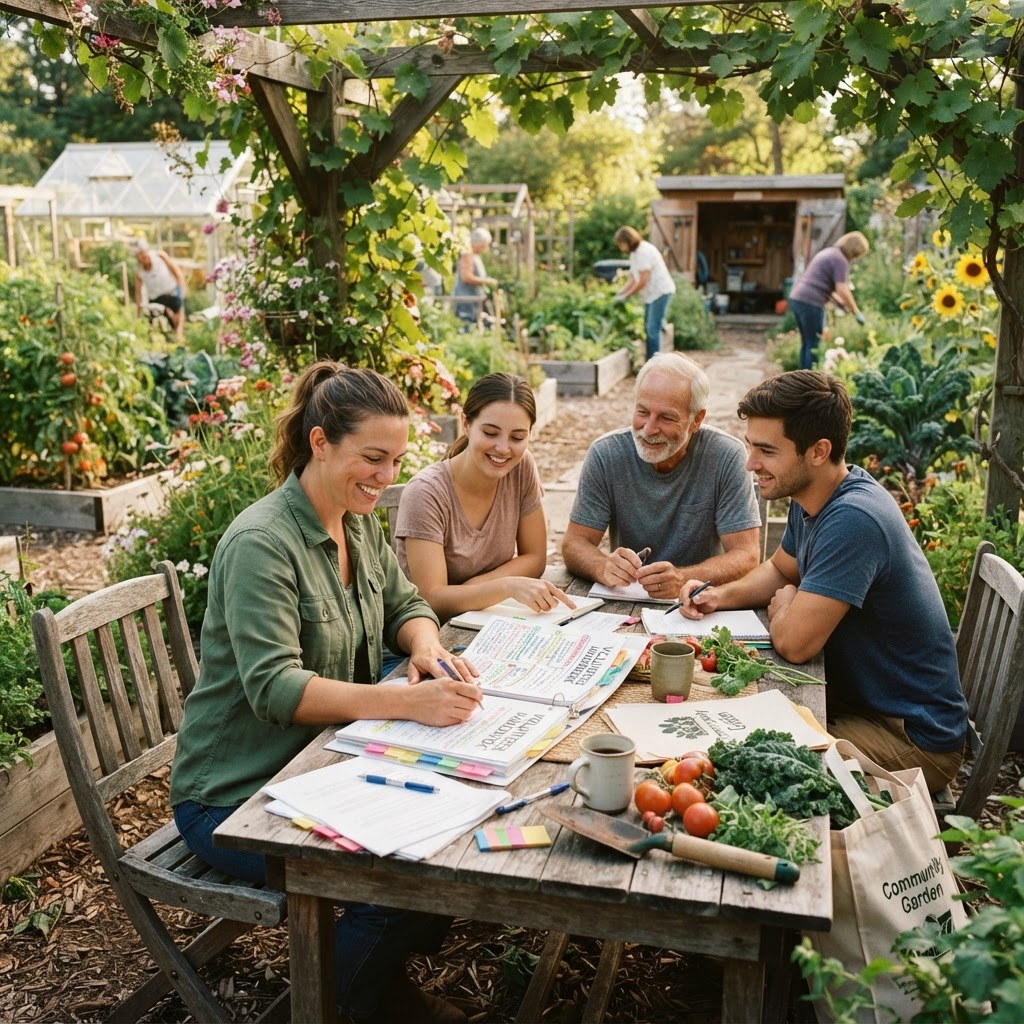
Before you dive into spreadsheets or sign-in sheets, it is important to take a step back and think about what your garden actually needs from its members. Every community garden is different — some are small plots shared by a handful of neighbors, while others are large operations with dozens of plot holders, shared spaces, communal beds, and complex infrastructure to maintain.
Ask yourself these foundational questions:
- How many members does your garden currently have, or expect to have?
- What tasks need to be completed regularly (weeding common areas, maintaining paths, managing compost, hosting events)?
- How much time does it realistically take to keep the shared spaces in good condition?
- Is there an existing set of rules or bylaws that address participation?
- Who will be responsible for overseeing and recording volunteer contributions?
Starting with honest answers to these questions will help you set participation requirements that are fair, achievable, and meaningful. If you try to impose unrealistic hour requirements right from the beginning, you will likely face resistance and resentment from the very people you need to engage.
Once you have a clear picture of your garden's needs, you can move forward with designing a system that works for your community rather than against it.
Why Volunteer Hours Matter
Volunteer hours are the lifeblood of any community garden. Unlike private gardens where a single household bears all the maintenance responsibility, community gardens depend on shared labor to keep common areas clean, functional, and welcoming.
Shared spaces typically require collective maintenance, including:
- Pathways and walkways
- Communal tool sheds and equipment storage
- Compost bins and organic waste management
- Water systems and irrigation infrastructure
- Signage, fencing, and security features
- Educational programs, workshops, and community events
When members do not contribute equitably, the burden falls on a small group of dedicated volunteers who quickly become burned out. This imbalance breeds resentment and can fracture what should be a positive, collaborative community.
Beyond the practical necessity, volunteer hours also serve a deeper purpose: they build community. Working side by side with neighbors creates relationships, fosters trust, and cultivates the shared ownership that makes a community garden feel genuinely communal rather than just a collection of individual plots.
Setting Participation Requirements
Clear, written participation requirements are the cornerstone of a fair volunteer system. Vague expectations like "pitch in when you can" almost always lead to confusion and unequal contributions. Instead, establish specific, documented requirements that every member agrees to upon joining.
Defining Minimum Hour Requirements
Most established community gardens require members to complete a set number of volunteer hours per growing season or per year. A common approach is to require somewhere between eight and twenty hours annually, depending on the size and complexity of the garden. However, what matters more than any specific number is that the requirement reflects actual need.
Consider dividing the year into seasons or quarters and assigning hour requirements per period. This spreads the workload more evenly and gives members regular checkpoints to stay on track rather than scrambling to fulfill obligations at the end of the year.
Creating Categories of Acceptable Work
Not all volunteer contributions look the same, and that is actually a good thing. Some members may be physically limited, while others have professional skills — graphic design, accounting, grant writing — that can benefit the garden in ways that do not involve pulling weeds. Creating broad categories of acceptable volunteer work makes your system more inclusive and opens the door to a wider range of contributions.
Common volunteer hour categories include:
- Physical maintenance (weeding, mulching, watering, composting)
- Tool and equipment care
- Administrative tasks (newsletter writing, website updates, meeting facilitation)
- Event planning and hosting
- Educational programming
- Fundraising and grant writing
- Mentoring new members
Defining these categories in advance also makes tracking easier, since members know what counts toward their hours and what does not.
Incorporating Work Parties and Scheduled Events
One of the most effective ways to organize volunteer labor is through scheduled work parties — organized days when members come together to tackle big projects or routine maintenance tasks. Work parties also have a social dimension that makes volunteering more enjoyable and strengthens the community fabric.
Consider hosting at least one work party per month during the growing season, and make attendance at a certain number of these events part of the participation requirement. This ensures that volunteer labor is coordinated and productive rather than scattered and redundant.
Methods for Tracking Volunteer Hours
A tracking system is only useful if people actually use it. The best systems are simple, accessible, and consistent. Here are the most commonly used approaches in community gardens of all sizes.
Paper Sign-In Sheets
For smaller gardens or those without reliable internet access, a paper sign-in sheet posted in a central location — such as the tool shed or a bulletin board near the entrance — can be perfectly effective. Members write their name, the date, the task completed, and the number of hours worked.
The advantages are simplicity and low cost. The disadvantages are that paper sheets can be lost or damaged, and someone must manually compile the data at regular intervals.
Volunteer Logs or Personal Tracking Forms
Some gardens ask each member to maintain their own volunteer log, which they submit to a coordinator at the end of each quarter or season. This approach places responsibility on the individual, which can work well with a culture of personal accountability. However, it requires trust in self-reporting and a clear, consistent form for members to use.
Digital Spreadsheets
A shared spreadsheet hosted on a platform that all members can access is a step up from paper. A well-organized spreadsheet can track names, dates, task categories, hours, and cumulative totals in one place. Assigning one person as the spreadsheet manager helps maintain accuracy and prevents accidental edits.
Digital Tools and Paper Systems
As your garden grows, you may find that a more robust system is needed. Several digital platforms have been developed with community organizations in mind, offering features like automated reminders, hour logging, event sign-ups, and participation reports.
Choosing the Right Tool for Your Garden
When evaluating any tracking tool, ask these questions:
- Is it easy enough for all members to use, including those who are less tech-savvy?
- Can it be accessed from a smartphone?
- Does it allow administrators to view cumulative totals and flag members who are falling behind?
- Is it free or low-cost for a nonprofit or volunteer organization?
Some gardens use general-purpose tools like shared Google Sheets or Airtable, while others prefer purpose-built volunteer management software. The right choice depends on your budget, your members' comfort with technology, and how complex your tracking needs are.
Hybrid Systems
Many gardens find that a hybrid approach works best: a paper sign-in sheet at work parties for immediate, on-site logging, combined with a digital spreadsheet or platform where data is consolidated and made accessible to members. This approach balances convenience with accuracy and ensures that participation is captured even when technology is not available.
Communicating Expectations to Members
Even the best tracking system will fail if members do not understand what is expected of them. Clear, consistent communication is essential from the very beginning of each member's involvement with the garden.
Best practices for communicating participation requirements:
- Include the full requirements in the membership agreement or lease that every member signs
- Revisit the requirements at the start of each new season during a general meeting
- Send regular updates (monthly or quarterly) to all members showing their current hour totals
- Provide a simple, easy-to-find guide explaining what counts as volunteer work and how to log hours
- Use your garden's newsletter, email list, or bulletin board to remind members of upcoming work parties and deadlines
The goal is to create a culture where tracking volunteer hours feels normal and supportive rather than punitive or bureaucratic. Frame communications positively, celebrating contributions and expressing genuine appreciation for members' time.
Handling Non-Compliance Fairly
Even with the best systems and communication, some members will fall short of participation requirements. How your garden handles this situation says a great deal about the values of your community.
A graduated, compassionate approach works best:
- Early check-in: If a member is behind on hours midway through the season, reach out with a friendly, private message to ask if they need support or have faced any challenges.
- Formal reminder: If they continue to fall behind, send a formal written notice outlining the shortfall and the deadline to make up hours.
- Accommodation options: Consider offering flexibility for members dealing with illness, family emergencies, or other genuine hardships. A small fee in lieu of hours is one option some gardens use.
- Consequences: If a member consistently fails to meet requirements despite outreach and accommodation, the membership agreement should clearly outline the consequences, which may include loss of plot priority, suspension, or non-renewal of membership.
Document every step of this process carefully, both to protect the organization and to ensure fairness across all members.
Common Mistakes to Avoid
Setting Unrealistic Hour Requirements
Requiring too many hours per season — especially for members who work full time or have significant family responsibilities — will lead to frustration and non-compliance. Start conservatively and adjust upward if needed.
Failing to Define What Counts as Volunteer Work
If members are unsure whether their contributions count toward their requirement, they may stop tracking altogether. Be specific and document all eligible activities in writing.
Neglecting to Acknowledge and Celebrate Contributions
A tracking system that only notices when people fall short misses an important opportunity. Publicly recognizing members who go above and beyond builds morale and motivates others to participate.
Losing Track of Records
Whether you use paper or digital systems, make sure records are backed up and maintained across leadership transitions. Gardens that rely on one person's memory or a single non-backed-up spreadsheet are one resignation away from losing years of data.
Applying Rules Inconsistently
Enforcing participation requirements selectively — letting some members slide while holding others strictly accountable — destroys trust and breeds resentment. Consistency is essential for fairness and community cohesion.
Tips for Success
- Make logging hours as easy as possible. The simpler the process, the more likely people are to do it consistently. A single, well-placed sign-in sheet at work parties removes almost all barriers.
- Assign a dedicated volunteer coordinator. Having one person responsible for tracking and communication ensures consistency and prevents things from falling through the cracks.
- Send friendly quarterly check-ins. A brief email showing each member their current hour total keeps participation on everyone's radar without being confrontational.
- Schedule work parties at varied times. Hosting events on both weekday evenings and weekend mornings helps accommodate different schedules and increases overall participation.
- Involve members in reviewing requirements annually. Allow the community to weigh in on whether the current hour requirements feel fair and achievable. This builds buy-in and keeps rules relevant.
- Create a buddy system for new members. Pairing new gardeners with experienced ones for their first few work parties helps them learn the ropes and feel welcomed into the community.
- Tie volunteer milestones to tangible recognition. Simple acknowledgments — a shoutout in the newsletter, a small seed packet, or priority plot selection — reinforce positive participation habits.
Conclusion
Tracking volunteer hours and managing participation requirements may not be the most glamorous aspect of running a community garden, but it is one of the most important. A fair, transparent, and well-communicated system ensures that the work of maintaining your garden is shared equitably, protects dedicated volunteers from burnout, and creates a sense of shared ownership that strengthens the entire community.
Start simple, communicate clearly, and approach enforcement with compassion and consistency. Over time, as your tracking system becomes part of your garden's culture, you will find that most members genuinely want to contribute — they just need the structure and encouragement to do so effectively.
Whether you are launching a brand new garden or revamping an existing system that has grown chaotic over time, the principles in this guide will help you build something that works for everyone. Your garden — and the community around it — will be stronger for it.