Getting Started
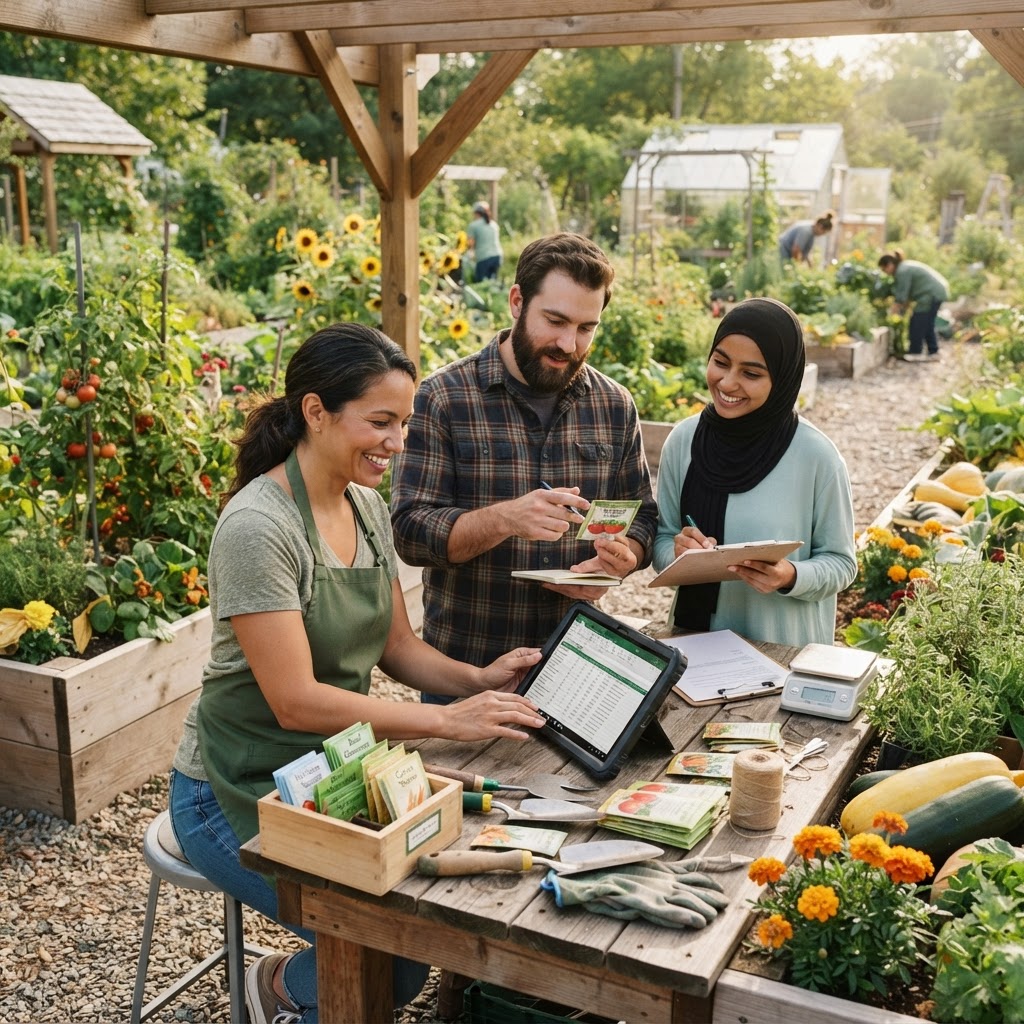
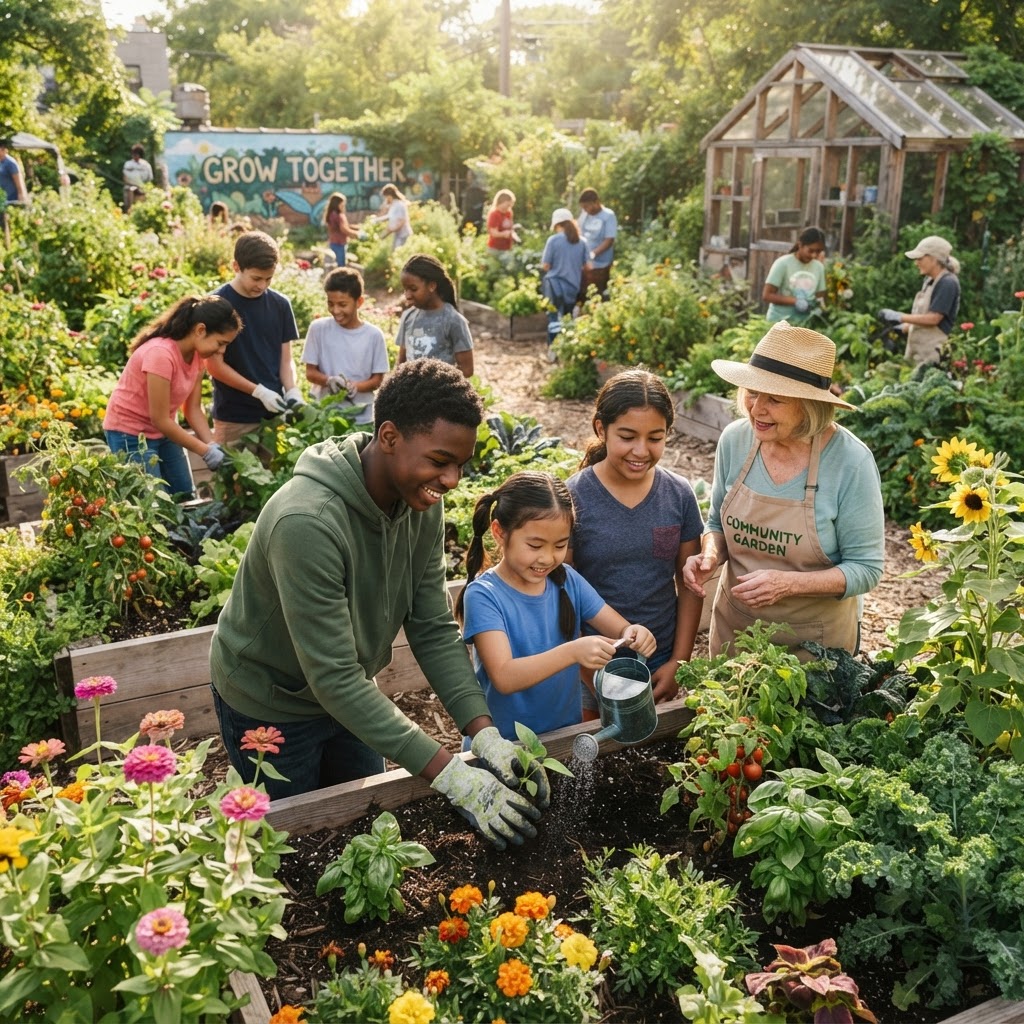
Bringing young people into your community garden is one of the most rewarding — and occasionally challenging — things you can do as a garden organizer. Children and teenagers are naturally curious, creative, and full of energy. With the right environment and guidance, that energy can translate into a genuine lifelong love of growing food and caring for the earth.
But getting started requires more than just telling kids to "come dig in the dirt." Successful youth gardening programs are intentional, inclusive, and designed with young people's interests and developmental needs in mind.
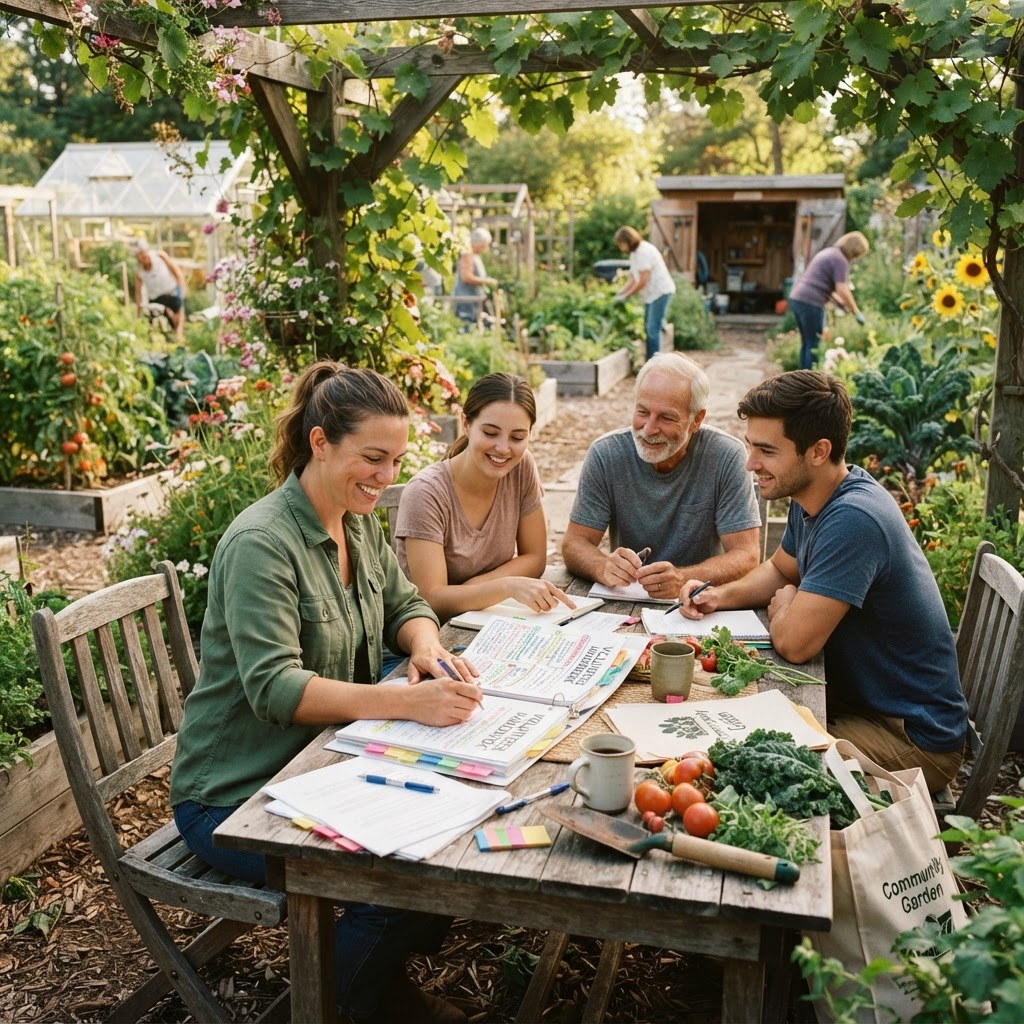
Before you launch any kind of youth initiative, take stock of what you already have:
- Space: Does your garden have room for a dedicated youth area, or can you integrate young participants into existing plots?
- Volunteer capacity: Do you have adults willing to mentor and supervise on a consistent basis?
- Budget: What funds are available for tools, seeds, educational materials, and activities?
- Community connections: Are there schools, youth centers, libraries, or faith organizations nearby that might partner with you?
Even if your answers to some of these questions are "not yet," don't be discouraged. Many of the most vibrant youth garden programs started with just a few committed adults, a handful of eager kids, and a small patch of soil.
Why Youth Engagement in Gardening Matters
Before diving into strategy, it helps to understand why this work is genuinely important — not just as a feel-good activity, but as meaningful community development.
Gardening teaches young people skills that extend far beyond the raised beds. When children and teens participate in growing food, they develop patience, responsibility, scientific curiosity, and an understanding of where their food comes from. They also build connections to their community and to the natural world, which research consistently links to improved mental well-being and a greater sense of belonging.
For communities with limited access to fresh produce, youth gardening programs can become a bridge to better nutrition. When young people grow vegetables themselves, they are often far more willing to try eating them — a powerful outcome that benefits both individuals and families.
From a community governance perspective, engaging youth is also an investment in the future of your garden. Today's young gardeners are tomorrow's plot holders, volunteers, and program leaders. Cultivating that pipeline is essential for any community garden that wants to remain vibrant for decades to come.
Building a Youth-Friendly Garden Environment
Designing a Dedicated Youth Space
If your garden has the space, consider establishing a dedicated youth zone. This doesn't need to be elaborate — even a few raised beds designated specifically for young participants can make a significant difference. When children have their own space, they feel a greater sense of ownership and are more likely to return and invest effort.
Keep the design practical and age-appropriate:
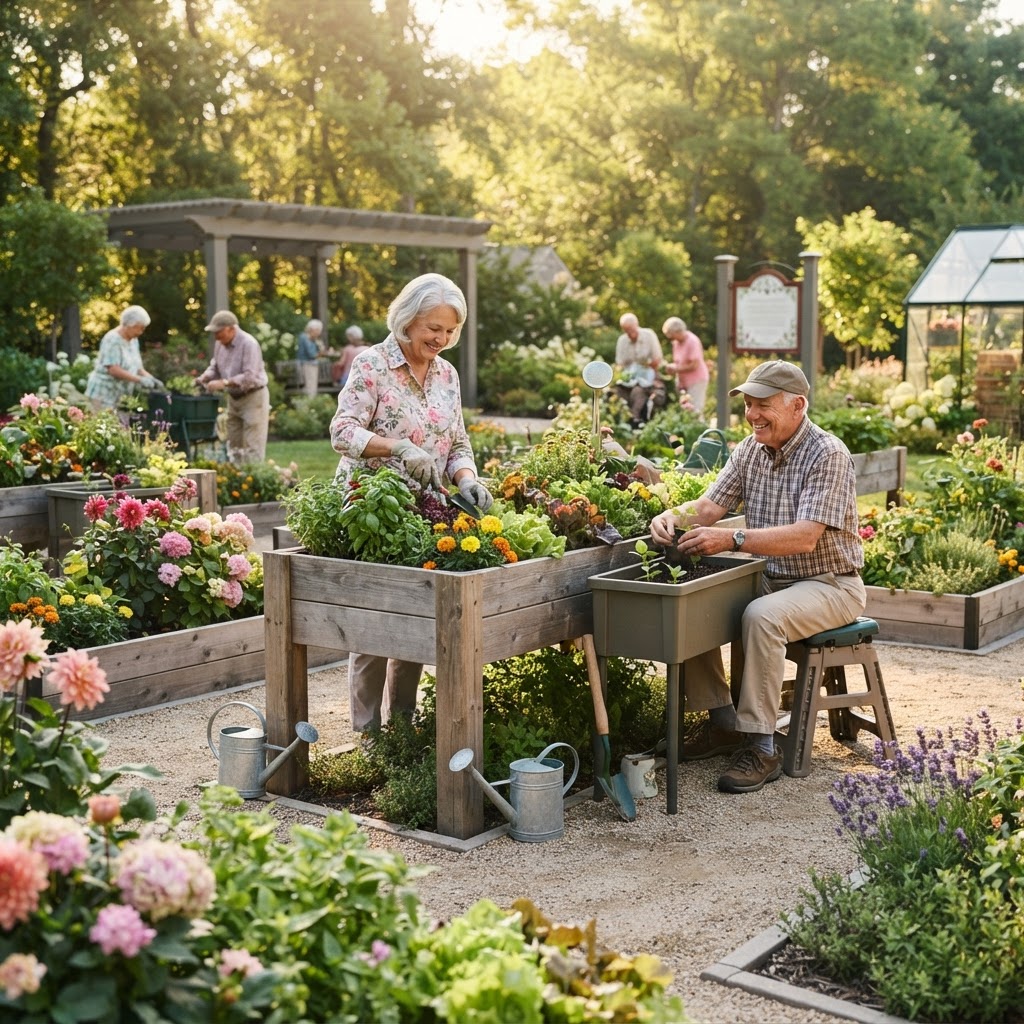
- Raised beds at accessible heights make gardening easier for smaller bodies and for those using wheelchairs or mobility aids.
- Wide pathways accommodate groups moving together and reduce the chance of accidentally trampling plants.
- Clear signage with both words and pictures helps younger children navigate the space independently.
- A shaded area for gathering, learning, and resting is essential, especially for summer programming.
Tools That Work for Young Gardeners
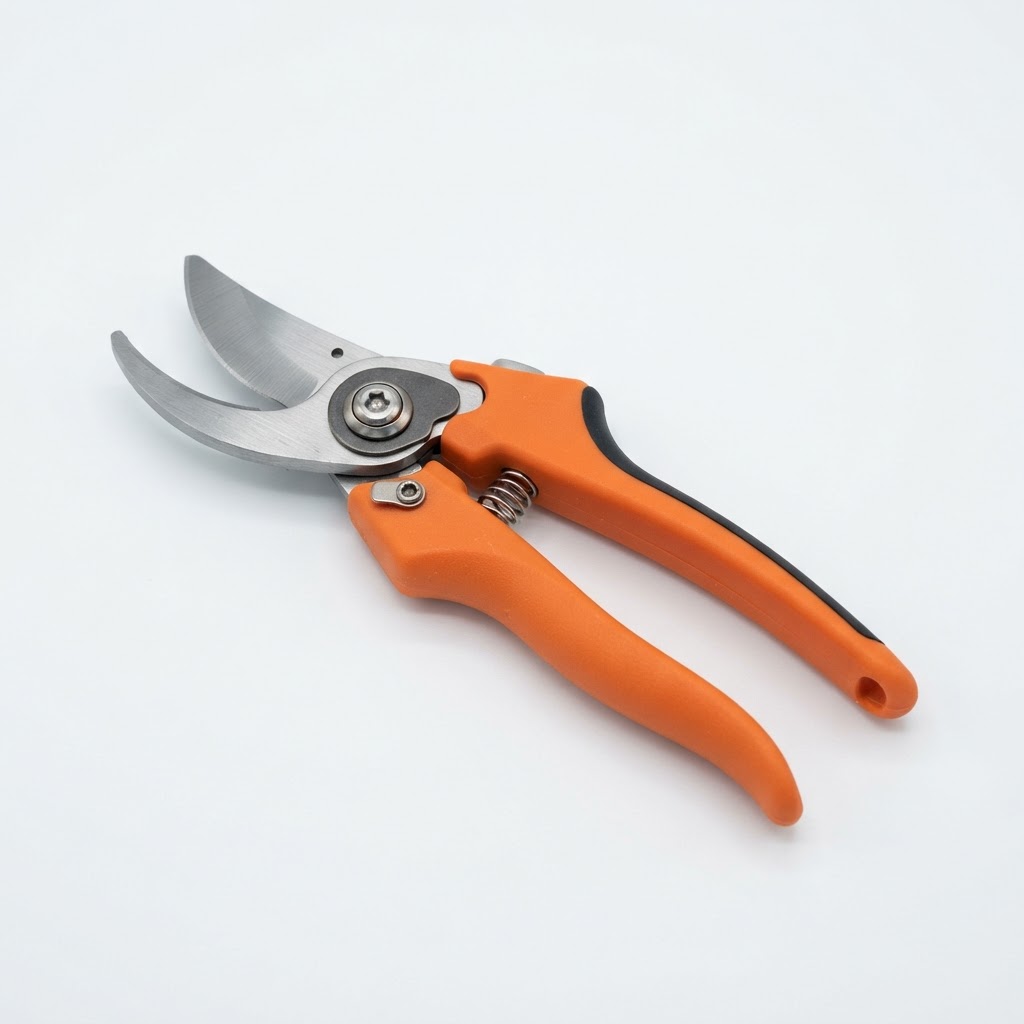
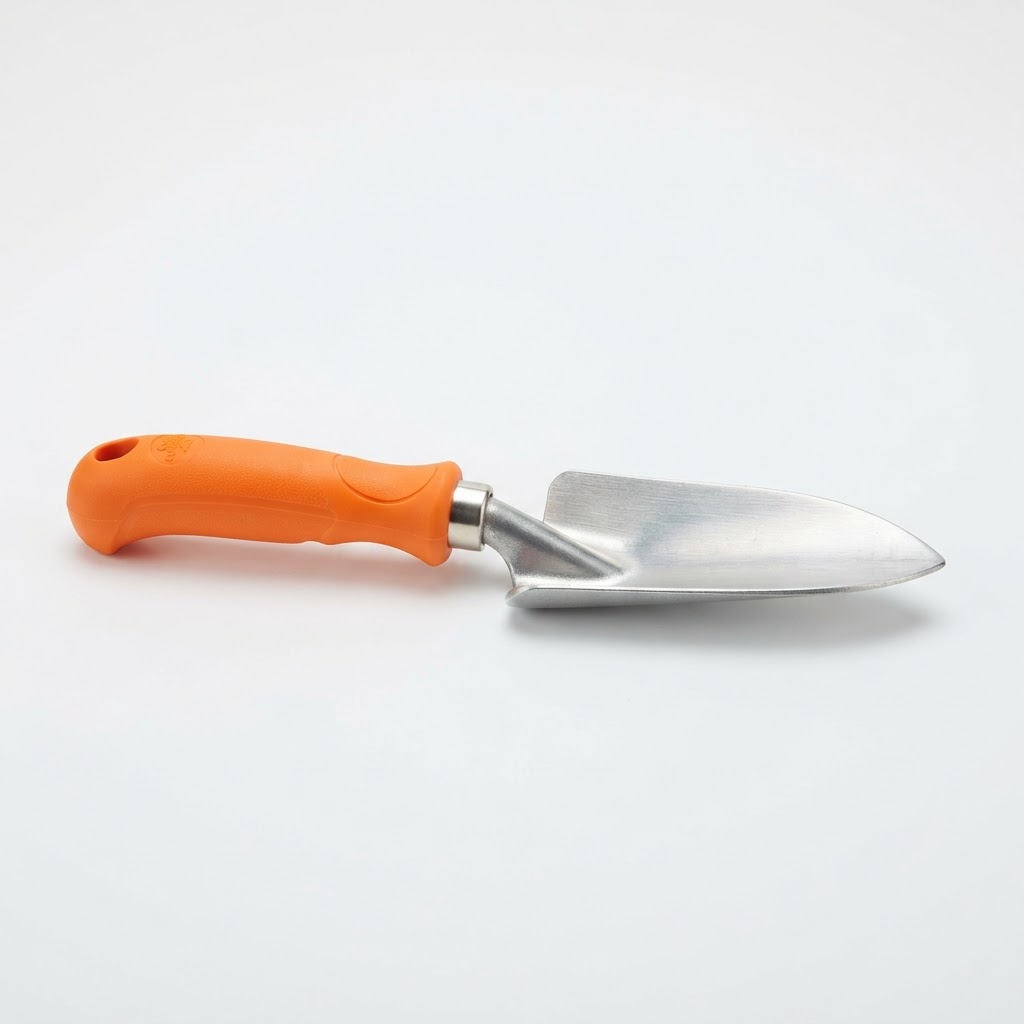
Nothing derails a young person's enthusiasm faster than tools that are too heavy, too large, or simply too adult-sized to use comfortably. Invest in a set of quality child-sized gardening tools — trowels, hoes, watering cans, and gloves — that fit small hands and shorter statures.
Color-coded tools are also a fun way to assign individual ownership and prevent the inevitable "where did the trowel go?" mystery. Label tools with names or assign colors to individuals, and watch engagement increase simply because kids feel their tools belong to them.
Creating a Safe and Welcoming Atmosphere
Physical safety is obviously important, but emotional safety matters just as much. Young people — especially teenagers — will only engage deeply in a program where they feel respected, heard, and not patronized. Establish clear, simple norms from the start:
- Everyone's ideas are welcomed and considered.
- Mistakes are part of learning, not reasons for shame.
- Everyone has a role to play, regardless of experience level.
Make sure all adult volunteers and mentors understand these principles and model them consistently.
Program Design and Activities
Matching Activities to Age Groups
One of the most common pitfalls in youth gardening programs is treating all young people as a single homogeneous group. A six-year-old and a sixteen-year-old have vastly different interests, attention spans, physical abilities, and motivations. Design activities accordingly.
Young children (ages 5–10):
- Planting seeds and observing germination
- Watering and basic care routines
- Sensory activities like touching, smelling, and tasting herbs
- Simple crafts like making plant markers or painting pots
- Storytelling and nature journaling
Older children and preteens (ages 11–14):
- Learning to read seed packets and plan planting schedules
- Composting and understanding soil health
- Growing a specific crop from seed to harvest
- Photography projects documenting garden changes
- Cooking simple recipes using garden produce
Teenagers (ages 15–18):
- Leadership roles such as mentoring younger participants
- Project management for a specific garden area
- Designing garden layouts or signage
- Community outreach and social media for the garden
- Connecting gardening to interests like nutrition, environmental science, or entrepreneurship
Making It Fun and Relevant
Young people engage most deeply when an activity feels relevant to their lives and genuinely enjoyable. Don't underestimate the power of play, even for older youth.
Garden-based games like scavenger hunts, identification challenges, or friendly growing competitions add energy and excitement to sessions that might otherwise feel like chores. Connecting gardening to topics teens already care about — food culture, sustainability, social justice, or health — helps frame the work in ways that feel meaningful rather than obligatory.
Food is always a powerful motivator. Organize cooking sessions where young people use what they've grown. Even simple activities like making salsa, pesto, or fresh salads create an immediate and satisfying connection between effort and reward.
Incorporating Education Without Lecturing
Young people learn best by doing, not by sitting and listening to adults talk. Weave educational content into hands-on activities rather than delivering it as lectures.
For example, rather than explaining the nitrogen cycle on a whiteboard, let young participants build a compost bin and observe what happens over several weeks. Instead of talking about pollinators in the abstract, give them magnifying glasses and send them on a pollinator observation walk through the garden. These experiential learning moments stick far longer than any presentation.
Partnering with Schools and Community Organizations
Reaching Out to Schools
Schools are one of your most powerful partners in youth engagement. Many teachers are actively looking for ways to bring real-world, hands-on learning into their curriculum. A community garden is a natural fit for subjects like science, math, nutrition, art, and even social studies.
Start by reaching out to a single teacher or school coordinator who seems enthusiastic rather than trying to launch a district-wide program immediately. Offer a simple, manageable pilot — perhaps a one-semester project with a single class — before expanding. Build the relationship, demonstrate results, and let word of mouth do the rest.
Be prepared to accommodate school schedules, including early release days, field trip logistics, and permission slip requirements. The more you can reduce administrative friction for teachers, the more likely they are to participate consistently.
Connecting with Youth Organizations
Beyond schools, a wide range of community organizations work with young people and may welcome the chance to incorporate gardening into their programming:
- Boys & Girls Clubs and similar after-school programs
- Scouting organizations (many badge requirements align with gardening activities)
- Youth sports leagues looking for off-season engagement
- Library summer reading programs
- Faith-based youth groups
- Cultural and immigrant community organizations
Approach these partnerships collaboratively. Ask what the organization needs and how your garden can serve those needs, rather than simply asking for participants. When partner organizations feel genuinely valued, they become long-term allies rather than transactional sources of volunteers.
Keeping Youth Motivated and Coming Back
Building Ownership and Leadership
The single most effective way to keep young people engaged over the long term is to give them real ownership and genuine responsibility. Youth who feel like visitors will eventually stop showing up. Youth who feel like they belong — and that the garden actually needs them — will keep coming back.
Create age-appropriate leadership roles with real responsibilities:
- Junior garden guides who lead younger children on tours
- Harvest managers who coordinate the collection and distribution of produce
- Social media or newsletter contributors who document and share the garden's story
- Seed savers responsible for collecting and storing seeds at the end of the season
Celebrate these roles publicly. Recognize contributions at community events, in newsletters, and on garden signage. Recognition doesn't have to be formal or expensive — a handwritten note, a shout-out at a community meeting, or a simple end-of-season celebration can go a long way.
Consistency and Commitment
Young people thrive on routine. Inconsistent programming — sessions that are canceled without notice, adults who show up unprepared, or activities that change without explanation — erodes trust quickly. Do your best to offer regular, predictable sessions that young participants can count on.
If adult capacity is limited, it's better to offer fewer, well-organized sessions than to promise more than you can reliably deliver. Quality and consistency matter more than quantity.
Common Mistakes to Avoid
Even well-intentioned programs make missteps. Here are some of the most common pitfalls to watch for:
-
Treating youth as helpers rather than participants. If young people are only ever pulling weeds while adults make all the decisions, they will feel like free labor, not valued members. Give them meaningful roles and real input.
-
Overloading sessions with instruction. Young people disengage quickly when programming feels like school. Keep talking time short and hands-on time plentiful.
-
Ignoring the voices of teenagers. Teens can smell inauthenticity from a mile away. Don't design "youth" programming in a boardroom without actually asking teens what they want.
-
Neglecting parents and guardians. Many youth participation barriers are actually parent barriers — concerns about safety, transportation, or unfamiliar environments. Communicate clearly with families, invite them to events, and build their trust alongside their children's.
-
Starting too big. Ambitious programs that can't be sustained do more damage than small, consistent ones. Scale up gradually as capacity and funding allow.
-
Failing to follow through on promises. If you tell young participants they'll be able to grow a specific crop, plan a specific project, or attend a specific event, make sure it happens. Broken promises damage trust with young people faster than almost anything else.
Tips for Success
-
Start with a listening session. Before launching any programming, invite young people from your community to tell you what interests them and what barriers they face. Use that information to shape your program.
-
Recruit a diverse team of mentors. Young people connect most strongly with adults who reflect their own backgrounds and experiences. Work to recruit mentors from diverse cultural, linguistic, and professional backgrounds.
-
Document everything. Photos, videos, and written records of your program serve multiple purposes — they celebrate participants, tell your story to potential partners and funders, and help you evaluate what's working.
-
Celebrate harvests loudly. Make harvest time a genuine celebration. Invite families, prepare food together, and recognize every participant's contribution. These events become the memories young people carry with them.
-
Connect gardening to career pathways. Especially for older youth, making explicit connections between gardening and careers in horticulture, nutrition, environmental science, landscape design, or food entrepreneurship can increase long-term motivation.
-
Be patient with messy participation. Young people don't always show up on time, stay focused, or behave exactly as you'd hope. Meet them where they are, maintain clear expectations, and lead with relationship over rule-enforcement.
-
Seek youth feedback regularly. Use simple, informal check-ins — not complicated surveys — to ask what's working and what isn't. Make adjustments based on what you hear.
Conclusion
Engaging local youth in gardening projects is one of the most meaningful investments a community garden can make. It connects young people to their food, their community, and the natural world in ways that can shape their values and habits for life. It also ensures that the community garden itself remains a living, evolving institution with fresh energy, new ideas, and a growing base of dedicated participants.
The strategies outlined here — from thoughtful space design and age-appropriate programming to authentic partnerships and genuine youth leadership — won't all happen overnight. Building a strong youth program takes time, relationships, and a willingness to learn and adapt. But the rewards, both for the young people involved and for the broader community garden ecosystem, are immense.
Start small, stay consistent, listen deeply, and trust that each seed of curiosity you plant in a young person has the potential to grow into something extraordinary.