Securing And Organizing A High Traffic Community Tool Shed
A well-managed community tool shed is the backbone of a successful garden, ensuring that essential equipment remains accessible, secure, and ready for use by all members.
The Importance of Tool Shed Management
In any community garden, the tool shed serves as a central hub where equipment is shared among dozens of members. Without proper management, this space quickly becomes a source of frustration, with misplaced shovels, damaged shears, and missing keys hindering productivity. Effective organization is not just about aesthetics; it is about fostering a culture of shared responsibility. When members know exactly where to find a tool and how to return it, the entire garden operates more efficiently, reducing the likelihood of conflict and ensuring that everyone has the resources they need to succeed.
Designing a Secure Access System
Security begins with who can enter the shed. High-traffic gardens often struggle with "key fatigue" or unauthorized access. Transitioning to a secure keypad entry or a highly controlled physical key management system is essential for maintaining order. Consider installing a weather-resistant digital keypad that allows the garden board to update codes quarterly. This ensures that former members no longer have access and maintains a record of activity if the hardware supports it. If you prefer traditional keys, use a secure lockbox mounted in a discreet, camera-monitored area to hold master keys for volunteer leads.
Pro Tip: The Dual-Access Strategy
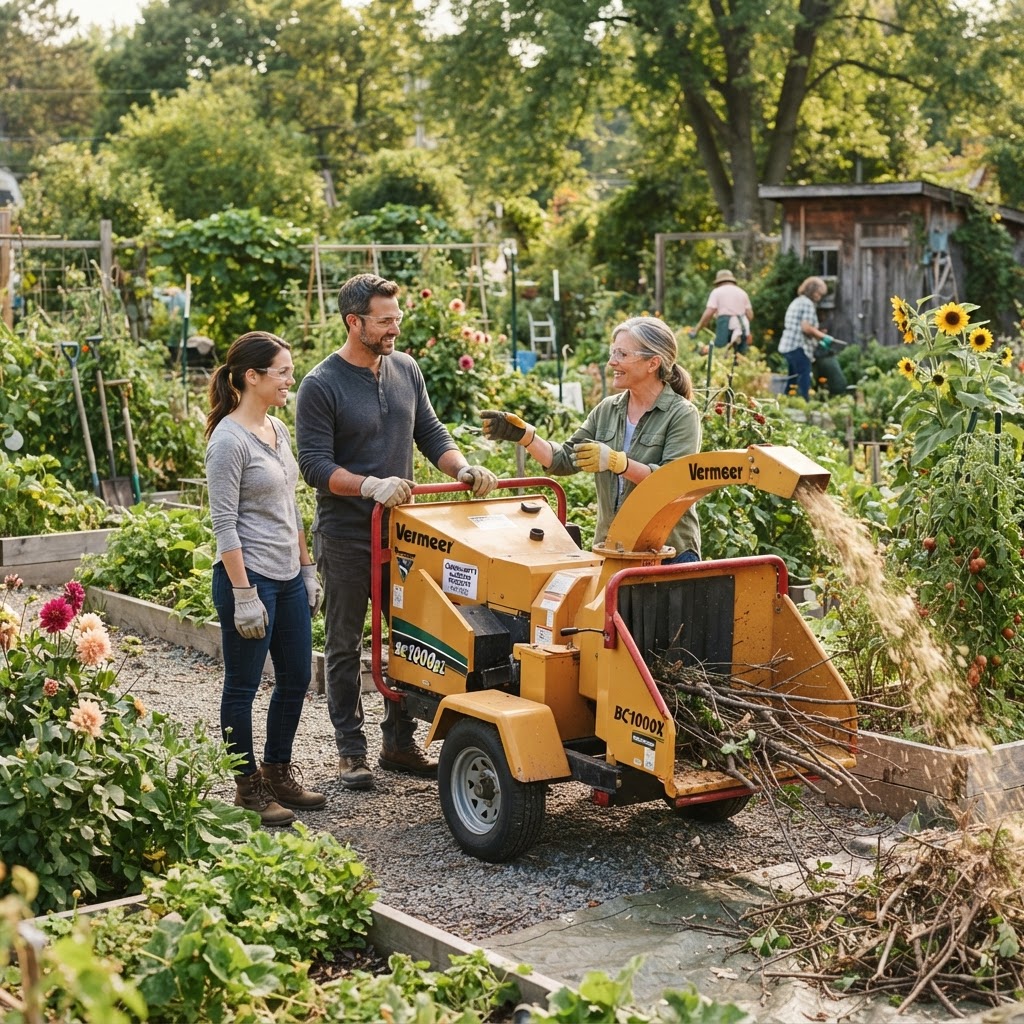
For very large gardens, implement a secondary, smaller locked area within the shed. Keep day-to-day tools like trowels and gloves in the main unlocked (or keypad-locked) section, but house high-value items like gas-powered tillers and expensive battery packs behind a secondary padlock that only board members or authorized volunteers can open. This layered approach minimizes risk without impeding the daily workflow of standard gardeners.
Best Practices for Tool Organization
Organization is achieved through clear zoning and visual cues. Use vertical space to store long-handled tools like rakes, hoes, and spades. Wall-mounted racks with color-coded hooks help members return tools to the correct spot every single time. Implementing a "shadow board" system is highly effective. By tracing the outline of each tool on the wall where it is stored, you create a visual prompt that makes missing items immediately obvious at the end of the day. This simple technique significantly reduces tool loss.
| Feature | Benefit | Maintenance | | :--- | :--- | :--- | | Shadow Boards | Rapid inventory checks | Minimal | | Vertical Racks | Floor space optimization | Periodic tightening | | Color Coding | Categorization by use | Annual touch-ups |
Preventing Theft and Vandalism
Beyond internal organization, protecting your assets from external threats is a priority. Ensure the shed is built with heavy-duty construction materials, reinforced hinges, and tamper-resistant screws. Installing motion-activated LED lights around the shed perimeter can act as a powerful deterrent against nighttime vandalism. If your shed is in a public-facing area, consider applying anti-graffiti coating to the exterior walls. Additionally, keep an up-to-date inventory list including serial numbers for power equipment, as this documentation is crucial for insurance claims if items are ever stolen or damaged.
Security Checklist for Community Sheds
- Hardware Reinforcement: Swap standard screws for security torx or clutch-head screws on external hinges.
- Visibility: Ensure exterior lighting covers the lock mechanism, making it difficult for intruders to tamper with keys or padlocks unnoticed.
- Signage: Post "Property Monitored by Garden Committee" signs to discourage casual mischief.
Maintenance Schedules and Cleaning Protocols
Tools last longer when they are cleaned and sharpened regularly. Establish a "Tool Tuesday" or a monthly maintenance rotation where volunteers gather to clean, oil, and sharpen communal equipment. This not only prolongs the life of the tools but also builds community among members. Create a clear protocol for reporting broken tools. A clipboard mounted near the door allows members to leave notes if a shovel is cracked or a wheelbarrow tire is flat. This ensures that the maintenance team knows exactly what needs attention before the next gardening session.
Expert Advice: Developing a Maintenance Rotation
To keep maintenance manageable, divide tools by category and assign them to specific volunteer shifts. For instance, assign all cutting tools (shears, pruners) to one month, and soil-working tools (shovels, rakes) to another. During these sessions, use a mixture of 1 part boiled linseed oil to 1 part mineral spirits to wipe down wooden handles; this prevents the wood from drying out and cracking, significantly extending the tool's lifespan.
Creating a Community Tool Checkout System
For expensive or specialized tools, a formal checkout system prevents equipment from disappearing into private homes. A simple ledger or an online shared spreadsheet can track who has specific items and when they are expected to be returned. Clearly define which tools are for on-site use only and which can be borrowed for home projects, if your garden allows it. Setting clear boundaries and check-in times (e.g., 24-hour loan periods) keeps the equipment circulating effectively so that it remains available for the whole group.
Advanced Inventory Tracking Strategies
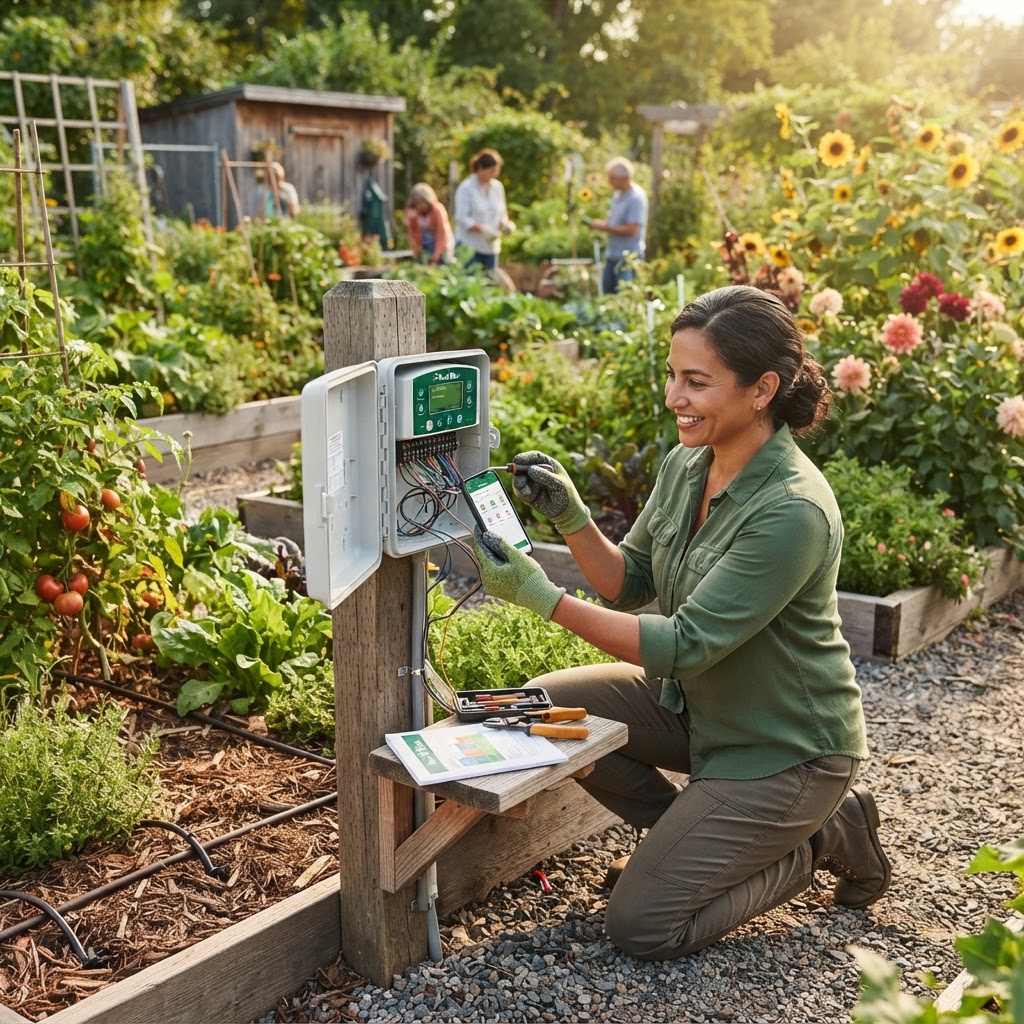
To take your organization to the professional level, consider using QR code tags on each tool. Even a free app can scan these codes to log the tool into a database. This prevents the common "I thought someone else returned it" excuse. When a member checks out a high-value item, they scan the tag, enter their name, and receive an automated text reminder when the tool is due back. This digital accountability eliminates the manual burden on the tool librarian and provides a clear audit trail if an item goes missing. Furthermore, you can attach small colored rubber bands to tools to denote specific gardening zones, ensuring tools belonging to the communal orchard don't end up in the vegetable plot.
Tool Safety and Handling Guidelines
Safety is paramount when handling sharp or heavy tools. Post clear signage inside the shed reminding members to wear gloves, check for loose handles before use, and store tools safely to prevent tripping hazards. Ensure that all dangerous tools, such as petrol-powered lawnmowers or chain saws, are locked in a separate, secure cabinet accessible only by authorized volunteers. Providing a brief safety orientation for new members ensures that everyone understands the importance of these protocols. Always mandate that members inspect the blade condition and handle integrity before beginning any task to prevent mid-task breakage.
Common Organization Mistakes to Avoid
Many gardens fail by trying to hoard too many broken items "just in case" they can be fixed later. This leads to clutter that makes it impossible to find functional tools. Perform an annual purge of damaged, rusted, or unused equipment to keep the space lean. Another mistake is lack of labeling. If a tool doesn't have a designated home, it will be placed randomly. Invest in durable, all-weather labels for bins and racks to ensure that every object has a permanent, identifiable location. Avoid using paper labels; they degrade in the high-humidity environment of a garden shed. Instead, use engraved plastic tags, etched metal plates, or bold paint markers directly on the wood or metal shelving. Additionally, avoid stacking heavy power tools on top of delicate hand tools, which leads to structural damage.
Sustainable Tool Longevity Tips
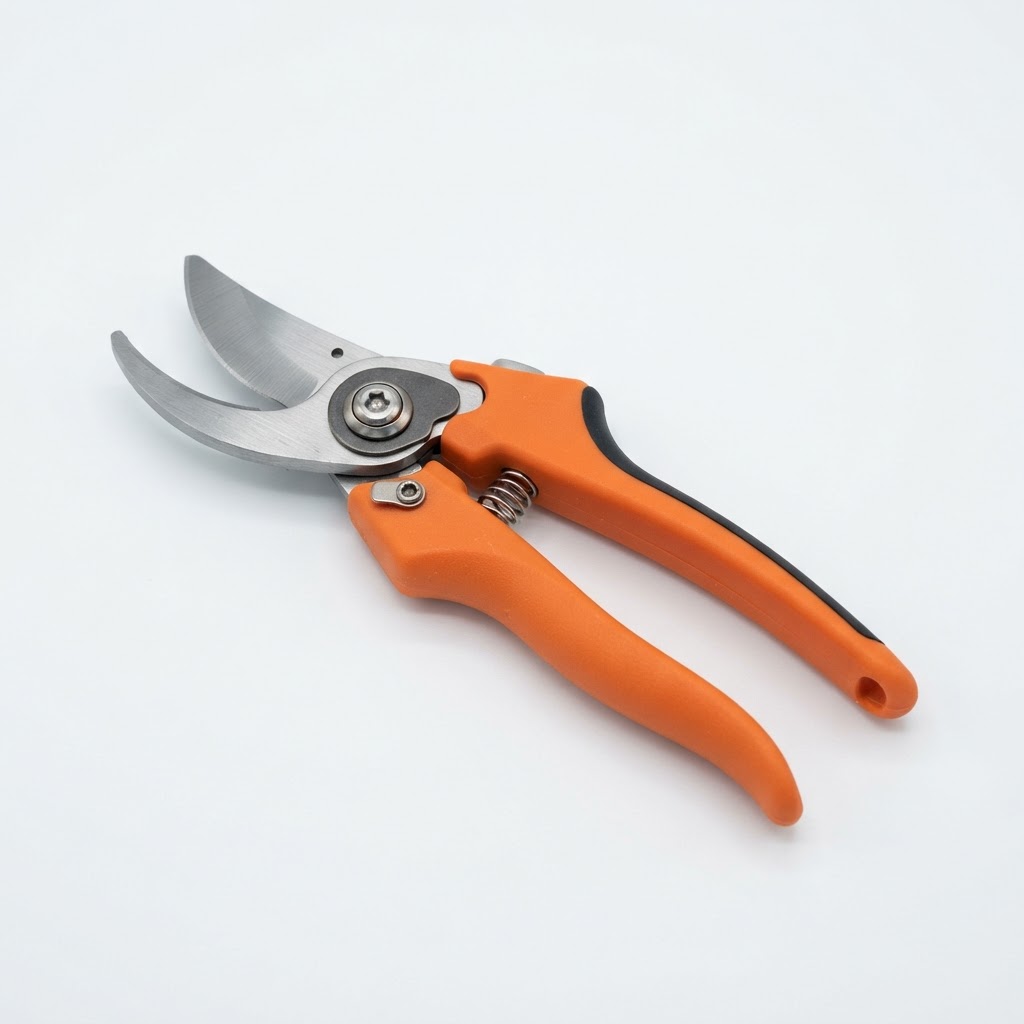
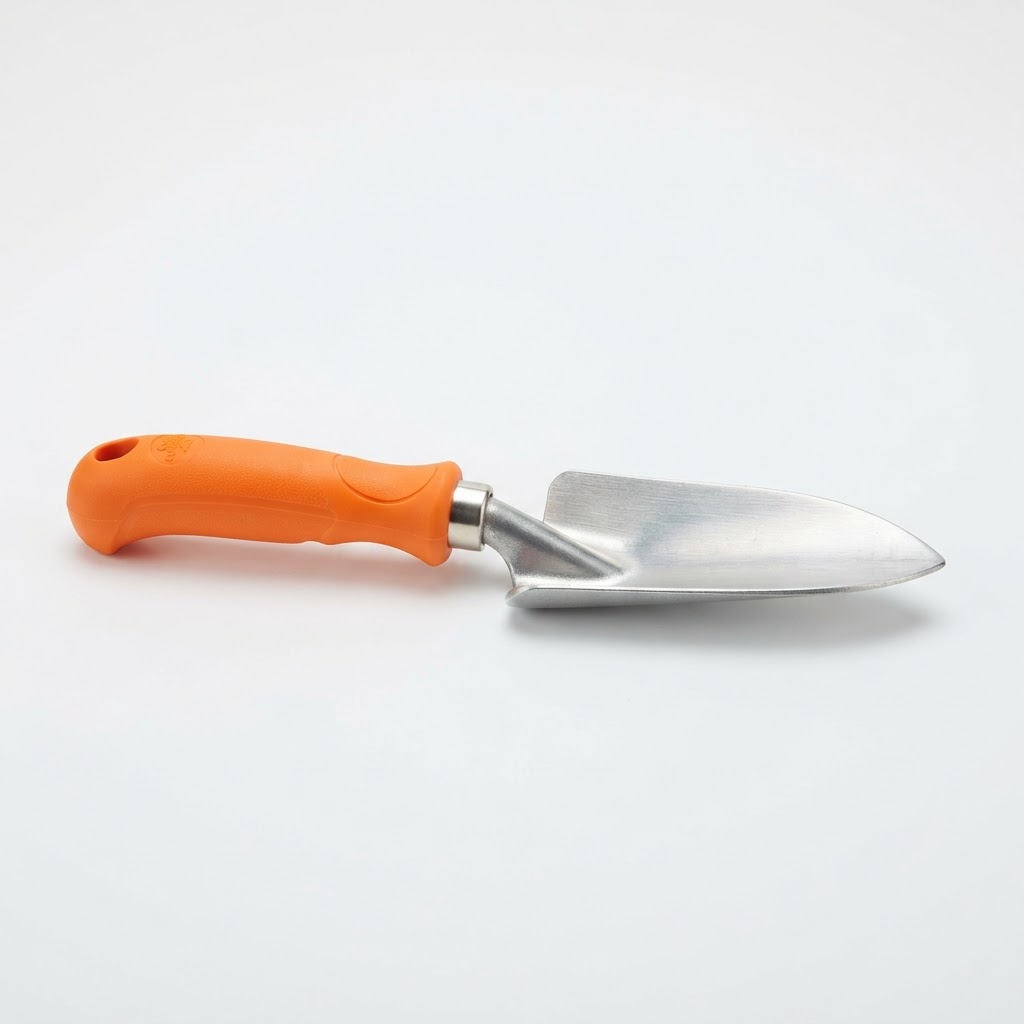
Proper storage is the best way to extend the lifespan of your garden investment. Never store tools with soil still on the metal surfaces. Soil contains moisture and organic acids that accelerate rust. Keep a designated "Cleaning Station" inside the shed containing a stiff-bristled brush, a bucket of sand mixed with mineral oil, and a microfiber cloth. After use, members should brush off soil and plunge the metal blades into the oily sand bucket; this cleans the tool and lubricates the surface in one motion. This small habit can double the life of your shears and trowels.
Seasonal Storage Deep Dive
When winterizing your shed, take extra steps for longevity. Drain all fuel from gas-powered machines to prevent carburetor gumming. For battery-operated equipment, store batteries in a warm indoor area, as lithium-ion cells perform poorly and degrade when left in freezing temperatures. Consider vacuum-sealing or bagging sensitive manuals in heavy-duty plastic to prevent mold growth caused by seasonal condensation.