Introduction
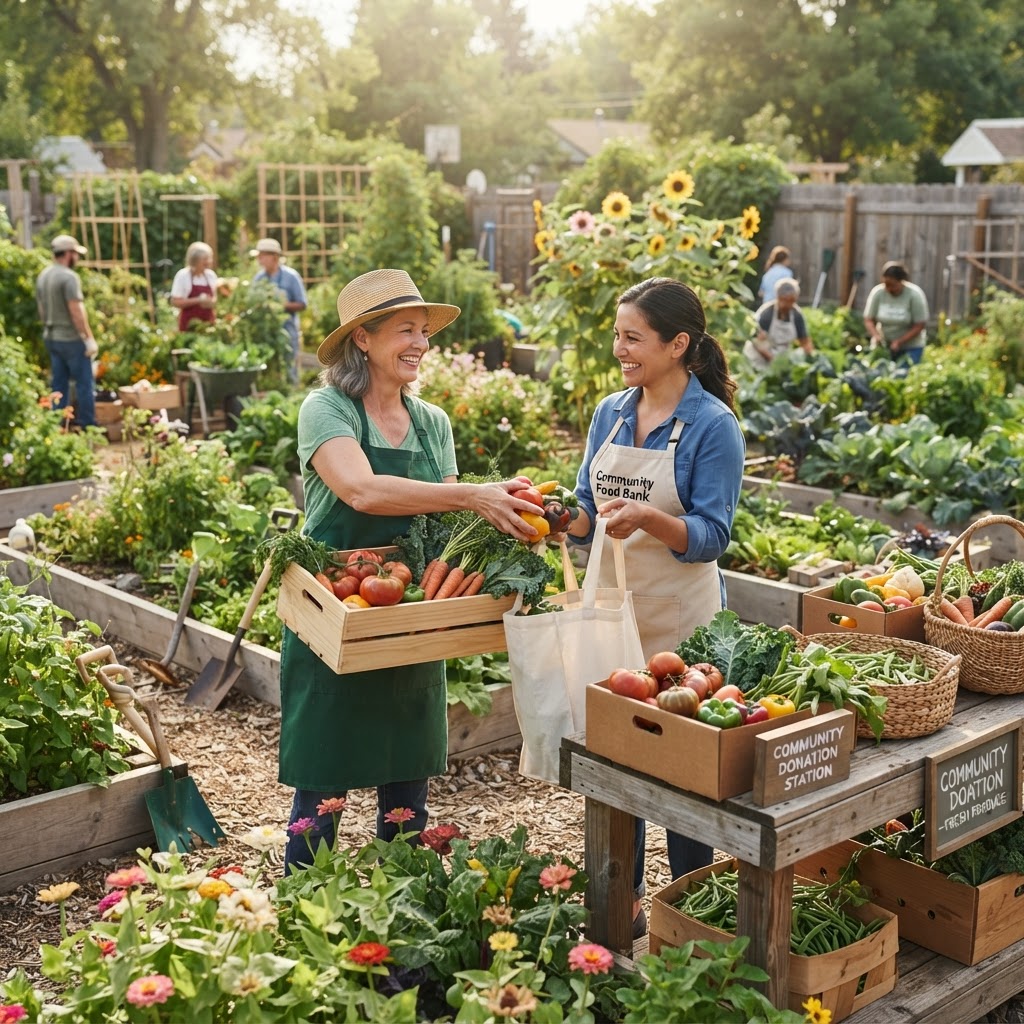
One of the most rewarding aspects of community gardening is the abundance it creates. When your beds produce more zucchini than your neighbors can eat or your tomato plants are bursting at the seams, surplus produce doesn't have to go to waste. Donating that extra harvest to people who need it most is one of the most meaningful things a community garden can do — and doing it well requires more than just showing up at a food bank with a bag of vegetables.
Structured partnership models transform occasional, well-meaning drop-offs into reliable, organized systems that genuinely serve communities. For gardens that are ready to move beyond informal donations, understanding the various partnership frameworks available can make the difference between a scattered effort and a program that becomes a cornerstone of your garden's identity.
This article walks you through the most effective partnership models for donating surplus produce, how to choose the right one for your garden, and how to build relationships that last. Whether you're just starting to think about giving back or you're looking to formalize an existing arrangement, there's a model here that will fit your community's needs and capacity.
Getting Started
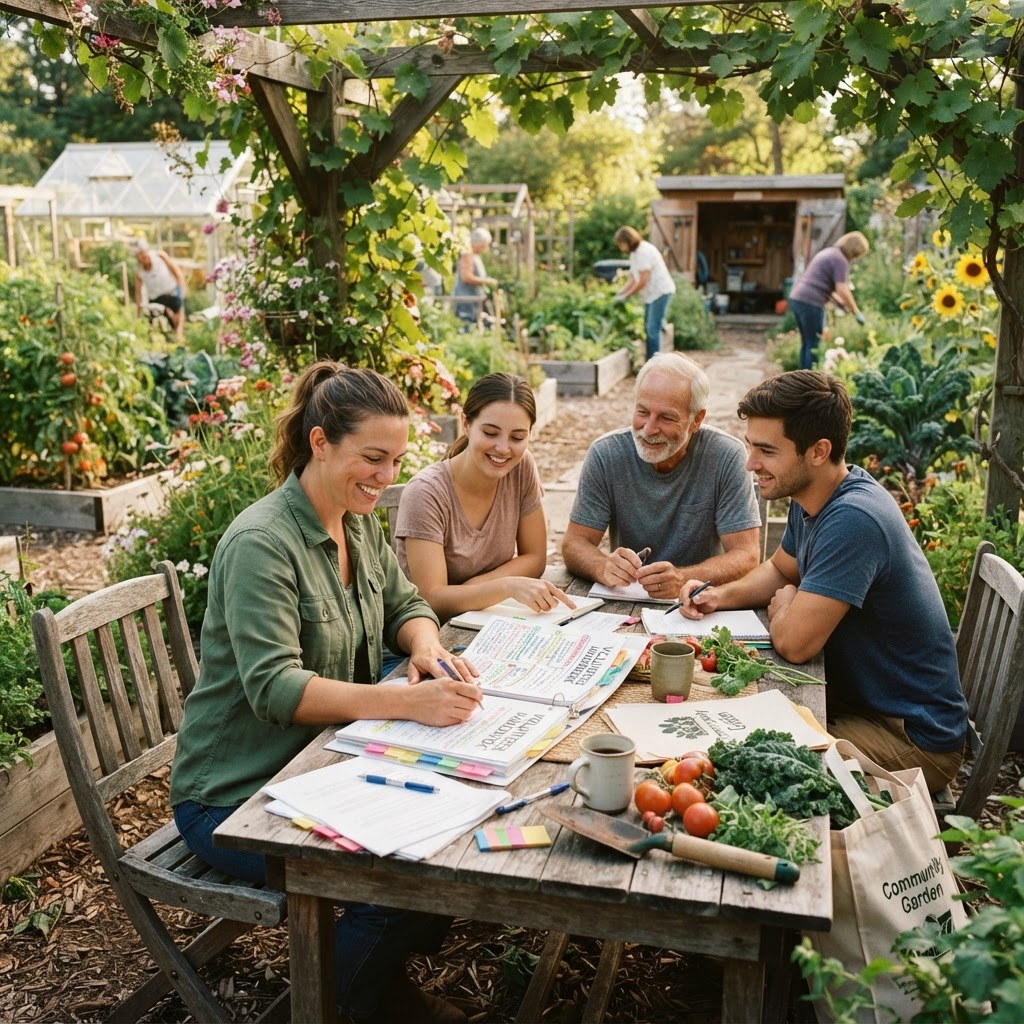
Before reaching out to potential partner organizations, your garden community needs to lay some groundwork. Jumping in without preparation can lead to inconsistent donations, frustrated partners, and burnout among volunteers. Take these foundational steps first.
Assess Your Garden's Capacity
Start by honestly evaluating how much surplus produce your garden realistically generates across a season. Talk to plot holders about what they typically leave behind or can't use. Consider which crops tend to overflow — leafy greens, cucumbers, and herbs are frequent culprits — and which seasons are most abundant. This information will help you communicate clearly with potential partners about what they can expect from you.
Get Your Gardeners on Board
A donation program only works when the people growing the food are enthusiastic participants. Hold a meeting or send a simple survey to gauge interest. Discuss what gardeners are comfortable contributing, how often they'd be willing to harvest specifically for donation, and whether anyone wants to take on a coordination role. A program with a small number of committed participants will always outperform one with passive buy-in from many.
Understand Food Safety Basics
Even informal partnerships come with responsibility. Familiarize yourself with basic food safety principles: don't donate produce that's overripe, moldy, or heavily damaged; wash your hands before harvesting for donation; and use clean containers for transport. Some partner organizations, especially food banks, may have specific guidelines about what they can and cannot accept. Knowing these in advance prevents wasted effort and awkward conversations.
Designate a Coordination Point Person
Every successful donation program has someone who owns it. This doesn't need to be a full-time commitment, but it should be a named individual who manages communication with partners, tracks donations, and keeps volunteers informed. Without this, programs tend to drift and eventually fade away.
Types of Partnership Models
Different organizations have different needs, structures, and capacities. Understanding the range of partnership models available helps you find the best match for your garden and the communities you want to serve.
Direct Food Bank Partnerships
Food banks are often the first organization that comes to mind when gardens think about donations. Many food banks have established systems for accepting fresh produce, and some actively recruit community gardens as contributors.
In this model, your garden delivers harvested produce directly to the food bank on a scheduled or as-needed basis. The food bank then distributes it through their existing channels. This model works well for gardens with consistent, moderate surpluses and reliable volunteers who can handle transportation.
The key to making this work is communication. Contact the food bank's volunteer or donations coordinator before your first delivery. Ask about their preferred produce types, minimum quantities, delivery windows, and any packaging requirements. Some food banks prefer pre-sorted, loose produce in clean bins; others may want bagged items. Getting these details right from day one builds trust and makes your partnership sustainable.
Community Supported Agriculture (CSA) Style Shares
Some gardens formalize their donation program by creating a small number of dedicated "donation shares" — essentially CSA boxes assembled each week and delivered to a specific recipient household or organization. This model works particularly well when partnering with transitional housing programs, domestic violence shelters, or senior centers where recipients benefit from the predictability of a regular delivery.
This model requires more coordination than a simple food bank drop-off but creates a much deeper relationship with the receiving organization. It also gives your gardeners a tangible connection to the people they're helping, which is enormously motivating.
Gleaning Networks
Gleaning — the practice of harvesting leftover crops after the main harvest — has deep roots in agricultural history. Modern gleaning networks connect volunteers with farms, orchards, and community gardens to harvest surplus produce that would otherwise go unharvested. Your garden can participate in these networks either as a "site" that hosts gleaners or as a garden that sends volunteers out to glean from farms and then distributes the harvest locally.
If you join a regional gleaning network, they typically provide training, coordinate logistics, and have established relationships with food distribution partners. This model requires minimal administrative overhead from your garden and connects you to a broader community of people passionate about food waste reduction.
Mutual Aid and Hyperlocal Distribution
Not all surplus produce needs to travel far. Mutual aid distribution models focus on keeping food within the immediate neighborhood or community. This might look like a community fridge or pantry stocked with garden produce, informal sharing arrangements with nearby households experiencing food insecurity, or a weekly community table where anyone can take what they need.
This model is highly flexible and doesn't require formal nonprofit partnerships. However, it does require ongoing community trust and communication. If you set up a community fridge or free produce stand, someone needs to maintain it, ensure hygiene standards, and keep it stocked consistently enough that neighbors learn to rely on it.
Faith-Based and Community Center Partnerships
Local religious organizations and community centers often run food pantries, community meals, or distribution programs that genuinely struggle to offer fresh produce. Partnering with these organizations can be one of the simplest and most impactful models available to community gardens.
These partners are often flexible, grateful for whatever you can provide, and embedded in the very neighborhoods your garden serves. They frequently have strong relationships with the people they serve, which means your produce reaches people with dignity and in a culturally appropriate context.
Building Relationships with Local Organizations
A partnership is only as strong as the relationship behind it. Here's how to build connections that last beyond a single season.
Make the First Contact Thoughtfully
Don't just show up with produce. Reach out first — by phone or email — to explain who you are, what your garden does, and why you're interested in partnering. Be specific about what you can offer, including approximate quantities, frequency, and what crops you typically grow. Ask questions about what they need rather than simply telling them what you have.
Start Small and Build Trust
It's better to under-promise and over-deliver than the reverse. Begin with a limited commitment — perhaps monthly deliveries or donations only during your peak harvest season — and expand as your capacity and the relationship grow. Partners who can rely on you will invest more in the relationship over time.
Document and Celebrate Your Impact
Keep simple records of what you donate: the date, the type and approximate weight of produce, and the receiving organization. Share these records with your garden community and with partners. Celebrating impact keeps volunteers motivated and helps partner organizations demonstrate their community value to their own funders and stakeholders.
Communicate Proactively
If your harvest is unexpectedly low one week, let your partner know in advance. If you're taking a break at the end of the season, give plenty of notice. Treating your partners with the same professional courtesy you'd offer any collaborator builds the kind of trust that sustains a program through the inevitable bumps and gaps.
Logistics and Best Practices
Harvest Timing and Handling
Produce donated to food banks or other organizations should ideally be delivered the same day it's harvested or within twenty-four hours. Create a simple harvesting schedule — perhaps tied to specific days of the week — so that everyone involved knows when to expect activity. Use shallow bins or crates rather than deep piles to prevent bruising, and keep produce out of direct sun and heat during transport.
Packaging and Labeling
Check with your partner about their preferences before deciding on packaging. Many prefer produce loose in bins so they can sort and repackage as needed. Others may appreciate produce sorted by type or bundled in small bags for individual distribution. Label everything clearly, including the date of harvest.
Transportation
Identify who in your garden has a vehicle suitable for transporting produce and is willing to do so regularly. Some gardens rotate this responsibility; others designate a single driver. If transportation is a consistent barrier, explore whether the receiving organization can sometimes arrange pickup, or whether a local business might donate occasional delivery support.
Common Mistakes to Avoid
Donating Produce You Wouldn't Eat Yourself
One of the most common pitfalls is the tendency to donate produce that has passed its prime — soft tomatoes, wilted lettuce, or cucumbers that have grown enormous and bitter. This wastes everyone's time and can damage your reputation with partner organizations. Apply the same standard to donated produce that you'd apply to food you serve your own family.
Promising More Than You Can Deliver
Enthusiasm is wonderful, but overpromising leads to partners who plan around a supply that doesn't materialize. Be honest about the unpredictability of garden harvests and set expectations accordingly. Build flexibility into any formal agreement.
Neglecting to Follow Partner Guidelines
Each organization has specific requirements for what they can accept and how it should be prepared. Ignoring these — even with the best intentions — creates more work for already stretched staff and can result in your donations being turned away. Always ask about guidelines before your first delivery and check in annually since requirements can change.
Running the Program on One Person's Shoulders
If a single volunteer is managing all aspects of the donation program, that program is one life event away from collapse. Build a small team, document processes, and make sure at least two people understand how the program works and who to contact at partner organizations.
Forgetting to Loop in the Garden Community
Gardeners who feel disconnected from the program's outcomes are less likely to contribute their surplus. Share stories, photos (with appropriate permission), and impact data with your garden community regularly. The more tangible the connection between what they grow and who it helps, the more motivated they'll be to keep contributing.
Tips for Success
- Create a simple intake process at your garden — a box, bin, or designated shelf — where gardeners can leave surplus produce without needing to coordinate directly with the donation manager. Lower the friction and more produce will flow.
- Grow with donation in mind. Encourage gardeners to intentionally plant a little extra of high-demand crops like leafy greens, tomatoes, and beans. Some gardens dedicate a communal bed specifically to donation harvests.
- Establish a calendar rhythm. A predictable weekly or biweekly routine is much easier to sustain than an ad hoc system. Even if quantities vary, a consistent schedule helps everyone — gardeners, volunteers, and partners alike.
- Celebrate milestones publicly. When your garden reaches a donation landmark — your first hundred pounds, your first full season — mark it with celebration. This builds community pride and encourages continued participation.
- Connect with other community gardens. Other gardens in your area may have established programs and can share lessons learned. Regional community garden networks and urban agriculture coalitions are great places to find peers and mentors.
- Apply for micro-grants. Many community foundations and food system organizations offer small grants for programs that reduce food waste or improve food access. A little funding can cover costs like transportation, containers, or volunteer appreciation.
- Stay curious about community needs. The best donation programs respond to what recipient communities actually want and need. Check in with partners annually to ask whether your donations are genuinely useful and what adjustments might make them more so.
Conclusion
Donating surplus produce is one of the most direct ways a community garden can extend its positive impact beyond its fence lines. But the difference between a one-off act of generosity and a sustained, impactful program lies in the partnership model you choose and how thoughtfully you build the relationships that support it.
Whether you opt for a formal food bank arrangement, a neighborhood mutual aid setup, a gleaning network, or a deeply personal share program with a local shelter, the principles remain the same: communicate honestly, start small, build trust, and share the work across your community. When gardeners see the tangible results of their harvests reaching people who truly need fresh food, the effort becomes its own reward — and often, the garden's most cherished tradition.
Take the first step this season. Reach out to one local organization, have an honest conversation about what you can offer, and plant the seeds of a partnership that could grow for years to come.