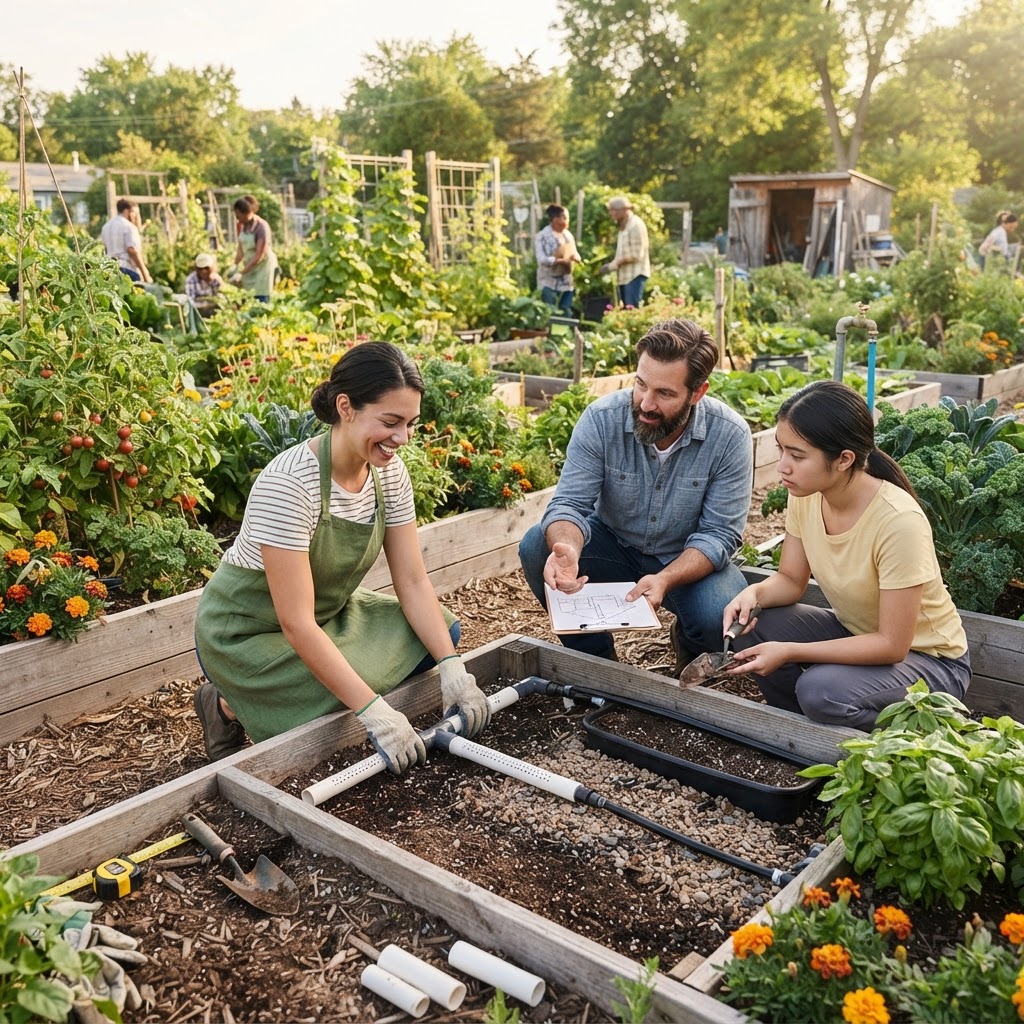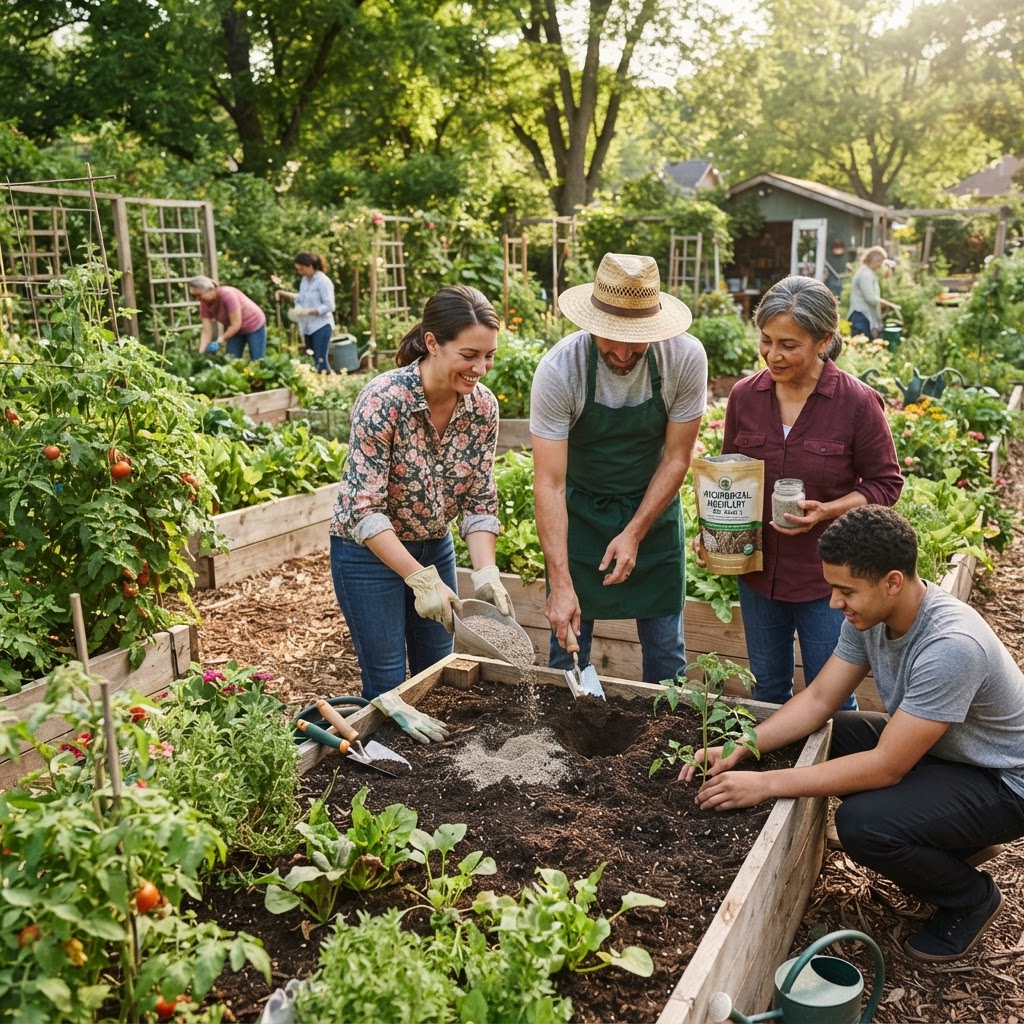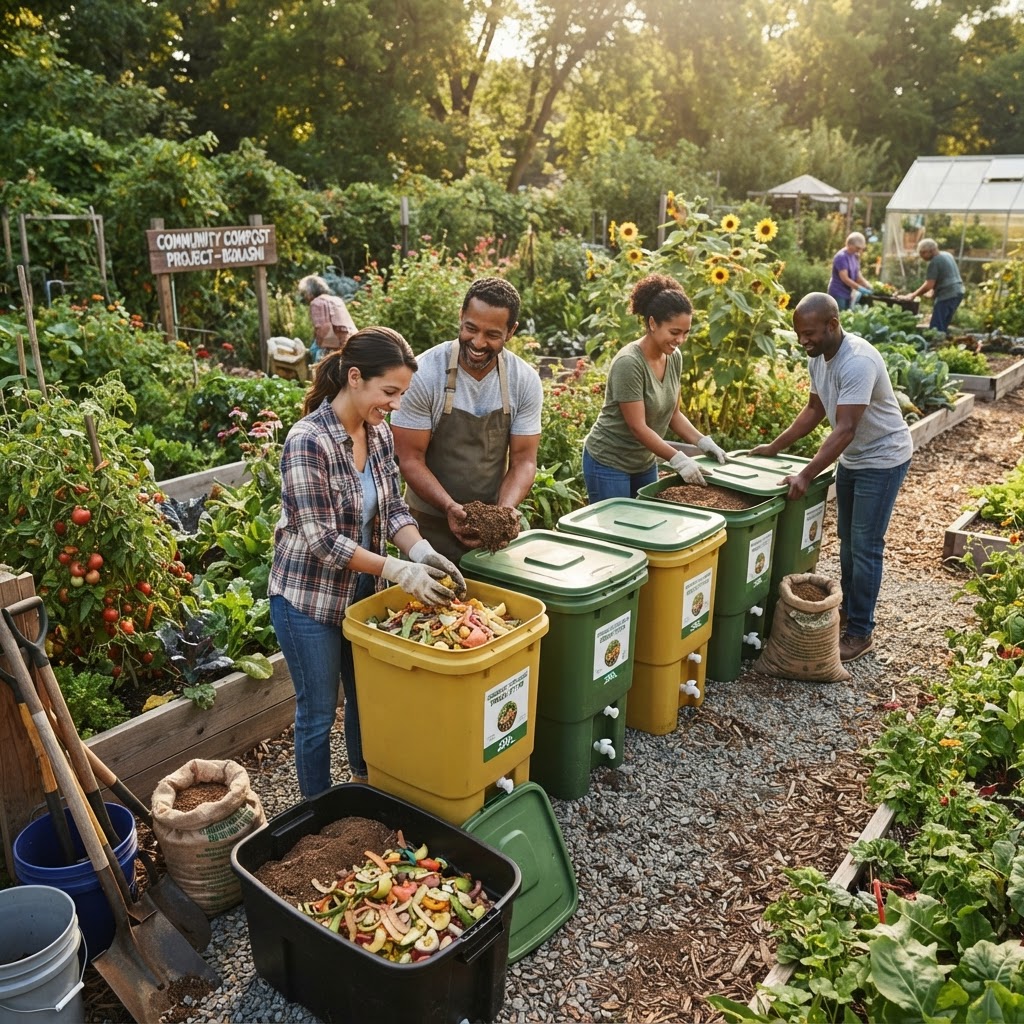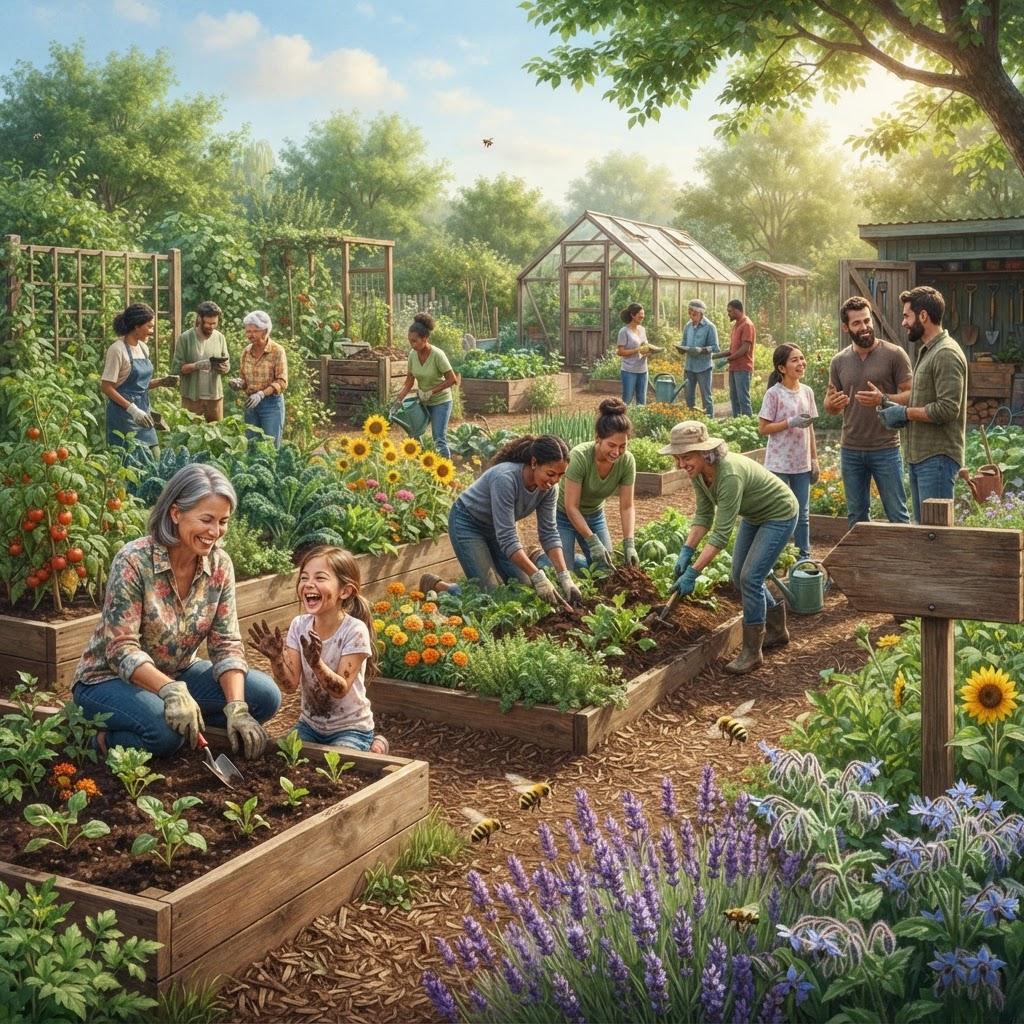
Community gardens thrive when members show up, roll up their sleeves, and work together. Whether you call them work days, work parties, or the charmingly old-fashioned "bees" — a term borrowed from traditional communal barn-raising and quilting gatherings — these organized group sessions are the heartbeat of any healthy community garden. When done well, they transform a scattered group of individual plot holders into a genuine community, tackle big tasks that no single gardener could manage alone, and create a sense of shared ownership that keeps people coming back season after season.
This guide will walk you through everything you need to know to plan, promote, and run community garden work days that people actually want to attend.
Getting Started
Before you send out your first announcement or pick up a single trowel, it pays to do a little groundwork. Successful community garden work days don't happen by accident — they happen because someone took the time to think ahead.
Identify your garden's needs first. Walk the entire garden and make a list of everything that needs attention. Separate tasks into categories: urgent maintenance (broken fences, overgrown paths, pest pressure), seasonal tasks (soil amendment, planting, mulching), and long-term improvement projects (installing new beds, building a tool shed, creating a composting system). This inventory becomes your master task list and helps you prioritize which work days to schedule and when.
Know your volunteer base. Think about who is likely to show up. Are most of your members older adults who prefer lighter tasks? Do you have a mix of families with children? Are many members newer to gardening and still building skills? Understanding your audience helps you design work days that are accessible, safe, and satisfying for everyone involved.
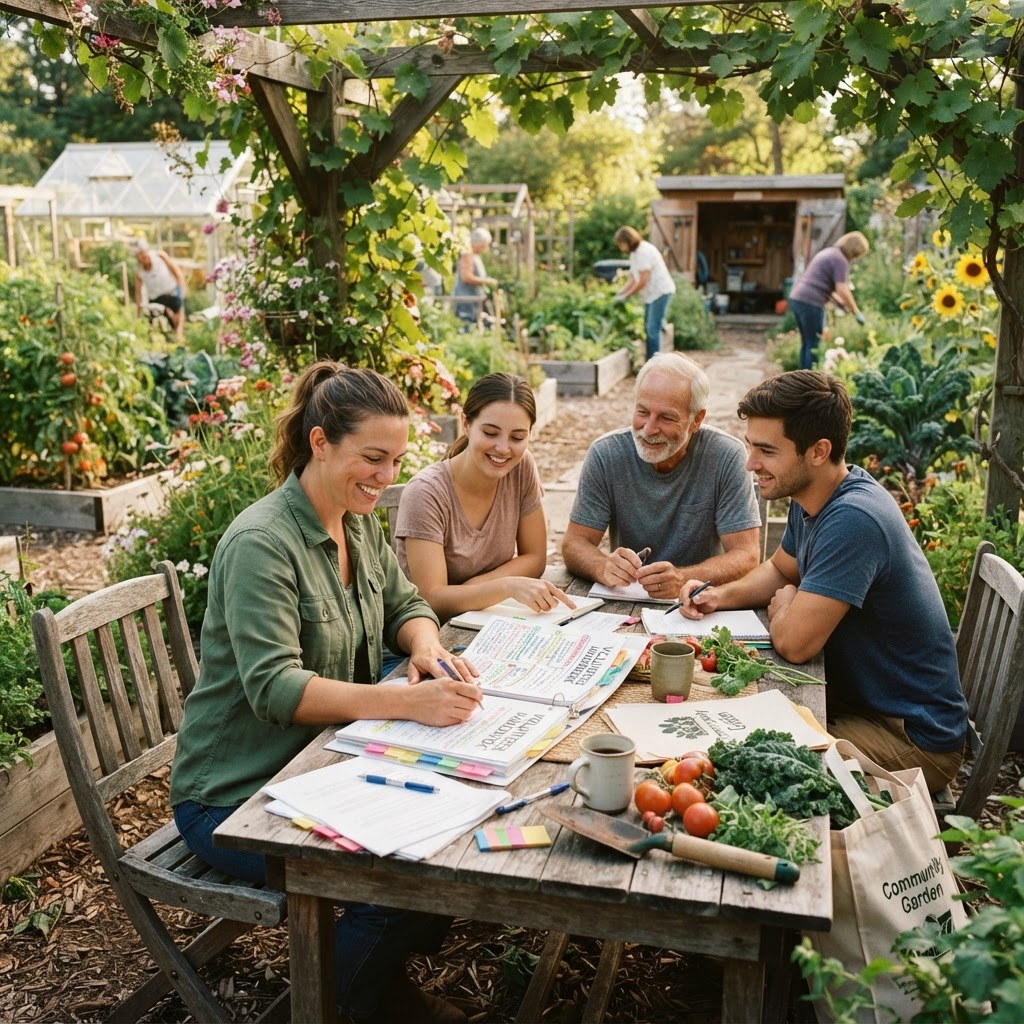
Establish a core organizing team. One person trying to run everything is a recipe for burnout. Recruit two or three reliable members to share the load — ideally people who are enthusiastic, communicative, and know the garden well. Assign clear roles: one person might handle communications and sign-ups, another manages tools and supplies, and a third coordinates on-the-day logistics.
Understanding the Difference Between Work Days and Bees
These terms are often used interchangeably, but there's a useful distinction worth making.
A work day is typically a scheduled maintenance or project session focused primarily on getting tasks done. It tends to be more structured, with a task list and assigned roles. Work days are practical and efficient.
A bee (from the old tradition of "spelling bees," "quilting bees," and "barn raisings") carries a stronger sense of community celebration. A garden bee usually involves work, yes, but it's wrapped in a more festive atmosphere — shared food, music, storytelling, and a stronger emphasis on togetherness. Bees are wonderful for seasonal milestones: the first spring cleanup, a harvest celebration, or a year-end tidy-up.
Both have a place in a thriving garden calendar. Consider scheduling regular work days throughout the season for steady maintenance, and a few larger bees at key moments to build community spirit and mark the turning points of the growing year.
Planning Your Work Day
Good planning is what separates a chaotic, frustrating afternoon from a productive, joyful gathering.
Set a Clear Date, Time, and Duration
Choose dates that avoid major local conflicts. Weekends typically draw the most volunteers, but some gardens find success with weekday evening sessions in summer when daylight allows. Morning sessions (starting around 8 or 9 a.m.) are often most productive because the temperature is cooler and energy levels are high. Aim for sessions of two to four hours — long enough to accomplish real work, short enough that people don't burn out or feel obligated to skip because of time constraints.
Define a Realistic Task List
It's tempting to load the task list with every single thing that needs doing. Resist this urge. Pick a focused list of tasks that can realistically be completed by your expected turnout in the allotted time. Finishing a shorter list completely feels far more satisfying than leaving half-finished projects scattered around the garden. Rank tasks by priority so that if time runs short, the most important things get done first.
Prepare for Different Skill Levels
Plan for a mix of tasks: some that require experience (pruning fruit trees, building raised beds) and others that are accessible to complete beginners (weeding, mulching, watering, picking up debris). This way, every volunteer has something meaningful to contribute, regardless of their gardening background.
Consider Accessibility
Not everyone can kneel, bend, or carry heavy loads. Think about how to involve members with physical limitations. Tasks like seed sorting, labeling, light raking, or coordinating refreshments can be just as valuable as heavy digging.
Recruiting and Communicating with Volunteers
You can plan the perfect work day, but it won't amount to much if no one shows up.
Give Plenty of Notice
Announce your work day at least two to three weeks in advance. People have busy lives, and last-minute announcements get ignored or forgotten. Send a reminder a few days before the event.
Use Multiple Communication Channels
Don't rely on just one method. Email newsletters, a garden bulletin board, social media groups, group chat apps, and personal invitations all have their place. Some people check email religiously; others only see the notice posted at the garden entrance. Cast a wide net.
Make Sign-Ups Easy
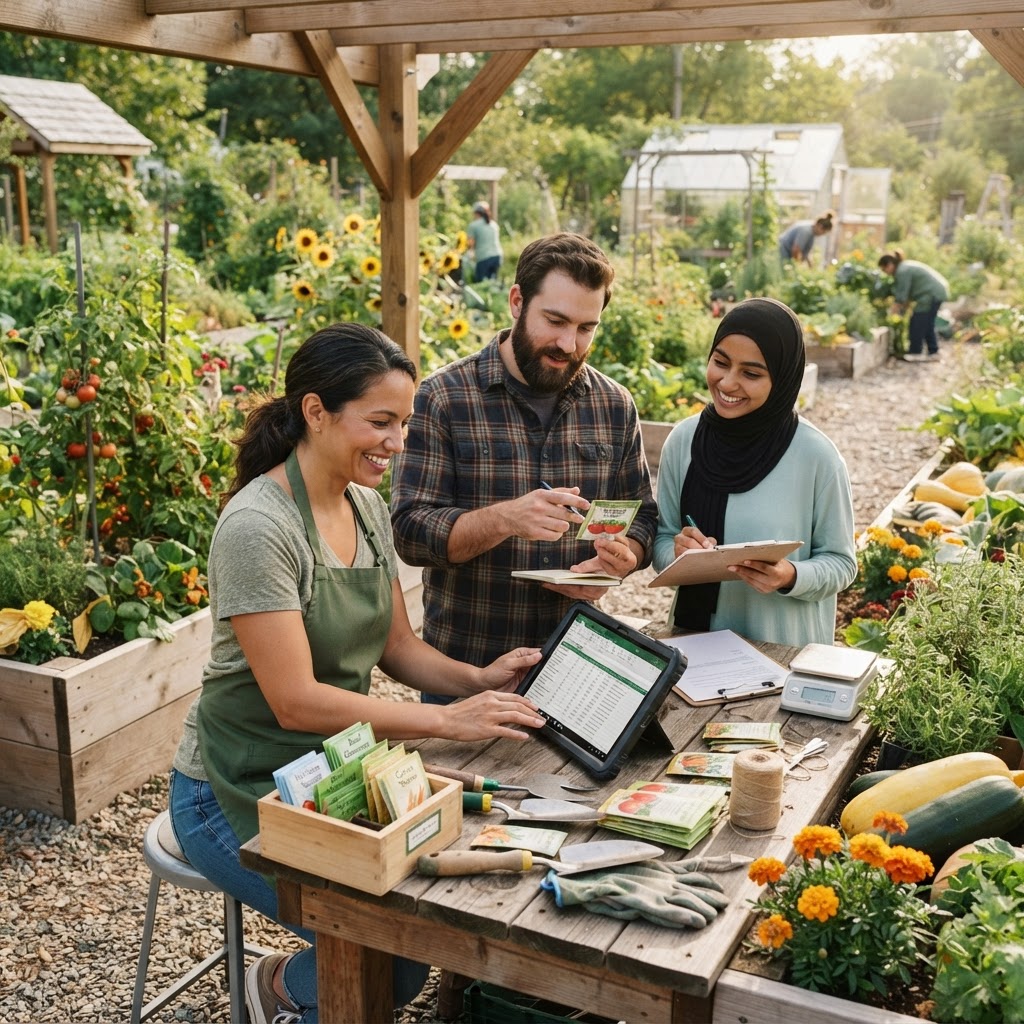
A simple sign-up sheet — either physical at the garden or a shared online document — gives you a headcount for planning purposes and creates a small psychological commitment that increases follow-through. Don't make the sign-up process complicated or time-consuming.
Communicate What to Expect
Tell people exactly what they need to bring (sturdy gloves, sun protection, water bottle), what tasks will be happening, and what you'll provide (tools, refreshments). Uncertainty is a barrier. The more clearly you communicate what the day looks like, the more confident people will feel about attending.
Running the Day Itself
The way you open and run a work day sets the tone for everything that follows.
Start with a Brief Welcome and Orientation
Gather everyone together at the start — even just for five or ten minutes. Welcome newcomers by name, thank people for coming, briefly explain the day's goals and task list, and cover any important safety information (where the first aid kit is, how to use certain tools safely). This opening circle also helps people feel like they're part of something, not just showing up to do chores.
Assign Tasks Thoughtfully
Match people's skills and interests to tasks where possible. Ask for volunteers for specific jobs before assigning them. People work harder and more happily when they feel some sense of choice. Pair beginners with more experienced gardeners so knowledge gets shared organically.
Keep Energy Up Throughout the Day
Check in with volunteers periodically. Make sure water and snacks are available. Acknowledge progress out loud — "Look how much we've cleared!" goes a long way. If energy starts flagging, call a short break and encourage people to chat.
Close with a Gathering
End the work day as you began it — together. Take a few minutes to celebrate what was accomplished, point out visible improvements, thank specific people for their contributions, and preview the next work day. This closing moment reinforces the sense of community and leaves people feeling good about their time.
Tools, Supplies, and Resources
Nothing slows a work day down faster than not having the right tools on hand.
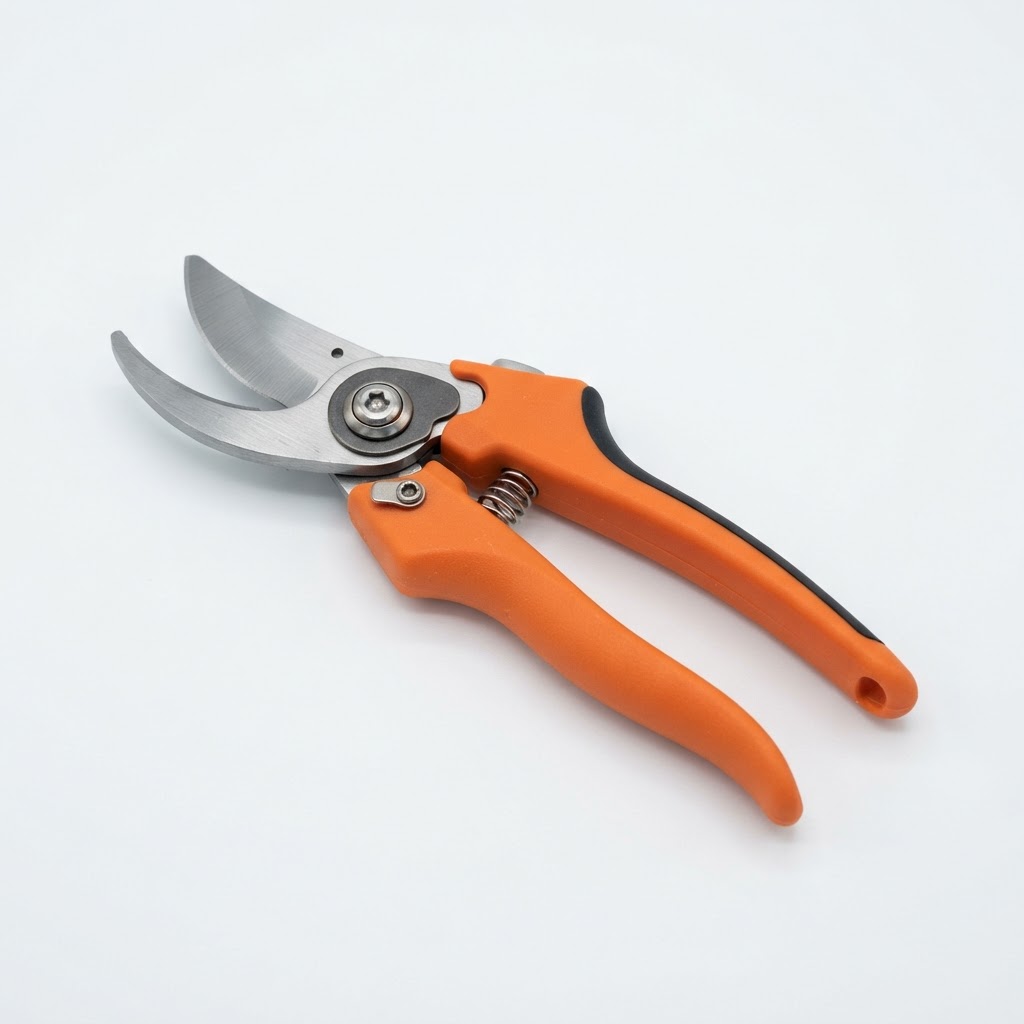
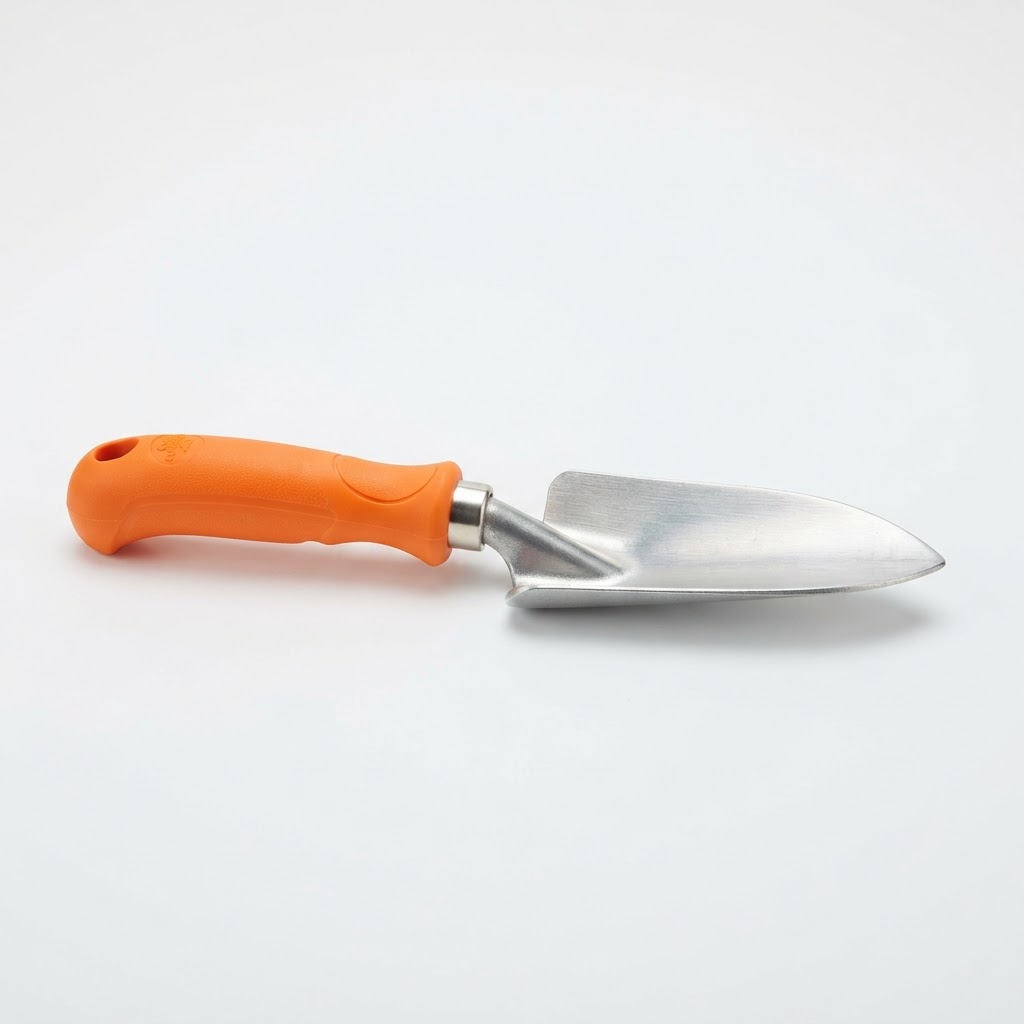
Maintain a shared garden tool inventory and check it before every work day. Common essentials include shovels, spades, rakes, hoes, trowels, pruning shears, wheelbarrows, and a hose or watering cans. Make sure tools are clean, sharp, and in good repair. Dull or broken tools are frustrating and can cause injury.
For larger bees, consider creating a "work day kit" — a dedicated bin or cart stocked with gloves in various sizes, sunscreen, a first aid kit, markers, labels, and any specialty supplies needed for the day's tasks. Having this ready to go saves scrambling time on the day itself.
If your garden is short on tools, reach out to local tool libraries, hardware store donation programs, or neighboring community gardens for loans or partnerships.
Keeping Volunteers Engaged Long-Term
A single great work day is wonderful. A culture of regular, joyful participation is the goal.
Recognize contributions publicly — in newsletters, on a garden bulletin board, or at annual meetings. People appreciate being seen and thanked. Track participation over time so you can notice who's been showing up consistently and who might need a personal invitation to re-engage.
Vary the format of work days to keep things fresh. A bee with shared food and music feels different from a focused task sprint. Themed days — a "compost day," a "seed saving bee," a "tool sharpening workshop" — give variety and attract people with specific interests.
Most importantly, make sure work days are genuinely enjoyable. If people leave feeling exhausted, unappreciated, or like their time was wasted, they won't come back. If they leave feeling accomplished, connected, and happy, they'll bring a friend next time.
Common Mistakes to Avoid
Even well-intentioned organizers can fall into predictable traps. Here's what to watch out for:
Over-scheduling the task list. Piling on too many tasks leads to frantic rushing or, worse, half-finished projects that demoralize everyone. Less is more — better to do three things well than seven things poorly.
Poor communication. Vague announcements, last-minute changes, or failing to follow up with signed-up volunteers leads to no-shows and confusion. Communicate clearly, early, and often.
Ignoring new volunteers. Newcomers who arrive and immediately feel lost or overlooked won't return. Designate a specific person to greet and orient new participants on work days.
Skipping the social element. Work without connection is just labor. Don't underestimate the power of coffee, snacks, and casual conversation to transform an ordinary morning into a memorable community experience.
Letting the same people do all the work. If the same five people show up every time while others skate by, resentment builds. Find creative ways to engage quieter members and distribute the work more broadly.
Not having a backup plan for weather. Have a clear policy for what happens if it rains. Will you reschedule? Move to indoor tasks? Communicate this in advance so nobody shows up confused.
Tips for Success
- Schedule work days as recurring events at the start of the season — monthly or biweekly — so members can plan around them well in advance.
- Create a "job jar" with task cards volunteers can pick from, giving people agency over what they work on.
- Pair each work day with a small social moment — a shared meal afterward, a potluck, or even just good coffee and homemade cookies at the start.
- Document your progress with photos and share them in your garden newsletter or group chat. Seeing before-and-after photos builds pride and motivates future participation.
- Ask for feedback after each work day — a simple "What went well? What could be better?" helps you continuously improve.
- Train volunteer leaders gradually so organizing responsibilities can be shared and the garden doesn't depend on one or two people indefinitely.
- Celebrate milestones. Completed a major project? Announce it, thank everyone involved, and mark the occasion in some small way.
Conclusion
Community garden work days and bees are far more than just a practical way to maintain shared spaces. They are how community is built — one shared task, one shared meal, one shared season at a time. When you invest thought and care into organizing these gatherings, you're doing something that matters well beyond the garden fence.
Start simple: one well-planned work day with a clear task list, good communication, the right tools, and a pot of coffee. Pay attention to what works. Improve a little each time. Before long, you'll find that work days have become one of the most anticipated events in your garden's calendar — a touchstone of community that members look forward to and talk about long after the last tool is put away.
Every thriving community garden has this kind of culture at its core. With intention and a little practice, yours can too.