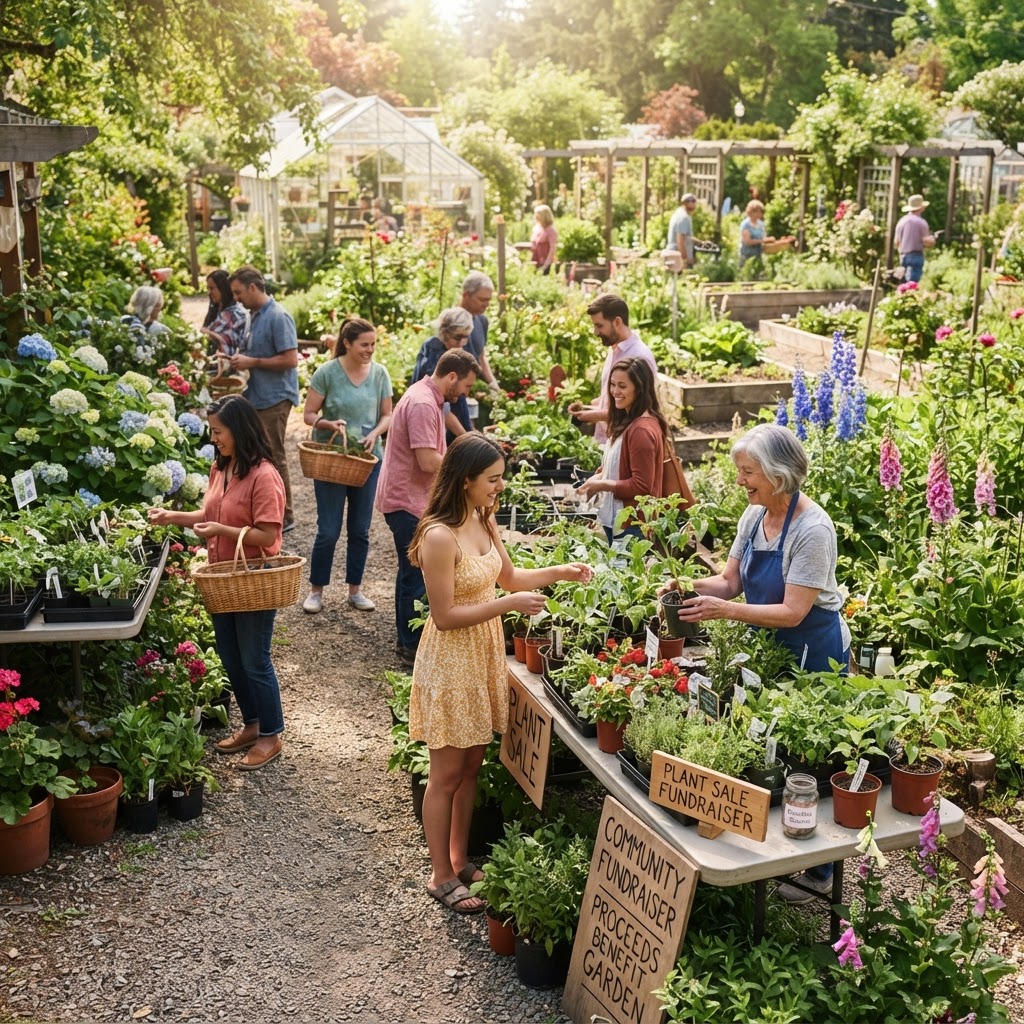
Annual plant sales are one of the most beloved and effective fundraising traditions in the community gardening world. They bring neighbors together, celebrate the joy of growing things, and generate meaningful support for garden projects that benefit everyone. Whether you're raising money for new raised beds, irrigation upgrades, seed libraries, or community programming, a well-organized plant sale can become the highlight of your gardening calendar year after year.
This guide walks you through everything you need to know to plan, promote, and execute a successful annual plant sale — from the first planning meeting all the way through post-event wrap-up.
Getting Started
Before you start potting seedlings or designing flyers, it's important to lay a solid organizational foundation. The most successful annual plant sales are built on clear goals, early planning, and strong community buy-in.
Define Your Fundraising Goals
Start by asking: what are you raising money for? Having a specific, tangible goal makes it much easier to motivate volunteers, attract buyers, and communicate your mission to the wider community. "We're raising funds for a new pollinator garden and three accessible raised beds" is far more compelling than a vague fundraising announcement.
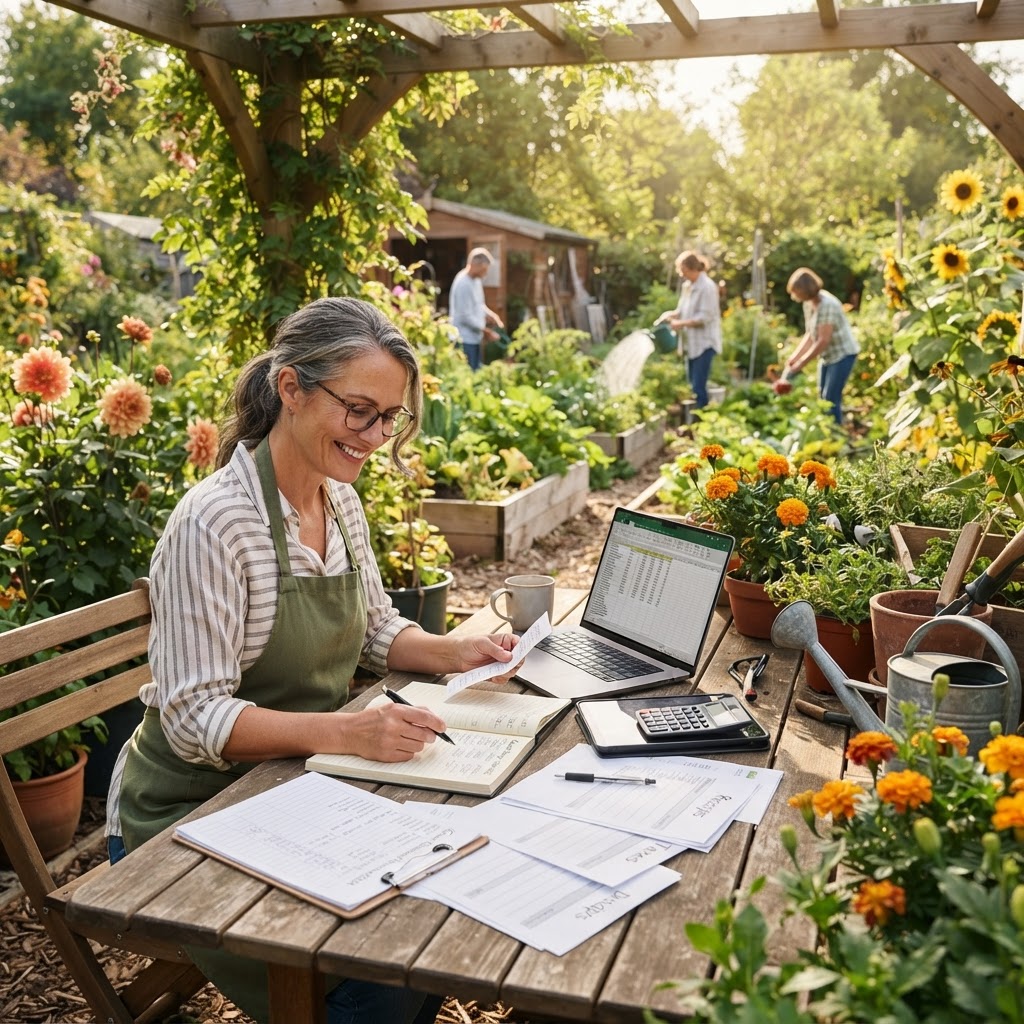
Once you have a goal, work backward to estimate how much you need to raise and how many plants you'd need to sell at various price points to meet that target. This kind of rough math helps guide inventory decisions from the very beginning.
Form a Planning Committee
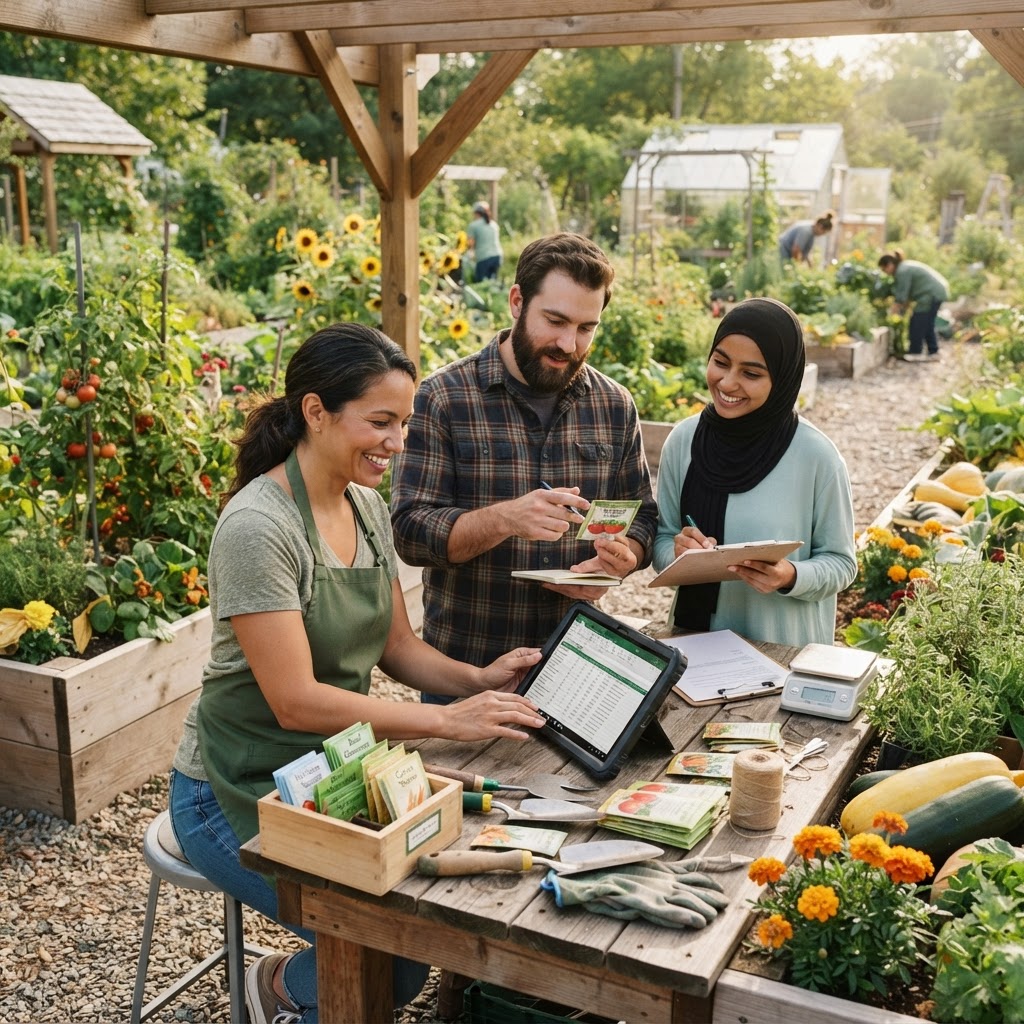
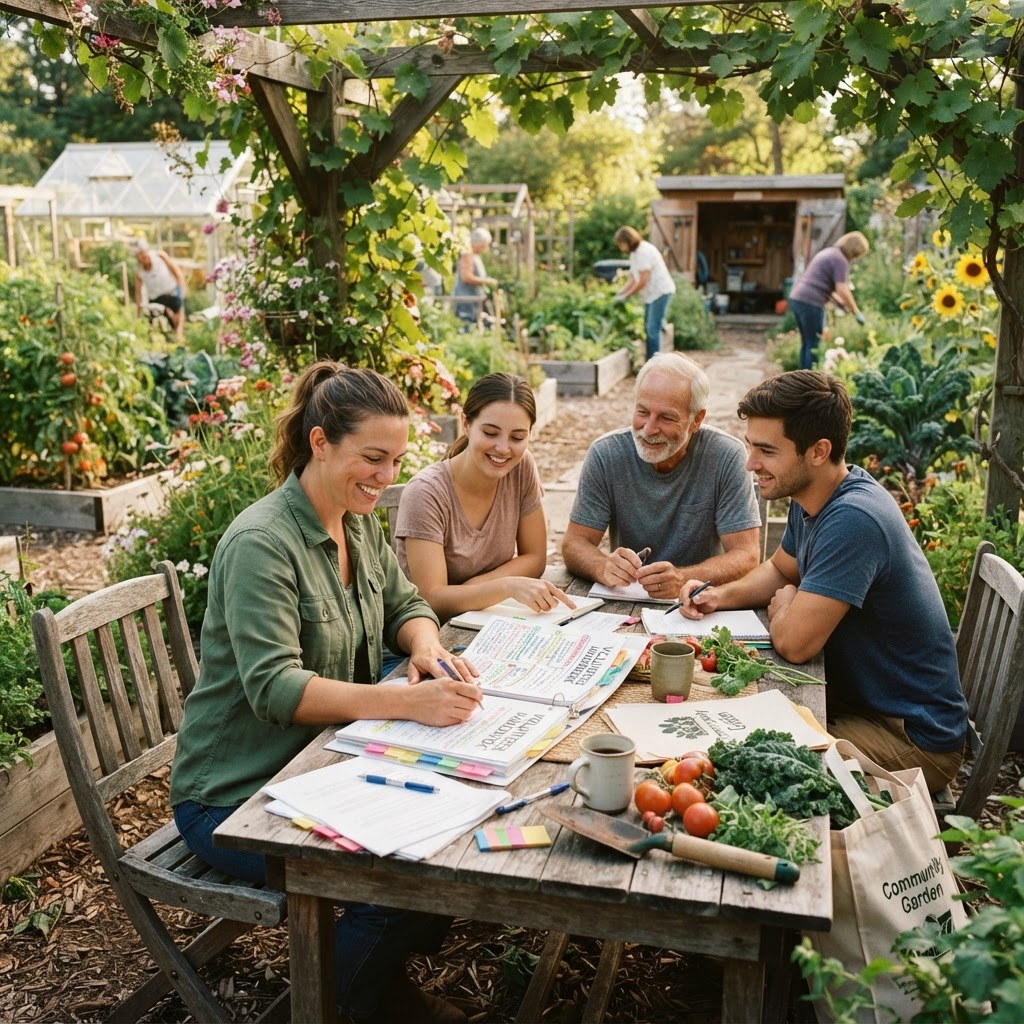
Don't try to organize this alone. Recruit a small team of two to five committed volunteers who can share the workload across key areas: plant sourcing and propagation, logistics and venue, marketing and outreach, and day-of operations. Assign clear roles and responsibilities so nothing falls through the cracks.
Schedule your first planning meeting at least three to four months before your target sale date. Spring sales (typically April through June) are the most popular because buyers are eager to get plants in the ground after winter. That means your planning should ideally begin in January or February.
Choose Your Date and Venue
Pick a date that aligns with your local planting season. Research whether other major community events are happening nearby on the same weekend — you want foot traffic, not competition. Saturdays generally perform better than Sundays for community events, and morning hours (8am–1pm) tend to work well for plant sales.
Your venue matters more than people often realize. A high-visibility location — such as a community center parking lot, a busy park entrance, or a local library — dramatically increases walk-up traffic. If your garden itself has good access, hosting it on-site creates a wonderful opportunity for people to see the space and connect with your mission firsthand.
Planning Your Plant Inventory
Your plant inventory is the heart of the event. Quality, variety, and relevance to your local climate will determine how quickly your tables empty out.
Sourcing Plants
There are several ways to build your inventory:
- Member-grown donations: Invite garden members to propagate plants at home and donate a portion. This is cost-effective and creates personal investment in the sale.
- Direct seeding projects: Organize communal seed-starting sessions at your garden weeks in advance. This builds community while producing inventory.
- Plant swaps with partner organizations: Connect with other community gardens, school gardens, or master gardener programs for exchanges.
- Wholesale nursery purchases: If your budget allows a small upfront investment, purchasing some plants wholesale ensures a more consistent, professional-looking selection.
What to Sell
A balanced mix of plant types will appeal to a wider audience:
- Vegetable starts (tomatoes, peppers, squash, herbs) are perennial bestsellers in spring
- Native plants and perennials appeal to eco-conscious buyers and often command higher prices
- Annual flowers sell quickly and look beautiful on display tables
- Herb bundles make accessible, affordable entry-level purchases
- Houseplants and succulents attract buyers who don't have outdoor space
Avoid overloading on obscure varieties that local gardeners won't recognize. A mix of familiar favorites and a few interesting specialty items works well for most community audiences.
Labeling and Organization
Every plant needs a clear, legible label that includes the plant name (common and ideally botanical), sun requirements, water needs, and any notable characteristics. Well-labeled plants sell themselves — buyers are far more confident purchasing something they understand.
Group plants by category on your tables. This makes browsing intuitive and helps volunteers answer questions quickly.
Logistics and Setup
Equipment and Supplies
Compile a checklist of what you'll need well in advance:
- Folding tables and tablecloths
- Signage (banners, plant labels, price signs)
- Cash boxes and change
- Card payment device (even basic mobile card readers make a big difference)
- Bags or boxes for buyers to carry purchases
- Watering cans and a water source to keep plants looking fresh
- Tents or canopies for shade and weather protection
- First aid kit
Layout Planning
Sketch a simple floor plan before the day. Place your most eye-catching plants — colorful flowers, large statement plants — near the entrance or most visible spots. Put your payment station in a central but clearly visible location. Leave enough aisle space for comfortable browsing, especially if you expect families with strollers.
Consider having a dedicated "featured plant" or "staff pick" section to draw attention to items you really want to move or that connect directly to your garden's mission (like native species).
Pricing and Payment
Setting Prices
Research what local nurseries charge for similar plants and price competitively, not drastically cheaper. Underpricing is a common mistake (more on that later). Buyers at community plant sales understand they're supporting a cause, and most are happy to pay fair prices.
Simple tiered pricing works well: small pots at one price, medium at another, large or specialty plants at a higher tier. Clear, visible price signs reduce confusion and speed up the checkout process.
Consider bundle deals — "3 herb starts for $X" — to encourage larger purchases and move inventory.
Accepting Payments
Cash will always be king at plant sales, but offering card payment significantly expands your potential buyer pool. Mobile payment devices that connect to smartphones are affordable and user-friendly. Some gardens also accept payment apps like Venmo or Cash App — just make sure someone is actively monitoring incoming payments if you go this route.
Marketing and Promotion
Building Buzz Early
Start promoting at least four to six weeks in advance. Your marketing channels should include:
- Social media (Facebook, Instagram, and Nextdoor are particularly effective for local community events)
- Email newsletters to existing garden members and supporters
- Physical flyers at community boards, local coffee shops, libraries, hardware stores, and grocery stores
- Local community calendars (many newspapers, parks departments, and neighborhood associations maintain these)
- Word of mouth — encourage every volunteer and member to personally invite five neighbors
Craft a Compelling Message
Your promotional materials should answer: What are you selling? When and where? What is the money going toward? How do people support the garden by attending? A clear call-to-action ("Join us Saturday May 10th and help fund our new accessible garden beds!") outperforms generic announcements every time.
A few high-quality photos of beautiful plants from your garden can dramatically improve social media engagement.
Volunteer Coordination
How Many Volunteers Do You Need?
A reasonable rule of thumb: for every 25–30 people you expect to attend at peak time, have at least one dedicated volunteer. For a typical community plant sale, you'll want roles covered for:
- Setup and breakdown crew
- Plant care and display maintenance during the event
- Customer service and plant knowledge
- Checkout and payment processing
- Crowd management and general flow
Briefing Your Team
Hold a volunteer orientation meeting the week before the event. Cover plant knowledge basics, pricing, payment procedures, and customer service expectations. A volunteer who can answer "Does this tomato variety do well in partial shade?" with confidence is worth their weight in gold.
Day-of Event Management
Arrive early — at least 90 minutes before opening — to complete setup without rushing. Assign a point person to handle problems and make decisions quickly. Keep a running tally of what's selling and what isn't so you can adjust pricing or placement mid-event if needed.
Plan for a final "clearance push" in the last 30–45 minutes of the sale. Announcing reduced prices on remaining plants creates urgency and prevents you from hauling inventory home. Leftover plants can also be donated to community spaces or offered to volunteers as a thank-you.
After the event, do a quick team debrief while memories are fresh. What went well? What would you change? Document these notes somewhere accessible — they'll be invaluable when planning next year's sale.
Common Mistakes to Avoid
Underpricing your plants. This is perhaps the most common error. When prices are too low, buyers sometimes assume quality is poor, and you leave significant fundraising potential on the table. Price fairly and let your mission do the work of inspiring generosity.
Starting too late. If you begin propagation or planning only a few weeks out, you'll be scrambling. Plants need time to grow, volunteers need time to commit, and marketing needs time to build awareness.
Poor labeling. Unlabeled or poorly labeled plants create hesitation and slow down sales. Every single plant should have a clear, informative label.
Ignoring weather contingencies. A sudden rain shower can send buyers home and damage your inventory. Always have a backup plan — whether that's canopies, a covered alternative venue, or a clear rain-date policy.
No card payment option. In an increasingly cashless world, turning away buyers because you only accept cash is a significant lost revenue opportunity.
Overstocking hard-to-sell varieties. Fill your tables with what local gardeners actually want. Save the experimental rare varieties for a small specialty section, not the bulk of your inventory.
Neglecting follow-up. Thank your volunteers, share results with your community, and communicate how the funds will be used. This builds trust and loyalty for future events.
Tips for Success
- Start a waitlist for popular plants. If you know your heritage tomato starts sell out in the first hour, take pre-orders or a waitlist to ensure serious buyers aren't disappointed.
- Partner with local businesses. Ask local nurseries, hardware stores, or garden centers to donate plants or supplies in exchange for recognition. This reduces costs and builds valuable relationships.
- Create a "Plant Doctor" station. Offering free gardening advice at a dedicated table is a crowd-pleaser and keeps browsers engaged longer — increasing the likelihood of purchases.
- Add complementary items. Handmade garden markers, homemade compost, seed packets, or garden-themed baked goods can add revenue and visual interest to your sale.
- Host a brief talk or demo. A 15-minute demonstration on companion planting or starting seeds draws a crowd, creates energy, and positions your garden as a community knowledge hub.
- Document everything with photos. Beautiful images from this year's sale become powerful marketing material for next year's event.
- Build an email list. Collect email addresses from buyers who want to be notified about future events. This growing audience is one of your most valuable long-term assets.
- Evaluate and improve every year. Each annual sale is a chance to learn and refine. The gardens with the most successful long-term sales are those that treat each event as a learning opportunity.
Conclusion
An annual plant sale is far more than just a fundraiser — it's a community-building event that connects people to your garden's mission, introduces neighbors to one another, and inspires a deeper relationship with growing food and plants. When done well, it becomes an eagerly anticipated annual tradition that people plan their weekends around.
The keys to success are simple in principle: plan early, grow (or source) quality plants, price fairly, promote widely, support your volunteers, and always follow up with gratitude and transparency. Each year you'll learn something new, and each year your sale will get a little smoother, a little larger, and a little more impactful.
Whether this is your first plant sale or your tenth, the community garden team at Community Garden Shop wishes you a successful and joyful event. Happy growing — and happy fundraising.