Liability and Insurance Guide for Community Garden Boards
Managing a community garden requires more than just a green thumb; it demands a clear understanding of board responsibilities, liability risks, and the necessity of comprehensive insurance coverage.
Understanding Liability in Community Gardens
Community gardens are vital hubs for social interaction and food security, but they operate as semi-public spaces. As a board member, you carry a fiduciary duty to protect the organization's assets and its members from harm. Liability concerns arise because the garden is a physical space where accidents, equipment malfunctions, or personal disputes can occur.
Legal liability generally falls into two buckets: negligence and premises liability. Negligence occurs if the board fails to maintain the grounds in a safe manner, leading to injury. Premises liability specifically addresses injuries that happen to visitors on your property. Understanding these legal concepts is the first step toward effective risk management.
Beyond basic legal definitions, board members must recognize that their personal assets can occasionally be at risk if the organization is not properly structured as an incorporated entity or an LLC. Without a formal "corporate veil," a lawsuit against the garden could potentially target the private bank accounts or assets of the board members themselves. This makes the distinction between personal liability and organizational liability the cornerstone of your governance strategy.
Common Risks and Hazards
Every community garden faces unique physical challenges. The most common risk involves trip-and-fall accidents caused by uneven soil, stray tools, or poorly maintained pathways. Without a proactive maintenance schedule, the board is vulnerable to claims of negligence regarding the physical safety of the site.
Another frequent hazard includes chemical exposure from improperly stored pesticides or fertilizers. Additionally, volunteer misuse of heavy landscaping equipment creates severe injury risks. Establishing rigorous safety training sessions and clearly marked equipment storage protocols is essential for mitigating these specific dangers.
Advanced Hazard Mitigation
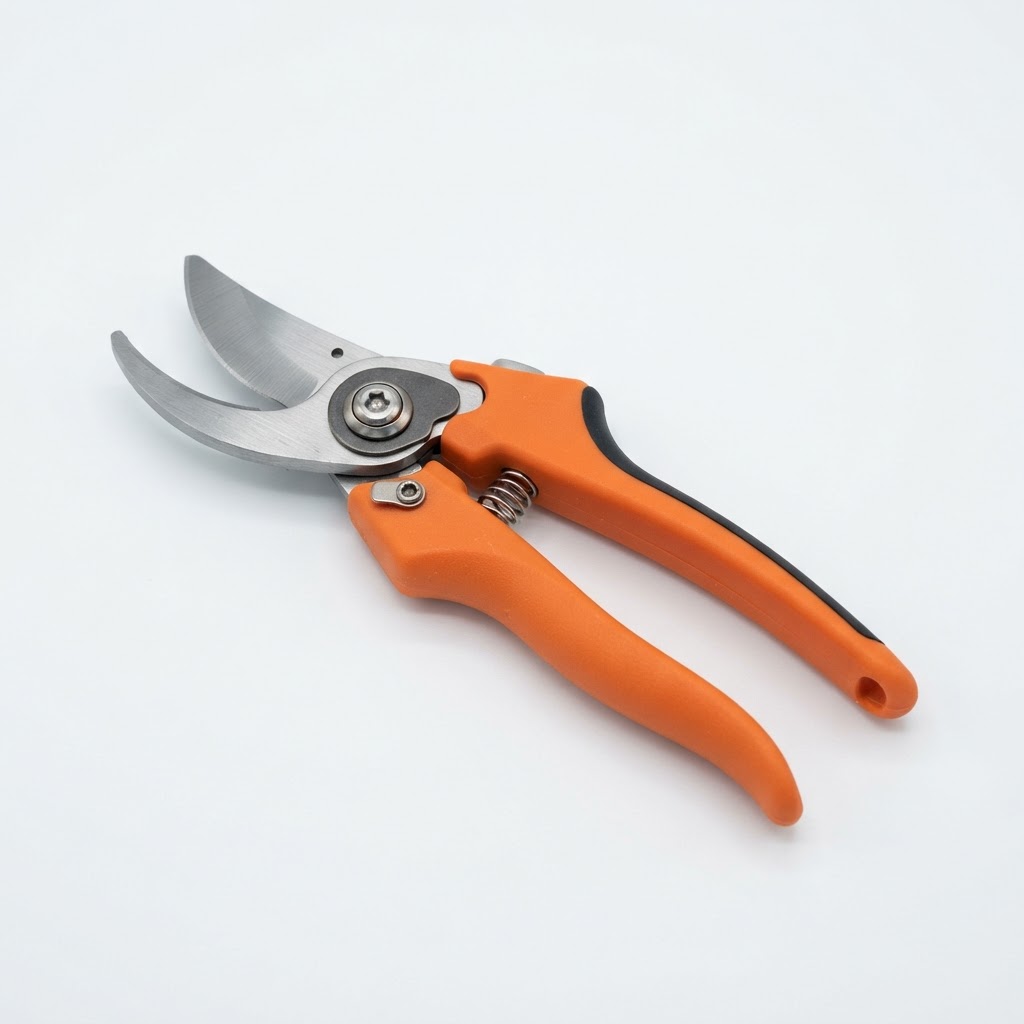
- Tool Safety: Always mandate that tools such as rakes and hoes be stored with the business end facing down or hung on wall racks. Never leave a rake lying in the grass, as it acts as a trip hazard and a sharp projectile risk.
- Water Systems: In-ground irrigation lines and exposed hose reels are notorious trip hazards. Cover all water-related infrastructure with bright, high-visibility yellow or orange paint or protective casing to alert gardeners.
- Food Safety: While liability often focuses on physical injury, foodborne illnesses caused by improper soil management (e.g., using fresh manure too close to harvest time) or contaminated water can lead to claims. Maintain strict records of soil amendments and water quality testing.
Assessing Natural Hazards and Weather Risks
Boards must also consider site-specific environmental risks. Heavy rain can cause soil erosion, leading to unstable paths, while high winds can turn lightweight structures like trellises into dangerous projectiles. Conduct a seasonal assessment at least twice a year—once in early spring before planting and once in late autumn before winterization. Remove any dead tree limbs that could fall on communal areas and ensure that all temporary structures are anchored using heavy-duty ground stakes or concrete footings rated for local wind speeds.
Types of Insurance Coverage Needed
General Liability Insurance is the cornerstone of any garden policy. It covers legal costs and settlements if a visitor is injured on the premises. This is non-negotiable for any organization managing a public-facing plot of land.
Director and Officer (D&O) Insurance is equally critical for the board. While general liability covers the garden, D&O insurance protects the individual board members from lawsuits related to financial mismanagement, breach of duty, or employment-related claims. Ensuring the board has both types of coverage creates a comprehensive safety net.
The Role of Umbrella Policies
For gardens that host large annual events—such as harvest festivals, plant sales, or educational workshops—a standard general liability policy may reach its limit quickly. An Umbrella or Excess Liability policy provides an additional layer of coverage that kicks in once the primary policy's limit is exhausted. This is a cost-effective way to protect the organization against catastrophic incidents.
Reducing Risk Through Proper Governance
Governance is your primary line of defense. By documenting every safety check, equipment inspection, and volunteer training meeting, you create an audit trail that proves the board exercised 'due diligence.'
Always maintain clear signage throughout the garden regarding safety rules and prohibited behaviors. Require all members to sign a liability waiver annually. While a waiver may not prevent a lawsuit entirely, it establishes that members were aware of the inherent risks associated with community gardening.
Step-by-Step Safety Audits
To maintain an effective audit trail, conduct a monthly "Site Walkthrough." Use the following checklist to ensure compliance:
- Check Pathways: Are there ruts or holes in the mulch or gravel paths? Fill them immediately.
- Tool Inspection: Check handles for splinters or cracks. Tag broken tools with a "Do Not Use" sign until they are repaired.
- Signage Verification: Ensure all "No Trespassing" or "Garden Rules" signs are legible and firmly attached.
- Chemical Storage: Confirm all fertilizers are locked in a shed that is inaccessible to children or unauthorized persons.
Creating a Volunteer Code of Conduct
Beyond physical hazards, social disputes are a liability risk. A written code of conduct minimizes potential for verbal altercations or harassment claims, which can damage the garden's reputation and lead to board-level grievances. Your code should explicitly forbid aggressive behavior, mandate respectful communication, and outline a clear disciplinary process—such as a verbal warning, written warning, and finally, loss of plot privileges for persistent rule-breakers. Consistent enforcement is key to demonstrating that the board manages the space fairly and impartially.
Board Member Protection and Indemnification
Indemnification clauses in your bylaws provide an internal layer of protection for board members. This policy states that the organization will cover the legal expenses of a board member acting in good faith. However, this is not a substitute for formal insurance.
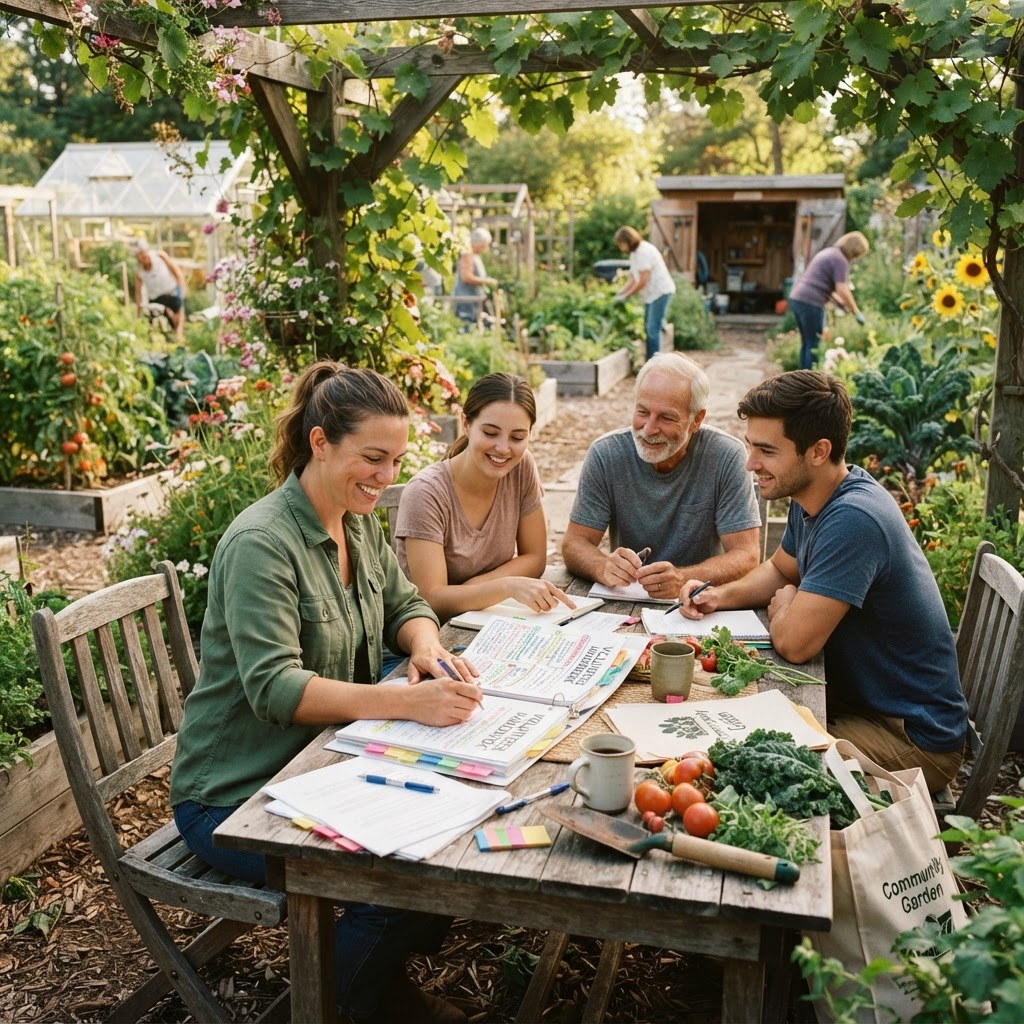
When recruiting board members, clearly explain their roles and the protections in place. Transparency builds trust and ensures that everyone understands the legal landscape before they assume their responsibilities. Maintaining open lines of communication with local legal experts or insurance agents specializing in non-profits can provide invaluable guidance.
Pro Tip: When selecting board members, look for those with backgrounds in law, human resources, or risk management. A diverse board with professional expertise is better equipped to identify latent risks before they turn into costly litigation.
Handling Incidents and Claims
If an injury occurs, follow a strict protocol: document the scene, collect contact information from witnesses, and alert your insurance provider immediately. Never admit liability on behalf of the garden or the board; that is the role of the legal team and the insurance adjusters.
Prompt reporting is vital for a smooth claims process. Delayed reporting can lead to denied claims or increased scrutiny from underwriters. Having a standardized incident report form prepared ahead of time ensures that crucial data is not lost in the confusion of the moment.
Essential Incident Documentation
When an incident occurs, your report must include:
- Date, Time, and Location: Be as specific as possible regarding which plot number or pathway the injury occurred on.
- Weather Conditions: For example, state if it was raining or if there was heavy glare, which might influence visibility.
- Names of Involved Parties: Gather contact details for the injured party and at least two disinterested witnesses.
- Photographic Evidence: Take high-resolution photos of the area immediately, showing any potential hazards in their current state before they are cleaned up or altered.
Comparison of Insurance Types
| Insurance Type | Primary Focus | Who is Protected? | | :--- | :--- | :--- | | General Liability | Bodily injury/Property damage | The Garden Entity | | D&O Insurance | Decisions and management | Board Members | | Property Insurance | Garden structures/tools | The Assets | | Workers Comp | Employee/Volunteer injury | Hired Workers | | Umbrella Policy | Catastrophic claims | The Organization |
Common Mistakes to Avoid
Many boards make the mistake of assuming that their local government covers them because the garden is on municipal land. Always verify this with the city attorney. Another mistake is ignoring the need for coverage when holding special events like festivals or fundraisers, which significantly increase foot traffic and liability risks.
The "Volunteer Trap"
One major oversight is the assumption that volunteers are inherently "low risk." In some jurisdictions, volunteers can be classified similarly to employees if they receive compensation (like keeping the produce they grow) or are under direct supervision by a manager. Always confirm your insurance policy covers "Volunteer Liability" specifically to avoid coverage gaps during community workdays.
Mismanaged Waivers
Do not store signed liability waivers in an disorganized email folder. Maintain a secure, digital, or physical filing system that allows for easy retrieval. If you cannot produce a signed waiver in court, it is effectively useless. Furthermore, ensure your waivers include a "Media Release" clause so that the garden can use photos of participants in social media or grant applications without the risk of future privacy-related lawsuits.
FAQ
Q1: Do we need insurance if we are only a small neighborhood group? A1: Yes. Legal liability can arise from even a single accident, potentially bankrupting the group or leading to personal liability for organizers.
Q2: Does a waiver prevent all lawsuits? A2: No, but it significantly reduces the likelihood of successful negligence claims by proving participants accepted the inherent risks.
Q3: How do we choose an insurance agent? A3: Look for agents who specialize in non-profits, community associations, or agricultural groups. They will understand the unique nuances of land use that standard agents might overlook.
Q4: What is the difference between an employee and a volunteer? A4: While both can lead to liability, workers compensation laws vary significantly; discuss your volunteer structure with your broker.
Q5: Can we share insurance with a partnering organization? A5: Sometimes, yes. If you partner with a local church or school, see if you can be added as an "Additionally Insured" party on their policy to save costs.
Q6: Is our garden shed covered under General Liability? A6: Usually no. General Liability covers people and injuries; you will likely need separate Property or Inland Marine insurance for sheds, tools, and irrigation pumps.
Q7: How often should we review our insurance limits? A7: Annually. If your garden has expanded, added new structures, or increased the frequency of events, your coverage needs may have changed significantly.
Q8: What if we have a playground in the garden? A8: Playgrounds require specialized liability insurance due to high inherent risk; ensure your broker explicitly lists playground equipment on your policy, as standard general liability may exclude it.
Key Takeaways
- Liability exists whether you are a formal non-profit or a casual group.
- General Liability and D&O insurance are the two most critical policies for any community garden board.
- Proactive governance and documentation are your best defenses against legal action.
- Always review your insurance needs annually and after major changes to the garden site.
Newsletter
Stay informed about best practices in community garden management by joining our newsletter. We share monthly tips on safety, legal updates, and tips for growing your community connection. Enter your email below to subscribe.
Conclusion
Navigating liability as a community garden board member requires diligence, but it is entirely manageable with the right structure. By securing proper insurance and implementing robust safety protocols, you protect your board, your volunteers, and the garden's future. Keep the focus on the growth of your community while keeping the legal foundation secure.