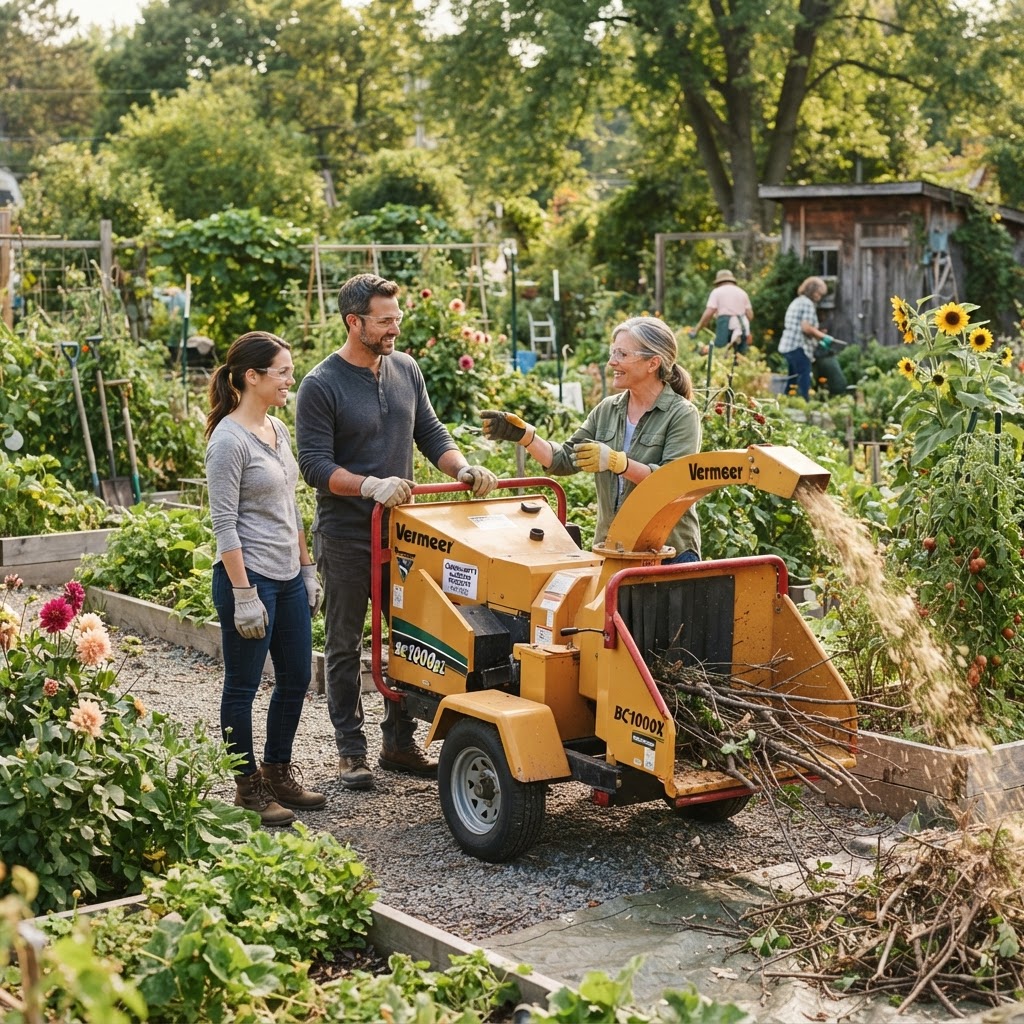
Community gardening brings people together, nurtures local food systems, and creates vibrant green spaces that benefit entire neighborhoods. But for many gardeners — including older adults, people with disabilities, those recovering from injuries, or anyone experiencing joint pain — the physical demands of traditional gardening can present real challenges. The good news is that ergonomic tool design has come a long way, and the right equipment can make gardening accessible, comfortable, and enjoyable for virtually everyone.
This guide will walk you through everything you need to know about selecting ergonomic tools for accessible community gardening, from understanding what makes a tool truly ergonomic to matching specific tools to specific needs.
Getting Started
Before you head to the tool shed or browse a catalog, it's worth pausing to think about what "accessible" actually means for you or the people in your community garden. Accessibility is not one-size-fits-all. A tool that works beautifully for someone with arthritis in their hands may not be ideal for someone with limited shoulder mobility or reduced grip strength from a neurological condition.
Start by identifying the specific physical challenges that gardeners in your community face. Ask yourself:
- What tasks are most difficult? Is it digging, weeding, reaching, or carrying?
- Where does discomfort or pain occur? Wrists, lower back, shoulders, knees?
- What is the gardener's range of motion? Can they bend, squat, or kneel?
- How much grip strength is available? This affects handle design significantly.
Once you have a clearer picture of needs, you can make informed choices rather than simply buying the most expensive or most heavily marketed "ergonomic" product. Many community gardens also benefit from building a shared tool library that includes a variety of ergonomic options, so members can try different tools before committing to a particular design.
Understanding Ergonomic Design Principles
The word "ergonomic" gets used loosely in product marketing, so it helps to understand what genuine ergonomic design actually involves. At its core, ergonomics is the science of designing tools and environments to fit the human body — not the other way around.
In the context of garden tools, good ergonomic design typically means:
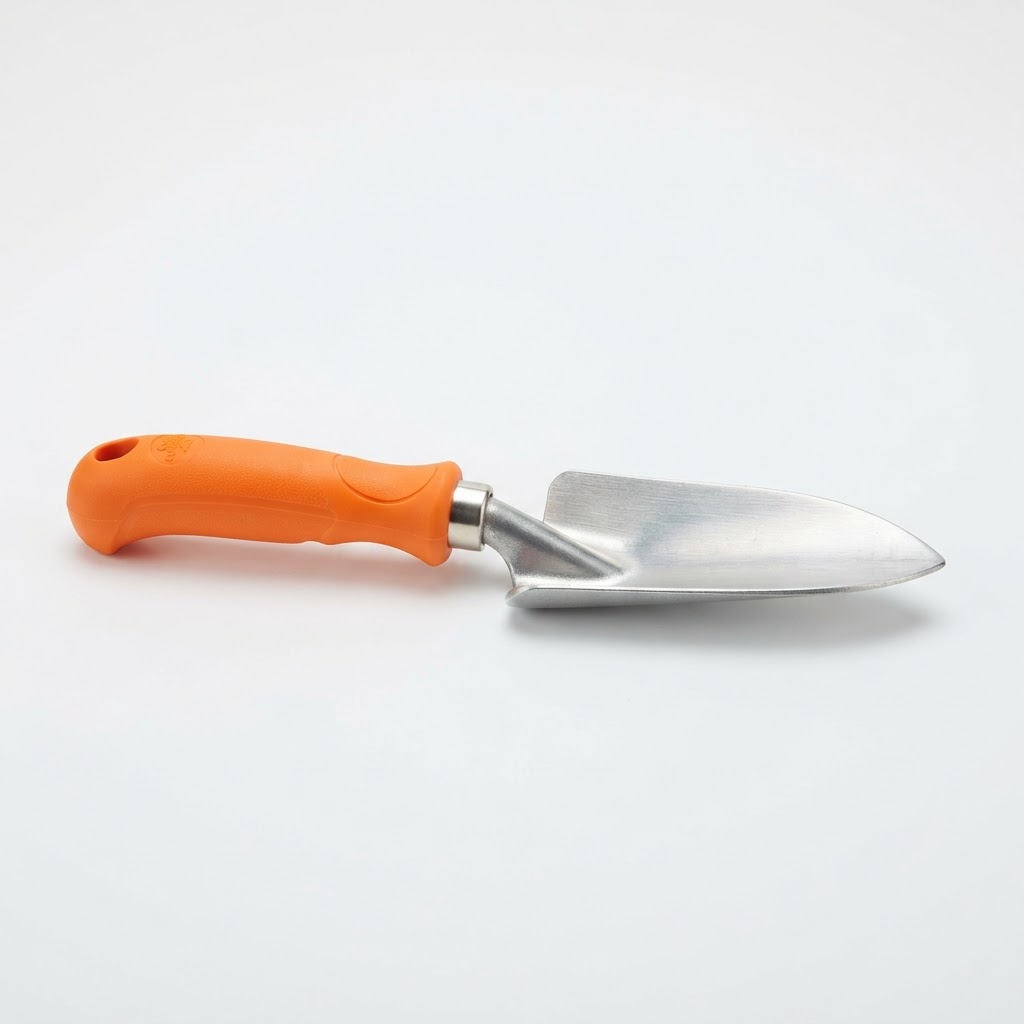
Reducing strain on joints and muscles. Properly designed tools minimize the force required to complete a task and position the body in ways that avoid awkward angles. A bent-handle trowel, for instance, allows the wrist to stay in a neutral position while digging, reducing repetitive strain.
Distributing weight effectively. Heavier tools placed near the user's center of gravity are easier to control. Lightweight materials like aluminum and fiberglass have made it possible to create strong, durable tools that don't exhaust users before they even start working.
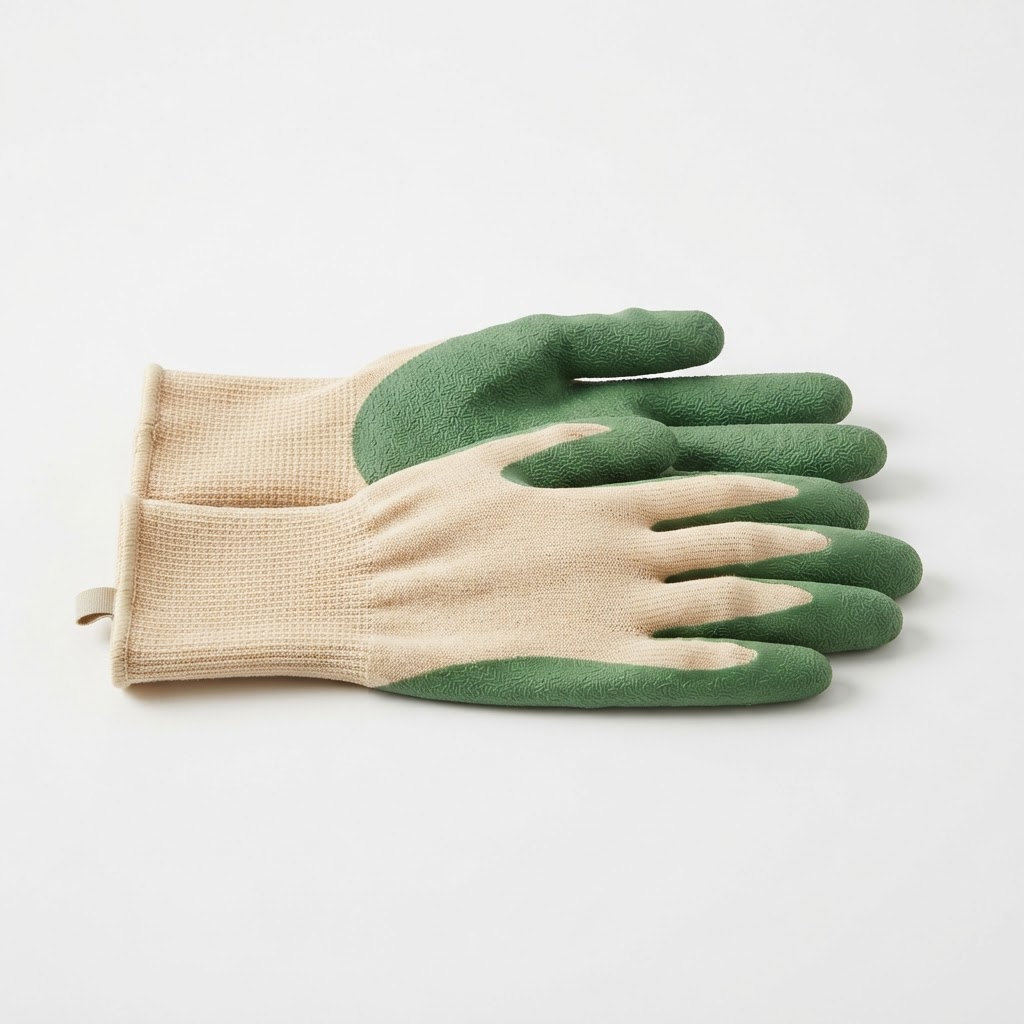
Improving grip and control. Handles with cushioned, non-slip grips reduce the force needed to hold a tool securely, which is especially important for gardeners with reduced grip strength or hand pain.
Extending reach without overextension. Longer handles allow gardeners to work without excessive bending or stretching. Telescoping handles add versatility by adjusting to different heights and tasks.
Key Ergonomic Tools for Accessible Gardening
Hand Tools
Hand tools are the workhorses of community gardening, and they're where ergonomic design can make the most immediate difference.
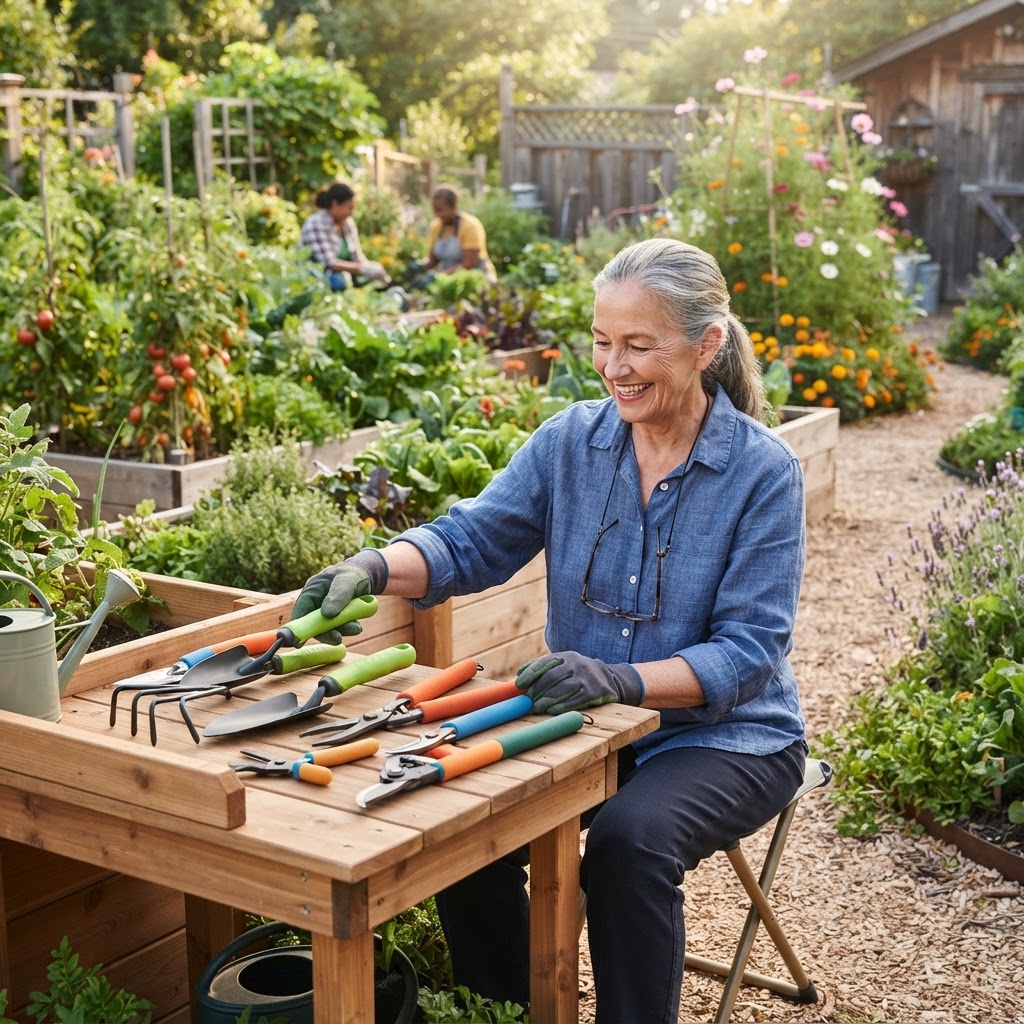
Trowels and hand forks with thick, cushioned handles reduce grip pressure and are easier for people with arthritis or limited hand strength to use. Look for handles that are at least an inch in diameter and made from a soft, non-slip material like foam or rubber.
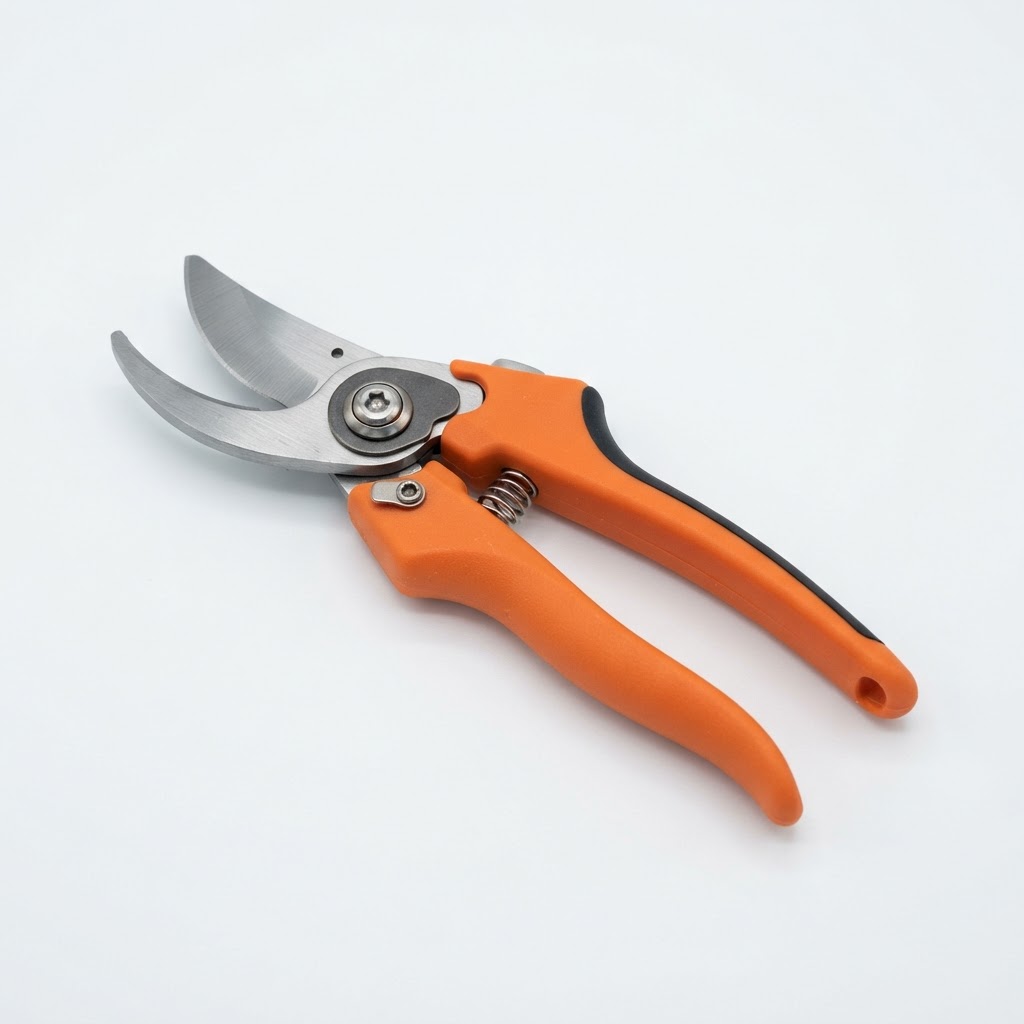
Bypass pruners and loppers with rotating handles are particularly beneficial for gardeners with wrist or elbow issues. The rotating action allows the grip to follow the natural motion of the hand during cutting, reducing torque on the wrist joint.
Soil knife or hori-hori tools with a wide handle and gentle curve can replace multiple tools — handy for gardeners who find it tiring to switch between implements frequently.
Long-Handled Tools
Long-handled tools dramatically reduce the need to bend, making them essential for gardeners with back pain, hip problems, or difficulty getting up and down from the ground.
Raised-grip hoes and cultivators allow gardeners to work standing upright. Look for tools with a D-grip or T-grip at the top of the handle — these allow multiple hand positions and reduce wrist fatigue during extended use.
Rakes and hoes with adjustable handles that telescope from short to full length accommodate different heights and working styles. A handle that reaches the gardener's shoulder or chin eliminates the forward lean that causes so much back strain.
Push-pull weeders work on a back-and-forth motion that's gentler on the body than the twisting motion required by traditional hoe weeding.
Kneelers and Seating Aids
For tasks that genuinely require working close to the ground, kneelers and seating tools bridge the gap between accessibility and practicality.
Foam kneeling pads provide cushioning and are lightweight enough to carry anywhere in the garden. They're a simple, low-cost option for gardeners who can kneel but find it uncomfortable without support.
Garden kneelers with side handles serve double duty as both a kneeling cushion and a seat. The side handles are invaluable for helping gardeners lower themselves to the ground and push themselves back up — reducing strain on knees and lower back.
Portable garden seats or stools allow gardeners to work at low heights while seated rather than kneeling or crouching. Some designs include small tool trays or pouches for convenience.
Watering Tools
Carrying a heavy watering can or wrestling with a stiff hose nozzle can be genuinely difficult for some gardeners.
Lightweight watering cans with a balanced design (where the full can feels stable and doesn't tip the wrist awkwardly) are far preferable to heavy traditional cans. Consider smaller capacity cans that are filled more frequently rather than larger ones that become unwieldy when full.
Trigger-style hose nozzles with a lock mechanism allow gardeners to maintain water flow without continuous grip pressure, which is a significant benefit for anyone with hand fatigue or arthritis.
Drip irrigation and soaker hose systems eliminate the need for daily manual watering altogether, making garden maintenance significantly more accessible over the long term.
Adaptive Features to Look For
When evaluating any garden tool for ergonomic suitability, keep these key features in mind:
- Handle length: Adjustable or extra-long handles reduce bending
- Handle diameter: Thicker handles (1–1.5 inches) reduce grip pressure
- Handle material: Soft, non-slip grips in foam, rubber, or textured plastic
- Weight: Lightweight materials like aluminum, fiberglass, or carbon fiber
- Grip options: D-grips, T-grips, and pistol grips offer alternatives to straight handles
- Spring-loaded mechanisms: Self-opening pruners and scissors reduce the force needed to complete a cutting motion
- Wrist-neutral positioning: Tools designed to keep the wrist straight rather than bent
If possible, try before you buy. Many local garden centers and tool libraries allow gardeners to handle tools before committing, which is the best way to evaluate real-world comfort.
Tools by Gardening Task
Matching the right ergonomic tool to the right task makes a significant practical difference.
For digging and planting: Use a long-handled planting dibber or bulb planter to avoid repeated bending. Ergonomic trowels with pistol-grip handles work well for close work in raised beds.
For weeding: A long-handled stand-up weeder that grips and removes weeds with a foot pedal and lever action is one of the most impressive ergonomic innovations in recent years. It requires no bending, kneeling, or hand gripping of weeds.
For pruning and harvesting: Lightweight, spring-loaded pruners or ratchet pruners that cut in multiple small actions (rather than one hard squeeze) reduce hand fatigue significantly.
For raking and clearing: Lightweight leaf rakes with comfortable D-grip handles and a medium-length handle reduce shoulder strain. Choosing a fan rake over a rigid rake for lighter materials also reduces resistance and effort.
For hauling and carrying: A garden cart with large wheels and a low center of gravity is far easier to manage than a traditional wheelbarrow, particularly on uneven ground. Look for models with a tipping mechanism that deposits materials without requiring the gardener to lift.
Common Mistakes to Avoid
Even with the best intentions, gardeners often make a few common errors when selecting or using ergonomic tools. Here's what to watch out for:
Assuming "ergonomic" on the label means it's right for you. Marketing claims are not medical assessments. Just because a tool is labeled ergonomic doesn't mean it suits your specific needs. Always evaluate tools based on your individual physical requirements.
Buying tools without trying them. Grip comfort, handle weight, and overall balance are impossible to assess from a product photo or description alone. Wherever possible, test tools before purchasing, especially expensive ones.
Ignoring handle length. One of the most common and correctable sources of gardening discomfort is using tools that are too short. A handle that forces you to bend forward places enormous strain on the lower back. Measure to your chin or shoulder as a general guide for long-handled tool length.
Overlooking the importance of lightweight materials. Many gardeners focus on cushioned grips but forget about overall tool weight. A tool that starts light but feels heavy after thirty minutes of use defeats the ergonomic purpose. Aluminum and fiberglass handles offer a good strength-to-weight ratio.
Sticking with one grip position too long. Even with ergonomic tools, holding any position for extended periods causes fatigue and strain. Alternate tasks and grip positions regularly throughout your gardening session.
Neglecting proper technique. Ergonomic tools support better body mechanics, but they don't replace them. Keeping your back straight, bending at the hips and knees rather than the waist, and using your core muscles when lifting remain important regardless of what tools you use.
Purchasing cheap imitations of ergonomic designs. Quality matters in ergonomic tools. Poorly made versions of good designs can fail to deliver the intended benefit and may break at inconvenient moments. Invest in reputable brands and durable materials where your budget allows.
Tips for Success
Making the most of ergonomic tools involves a combination of smart selection, good habits, and community thinking. Here are practical steps you can take to ensure ergonomic tool use is genuinely effective in your community garden:
Build a shared ergonomic tool library. Not every gardener needs to own every specialized tool. Community gardens can pool resources to offer a diverse selection of ergonomic implements that members can borrow, try, and return. This is especially valuable for gardeners who aren't sure which designs work best for them.
Create labeled tool stations for specific needs. Organize your tool storage so that ergonomic tools designed for low bending, one-handed use, or reduced grip strength are easy to identify and access. Clear labels or color-coding systems help everyone find what they need quickly.
Educate gardeners about body mechanics alongside tool use. Offer brief workshops or printed guides on proper gardening posture, how to lift safely, and when to take breaks. Even the best tools are only part of the equation.
Plan raised beds with accessibility in mind. Ergonomic tools work best when the garden design supports them. Raised beds that are 18–24 inches high and no wider than about two feet on each side allow seated or standing gardeners to reach comfortably without stretching across.
Schedule shorter, more frequent gardening sessions. Rather than one long, exhausting session, plan for shorter visits spread across the week. This reduces cumulative strain and keeps gardening enjoyable rather than painful.
Involve the whole community in accessibility planning. Talk to all gardeners, not just those with visible disabilities. Many people experience temporary injuries, age-related changes, or chronic conditions that aren't immediately obvious. Creating an accessible environment benefits everyone.
Maintain tools properly. Sharp blades and well-oiled moving parts reduce the force needed to use any tool. A dull hoe or sticky pruner makes every task harder than it needs to be. Build regular maintenance sessions into your community garden calendar.
Conclusion
Accessible, ergonomic community gardening is not a specialty topic for a small subset of gardeners — it is a matter of welcome and inclusion for everyone who wants to grow food, connect with nature, and contribute to their community. The physical demands of gardening shouldn't be a barrier, and with the right tools and a little thoughtful planning, they don't have to be.
Ergonomic tool selection starts with listening: to your own body, to the needs of fellow gardeners, and to the demands of the specific tasks you're trying to accomplish. Armed with an understanding of key ergonomic principles — neutral wrist positions, reduced grip force, appropriate handle length, and lightweight materials — you can make choices that genuinely transform the gardening experience.
At Community Garden Shop, we believe every gardener deserves to be comfortable, capable, and confident in the garden. Whether you're just getting started or looking to improve an already thriving community space, investing in ergonomic tools is one of the most meaningful steps you can take.