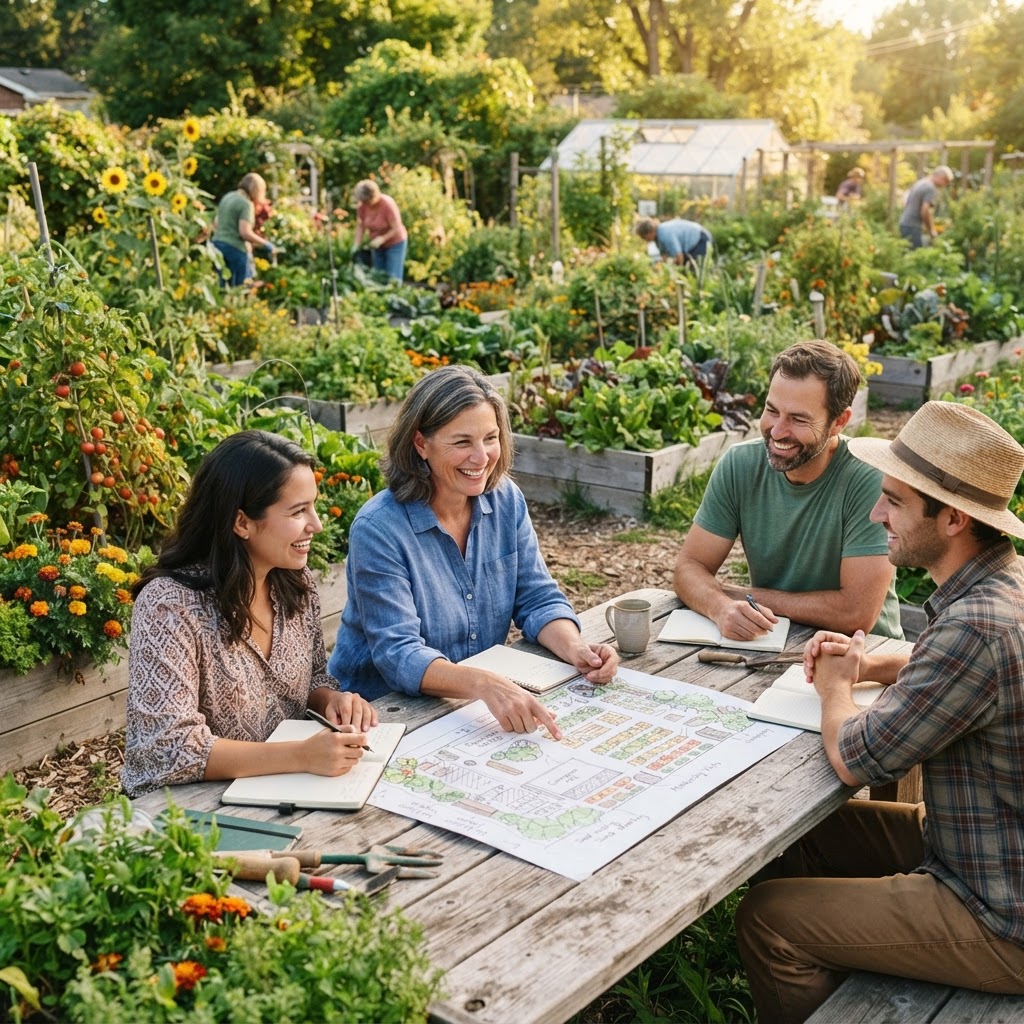
Community gardens thrive when experienced gardeners share their knowledge with newcomers. A well-designed mentorship program can transform a disjointed group of plot holders into a vibrant, supportive community where everyone feels confident, capable, and connected. Whether you're starting from scratch or improving an existing program, this guide will walk you through everything you need to know about building a meaningful garden mentorship experience.
Getting Started
Before you draft a single sign-up form or schedule your first pairing session, take a moment to assess your community garden's current needs, resources, and culture. A mentorship program that works beautifully for a large urban garden with forty plots may look quite different from one suited to a small neighborhood garden with ten members.
Start with these foundational questions:
- How many new members join your garden each season?
- How many experienced gardeners would be willing to serve as mentors?
- What are the most common struggles new members face?
- Does your garden have existing leadership, committees, or coordinators who can help manage the program?
- What resources — meeting space, communication tools, printed materials — are already available?
Once you have a clear picture of your starting point, you can begin designing a program that fits your garden's unique personality and scale. Even a simple, informal mentorship arrangement between two gardeners can make a tremendous difference. You don't need a complicated system to get started — you need intentionality and follow-through.
Why Mentorship Matters in Community Gardens
New gardeners often arrive at their first plot full of enthusiasm but uncertain about the basics. They may not know how to read soil, when to plant for their climate zone, how to manage pests organically, or even how the community's shared tools and water systems work. Without guidance, that early excitement can quickly turn into frustration — and frustrated new members are at risk of abandoning their plots, leaving weeds, and quietly disappearing from the community.
A mentorship program addresses this challenge directly. When a newcomer has a go-to person they can ask questions without feeling judged, their learning curve shortens dramatically. They also feel more welcomed and invested in the community itself, not just their individual plot.
Beyond the practical benefits for new members, mentorship also enriches experienced gardeners. Teaching forces you to articulate what you know, which often deepens your own understanding. Mentors frequently report discovering new approaches, rekindling their passion for gardening, and forming lasting friendships through the process.
A strong mentorship culture also reduces the administrative burden on garden coordinators. When new members have mentors to turn to, coordinators aren't fielding every beginner question — they can focus on broader organizational needs.
Identifying and Recruiting Mentors
Your mentors are the heart of the program, so recruiting the right people matters enormously. Fortunately, most established community gardens already have exactly who they need — they just need a structure to channel that knowledge.
What Makes a Good Garden Mentor?
Technical gardening skill is important, but it's not the only — or even the most important — quality. Look for members who:
- Communicate patiently and clearly without talking down to beginners
- Show genuine enthusiasm for helping others learn
- Have at least one to two full growing seasons of community garden experience
- Are reliable and present in the garden regularly throughout the season
- Understand the garden's specific rules, culture, and layout
- Remain open to learning themselves, since gardening knowledge is always evolving
Avoid recruiting people solely based on seniority or plot appearance. A long-time member with an immaculate plot but little patience for questions will not serve new members well.
How to Recruit Mentors
The most effective recruitment is personal and direct. A general announcement in a newsletter rarely motivates people to step up. Instead:
- Ask experienced members individually during garden workdays or meetings
- Celebrate mentorship publicly so members see it as a valued role
- Make the commitment clear and manageable — vague, open-ended commitments deter volunteers
- Offer small recognition or perks where possible, such as a reduced plot fee, a mentor badge, or public acknowledgment at seasonal events
Be transparent about the time commitment from the start. A mentor who feels blindsided by unexpected demands will burn out quickly and may resent the role.
Structuring the Mentorship Program
A clear, consistent structure makes the program easier to manage, easier for participants to understand, and more likely to produce positive outcomes. That said, structure should support connection — not replace it with bureaucracy.
Program Length and Timeline
Most community gardens operate on a seasonal calendar, making the growing season a natural framework. A mentorship pairing that runs from early spring through the first harvest gives both parties enough time to build a meaningful relationship and cover the most important topics.
Consider structuring the program in three phases:
Phase 1: Orientation (First Two to Four Weeks) The mentor and new member meet to walk the garden together, review the plot layout, go over community rules and resources, and discuss the new member's goals and experience level. This phase is about building rapport and establishing communication expectations.
Phase 2: Active Learning (Mid-Season) Regular check-ins, hands-on demonstrations, and topic-based conversations. Mentors might show new members how to amend soil, identify common pests, practice succession planting, or harvest correctly. This is the learning-intensive core of the program.
Phase 3: Reflection and Independence (Late Season) The focus shifts from teaching to encouraging independence. Mentors help new members reflect on the season, troubleshoot any lingering challenges, and plan for the next growing year. This gradual handover prevents dependency and builds confidence.
Communication and Check-Ins
Define expected contact frequency early. A general guideline of two to four in-person meetings per month during the active season, supplemented by occasional messages or quick garden visits, gives structure without being overwhelming.
Provide mentors and new members with a simple check-in template — a few questions they can discuss at each meeting. This helps conversations stay focused and ensures important topics don't get missed.
Documentation and Tracking
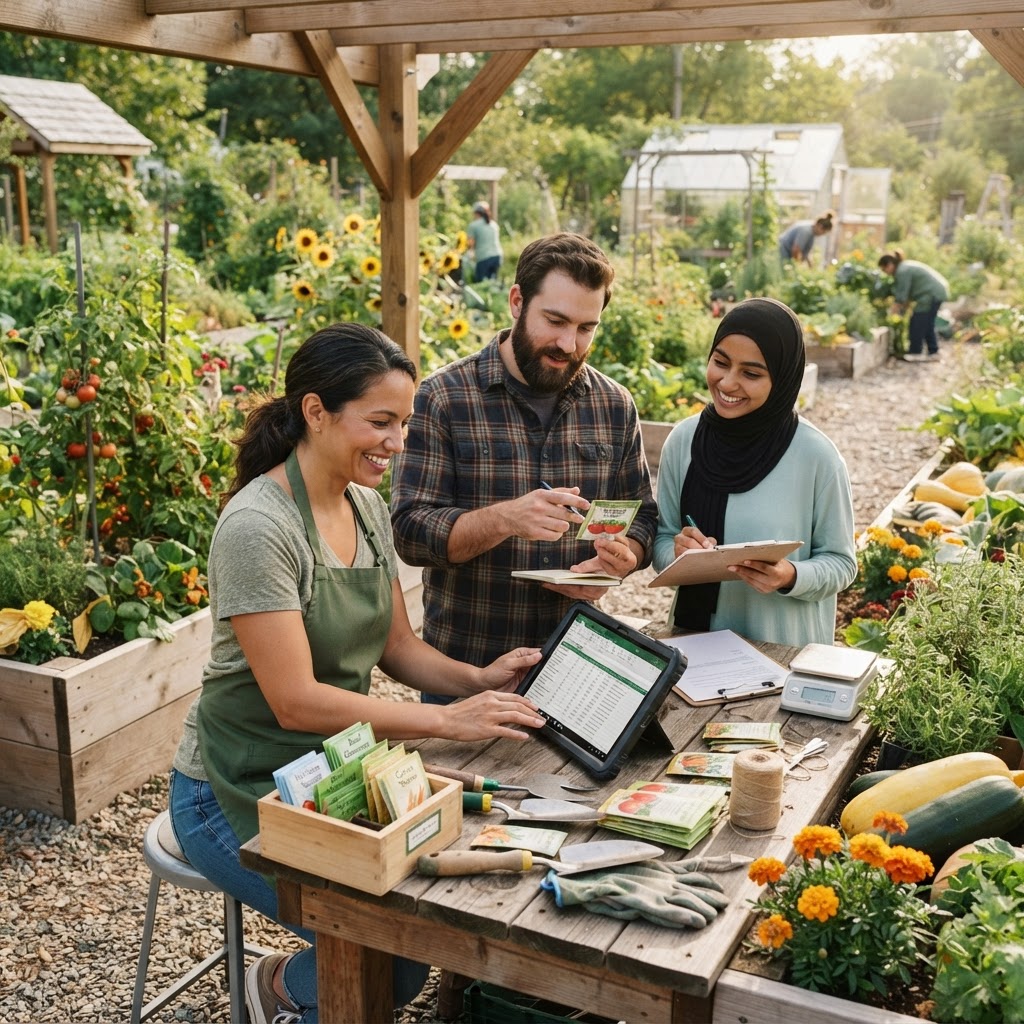
A lightweight tracking system helps coordinators monitor the program's health without creating excessive paperwork. A shared spreadsheet tracking pairings, check-in dates, and any notable concerns is usually sufficient. Encourage brief, informal notes after meetings rather than detailed reports.
Matching Mentors with New Members
A thoughtful matching process dramatically increases the odds of a successful pairing. Poor matches — where personalities clash or schedules don't align — can undermine even the best-structured program.
Factors to Consider When Matching
- Scheduling compatibility: A mentor who gardens on weekday mornings and a new member who can only visit on weekend afternoons will rarely connect
- Plot proximity: Mentors whose plots are near their mentee's plot can more easily demonstrate techniques in context
- Shared gardening interests: A mentor passionate about growing vegetables may not be the best match for a new member who wants to focus on flowers and pollinators
- Communication style and personality: Where possible, consider whether personalities seem complementary based on conversations or onboarding forms
- Language preferences: In diverse communities, matching based on shared language can remove a significant barrier to learning
Using an Intake Form
Create a simple intake form for both mentors and new members. Ask about availability, gardening experience and goals, preferred communication methods, and any specific interests or concerns. This information becomes your matching toolkit.
Don't aim for perfection — aim for compatibility. Sometimes the best pairings emerge from unexpected combinations. Build in an early check-in (around week three or four) where both parties can flag any concerns, and be willing to adjust pairings when necessary without making either person feel they've failed.
Running Effective Mentorship Sessions
Even the most willing mentor can struggle to structure a useful session if they haven't been given any guidance. Offer a brief mentor orientation — even a one-hour group meeting — before the season begins. Cover topics like:
- How to gauge a new member's existing knowledge without making them feel inadequate
- How to give demonstrations rather than just verbal instructions
- How to encourage questions and normalize beginner uncertainty
- How to handle situations where they don't know the answer (hint: look it up together)
- When and how to loop in garden coordinators if problems arise
Provide mentors with a seasonal topic guide — a loose curriculum of subjects that naturally align with the growing calendar. For example: soil preparation and planting in spring, watering and pest management in summer, harvesting and composting in late season. This gives structure without being prescriptive.
Common Mistakes to Avoid
Even well-intentioned programs stumble when certain pitfalls aren't anticipated. Here are the most common ones and how to sidestep them.
Overloading mentors with too many mentees. One experienced gardener cannot effectively guide four or five new members simultaneously. Keep pairings to one mentor per one or two new members maximum.
Failing to set expectations upfront. If mentors don't know what's expected of them and new members don't know what support they can expect to receive, the relationship will flounder. Document the expectations clearly and review them at the program kickoff.
Treating mentorship as a one-time orientation. A single walk-through at the beginning of the season is not mentorship — it's orientation. True mentorship requires ongoing, evolving support throughout the growing season.
Neglecting mentor support. Mentors need support too. Create a space — even a simple group chat or occasional coordinator check-in — where mentors can share challenges, ask questions, and feel appreciated. Isolated mentors burn out faster.
Ignoring cultural and social dynamics. In diverse community gardens, differences in cultural gardening practices, language, and social norms can create unexpected friction. Train mentors to approach these differences with curiosity and respect rather than defaulting to a single "right way" to garden.
Skipping the feedback loop. Without collecting feedback from both mentors and new members, you'll repeat the same problems season after season. Build in a simple end-of-season survey to learn what worked and what didn't.
Tips for Success
These actionable strategies will help your program move from good to genuinely great.
Start small and scale thoughtfully. If you're launching a new program, pilot it with a handful of pairings in your first season. Learn what works before expanding. A small, excellent program beats a large, chaotic one.
Celebrate and highlight the program publicly. Share mentorship stories in your garden newsletter, on a community bulletin board, or at seasonal events. Public recognition builds program culture and attracts future mentors.
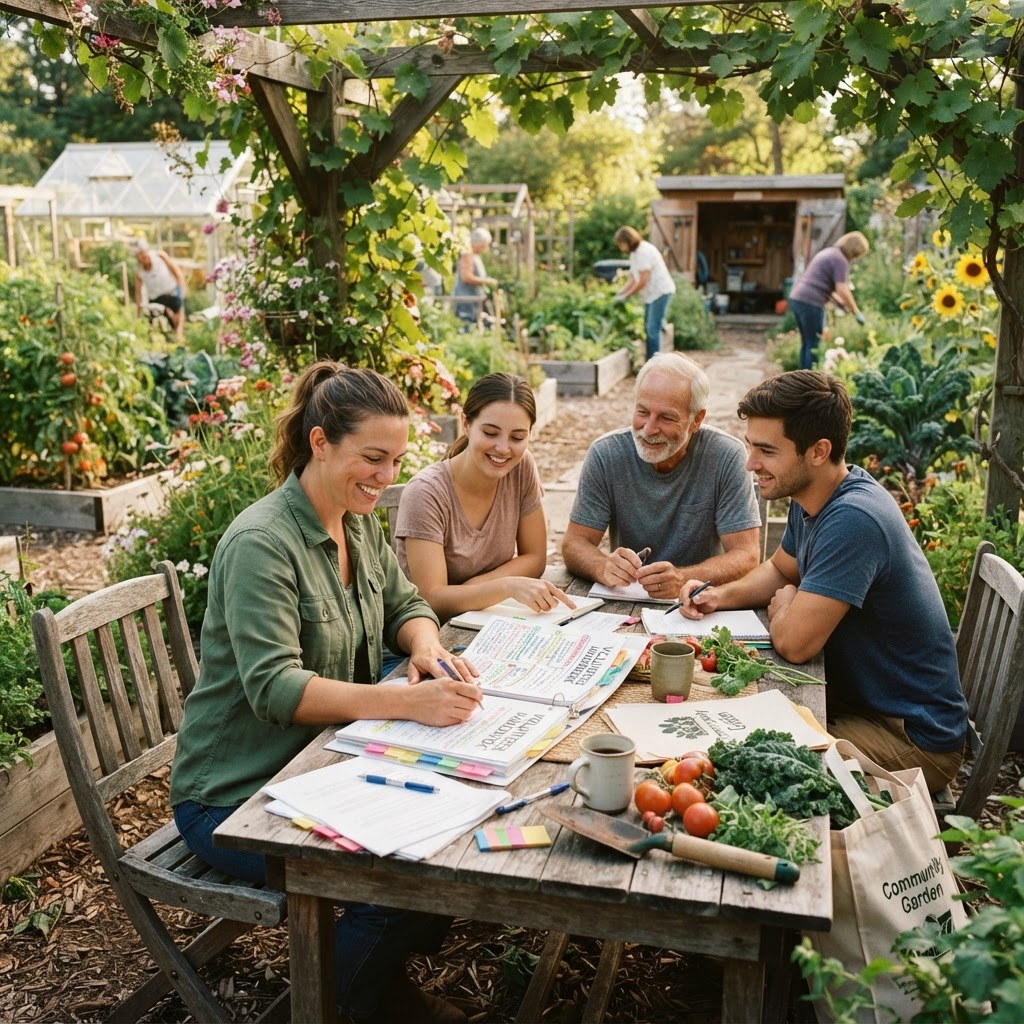
Create a mentorship resource library. Compile practical guides, planting calendars, pest identification charts, and community-specific information into a simple folder or binder that mentors can share with new members. This saves time and ensures consistency.
Host group learning events alongside one-on-one pairings. Monthly or bimonthly group workshops on specific topics — composting, seed saving, watering systems — create opportunities for new members to learn from multiple experienced gardeners simultaneously and build broader community connections.
Build in a milestone moment. A mid-season gathering specifically for mentors and their mentees creates a natural touchpoint for reflection, celebration, and community building. It also signals that the garden leadership values and supports the program.
Encourage mentees to become future mentors. Plant the seed early that the mentorship cycle continues. When new members know they may someday guide others, they pay more attention and feel more purposeful in their learning.
Stay flexible. Life happens. Schedules shift, plots change hands, and personalities sometimes don't click despite your best matching efforts. A program that handles these realities gracefully — without blame or rigidity — will earn lasting trust from its participants.
Conclusion
A garden mentorship program is one of the most meaningful investments a community garden can make. It accelerates learning, reduces plot abandonment, builds authentic relationships, and cultivates the kind of community culture where people show up — not just for their plants, but for each other.
The best programs aren't the most elaborate ones. They're the ones built on genuine human connection, supported by clear expectations, and maintained with consistent care. Start with what you have, learn as you grow, and let your garden's unique community shape the program over time.
When an experienced gardener crouches beside a nervous newcomer and says, "Here, let me show you" — that simple moment is the whole point. Build a program worthy of it.