Community gardens are vibrant, life-giving spaces where neighbors come together to grow food, build friendships, and strengthen local ties. But whenever people share resources, space, and responsibility, disagreements are inevitable. Whether it's a squabble over water access, concerns about plot maintenance, or tension around shared tool usage, conflict is a natural part of communal living — and managing it well can make or break your garden community.
The good news is that most community garden disputes are resolvable with the right tools, a calm mindset, and a commitment to fairness. This guide walks you through practical, proven mediation techniques designed specifically for the community garden setting, helping you navigate friction with grace and keep your garden thriving.
Getting Started
Before diving into specific techniques, it's worth acknowledging something important: conflict mediation is a skill, and like gardening itself, it improves with practice and patience. You don't need to be a professional mediator or have a law degree to help resolve disputes in your community garden. What you do need is a genuine desire to listen, a commitment to fairness, and a basic framework to guide the process.
Mediation in the community garden context means helping two or more parties work through a disagreement in a structured, respectful way — often with the help of a neutral third party. The goal isn't to declare a winner or assign blame. The goal is to restore harmony, preserve relationships, and find a solution everyone can live with.
If you're a garden coordinator, plot leader, or simply a community member who wants to help when tensions rise, this guide is for you. Start by familiarizing yourself with the principles and steps outlined here, and consider sharing this knowledge with your broader garden community so everyone understands what to expect when conflicts arise.
Understanding Why Garden Conflicts Happen
To mediate effectively, it helps to understand the most common sources of garden disputes. Most conflicts fall into a handful of categories:
Space and boundary issues — Disputes about plot borders, creeping plants, overhanging branches, or the encroachment of structures like trellises and stakes into neighboring plots are among the most frequent sources of friction.
Shared resource access — Water schedules, hose usage, tool borrowing, and composting responsibilities can all generate frustration, especially in busy growing seasons when resources feel scarce.
Maintenance and community standards — Overgrown plots, persistent weeds that spread to neighboring beds, or failure to keep up with communal work days can create resentment among dedicated gardeners.
Communication breakdowns — Many conflicts escalate not because of the original issue, but because someone felt ignored, dismissed, or spoken to disrespectfully. Poor communication is often the real problem.
Rule ambiguity — When garden policies aren't clearly written or consistently enforced, gardeners may have genuinely different understandings of what's allowed, leading to honest but heated disagreements.
Understanding the root cause of a conflict is the first step toward resolving it effectively.
Core Principles of Effective Mediation
Regardless of the specific technique you use, successful mediation rests on a few foundational principles. Keep these in mind throughout any dispute resolution process.
Neutrality
A mediator must not take sides, even if they have a personal opinion about who is "right." If you're serving as a mediator, your role is to facilitate the process — not to judge. If you feel you can't remain neutral because of personal relationships or strong opinions, it's better to ask someone else to step in.
Confidentiality
What's discussed during mediation should stay within the mediation process. People need to feel safe expressing their frustrations without fear that their words will be gossiped about or used against them later. Establish confidentiality expectations clearly at the start.
Voluntary Participation
Mediation works best when both parties genuinely want to resolve the issue. While you can encourage participation, you can't force someone to engage in good faith. Sometimes a party needs a cooling-off period before they're ready to sit down and talk.
Focus on Interests, Not Positions
This is one of the most powerful shifts in mediation thinking. A "position" is what someone says they want. An "interest" is why they want it. For example, a gardener's position might be "I want the tomato trellis removed." Their underlying interest might be "I want enough sunlight to reach my plot." Understanding interests opens up more creative solutions than arguing over positions ever will.
Step-by-Step Mediation Techniques
Step 1: Create a Safe Space for Dialogue
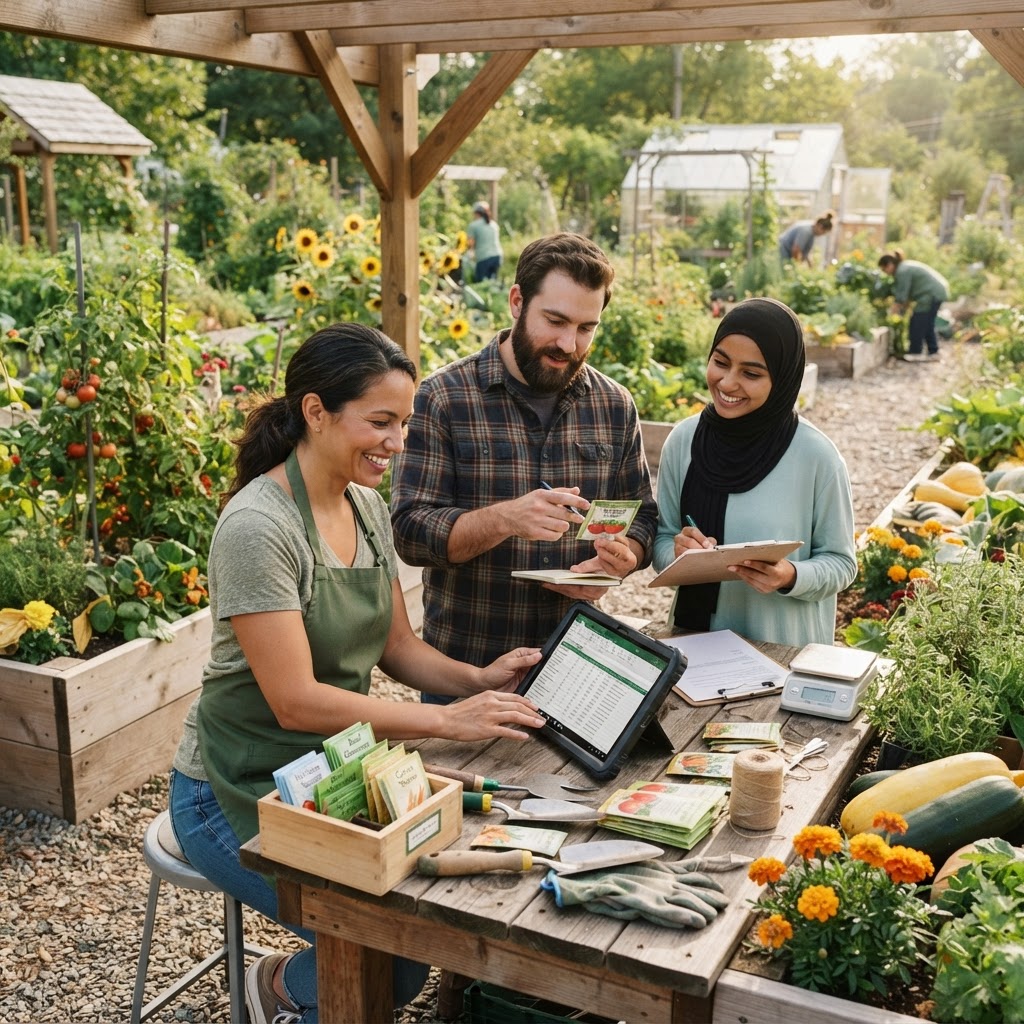
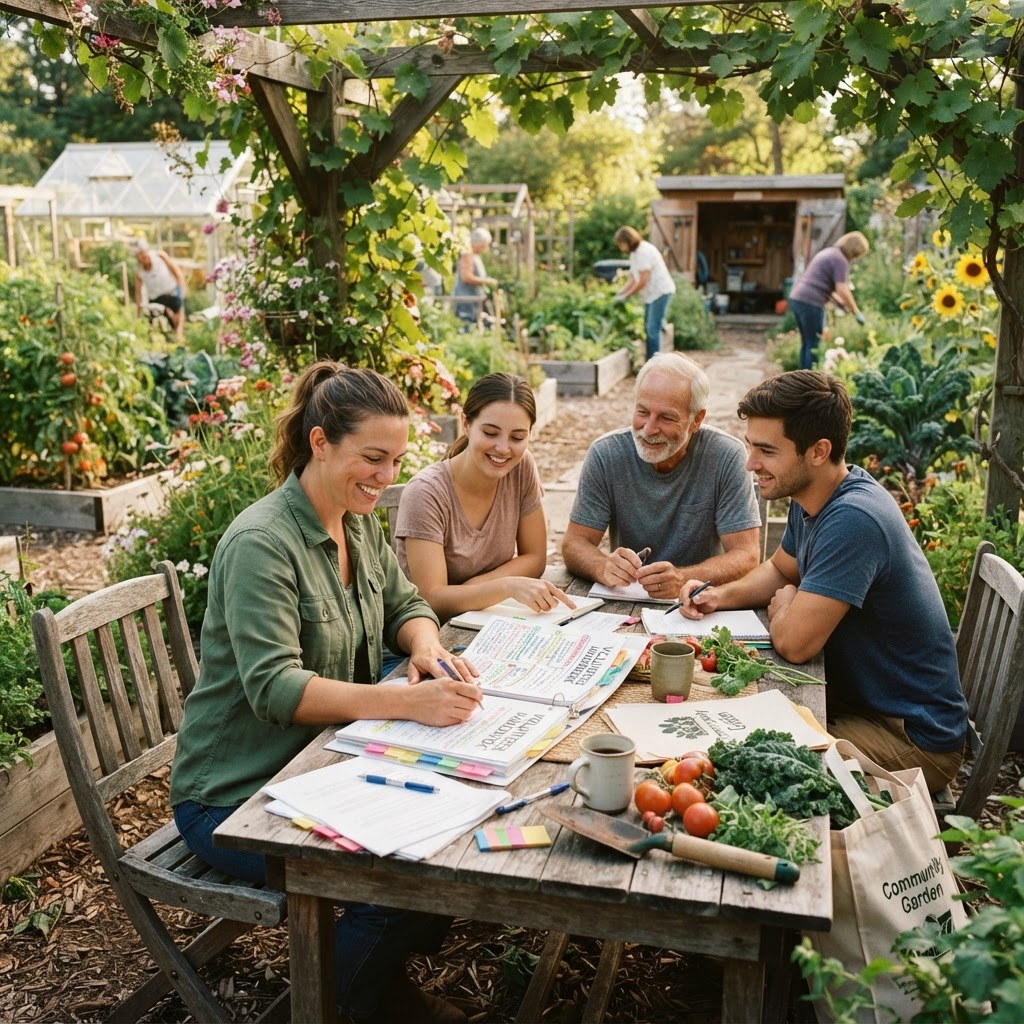
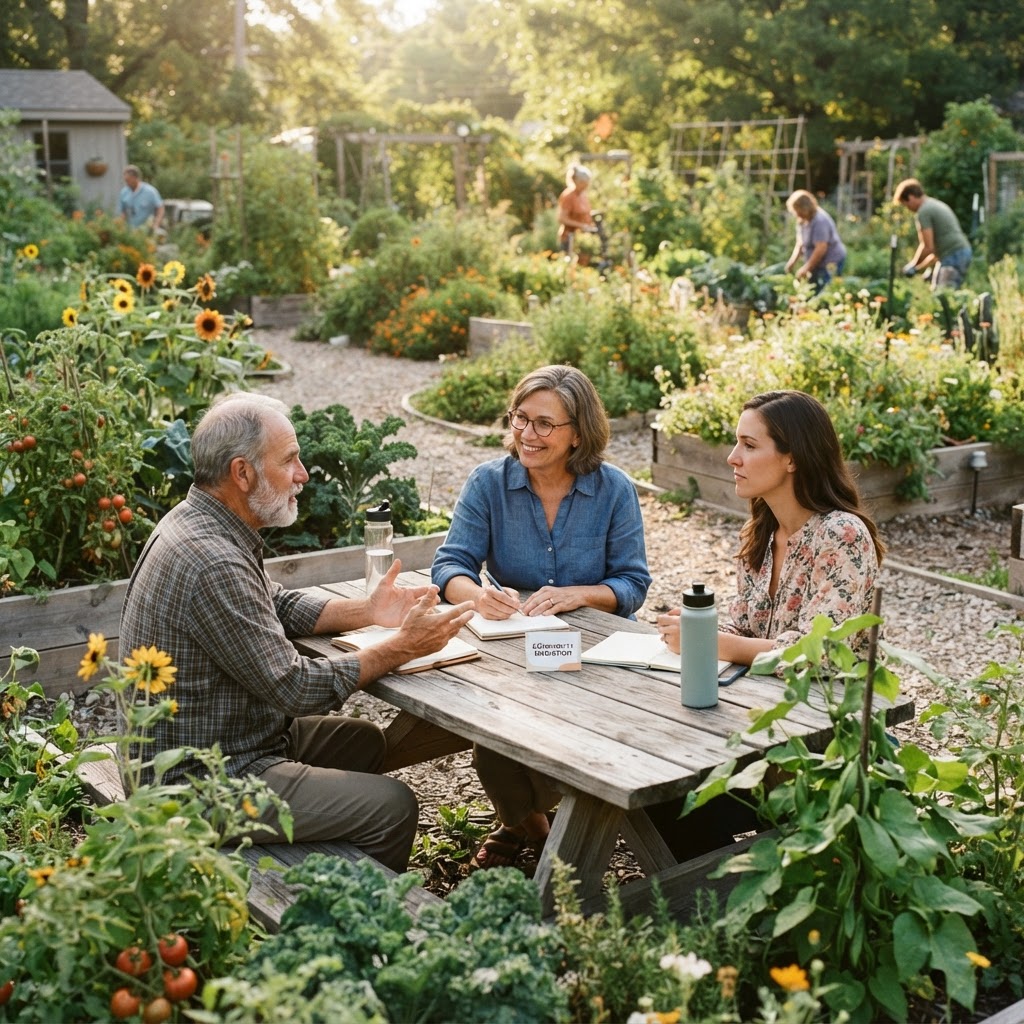
Before any conversation begins, set the stage for productive communication. Choose a neutral, comfortable location — a picnic table in the common area works well. Agree on ground rules: each person speaks without interruption, respectful language is required, and the goal is resolution, not victory.
If the conflict is heated, consider holding a brief individual conversation with each party before bringing them together. This allows people to vent frustrations privately and come to the group session with a calmer mindset.
Step 2: Allow Each Party to Share Their Perspective
Give each person uninterrupted time to explain their experience and feelings. A helpful prompt is: "Tell me what's been happening from your point of view." Encourage specifics — concrete examples are more useful than general accusations.
While one person speaks, the other listens. The mediator takes brief notes and resists the urge to immediately problem-solve. The act of being genuinely heard is itself powerful and often de-escalates tension significantly.
Step 3: Reflect and Validate
After each person shares, reflect back what you heard without judgment. This isn't about agreeing — it's about demonstrating understanding. You might say: "So it sounds like you felt your plot boundaries weren't being respected, and that's been really frustrating for you. Is that right?"
Validation doesn't mean you're taking sides. It means you're confirming that the person's experience has been understood. This simple step can transform the emotional temperature of a conversation.
Step 4: Identify Shared Interests and Goals
Once both parties have been heard, guide the conversation toward common ground. In nearly every garden dispute, there are shared interests lurking beneath the disagreement. Both parties want a pleasant garden experience. Both want fair access to resources. Both want their effort to be respected.
Ask questions like: "What would a fair solution look like to you?" or "What outcome would allow you both to feel good about your shared space?" Help participants see that they're not adversaries — they're neighbors with the same fundamental goals.
Step 5: Brainstorm Solutions Together
Invite both parties to propose possible solutions. Don't evaluate options during the brainstorm phase — just generate ideas. This collaborative approach builds ownership over the eventual outcome. Someone is much more likely to follow through on a solution they helped create than one handed down by an authority figure.
After brainstorming, evaluate each option together. Which solutions are practical? Fair? Sustainable long-term? Narrow down to a mutually acceptable agreement.
Step 6: Document the Agreement
Once an agreement is reached, write it down — even informally. Note what each party agreed to do, any timelines involved, and how compliance will be checked. Both parties should sign or at least verbally confirm their commitment. This creates accountability and gives both sides something concrete to refer back to if questions arise later.
Step 7: Follow Up
Check in with both parties a few weeks after the mediation to see how things are going. Did the agreement hold? Are there any lingering concerns? A brief follow-up signals that the garden community takes these matters seriously and genuinely cares about long-term resolution.
Establishing Preventative Structures
The best conflict is the one that never fully ignites. Many garden disputes can be prevented or contained early through smart organizational practices.
Written Garden Policies — Every community garden should have a clear, accessible document outlining rules for plot maintenance, water usage, tool borrowing, noise, pets, pesticide use, and community responsibilities. Review and update policies annually with input from members.
Defined Conflict Resolution Process — Let members know upfront what to do if they have a problem. Is there a designated conflict resolution committee? A specific coordinator to contact? A written complaint process? Having a clear pathway reduces the anxiety around raising concerns and prevents issues from festering.
Regular Community Meetings — Scheduled meetings give members a structured space to raise concerns before they become full-blown conflicts. Even a brief monthly check-in can surface small irritations before they grow.
Welcome Orientations — New members who understand garden norms and expectations from the start are less likely to accidentally create friction. A short orientation session goes a long way.
Plot Neighbor Introductions — Encouraging gardeners to meet their plot neighbors early in the season builds social connection that makes conflict less likely and easier to resolve when it does occur.
Common Mistakes to Avoid
Even well-intentioned mediators and garden leaders can fall into traps that make conflicts worse. Watch out for these common pitfalls:
Waiting too long to intervene. Small disputes have a tendency to snowball when ignored. If you notice tension between members, address it early rather than hoping it resolves itself.
Taking sides publicly. Nothing damages trust in the mediation process faster than a mediator who appears biased. Even casual comments like "I can see why you'd be frustrated" directed to only one party can seem like favoritism.
Jumping to solutions too quickly. It's tempting to fix the problem fast, but rushing past the listening and validation phase often means the underlying feelings haven't been addressed — and the conflict resurfaces.
Using the group meeting as a tribunal. Bringing a dispute to a general garden meeting without preparation can humiliate the parties involved and turn the community against someone. Address interpersonal conflicts privately first.
Relying solely on written rules. Rules are important, but rigid rule enforcement without empathy rarely produces lasting resolution. Rules provide a framework; human connection is what truly heals community rifts.
Forgetting to follow up. Resolving a conflict and then forgetting about it can allow old tensions to quietly rebuild. A brief follow-up shows you care and catches new problems early.
Tips for Success
Here are some actionable practices to make conflict mediation more effective in your community garden:
-
Build your listening skills. Genuinely listening — not just waiting for your turn to speak — is the single most powerful mediation tool available to you. Practice active listening in everyday conversations.
-
Stay calm yourself. As a mediator, your composure sets the tone. If you remain steady and measured, it helps others regulate their own emotions.
-
Use "I" language. Encourage conflicting parties to frame concerns in terms of their own experience ("I felt frustrated when...") rather than accusations ("You always..."). This small shift dramatically reduces defensiveness.
-
Separate the behavior from the person. Help gardeners critique specific actions rather than attacking character. "The tomatoes shading my plot is a problem I'd like to solve" lands very differently than "You're selfish and inconsiderate."
-
Bring in outside help when needed. Some disputes require a professional mediator, especially if they involve deep personal animosity or community-wide division. Many communities offer free or low-cost mediation services. Don't hesitate to access those resources.
-
Celebrate resolved conflicts. When two gardeners work through a difficult issue and move forward productively, acknowledge it. Normalizing conflict resolution as a positive skill builds a more resilient community culture.
-
Make policies collaborative. Rules that members help create are rules members are more likely to follow. Involve your garden community in policy-making to build shared ownership.
Conclusion
Conflict in a community garden isn't a sign of failure — it's a sign that real people with real needs are sharing a real space. What matters is how your community responds. With the right mediation techniques, a commitment to listening, and clear organizational structures, even difficult disputes can become opportunities to deepen trust and strengthen community bonds.
Think of conflict resolution as another form of garden maintenance. Just as you pull weeds before they take over a bed, you address tension before it overtakes relationships. The garden is healthiest when every member feels heard, respected, and part of a community that takes their experience seriously.
The skills you build in mediating garden disputes — empathy, active listening, creative problem-solving, and neutral facilitation — are skills that will serve you well far beyond the garden gate. Start practicing them now, and watch your community grow stronger with every season.