Healthy soil is the foundation of every thriving community garden. Whether your plot produces tomatoes, herbs, leafy greens, or root vegetables, the quality of your harvests depends heavily on what's happening beneath the surface. Bulk organic fertilizer is one of the most effective and affordable ways to nourish your soil at scale — and when applied correctly, it can transform depleted ground into a rich, living ecosystem that supports abundant growth season after season.
This guide is designed to help community gardeners at every skill level understand the what, why, and how of bulk organic fertilizer application. From choosing the right product to avoiding common pitfalls, you'll find everything you need to make informed, confident decisions for your shared growing space.
Getting Started
Before hauling in a truckload of compost or blood meal, it's worth taking a few preparatory steps. Jumping straight into fertilizer application without understanding your soil's current condition is one of the most common mistakes new community gardeners make. A little preparation goes a long way.
Test your soil first. A basic soil test tells you your current pH level, nutrient profile, and organic matter content. Most cooperative extension offices and garden centers offer affordable test kits, and some even provide mail-in laboratory services. Knowing what your soil already contains prevents over-application and saves money.
Understand your plot size. Community plots vary widely in size, from small raised beds to large shared growing areas. Measure your plot accurately before calculating how much fertilizer you'll need. Bulk fertilizer is typically sold by the cubic yard or by weight, so having your measurements ready will help you order the correct amount.
Talk to your garden coordinator. Many community gardens have rules around fertilizer use, especially regarding synthetic products. Confirming that organic fertilizers are permitted — and understanding any shared ordering systems your garden may use — will help you avoid misunderstandings and potentially save money through group purchasing.
Set a budget. Bulk organic fertilizer is generally more cost-effective per unit than bagged products, but upfront costs can be significant. Planning your purchases around the growing season and splitting costs with neighboring plot holders can make bulk buying even more economical.
Understanding Bulk Organic Fertilizers
Organic fertilizers are derived from natural sources — plant material, animal byproducts, or mineral deposits — as opposed to synthetic fertilizers, which are manufactured through chemical processes. The core difference is not just in origin but in how they work.
Synthetic fertilizers deliver nutrients directly and quickly, but they do little to improve soil structure and can, over time, reduce microbial diversity. Organic fertilizers, by contrast, feed the soil ecosystem as well as the plants. They release nutrients more slowly as they break down, which means there's less risk of burning plants and nutrients are available over a longer period.
For community gardens, organic options are especially valuable because they're safer for children, pets, and the diverse range of people who share the space. They also align with sustainable growing practices that many community garden programs prioritize.
What "Bulk" Really Means
When we talk about bulk fertilizer, we're referring to large, unpackaged quantities purchased directly from suppliers, farms, or composting facilities — rather than the small bags you'd find on a retail shelf. Buying in bulk typically reduces the cost per unit significantly, making it practical for covering larger areas or splitting among multiple plot holders.
Types of Bulk Organic Fertilizers
Not all organic fertilizers are the same. Each type has a different nutrient profile, application rate, and best use case. Here's a breakdown of the most commonly available options for community plots.
Compost
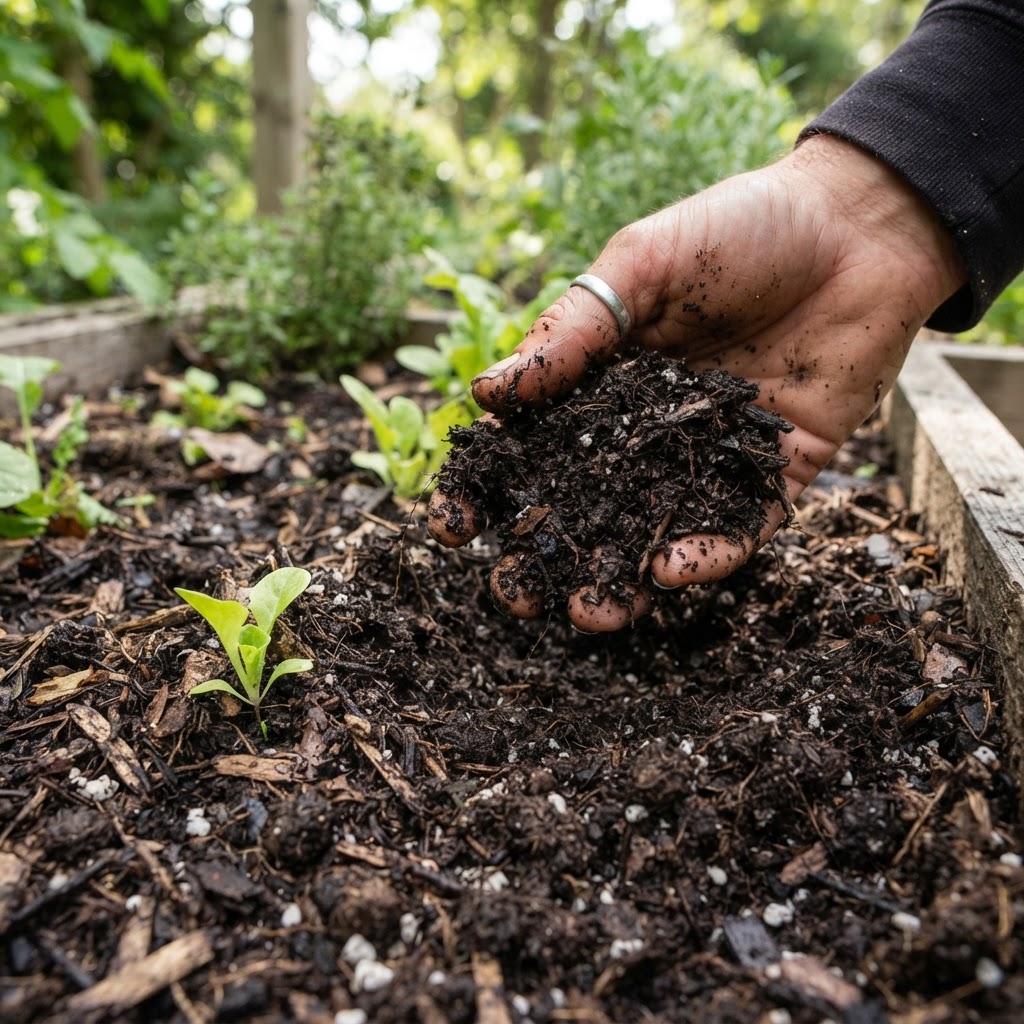
Compost is the most versatile and widely used organic soil amendment. Made from decomposed plant and food scraps, compost improves soil structure, boosts microbial life, and provides a gentle, balanced range of nutrients. It's ideal as a general soil conditioner and can be applied liberally without risk of burning plants. Most community gardens can benefit from regular compost applications, especially in plots that have been heavily cultivated.
Aged Manure
Animal manure — from cows, horses, chickens, or sheep — is another excellent bulk organic option. It's rich in nitrogen, phosphorus, and potassium, the three primary macronutrients plants need. The key word here is aged. Fresh manure can burn plants and may contain harmful bacteria, so always look for manure that has been composted or aged for at least six months. Chicken manure is particularly high in nitrogen and should be applied more sparingly than cow or horse manure.
Worm Castings
Worm castings (vermicompost) are among the richest organic soil amendments available. While typically more expensive than compost or manure, they're exceptionally nutrient-dense and can be used in smaller quantities. They're particularly beneficial for raised beds and plots focused on high-value crops like herbs and salad greens.
Green Manure / Cover Crop Material
Some gardeners incorporate freshly cut green manure crops — such as clover, rye, or vetch — directly into the soil. These are often grown on-site or sourced from nearby farms in bulk and tilled into the ground where they decompose and release nitrogen. This approach works especially well as an off-season soil improvement strategy.
Kelp Meal and Bone Meal
These concentrated organic fertilizers are available in bulk and serve more specific nutritional roles. Kelp meal is an excellent source of micronutrients and trace minerals. Bone meal is high in phosphorus and calcium, making it useful for root development and fruiting crops. They're typically used as supplements alongside a base amendment like compost rather than as standalone fertilizers.
How to Apply Bulk Organic Fertilizer to Community Plots
Application method matters just as much as the product you choose. Incorrect application — too much, too little, or at the wrong depth — can undermine your efforts.
Top Dressing
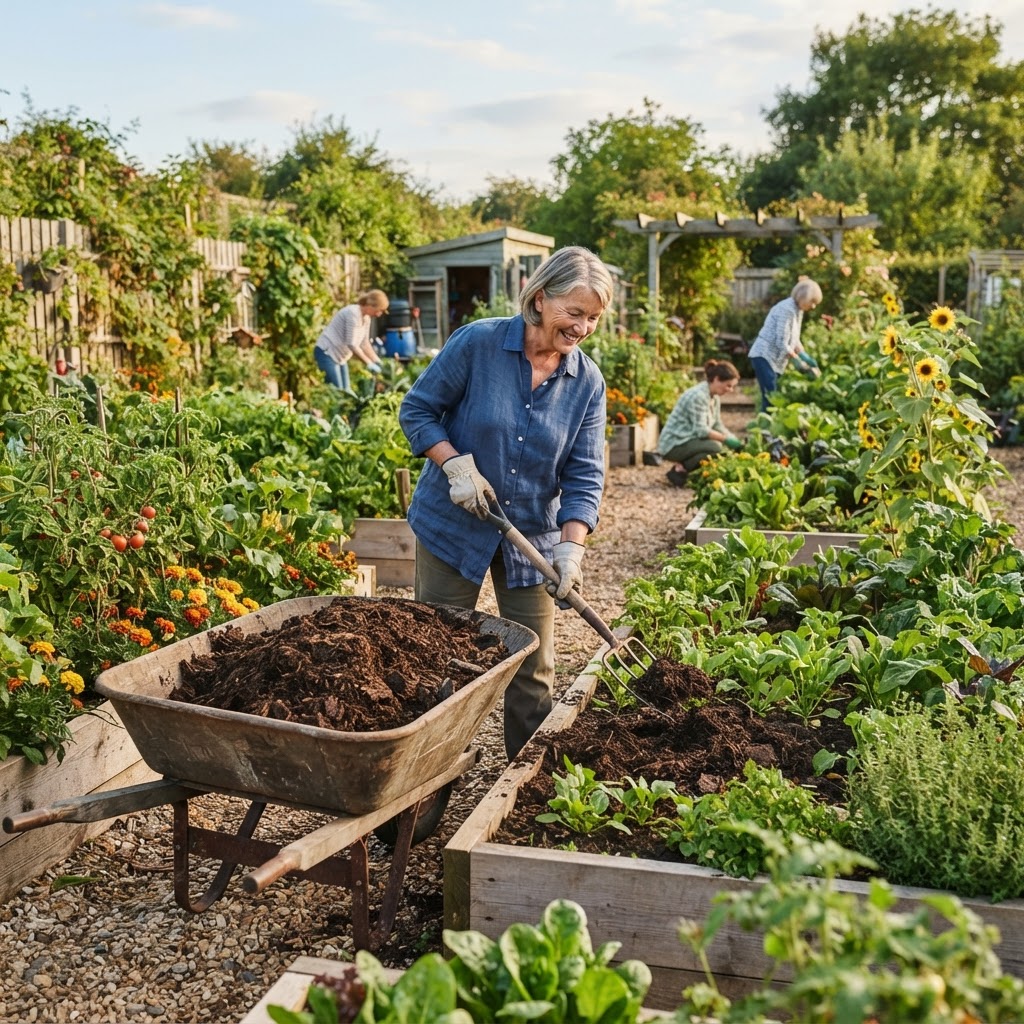
Top dressing involves spreading a layer of compost or aged manure across the soil surface without digging it in. This method is gentle, non-disruptive, and ideal for established plots where plant roots are already in the ground. A layer of two to three inches is generally sufficient. Over time, rain and earthworm activity naturally incorporate the material into the soil.
Incorporation
For new plots or plots being prepared for a new season, incorporating fertilizer by digging it into the top eight to twelve inches of soil is highly effective. This ensures nutrients are available at root depth right away. Use a garden fork, broadfork, or tiller (if plot size warrants it) to work the material in evenly.
Side Dressing
Side dressing means applying fertilizer in a narrow band alongside established plants, away from stems and leaves. This is particularly useful mid-season when plants need a nutritional boost. Use compost or a balanced organic fertilizer blend and water in well after application.
Timing Your Applications
Getting your timing right makes a meaningful difference in how well your fertilizer performs.
Pre-season application is the most common approach. Applying bulk compost or aged manure in late winter or early spring — several weeks before planting — gives the material time to begin breaking down and integrating into the soil. This is also the best time to conduct a soil test and adjust your application rates accordingly.
Fall application is another excellent strategy, particularly for heavier materials like manure. Applying in autumn gives the material the entire winter to break down, so it's fully available by the time spring planting arrives. It also reduces the spring workload, which is especially helpful in shared community gardens where scheduling can be challenging.
Mid-season feeding is useful for heavy feeders like tomatoes, squash, and brassicas. A light top dressing or side dressing of compost around six to eight weeks into the growing season can help maintain nutrient levels during peak growth periods.
Coordinating with Fellow Gardeners
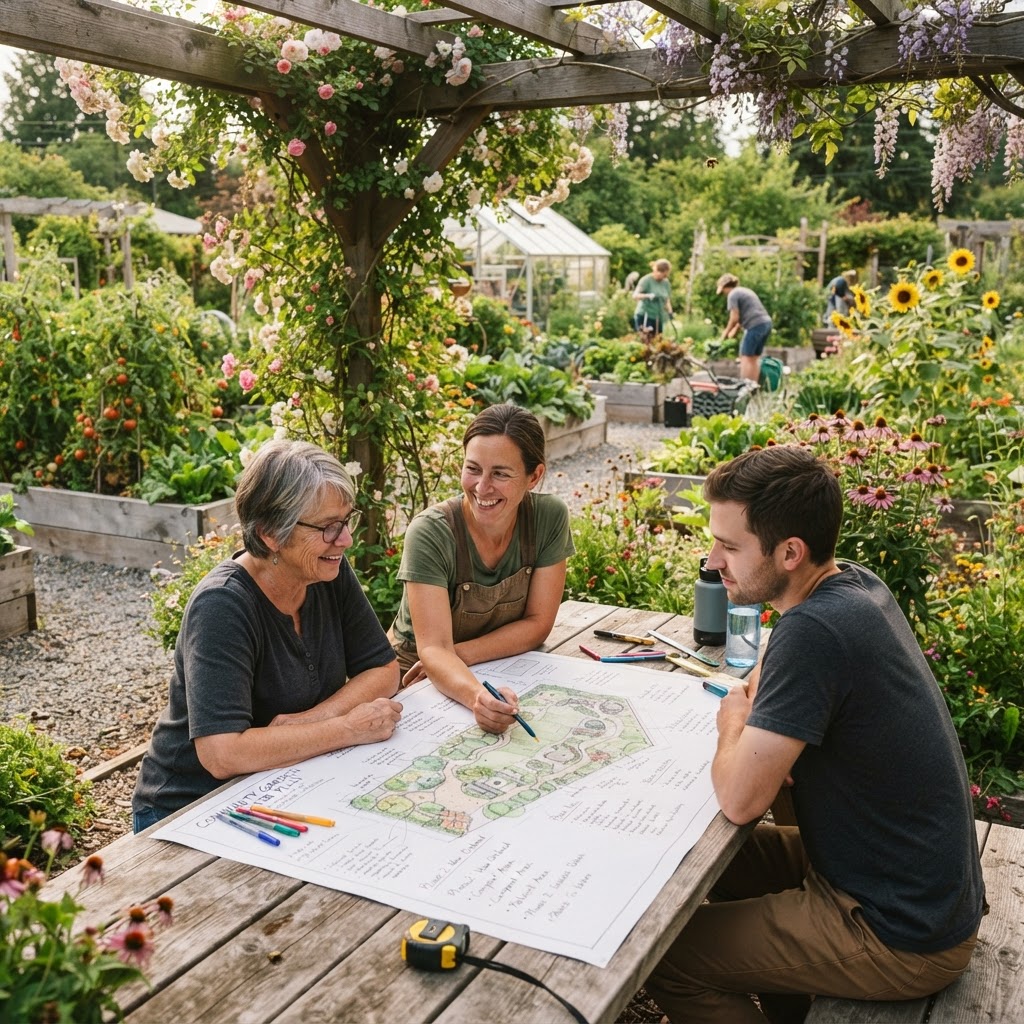
One of the unique advantages — and occasional challenges — of community gardening is the shared nature of the space. Bulk fertilizer purchases offer a prime opportunity for collaboration.
Group buying reduces costs. If multiple plot holders coordinate a single bulk order from a local composting facility or supplier, everyone benefits from a lower per-unit price and reduced delivery costs. Designate one person to handle logistics, and collect payment upfront to keep things smooth.
Agree on application schedules. In community gardens with shared beds or adjacent plots, it's courteous and practical to communicate about fertilizer applications. Strong-smelling materials like fresh compost or manure can be unpleasant for neighbors, so planning applications on agreed-upon days keeps the peace.
Label and store materials properly. If your community garden has shared storage, clearly label bulk materials and note who they belong to. Many misunderstandings in community gardens arise from miscommunication around shared supplies.
Common Mistakes to Avoid
Even well-intentioned gardeners can make errors when working with bulk organic fertilizers. Here are the most common pitfalls to watch for.
Over-application. More is not always better. Applying excessive amounts of compost or manure can throw off your soil's nutrient balance, leading to overly lush foliage at the expense of fruit production. Stick to recommended rates based on your soil test results.
Using fresh manure. As mentioned earlier, fresh manure is a recipe for trouble. It can burn plants, introduce pathogens, and create nutrient imbalances. Always use aged or composted manure.
Ignoring soil pH. Organic fertilizers work best within a certain pH range. If your soil is too acidic or too alkaline, nutrients become locked up and unavailable to plants regardless of how much fertilizer you apply. Test and adjust pH before fertilizing.
Applying too close to planting time. Bulk organic materials need time to settle and partially break down. Applying heavy amendments the day before you plant can stress young seedlings. Aim for at least two to three weeks between application and planting.
Forgetting to water in. Organic fertilizers need moisture to begin breaking down and releasing nutrients. After application, water your plot thoroughly — or time your applications to coincide with expected rainfall.
Skipping the soil test. This bears repeating. Guessing at what your soil needs is an inefficient and potentially costly mistake. A soil test takes the guesswork out of the equation entirely.
Tips for Success
With solid fundamentals in place, these actionable tips can help you get the most from your bulk organic fertilizer investment.
- Start with compost as your base amendment. It's the most forgiving, broadly beneficial product available and a great foundation for any plot.
- Rotate your fertilizer types from season to season. Using different organic amendments each year helps maintain a broader range of micronutrients and prevents any one nutrient from building up to excessive levels.
- Keep records. Note what you applied, when, and in what quantity. This simple habit makes year-over-year improvement much easier and helps you spot patterns over time.
- Involve the whole household. If family members or community plot partners are involved in the garden, make sure everyone understands the fertilizer schedule so applications aren't doubled up accidentally.
- Partner with a local farm or composting facility. Many local farms and municipal composting programs are happy to sell bulk material at discounted rates to community gardens. Building an ongoing relationship can mean better prices and priority access.
- Mulch after fertilizing. Adding a layer of mulch over your top-dressed fertilizer helps retain moisture, regulate temperature, and gradually works additional organic matter into the soil.
- Be patient. Organic fertilizers work more slowly than synthetic ones, but the results — improved soil structure, better water retention, and more resilient plants — are worth the wait.
Conclusion
Bulk organic fertilizer application is one of the most impactful investments you can make in your community plot. It nourishes not just your plants, but the entire living soil ecosystem that sustains them. When approached thoughtfully — with proper soil testing, the right product choices, correct application techniques, and good communication with fellow gardeners — it's a practice that pays dividends for years to come.
Community gardening is about more than growing food. It's about building healthy soil, sharing knowledge, and investing in a shared resource that benefits everyone. Whether you're spreading a layer of rich compost before your first spring planting or coordinating a group manure delivery with your fellow plot holders, every shovelful of organic fertilizer is a step toward a more productive, more resilient community garden.
Start small if you need to, ask questions, test your soil, and don't be afraid to lean on the collective knowledge of your fellow gardeners. The best community gardens are built on shared learning — and healthy soil.