Getting Started
Before you write a single word of your impact report, you need to lay some groundwork. The most common mistake garden coordinators make is waiting until the reporting deadline to start gathering information. By that point, key details have been forgotten, photos have been lost, and the momentum of your program's success is hard to reconstruct.
Start tracking from day one. When you receive a grant, immediately set up a simple system for documenting everything the grant touches. This doesn't have to be complicated. A shared folder on a free cloud storage service, a simple spreadsheet, and a notebook at the garden can go a long way.
Here's what to begin tracking from the moment you receive funding:
- Attendance and participation numbers: How many volunteers showed up? How many community members used the garden?
- Harvest data: What did you grow, and in what quantities? Even rough estimates are useful.
- Program activities: Workshops, events, educational sessions, planting days, and clean-up days all count.
- Testimonials and quotes: Ask participants to share their experiences in their own words, and get permission to use them.
- Photos and visual documentation: Before-and-after shots, candid volunteer moments, and harvest celebrations make powerful additions to any report.
- Partnerships formed: Did you connect with schools, food banks, or local businesses?
- Challenges encountered: Funders appreciate honesty about obstacles and what you learned from them.
Think of your impact report as something you're building continuously throughout the grant period, not assembling all at once at the end.
Understanding What Funders Want to See
To write an effective impact report, you need to think like a funder. Foundations and grant-making organizations have their own goals and missions, and they're investing in your garden because they believe it helps advance those goals. Your report needs to speak directly to that relationship.
Most funders are looking for three core things:
Accountability: Did you use the money as you said you would? Did you follow through on the activities and goals outlined in your original grant application? Funders want to know their investment wasn't wasted or misallocated.
Outcomes: What changed because of the funding? This is different from activities. Activities are things you did (hosted a workshop). Outcomes are what resulted from those activities (twenty families learned to compost at home and reduced their household waste).
Sustainability and growth: Will your garden continue to make an impact? Are you building something lasting, or will the project disappear once funding runs out? Recurring funding is more likely to go to organizations that demonstrate they're growing stronger over time.
When you re-read your original grant application, pay close attention to the language used to describe goals and success. Use that same language in your impact report. Funders appreciate when you directly address the promises made at the outset.
Gathering and Documenting Your Data
A strong impact report blends two types of evidence: quantitative data (numbers) and qualitative data (stories and experiences). Both matter, and a report that relies entirely on one type tends to feel incomplete.
Quantitative Data
Numbers give your report credibility and allow funders to understand the scale of your work at a glance. Here are some metrics worth capturing:
- Total pounds of produce harvested
- Number of individual volunteers or participants
- Number of program sessions held
- Number of plots maintained
- Volunteer hours contributed
- Estimated produce donations to local food pantries or community members in need
You don't need to have perfect precision, but your estimates should be grounded in real observation. Keep a simple sign-in sheet at events, weigh harvests with an inexpensive kitchen scale, and log hours using a free volunteer management tool or even a paper log.
Qualitative Data
Numbers tell you how much; stories tell you why it matters. Qualitative evidence brings your garden to life on the page and helps funders connect emotionally with your work.
Collect quotes from volunteers, participants, and community partners throughout the grant period. Ask simple questions like:
- "How has the garden made a difference for you or your family?"
- "What did you learn from participating in this program?"
- "What would be missing from our neighborhood without this garden?"
Brief written reflections or even informal conversations (with permission to be quoted) can generate powerful testimonials. A few genuine, heartfelt sentences from a community member will often resonate more with a funder than a page of statistics.
Structuring Your Impact Report
A clear, readable structure makes your report easy to navigate and shows that you're organized and professional. Here's a format that works well for community garden impact reports:
1. Executive Summary
Open with a brief overview — two to four paragraphs — that captures the highlights of your report. What did you accomplish? What impact did you make? What's next? Many funders will read this section most carefully, so make it compelling.
2. Program Overview
Remind the reader what the grant funded. Briefly describe your garden, your mission, and the specific program or project that received support. This contextualizes everything that follows.
3. Activities and Accomplishments
List the key activities carried out during the grant period. Be specific. Instead of "we hosted gardening workshops," write "we hosted eight hands-on workshops covering seed starting, composting, water conservation, and organic pest management, attended by a combined total of ninety-four community members."
4. Outcomes and Impact
This is the heart of your report. Use your quantitative and qualitative data here. Highlight changes, improvements, and meaningful results. Connect outcomes back to the goals stated in your original grant application.
5. Financial Accounting
Provide a clear breakdown of how you spent the grant funds. Even if a full financial audit isn't required, a simple budget summary showing projected vs. actual spending demonstrates transparency and builds trust.
6. Challenges and Lessons Learned
Be honest about what didn't go as planned. Funders are experienced enough to know that no program runs perfectly. Showing that you can identify challenges, adapt, and learn from them demonstrates organizational maturity.
7. Looking Ahead
End on a forward-looking note. Describe your goals for the upcoming season or year. If you're requesting continued funding, articulate what renewed support would make possible. This section plants the seed (pun intended) for your next grant relationship.
Telling Your Garden's Story Through Numbers and Narratives
One of the most important skills in writing impact reports is learning how to weave data and storytelling together seamlessly. Neither should stand alone.
A strong impact report might describe a harvest figure and then immediately follow it with a quote from a volunteer who grew their first tomato. It might present volunteer hour totals alongside a story about how one participant went from a nervous beginner to teaching their neighbors about companion planting.
Think about your audience. Most grant reviewers read dozens of reports. What will make yours memorable? Authentic stories, vivid details, and specific outcomes grounded in real data will set your report apart from generic write-ups filled with vague language.
Use plain, accessible language. Avoid jargon. Write as if you're telling a knowledgeable friend about the garden's year. If a section feels dry, ask yourself whether a story, photo, or quote could bring it to life.
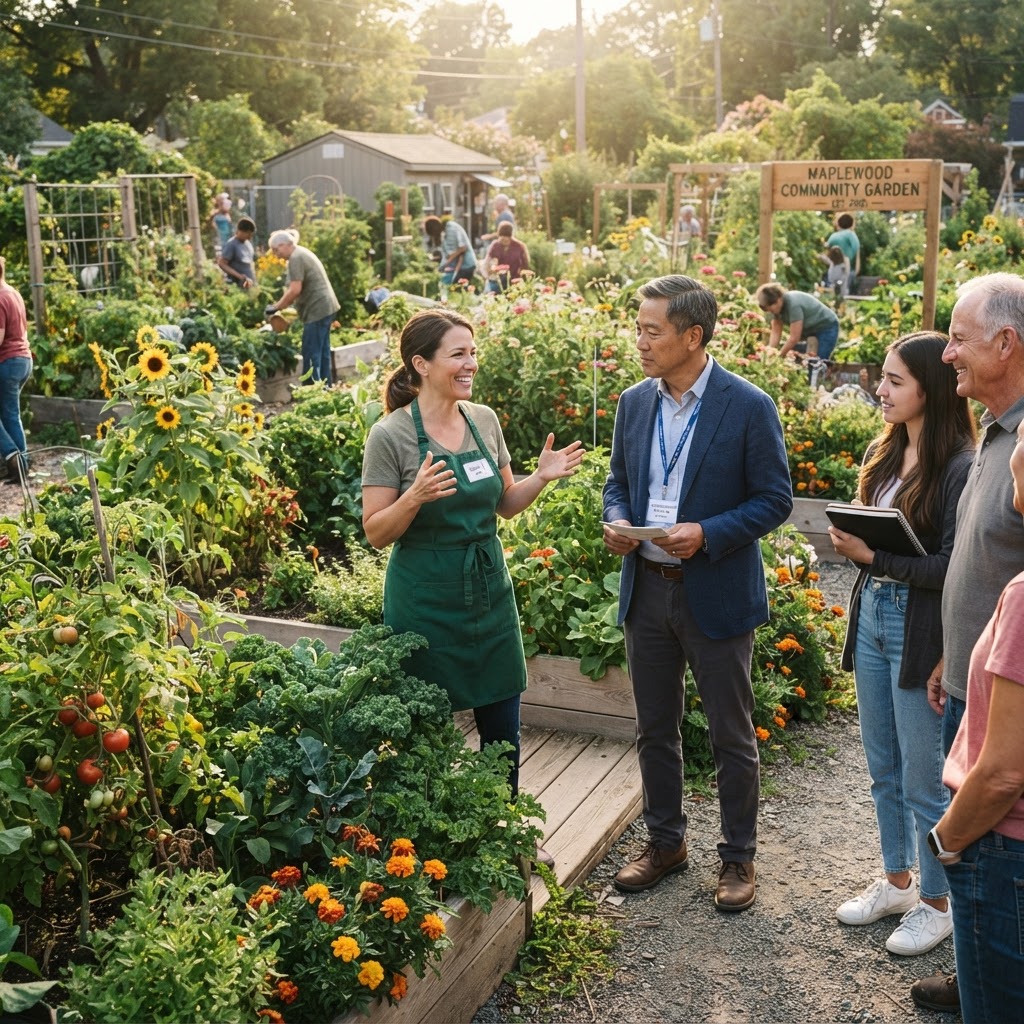
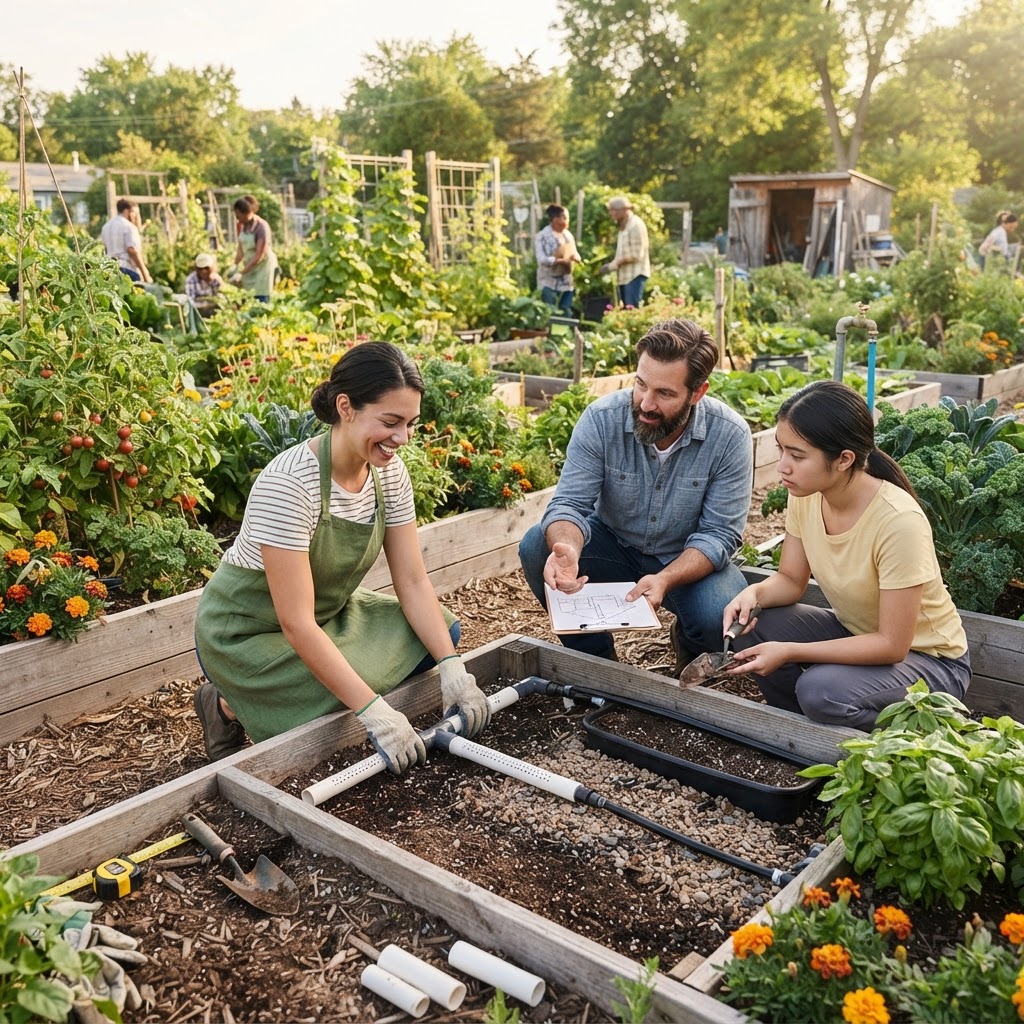
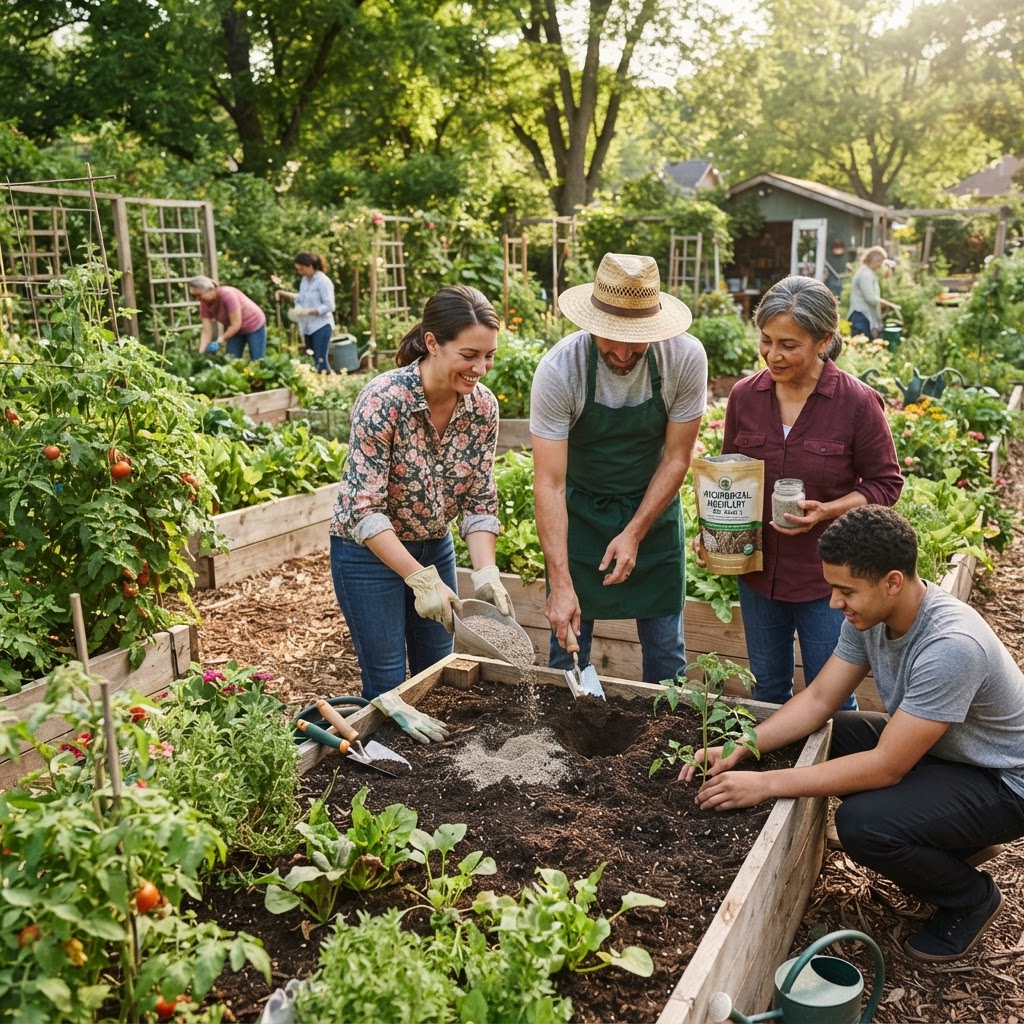
Photos deserve special attention. A well-captioned photograph of a thriving raised bed, a smiling volunteer, or a table of donated produce is worth more than a paragraph of description. Include photos that are clear, well-lit, and genuinely representative of your work.
Common Mistakes to Avoid
Even experienced garden coordinators sometimes fall into patterns that weaken their impact reports. Here are the most common pitfalls to watch out for:
Waiting until the last minute. Rushing a report almost always shows. Data gets estimated carelessly, stories get forgotten, and the final product feels thin. Build your report throughout the grant period.
Reporting activities instead of outcomes. Listing everything you did is not the same as explaining what changed. Always ask yourself: "So what?" after describing any activity.
Ignoring the funder's original priorities. If the grant was focused on food access and your report only talks about beautification, you've missed the point. Stay connected to the funder's stated goals.
Overclaiming. Don't stretch your results beyond what you can reasonably support. Funders appreciate honesty, and exaggerated claims can damage your credibility when they don't match reality in future reports.
Neglecting the financial section. Skipping or glossing over your budget summary raises red flags. Even if your spending varied slightly from projections, explain why. Transparency builds trust.
Missing the deadline. This seems obvious, but late reports can disqualify your garden from future consideration. Treat your reporting deadline as seriously as the grant application deadline.
Generic or impersonal language. Phrases like "the community benefited greatly" say very little. Be specific. Who benefited? How? What did that benefit look like in practice?
Tips for Success
The following practices will significantly improve both the quality of your reports and your relationships with funders over time:
Build a reporting calendar at the start of each grant cycle. Set reminders for data collection milestones, photo documentation days, and your final report deadline. Break the work into smaller tasks spread across the grant period.
Assign a documentation role within your team. If you have volunteers or co-coordinators, designate someone whose job includes taking photos, collecting sign-in sheets, and recording harvest weights. Shared responsibility makes documentation more consistent.
Keep a "story bank." Create a simple document where you paste quotes, write up short anecdotes, and save links to local press coverage as they happen. By reporting time, you'll have a rich collection to draw from.
Communicate with your funder during the grant period. Don't wait until the final report to check in. A brief email update midway through the year shows initiative and helps catch any concerns early. Many funders genuinely appreciate the relationship-building.
Review your previous reports before writing new ones. Look for patterns in what you highlighted, what language you used, and what outcomes you claimed. Your new report should show growth and evolution, not repetition.
Ask a trusted colleague to review your draft. Fresh eyes catch errors, identify confusing sections, and can tell you whether the report's tone feels genuine. Even a brief read-through by someone unfamiliar with your garden can be incredibly valuable.
Express genuine gratitude. Your report is also a thank-you letter. Acknowledge the funder's contribution specifically and authentically. Explain what would not have been possible without their support.
Conclusion
Writing an impact report might not feel as exciting as planting a new bed or hosting a harvest festival, but it is just as essential to your garden's long-term health. A thoughtful, well-documented report closes the loop on one grant cycle and opens the door to the next. It communicates that your garden is trustworthy, effective, and deserving of ongoing investment.
The gardens that consistently secure recurring funding are rarely the ones with the most resources or the biggest footprint. They're the ones that communicate clearly, document honestly, and tell their stories with both evidence and heart.
Start small if you're new to this. Set up a simple documentation system today. Take photos at your next event. Ask a volunteer what the garden means to them and write it down. These small acts of documentation, repeated consistently, will become the foundation of impact reports that not only satisfy your funders but genuinely reflect the difference your garden is making in the world.
Your garden is doing important work. Make sure the people with the power to support it know exactly how important that work is.