Getting Started
Before you reach out to a single business, it's important to lay a solid foundation. Rushing into donation requests without preparation is one of the most common reasons gardening groups hear "no" when they could have heard "yes."
Know What You Actually Need
Start by making a clear, specific list of the supplies your garden needs. Vague requests like "garden stuff" won't inspire confidence in potential donors. Instead, break your needs down into categories:
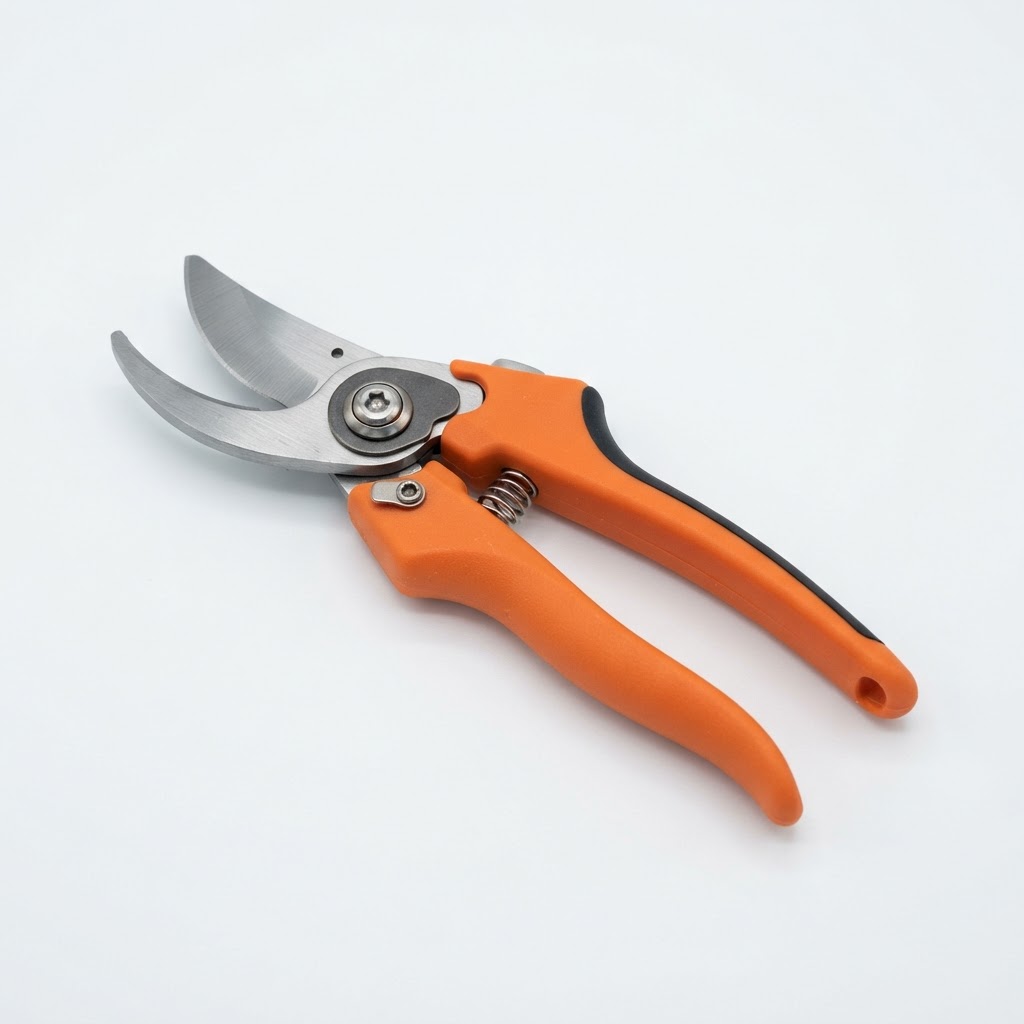
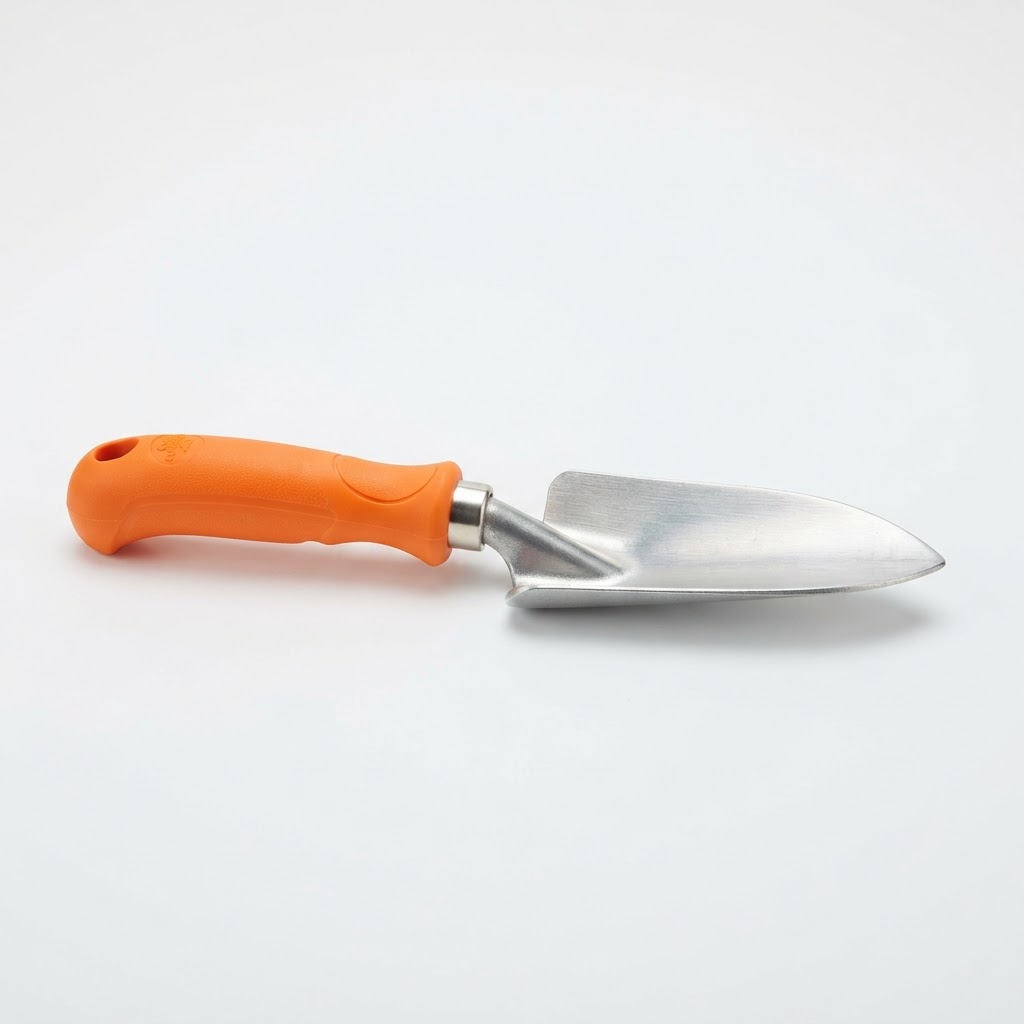
- Tools: shovels, trowels, wheelbarrows, gloves, rakes
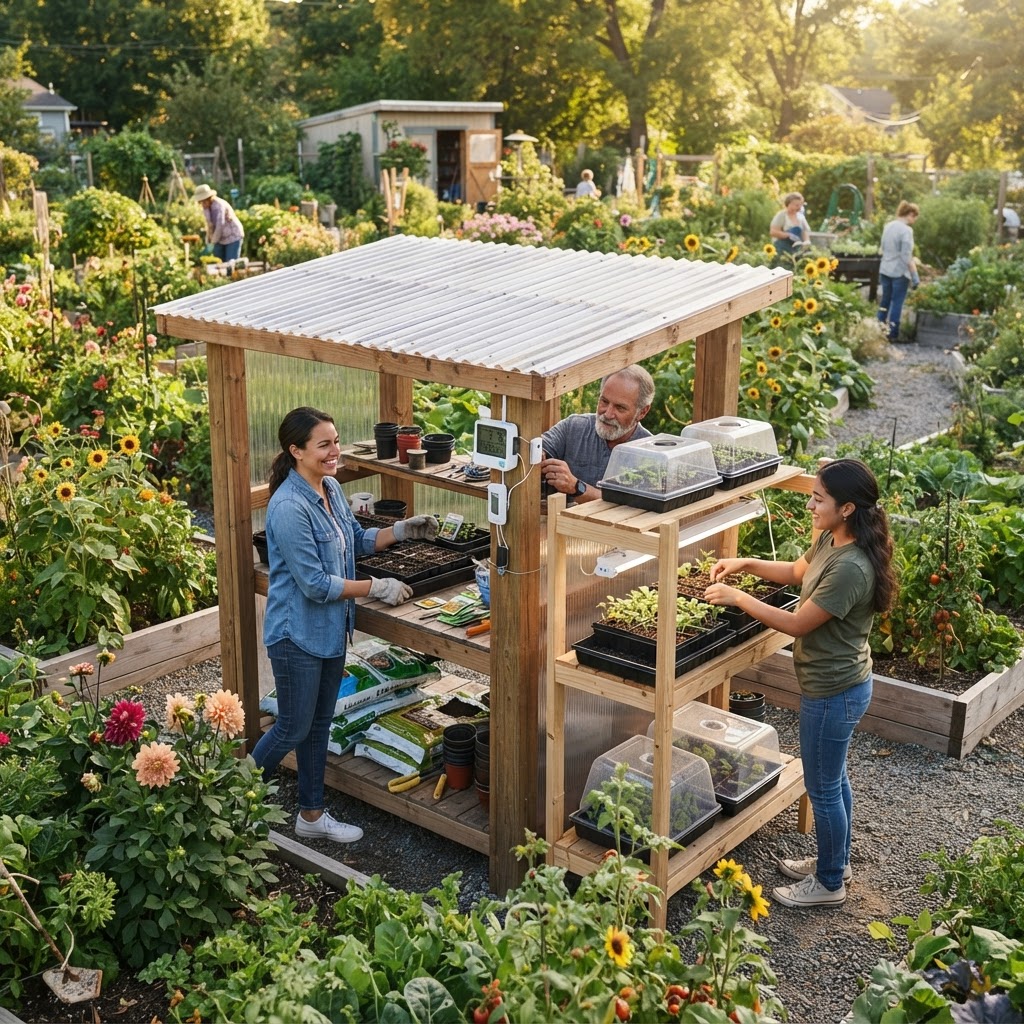
- Growing supplies: seeds, seedlings, potting mix, compost
- Infrastructure: lumber for raised beds, fencing, irrigation hoses, water timers
- Seasonal items: row cover fabric, mulch, netting
Prioritize your list. Which items are most urgently needed? Which ones could you live without for now? Having a prioritized wish list means you can tailor your requests to different businesses based on what they carry or can easily provide.
Establish Your Garden's Credibility
Businesses want to know their donation is going somewhere real and impactful. Before approaching anyone, make sure your garden has:
- A name and a clear mission statement
- Documentation of your membership or community it serves
- Photos or a brief history if your garden is already active
- Any official nonprofit status or affiliation with a parks department or community organization
Even if you're a newly formed group without formal nonprofit status, you can demonstrate credibility through a well-written introduction letter, a simple website or social media page, and letters of support from community leaders or local schools.
Understand the Basics of In-Kind Donations
When businesses donate supplies rather than money, it's called an in-kind donation. For businesses, in-kind donations can often be written off as a tax deduction, which makes them attractive from a financial standpoint. Understanding this helps you frame your request in a way that highlights the benefit to the business, not just to your garden. If your organization has 501(c)(3) status, be sure to mention it — it makes the tax benefit clear and official.
Why Local Businesses Make Great Partners
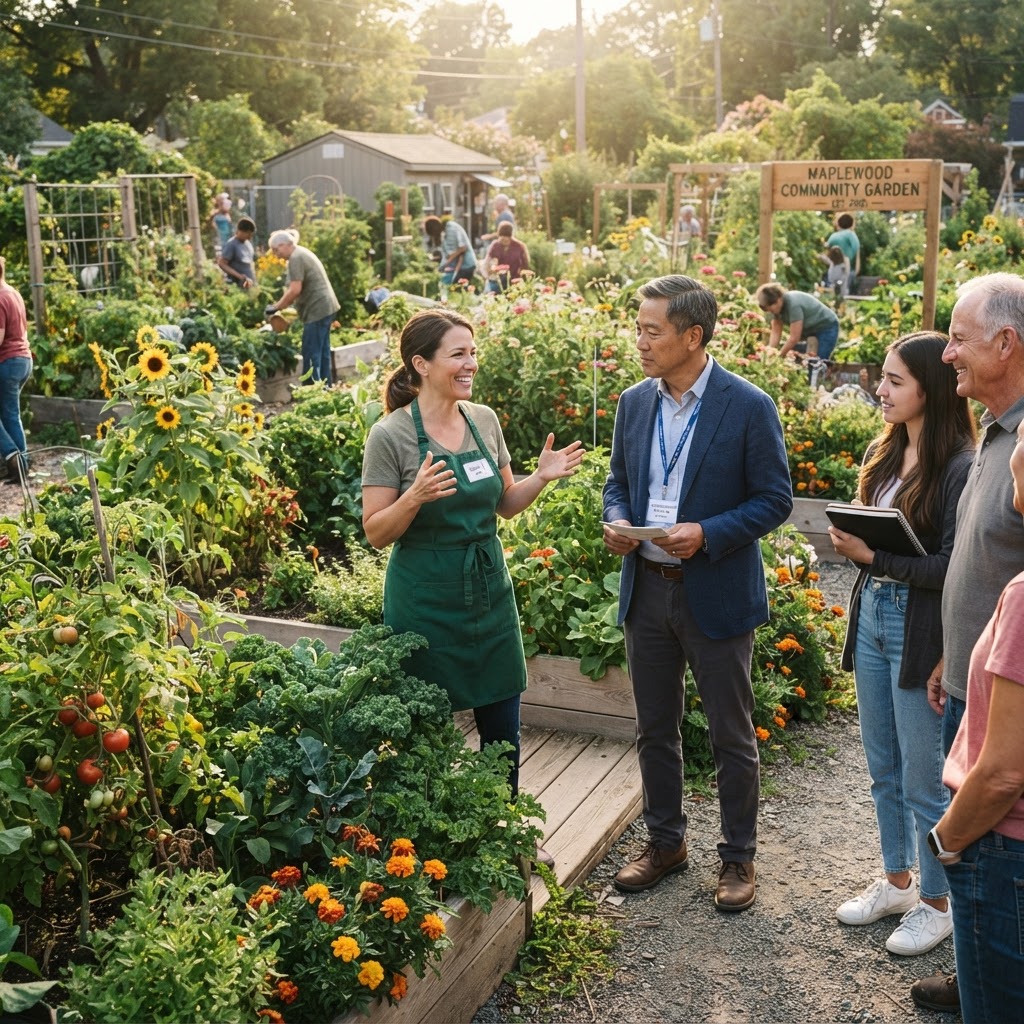
Local businesses are deeply embedded in their communities. Unlike large corporations, the owners and managers of local shops often live in your neighborhood, shop at your farmers market, and have children in your schools. This means they have a personal stake in your community's wellbeing.
Supporting a community garden offers local businesses something that money can't easily buy: genuine goodwill and visibility. A hardware store that donates lumber for raised beds becomes a hero in the eyes of dozens of garden members who will remember that generosity for years. For small and medium-sized businesses, this kind of authentic community connection is incredibly valuable.
Additionally, many local businesses have product overstock, slightly damaged goods, or end-of-season inventory they'd otherwise discard. Your garden can provide a meaningful destination for those materials while the business gets a write-off and a good story to tell.
Identifying the Right Businesses to Approach
Not every business is a natural fit for garden supply donations. Identifying businesses with both the means and the motivation to help will make your outreach far more effective.
Natural Allies
These types of businesses are your best starting points:
- Garden centers and nurseries: They deal in exactly what you need. Many have policies in place for donating end-of-season plants, seeds, and soil amendments.
- Hardware and home improvement stores: Sources of lumber, fasteners, irrigation supplies, and tools.
- Landscaping companies: Often have access to mulch, compost, topsoil, and tools.
- Feed and farm supply stores: Great for seeds, gloves, pest management supplies, and bulk soil.
- Grocery stores and co-ops: May donate compostable food scraps, cardboard for sheet mulching, or even seeds.
- Lumber yards: A fantastic source for raised bed materials, often at low cost or donated.
Businesses with Community Ties
Think about which local businesses already have a visible community presence. Do they sponsor the local little league team? Do they have a "community board" in their window? These businesses have already demonstrated they value community investment, making them more likely to respond positively to your request.
Businesses That Benefit from Visibility
Newer businesses looking to establish their reputation, or businesses that have recently changed ownership, may be especially motivated to make a splash through community donations.
Crafting Your Donation Request
Your donation request is your first impression. It needs to be clear, compelling, and professional without being stiff or impersonal.
The Donation Request Letter
A well-crafted letter remains one of the most effective tools for soliciting business donations. Your letter should include:
- A warm opening that briefly explains who you are and what your garden does
- The community impact — how many people your garden serves, what it means to the neighborhood
- A specific ask — don't just ask for "support," ask for specific items from your wish list
- What you're offering in return (more on this in the next section)
- Your contact information and a clear call to action
- A deadline or timeframe if relevant (e.g., "We're preparing our spring planting area in March")
Keep your letter to one page. Busy business owners appreciate brevity. Make sure it's free of spelling errors and grammatically sound — this reflects your professionalism.
Tailoring Your Ask
Whenever possible, tailor your request to match what the business actually sells or has access to. Asking a bakery for seeds makes less sense than asking them for cardboard boxes for sheet mulching. Matching your ask to the business's inventory shows that you've done your homework and makes it easier for them to say yes.
Making the Ask: In-Person and Written Approaches
There is real value in both written and in-person approaches, and the most successful community gardens use both.
In-Person Visits
Walking into a business, introducing yourself, and making your case face-to-face is often the most effective approach — particularly for smaller, owner-operated businesses. Here are a few tips:
- Visit during quieter hours (avoid lunch rushes or Saturday mornings)
- Dress neatly and bring a printed version of your donation request letter
- Be warm, brief, and enthusiastic — passion is contagious
- Ask to speak with the owner or manager, not just a front-line employee
- Leave your materials even if the decision-maker isn't available
Follow-Up Is Essential
Whether you've sent a letter or visited in person, always follow up. A polite follow-up email or phone call one to two weeks after your initial contact demonstrates seriousness and gives undecided businesses a gentle nudge. Many donations are secured during follow-up, not during the initial ask.
Offering Value in Return
Framing your donation request as a mutual partnership rather than a one-way ask dramatically increases your success rate. Think carefully about what your garden can authentically offer in return.
Recognition and Visibility
- Place the business's name and logo on a "Thank You" sign at the garden
- Feature them in your newsletter, social media posts, or community bulletin
- Mention them at public events or garden openings
- Include them in any press coverage your garden receives
Hands-On Engagement
- Invite business owners and their employees to volunteer days
- Offer to grow seedlings or plants for the business as a thank-you
- Host a garden tour for the business's staff or customers
Community Storytelling
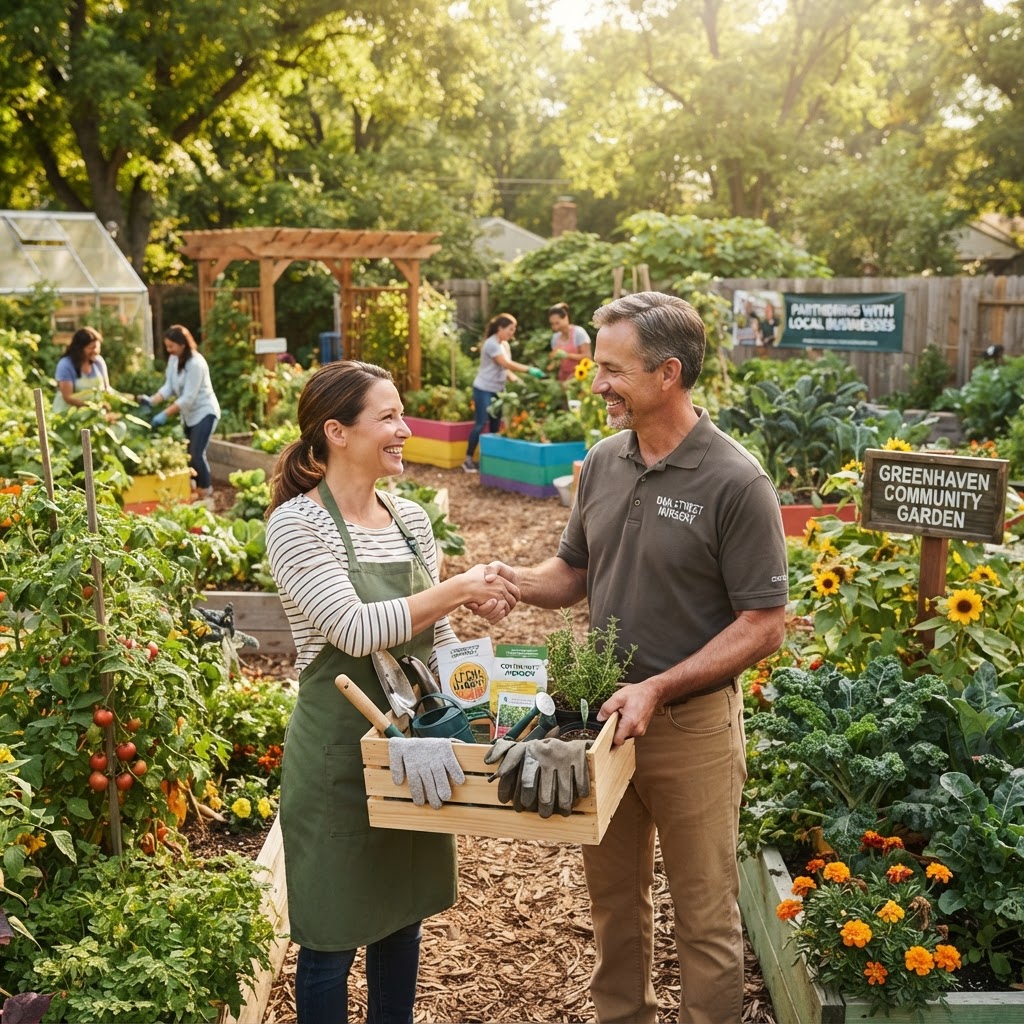
Help businesses tell their story. Let them know you'll be sharing the impact of their donation — not just thanking them quietly. Many businesses will donate in exchange for being able to say publicly that they support community initiatives.
Building Long-Term Relationships
A single donation is wonderful. A multi-year partnership is transformational. Treat every business donor as a long-term relationship worth nurturing.
- Send handwritten thank-you notes promptly after receiving any donation
- Provide photo updates showing their donation in action
- Invite them to seasonal events and harvest celebrations
- Check in annually to renew or expand the partnership
Consistent communication and genuine gratitude turn one-time donors into loyal advocates for your garden.
Common Mistakes to Avoid
Even well-intentioned garden groups make avoidable errors when approaching businesses for donations. Here are the most important pitfalls to watch out for:
Asking without doing your homework. Walking into a business with no knowledge of what they sell or why they might want to help is a quick path to rejection. Research first, then ask.
Making vague or unfocused requests. "We'd love any support you can offer" doesn't give businesses a clear way to say yes. Always be specific about what you need.
Failing to follow up. Many potential donations fall through the cracks because no one followed up. A gentle, polite follow-up can make all the difference.
Neglecting to say thank you. Failing to acknowledge a donation — or taking a long time to do so — damages trust and makes future donations unlikely.
Overpromising recognition. Don't promise to put a business's name in places you can't realistically deliver. Only offer what you can confidently follow through on.
Approaching businesses only when you need something. If the only time a business hears from you is when you want something, the relationship will feel transactional. Engage with your donor businesses year-round.
Ignoring small businesses in favor of only large chains. Large chain stores may have corporate donation programs that take months to process. Your local family-owned hardware store might say yes on the spot.
Tips for Success
- Build a small donation committee. Share the outreach work among two or three dedicated garden members rather than leaving it to one person.
- Create a simple one-page "sponsorship packet." Include your mission, a photo, your wish list, and what you offer in return. Make it easy to hand out.
- Track your outreach. Keep a simple spreadsheet noting which businesses you've contacted, when, what was requested, and what the outcome was.
- Time your asks strategically. Approach businesses before the growing season when they're restocking and may have excess inventory. Late winter and early spring are often ideal.
- Leverage personal connections. Garden members who personally know a business owner can make warm introductions that dramatically increase your success rate.
- Don't overlook service businesses. A print shop might donate flyers or signage. A restaurant might donate compostable materials or leftover food for composting.
- Say yes to partial donations. If a business can't give everything on your wish list, gratefully accept what they can offer and come back next season.
Conclusion
Sourcing local business donations for your community garden is as much about relationship-building as it is about acquiring supplies. When done thoughtfully and respectfully, the process can create genuine partnerships that benefit your garden, the businesses involved, and the broader community for years to come.
The key is to come prepared, be specific, offer real value in return, and follow through with consistent gratitude and communication. You don't need to be a professional fundraiser to do this well — you just need to be passionate about your garden and willing to share that passion with the businesses in your community.
Start small. Approach one or two businesses this week with a tailored, specific request. With every successful donation and every thank-you note sent, you'll build confidence, experience, and a growing network of local supporters who are genuinely invested in watching your garden flourish.