Getting Started
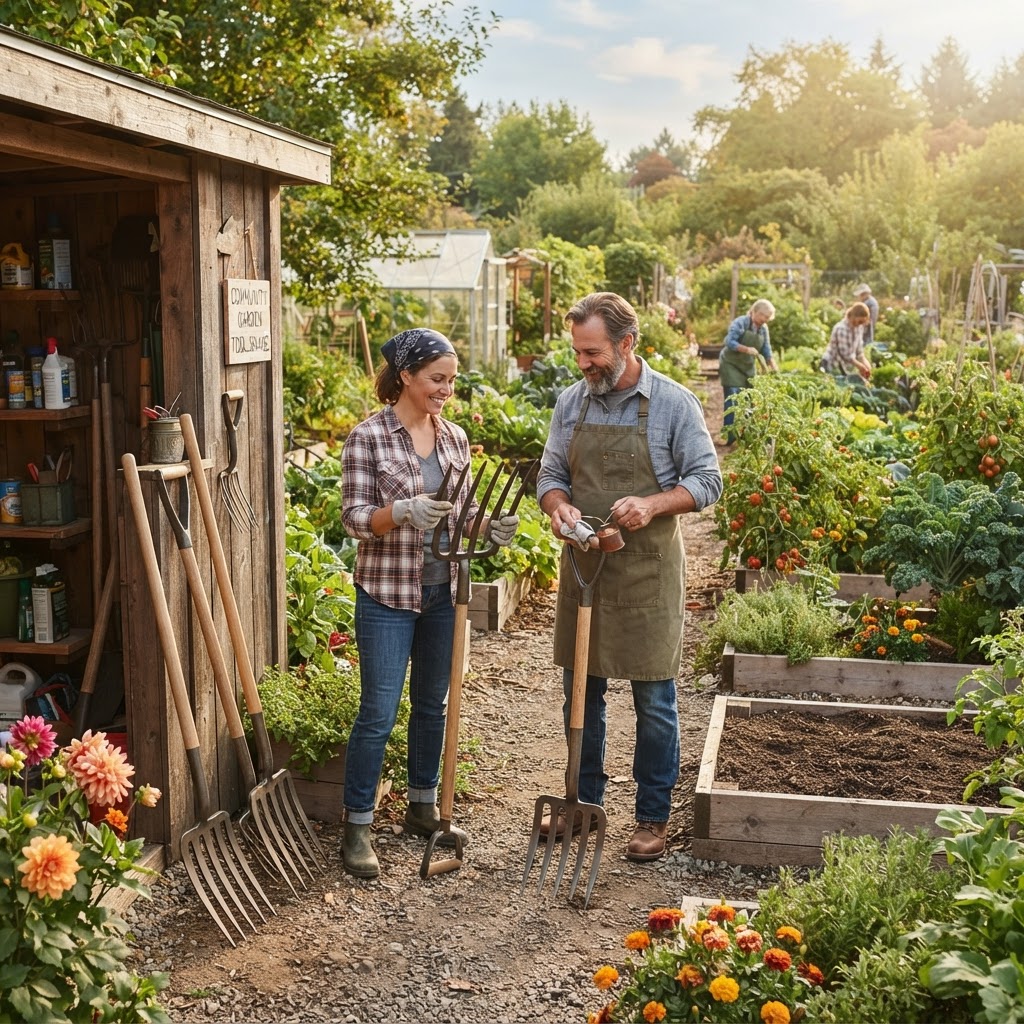
If your community garden is serious about building healthy, productive soil without compacting it with heavy machinery or tilling it into a lifeless powder, a heavy-duty broadfork is one of the best investments your group can make. This large, two-handled digging tool aerates and loosens soil deeply without inverting it, preserving the natural structure and microbial life that plants depend on.
For shared garden spaces, a broadfork serves dozens of gardeners across multiple growing seasons. That means the tool you choose needs to be robust enough to handle frequent, varied use — from loosening compacted clay beds to working through the occasional buried root — while remaining safe and manageable for gardeners of different sizes and experience levels.
This guide walks you through everything you need to know: from understanding what makes a broadfork truly heavy-duty, to choosing the right model for collective use, to keeping it in excellent working condition season after season.
What Is a Heavy-Duty Broadfork and Why It Matters
A broadfork — sometimes called a U-fork, grelinette, or garden broadfork — consists of a wide crossbar fitted with multiple downward-facing tines, attached to two long vertical handles. The gardener steps onto the crossbar to drive the tines into the soil, then pulls back on the handles to lever the earth upward, breaking compaction and creating air pockets without disturbing the layered soil horizons.
Why "Heavy-Duty" Specifically?
Not all broadforks are created equal. Consumer-grade or lightweight models are fine for occasional home garden use in loose, well-amended soil. But in a community garden context, you're dealing with:
- High frequency of use — potentially dozens of uses per week during peak season
- Variable soil conditions — from freshly turned beds to densely compacted plots
- Multiple users — different body weights, strengths, and technique levels placing unpredictable stress on the tool
- Outdoor storage and exposure — tools shared among many people may not always be dried off or stored with the same care a private owner would apply
Heavy-duty broadforks are built with thicker tines, more durable welds, hardwood or reinforced handle materials, and hardware-grade steel that resists bending under serious leverage. Investing in a proper heavy-duty model from the start is far more cost-effective than replacing a flimsy one every year or two.
Key Features to Look For When Selecting a Broadfork
Tine Material and Construction
The tines are the most structurally stressed part of the tool. Look for tines made from solid carbon steel or high-carbon steel rather than hollow or stainless steel. Carbon steel is harder and holds up better under repeated flexion. Tines should ideally be forged rather than welded onto the crossbar — forged construction creates a single continuous piece of metal that is significantly less likely to break at the joint.
Check the diameter of the tines. For heavy-duty use, tines should be at least 10 to 12 millimeters in diameter. Thinner tines will eventually bend or snap, especially when encountering rocks, compacted clay, or hardpan soil.
Number and Spacing of Tines
Most broadforks come with between four and eight tines. For general community garden use, a six-tine model offers a good balance between aeration coverage and the leverage required to operate it. More tines mean more surface area to push through the soil, which requires more effort but covers more ground per pass. Wider spacing between tines allows them to penetrate compacted soil more easily.
Handle Length and Material
Handles should be long enough to allow users to operate the tool in an upright posture, reducing back strain. Most handles range between 120 and 150 centimeters (roughly 4 to 5 feet). For a shared tool used by people of varying heights, aim for handles on the longer end of that spectrum.
Ash wood is the traditional handle material and remains one of the best choices — it's strong, slightly flexible (which absorbs shock), and comfortable to grip. Some modern models use fiberglass or composite handles, which resist moisture damage and won't crack or splinter, making them a reasonable choice for tools that may not be stored perfectly every time.
Overall Width
Broadfork widths typically range from about 30 to 60 centimeters. A 40 to 50 centimeter width is practical for most raised beds and standard garden rows. Very wide models are efficient for large open plots but can be unwieldy for narrower beds or less experienced users.
Understanding Different Broadfork Designs
Standard U-Frame Design
This is the most common design. Two handles attach directly to a wide U-shaped frame with tines mounted along the bottom bar. It's straightforward to use and repair, and replacement parts (particularly handles) are often available. This is usually the best choice for community gardens because of its simplicity.
Articulating or Hinged Broadforks
Some high-end models feature a hinged crossbar that allows the tines to adjust their angle relative to the handles. This design can be easier on the body and more effective in variable soil conditions. However, the additional moving parts mean more potential points of failure in high-use shared settings, so weigh that tradeoff carefully.
Single-Handle Broadforks
These exist but are not ideal for community settings. They require more skill to operate and don't offer the same ergonomic leverage as the two-handle design.
Evaluating Broadforks for Shared Community Use
When selecting a broadfork for shared use, think beyond individual preference and consider the whole community's needs.
Durability Over Features
A simple, well-built tool will outlast a feature-rich but poorly constructed one every time. Look for models from manufacturers who specialize in professional or agricultural-grade garden tools rather than mass-market consumer brands. Read reviews from market gardeners or small-scale farmers, as their usage patterns are closer to community garden demands.
Ease of Repair
At some point, a handle may crack or a tine may need attention. Choose a model where replacement handles are available from the manufacturer or can be sourced from standard hardware suppliers. Tools with proprietary or unusual dimensions can become expensive to maintain.
Weight Considerations
A heavy-duty broadfork will naturally be heavier than a lightweight model — often between 4 and 8 kilograms. Consider whether all members of your community, including older adults or those with physical limitations, will be able to handle the tool. Some groups choose to have two broadforks: one heavy-duty model for tough, compacted beds and a lighter option for well-maintained plots.
Budget and Group Ownership
Pool resources thoughtfully. A high-quality heavy-duty broadfork may cost considerably more than a budget model, but spread across the number of gardeners in your community, the per-person cost is often quite small. A tool that lasts a decade is always a better investment than replacing a cheaper one every couple of years.
How to Use a Broadfork Effectively
Proper technique protects both the tool and the user. Share these guidelines with every member who will be using the broadfork.
- Position the tool with the tines vertical and directly in front of you, about shoulder-width apart from handle to handle.
- Step up onto the crossbar using your body weight rather than arm strength to drive the tines into the soil. Avoid jumping onto it.
- Once the tines are fully inserted, lean back slightly and pull both handles toward you simultaneously. This levers the soil upward without inverting it.
- Release and step back, then repeat the process about 15 to 20 centimeters behind the previous entry point.
- Work in rows across the bed for consistent coverage.
Encourage users to stop and check for buried debris — rocks, old roots, or irrigation lines — before applying full force. Striking a solid obstruction with full body weight can bend tines or stress the frame.
Maintenance and Care for Long-Term Durability
A community broadfork will last many years with consistent, simple maintenance. Create a shared maintenance log and assign responsibilities so the work doesn't fall on one person indefinitely.
Cleaning After Each Use
Soil left on the tines accelerates rust and corrosion, especially in wet climates. After every use, knock off loose soil, then wipe the tines with a rag or rinse briefly with water. Always dry the metal thoroughly before storage.
Oiling the Metal Components
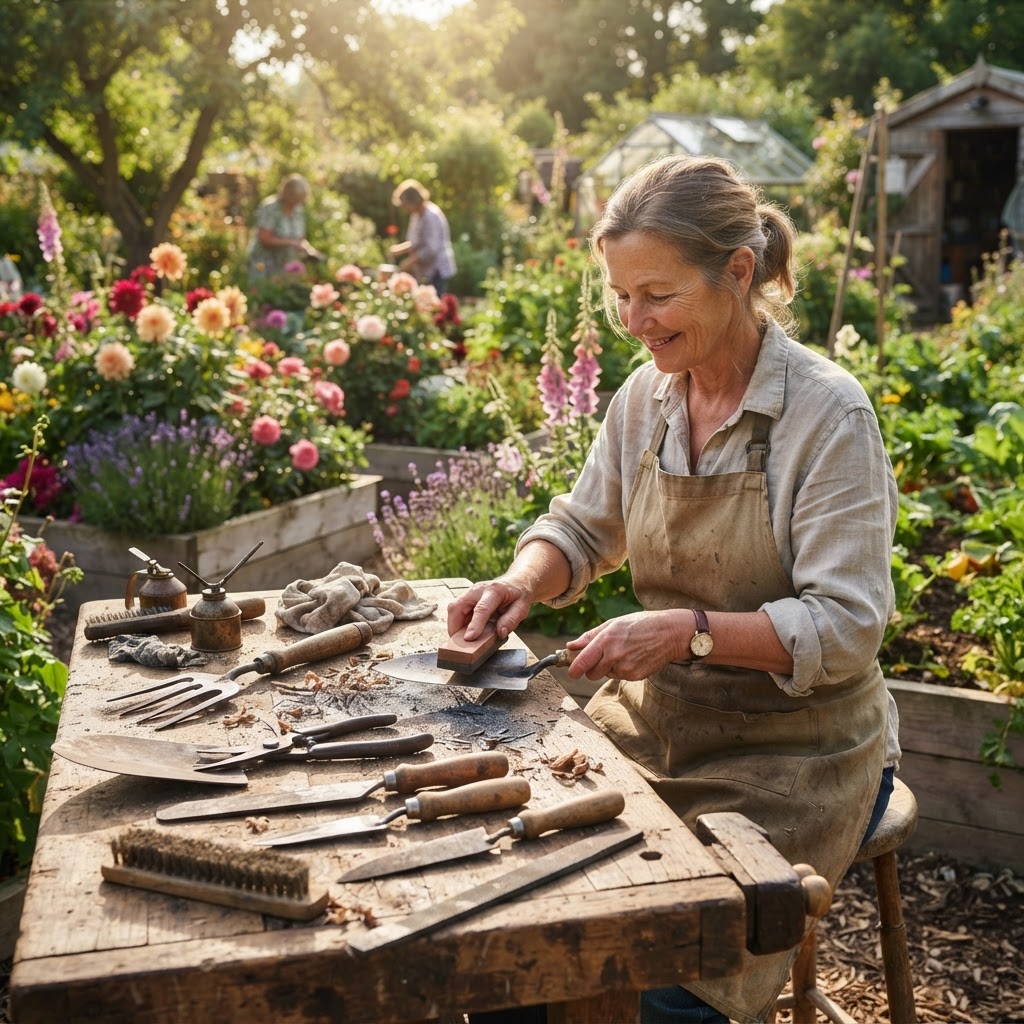
Every few weeks during heavy-use periods, apply a thin coat of linseed oil, WD-40, or a purpose-made tool oil to the tines and crossbar. This creates a protective barrier against rust. At the end of the growing season, do a thorough oiling before winter storage.
Conditioning Wooden Handles
If your broadfork has wooden handles, treat them with raw linseed oil or a wood conditioner at least once per season. Sand away any splinters or rough patches before they become a safety hazard. Cracked or badly damaged handles should be replaced promptly — they can fail unexpectedly under load.
Checking Hardware and Joints
Periodically inspect all bolts, nuts, and connection points. Vibration from use can loosen fasteners over time. Tighten anything that has worked loose and replace any corroded hardware.
Tine Inspection
Look along the length of each tine for any signs of bending or stress fractures. A slightly bent tine can often be corrected with careful reshaping, but a tine showing a crack should be addressed immediately, as it may break under load and create a safety hazard.
Storage Best Practices for Shared Tools
Where and how a broadfork is stored dramatically affects its lifespan.
- Store upright or on wall hooks — never leave the tool lying flat on the ground where moisture can pool around the metal.
- Keep it under cover — a tool shed or covered rack protects against rain, UV degradation, and temperature extremes.
- Post a quick-reference care checklist near the storage area so all users are reminded of basic maintenance steps each time they return the tool.
- Designate a "tool steward" — even informally — who does a monthly check of condition and maintenance needs.
Common Mistakes to Avoid
Using the Wrong Tool for Heavily Rocky Soil
A broadfork is not designed to remove rocks. Trying to lever out large embedded stones with full force is one of the fastest ways to bend tines or break welds. Clear major rocks manually before broadforking.
Allowing Only One or Two People to Maintain It
When tool care is left to a handful of individuals, burnout happens and maintenance gets skipped. Build care responsibilities into your community's shared task rotation.
Buying Based on Price Alone
The cheapest option is rarely the right choice for shared, high-frequency use. Thin tines and poor-quality steel are often the hidden cost of a low price tag.
Skipping Technique Guidance for New Users
New members handed a broadfork without instruction often apply force incorrectly, stressing the frame or injuring themselves. Post usage guidelines near the tool or include a broadfork demonstration in your new member orientation.
Leaving It Outside Between Uses
Even a few days of exposure to rain and sun will degrade wooden handles and accelerate rust. Make returning the tool to proper storage a firm community expectation, not an afterthought.
Tips for Success
- Label the broadfork clearly with your garden's name to prevent it from being accidentally walked off.
- Create a sign-out system — even a simple paper log — so you know who last used the tool if something needs attention.
- Teach proper body mechanics alongside tool technique to reduce the risk of back strain, especially for older or newer gardeners.
- Match the broadfork width to your beds — measure your standard bed width before purchasing so you're not working with an oversized tool in tight spaces.
- Keep a basic repair kit nearby: spare handle, linseed oil, sandpaper, and a set of wrenches. Small issues fixed immediately prevent bigger problems later.
- Sharpen tine tips lightly if they become blunt — a file can restore the edge without compromising structural integrity.
- Schedule a seasonal tool maintenance day as a group activity. It builds community, ensures consistent upkeep, and gives newer members a chance to learn alongside experienced ones.
Conclusion
A heavy-duty broadfork is one of the most valuable tools a community garden can own. It supports healthy, no-till growing practices, reduces compaction, and makes soil preparation more accessible across a diverse group of gardeners. But its value depends entirely on thoughtful selection and consistent care.
Choose a model built for genuine heavy use — forged carbon steel tines, quality hardwood or composite handles, and simple construction that can be repaired rather than replaced. Establish clear shared routines for cleaning, oiling, and inspecting the tool, and make sure every member who uses it understands both the technique and the responsibility that comes with shared ownership.
With the right broadfork and a culture of collective care, your community garden will enjoy improved soil structure, more productive growing seasons, and a trusted tool that serves the whole group for many years to come.