Getting Started
Before you approach a single potential sponsor, you need to do some important groundwork. Corporations receive many requests for support, and the gardens that succeed in landing sponsorships are almost always the ones that come prepared with a clear vision, organized documentation, and a compelling story.
Know Your Infrastructure Needs
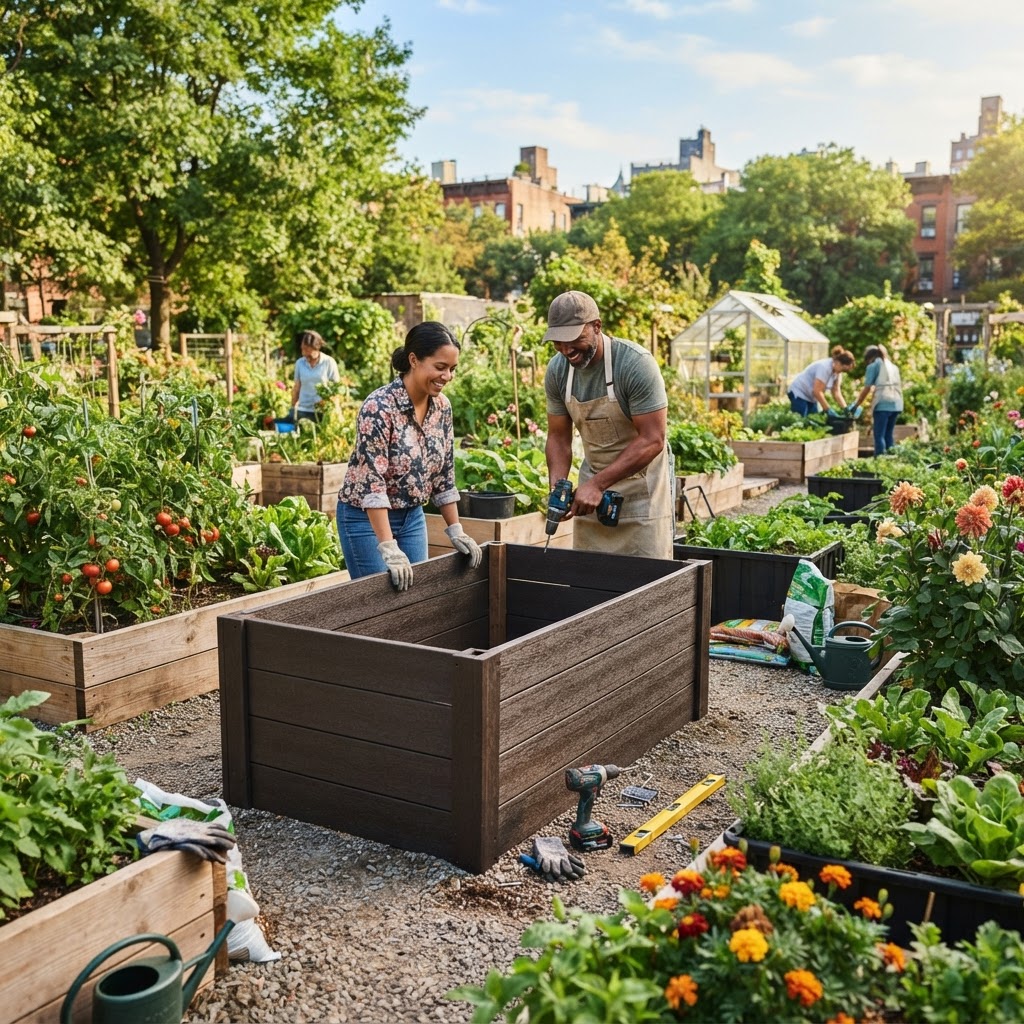
Start by making a detailed list of exactly what your garden needs. Vague requests like "we need help with our garden" won't inspire corporate generosity. Specific, tangible needs will. Walk through your garden space and inventory what's missing or broken:
- Raised beds: How many? What materials? Estimated cost per bed?
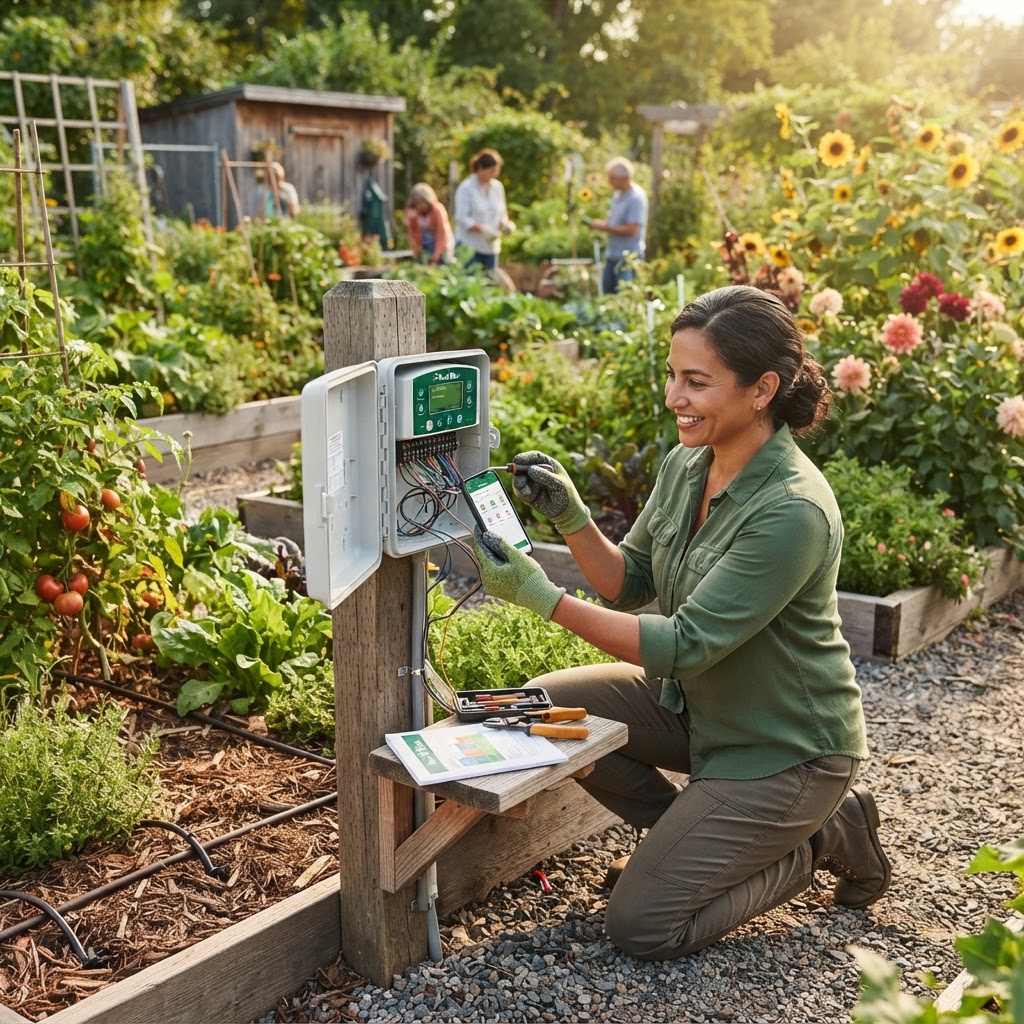
- Irrigation: Do you need drip lines, soaker hoses, or a timer-based system?
- Storage: Is there a need for a tool shed, lockable cabinet, or potting bench?
- Fencing and access: Security fencing, gates, accessibility ramps?
- Composting infrastructure: Bins, tumblers, or a full composting station?
- Signage and educational displays: Interpretive signs, garden maps, educational kiosks?
Putting dollar amounts to each item creates a menu of sponsorship opportunities. A business might not fund your entire irrigation system, but they might jump at the chance to sponsor three raised beds.
Organize Your Garden's Story
Corporate sponsors aren't just funding infrastructure — they're investing in impact. You need to be able to articulate who your garden serves, how many people benefit, and what makes your garden meaningful to the community. Write a brief narrative (one to two paragraphs) that answers these questions:
- When was the garden founded, and why?
- Who uses it? (Schools, food-insecure families, seniors, youth groups?)
- What has it produced or achieved so far?
- What is your vision for the future?
This story will become the heart of every sponsorship conversation and proposal you have.
Establish Organizational Credibility
Corporations want to partner with organized, trustworthy groups. Before approaching sponsors, make sure your garden has:
- A formal governance structure (steering committee, board, or designated officers)
- A bank account in the garden's name
- Basic financial records showing responsible stewardship
- If possible, 501(c)(3) status or a fiscal sponsorship arrangement
Not all community gardens are nonprofits, and many successful sponsorships happen without that status. However, 501(c)(3) status does allow donations to be tax-deductible, which is a meaningful incentive for corporate donors.
Understanding What Corporations Want
Successful sponsorship relationships are mutual. Companies give because they receive something in return — not just a tax receipt, but real value that serves their business goals. Understanding corporate motivations helps you frame your pitch in ways that resonate.
Most corporations pursue sponsorships to achieve one or more of the following:
- Brand visibility: Signage, social media mentions, and event recognition put their name in front of community members who may become customers.
- Employee engagement: Many companies offer volunteer days and look for meaningful places to send their teams. A garden workday is a popular option.
- Community goodwill: Businesses want to be seen as neighbors who contribute, not just profit-seekers. Supporting a community garden builds that reputation.
- Environmental commitments: Many corporations have sustainability goals. Sponsoring a community garden aligns with those values in a tangible, visible way.
- Recruitment and retention: Companies increasingly find that employees want to work for businesses with strong community values.
When you approach a potential sponsor, lead with what they gain, not just what your garden needs.
Identifying the Right Corporate Partners
Not every business is a good fit for your garden, and not every garden project will appeal to every type of company. Strategic targeting saves you time and dramatically improves your success rate.
Start Local and Hyper-Local
Your most natural sponsors are businesses that operate in or near your garden's neighborhood. These companies share a stake in the community's wellbeing, and their customers are likely your garden's visitors.
Great local prospects include:
- Hardware and home improvement stores (natural fit for infrastructure projects)
- Grocery stores, co-ops, and farm-to-table restaurants
- Landscaping and nursery businesses
- Local banks and credit unions (many have dedicated community investment budgets)
- Real estate companies and property developers
- Healthcare providers and wellness centers
Look Beyond the Obvious
Don't overlook businesses that might seem unrelated to gardening. Law firms, accounting practices, tech companies, and manufacturing businesses often have corporate social responsibility budgets and actively look for community projects. A local construction company might donate materials or labor. A print shop might sponsor signage. Think creatively about who benefits from a thriving neighborhood.
Research Corporate Social Responsibility Programs
Many mid-size and large companies publish their community investment priorities online. Search company websites for terms like "community giving," "corporate social responsibility," or "community partnerships." This research tells you whether your garden aligns with their stated values before you ever make contact.
Building Your Sponsorship Proposal
Your sponsorship proposal is your most important tool. It should be professional, visually appealing if possible, and concise — most decision-makers won't read beyond two to three pages.
A strong sponsorship proposal includes:
- Executive summary: One paragraph explaining who you are and what you're asking for.
- Garden overview: Your story, your community, and your impact.
- Infrastructure project description: What you're building, why it matters, and what it will cost.
- Sponsorship opportunities: Clearly defined packages with associated benefits (see next section).
- Recognition and visibility: How the sponsor will be acknowledged publicly.
- Garden leadership contacts: Names, roles, and contact information.
- Supporting materials: Photos, maps of the garden, letters of community support if available.
Write your proposal in plain, warm language. Avoid jargon. Read it aloud — if it sounds stiff or overly formal, revise it until it sounds like you talking to a neighbor.
Structuring Sponsorship Packages
Offering tiered sponsorship levels gives corporations options based on their budget and interest level. Here's a simple structure you can adapt:
Naming Sponsorships
For your largest infrastructure items, offer naming rights. The "Riverside Hardware Raised Bed Section" or the "Community Bank Tool Shed" creates lasting, visible recognition. These are typically your most expensive items and deserve your highest sponsorship tier.
Project-Specific Sponsorships
Break infrastructure into distinct, fundable units. A company might sponsor:
- A specific number of raised beds
- The full irrigation system
- A composting station
- Accessibility improvements
- The garden's main signage
In-Kind Sponsorships
Not all support needs to be cash. A lumber supplier might donate wood for raised beds. A hardware store might contribute tools or plumbing supplies. A landscaping company might donate a day of labor. In-kind contributions reduce your cash needs and often come from businesses that aren't in a position to write a check but want to be involved.
Community Engagement Sponsorships
Some companies prefer to combine financial support with employee involvement. Offer a package that includes a sponsored volunteer day at your garden alongside their financial contribution. This is often a win-win — you get labor and funding, they get a meaningful team-building experience.
Making the Ask
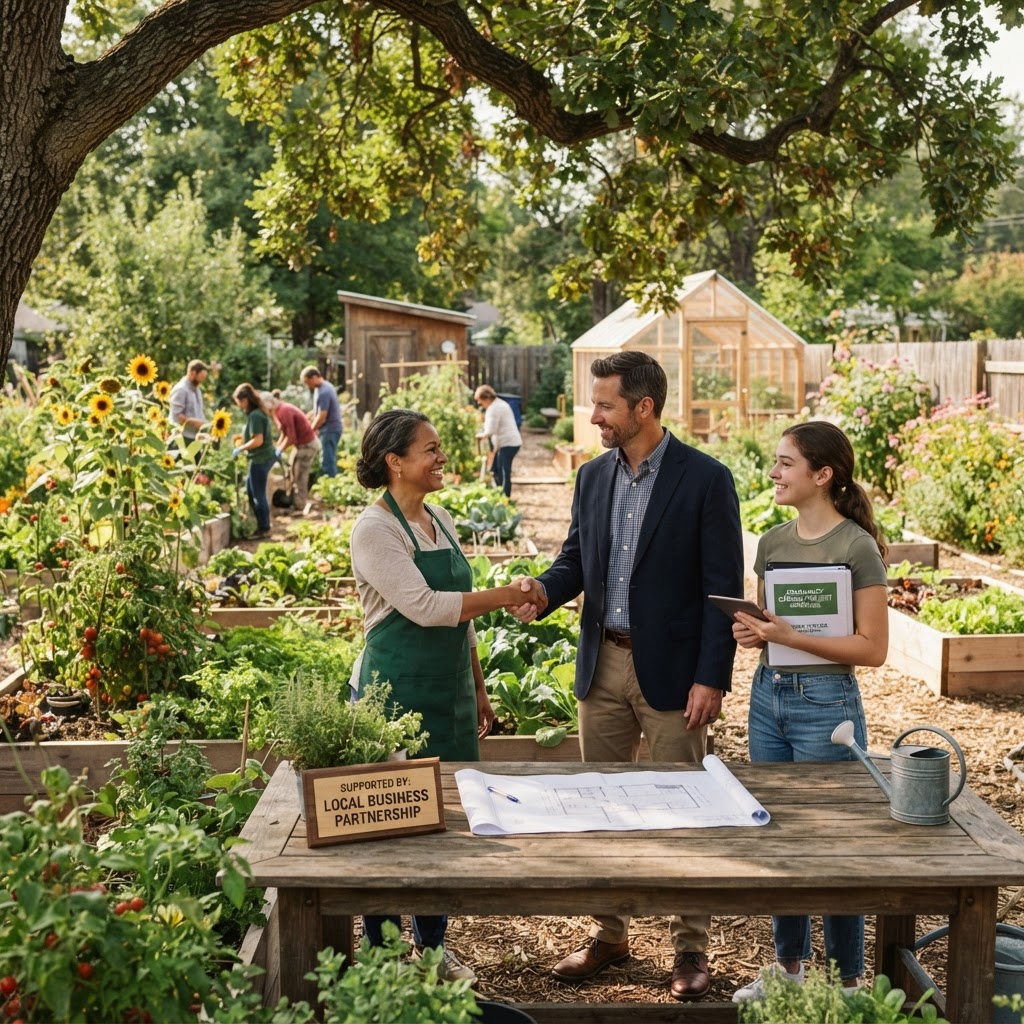
Reaching out to potential sponsors requires a personal touch. Here's a step-by-step approach:
- Identify the right contact. For small businesses, this is often the owner. For larger companies, look for a community affairs manager, marketing director, or corporate social responsibility coordinator.
- Send a warm introduction. A brief email or letter introducing your garden and expressing interest in exploring a partnership is better than leading with a full proposal.
- Request a meeting. Offer to meet in person or via video call to share more about the garden and discuss how a partnership might work.
- Present your proposal. Walk through the document together rather than simply emailing it. This allows for conversation and questions.
- Follow up. If you don't hear back within two weeks, send a polite follow-up. Persistence, not pushiness, is the norm.
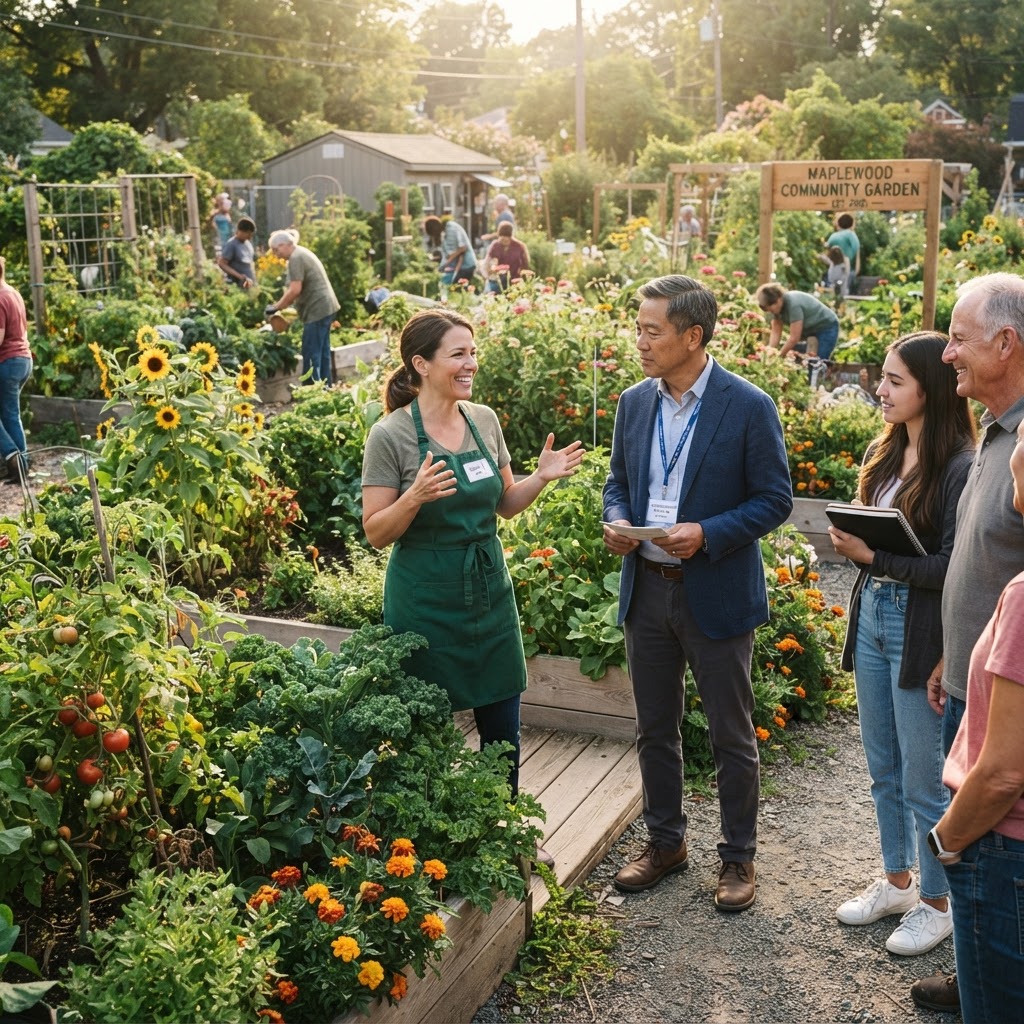
Never underestimate the power of an in-person garden tour. Inviting a potential sponsor to visit the garden almost always deepens their interest and commitment.
Managing Corporate Relationships
Securing a sponsorship is only the beginning. Maintaining the relationship is what turns a one-time donation into a multi-year partnership.
- Deliver on your promises. Whatever benefits you offered — signage, recognition, volunteer days — fulfill them promptly and completely.
- Communicate progress. Send periodic updates showing how their investment is being used. Photos of a newly installed raised bed or a completed irrigation system are powerful.
- Acknowledge publicly and sincerely. Thank sponsors at events, in newsletters, and on social media. Make them feel genuinely appreciated, not just listed.
- Invite ongoing involvement. Keep sponsors in the loop about garden events, harvests, and milestones. Make them feel like valued community members, not just checkwriters.
- Ask for renewal thoughtfully. When the time comes to discuss continued support, do so personally and with a clear picture of what their next contribution would accomplish.
Common Mistakes to Avoid
Even well-intentioned garden organizers can undermine their sponsorship efforts with avoidable missteps. Watch out for these common pitfalls:
- Asking too vaguely. "We need support for our garden" is not an ask — it's an expression of need. Always request a specific amount for a specific purpose.
- Neglecting follow-up. Many sponsorships are lost simply because the garden organizer didn't follow up after an initial conversation. Don't assume silence means no.
- Focusing only on what you need. Proposals that read as one-sided requests rarely succeed. Always frame the partnership in terms of mutual benefit.
- Overpromising recognition. Don't offer visibility you can't deliver. If your social media following is small, don't promise massive digital reach. Be honest and realistic.
- Ignoring small businesses. Chasing large corporations while overlooking local businesses is a strategic mistake. Small businesses often give generously and make faster decisions.
- Skipping the thank-you. Failing to acknowledge a sponsor promptly and warmly is both ungrateful and damaging to future fundraising.
- Treating it as a one-time transaction. Sponsorships work best as ongoing relationships. Neglecting sponsors after receiving their initial contribution almost guarantees you won't receive a second one.
Tips for Success
These actionable strategies will significantly improve your chances of landing and keeping corporate sponsors:
- Build a sponsorship committee. Distribute the work of identifying, approaching, and managing sponsors among several dedicated volunteers. It's too much for one person.
- Create a visual sponsorship deck. A well-designed one or two-page document with photos of your garden is far more compelling than plain text.
- Leverage personal connections. Garden members often have professional relationships with local business owners. Use these warm connections rather than cold outreach whenever possible.
- Time your outreach strategically. Many companies finalize their community giving budgets at the start of the fiscal year. Research when your top prospects plan their budgets and approach them shortly before that window.
- Document your impact. Keep records of produce grown, volunteers engaged, educational programs held, and community members served. Hard numbers make compelling cases.
- Celebrate publicly. When a sponsor comes on board, announce it on social media and in community newsletters. Public recognition makes sponsors feel valued and signals to other businesses that your garden is an attractive partner.
- Start smaller than you think necessary. Landing a modest first sponsorship with a business builds a track record and makes approaching larger sponsors easier.
- Ask for advice, not just money. Some of your best sponsors might start as advisors. Business owners who offer input on your garden often develop genuine investment in its success.
Conclusion
Securing corporate sponsorships for community garden infrastructure is absolutely achievable, even for gardens that are just getting started. The key is preparation, persistence, and framing every conversation as a genuine partnership rather than a request for charity.
Corporations want to be part of meaningful community initiatives. They want employees to feel proud of where they work. They want customers to see them as neighbors who care. Your community garden offers all of that — green space, food access, community connection, and visible, tangible impact. That's a compelling value proposition.
Start by knowing exactly what you need and what your garden stands for. Build relationships before you ask for money. Create clear, specific sponsorship opportunities that match different budget levels. Deliver on every promise you make. And celebrate every sponsor who joins your community — because that's exactly what they've become.
Your garden doesn't have to grow alone. The right corporate partners are out there, and with the right approach, they'll be proud to grow alongside you.