Introduction
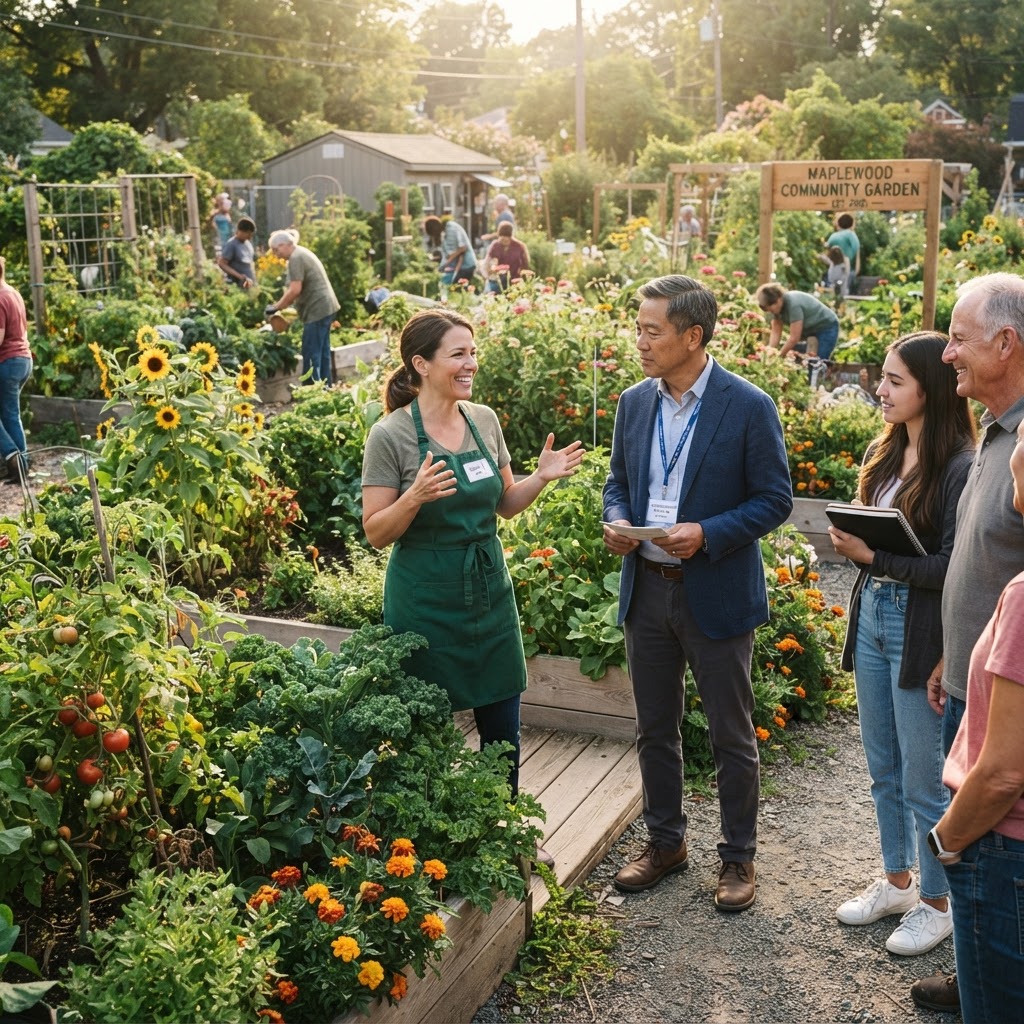
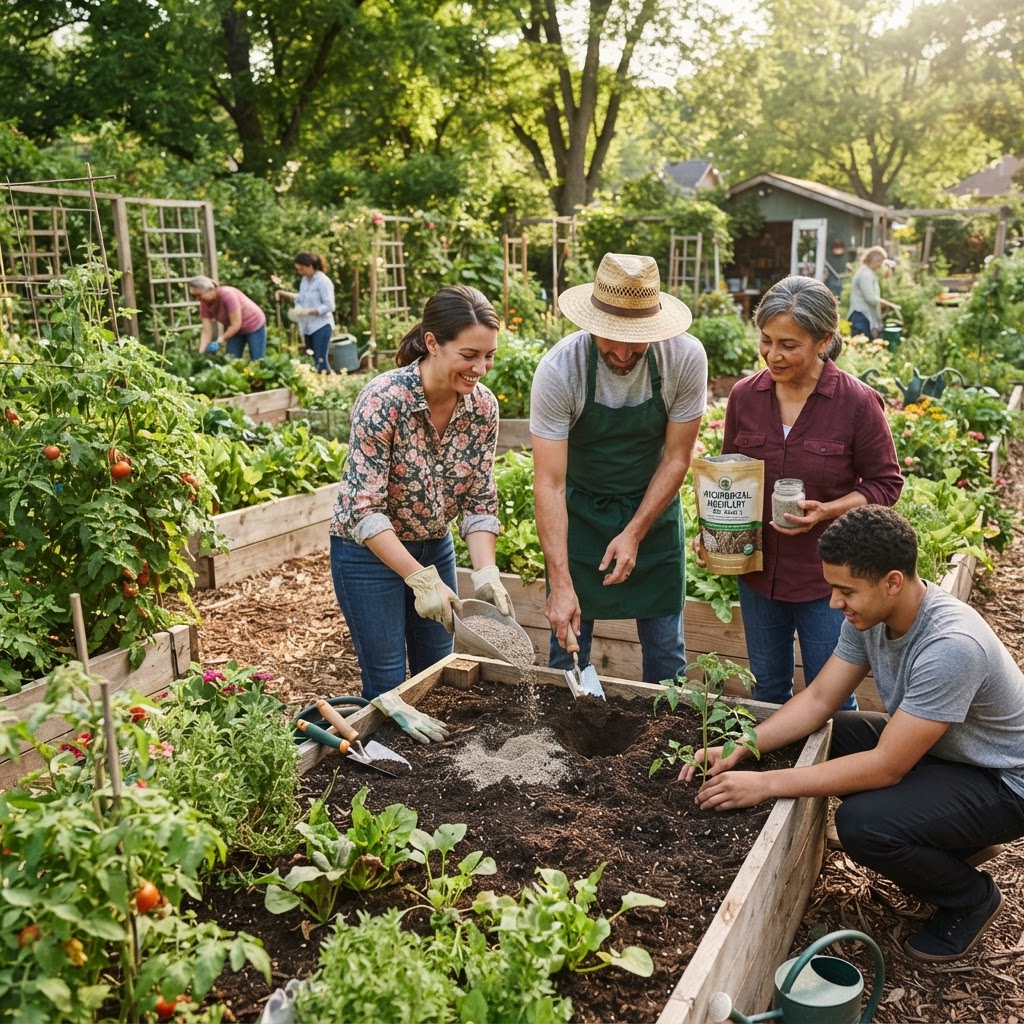
Every community garden has a story, and behind that story are people — neighbors who donated weekends to building raised beds, families who grew their first tomatoes in shared soil, and community members who found friendship and healing among the flowers. A tribute tree or engraved brick fundraising program is one of the most heartfelt and effective ways to honor those people while simultaneously raising the funds your garden needs to grow and thrive.
These programs invite donors to make a meaningful contribution in honor or memory of someone special. In return, they receive a lasting, visible tribute — a named brick in a garden pathway, a dedicated tree or bench in a peaceful corner, or an engraved plaque on a raised bed. Unlike one-time donation drives, tribute programs create permanent, tangible connections between donors and the garden space they love.
For community gardens operating on tight budgets and relying on volunteer energy, this type of fundraiser can be transformative. It builds community, generates reliable income, and creates a garden that feels personally meaningful to dozens or even hundreds of families. Whether you're just starting out or looking to refresh your fundraising strategy, this guide will walk you through everything you need to know.
Getting Started
Before you launch a tribute tree or brick program, it's important to lay the groundwork carefully. Rushing into the logistics without a solid plan is one of the most common reasons these programs stall or disappoint early donors.
Assess Your Garden's Needs and Space
Start by walking your garden with fresh eyes. Identify areas where tribute elements could be naturally integrated. Good locations include:
- Entry pathways where engraved bricks could form a welcoming walkway
- Seating areas or gathering spots where memorial benches or tribute trees would feel appropriate
- Borders or perimeter fencing that could feature plaques or named sections
- Raised beds that could be sponsored and named after individuals or families
Make note of how many tribute spots you realistically have available. Overselling spaces you don't have is a serious problem that can damage trust, so start conservatively and expand as the program grows.
Establish a Committee or Working Group
This program should not be a one-person effort. Pull together a small committee of two to five reliable volunteers who can share responsibilities including:
- Coordinating orders and inscriptions
- Managing finances and record-keeping
- Communicating with donors
- Overseeing installation
Having dedicated people ensures continuity, especially as your garden's volunteer roster changes over time.
Set Clear Financial Goals
Ask yourself: What will this program fund? Common uses for tribute fundraising revenue include:
- Installing irrigation systems
- Purchasing tools and equipment
- Building accessible pathways or raised beds
- Creating a pollinator garden or children's section
- Establishing a maintenance fund
Having a clear purpose makes it easier to communicate the impact of donations and motivates more people to participate.
Research Suppliers and Costs
Before setting your donation tiers, you need to know what things actually cost. Reach out to local vendors or online suppliers for pricing on:
- Engraved bricks (including setup fees, per-character charges, and shipping)
- Tree planting (purchase price, installation, ongoing maintenance)
- Benches with plaques
- Engraved metal signs or plates
Get multiple quotes and factor in installation labor, even if volunteers are doing the work. Always build a small buffer into your costs so the program generates net revenue rather than just breaking even.
Choosing Your Program Type
Not every garden is the right fit for every type of tribute program. Understanding your options will help you choose the approach that suits your space, your community, and your capacity.
Engraved Brick Programs
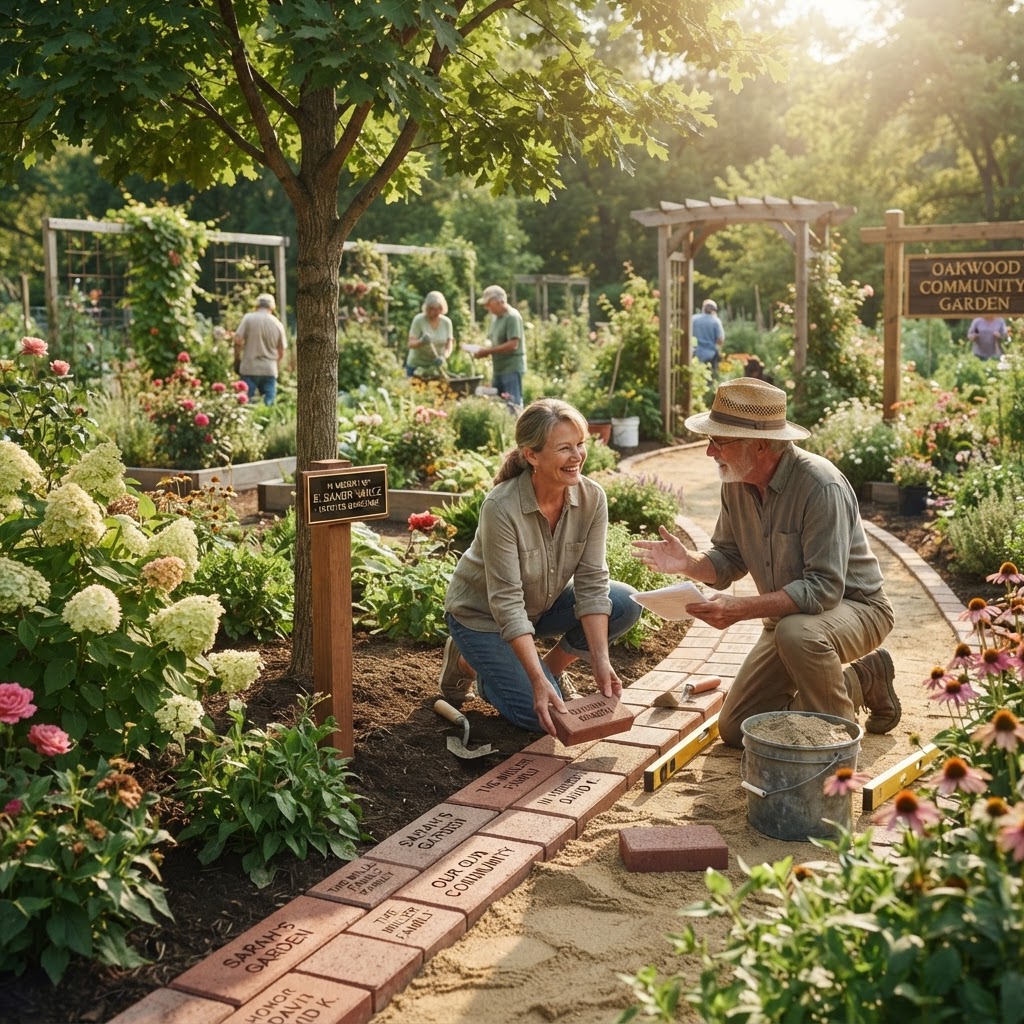
This is the most common entry point for community gardens, and for good reason. Engraved bricks are relatively affordable to produce, easy to install into existing or new pathways, and offer donors a lasting, visible tribute. Donors can personalize the text — typically two to three lines of engraving — to honor a loved one, celebrate a milestone, or simply declare their support for the garden.
Brick programs work especially well for gardens with established pathways or plans to create them. They're highly scalable, meaning you can sell dozens or even hundreds of bricks over several years as the pathway grows.
Tribute Trees
A tribute tree program involves planting a named tree in honor or memory of someone. This is particularly meaningful for memorial donations, as trees carry natural symbolism around growth, legacy, and permanence. Each tree can be marked with a small engraved stake or plaque bearing the honoree's name and dedication date.
Keep in mind that trees require more planning than bricks. You'll need to choose species appropriate for your climate and garden design, plan for maintenance, and account for the possibility that a tree may not survive — which requires a sensitive replacement policy.
Hybrid and Expanded Options
Many successful gardens offer multiple tribute types to accommodate different budgets and preferences:
- Named raised beds for larger donations
- Seating benches with plaques
- Sponsor-a-tool programs with small engraved tags
- Garden section sponsorships (e.g., the butterfly garden or herb spiral)
Offering a range of options allows donors at every giving level to participate and feel connected.
Setting Up Pricing and Tiers
Pricing should reflect your actual costs while remaining accessible to your community. Here's a general framework to consider:
- Entry-level tier: A single engraved brick or small memorial stake. Price this so it's achievable for most families while still covering costs plus a fundraising margin.
- Mid-level tier: A named raised bed or memorial bench plaque. This tier often appeals to families making memorial donations or businesses seeking community visibility.
- Premium tier: A tribute tree with plaque, or a named garden section. Reserve these for larger contributions and make them feel special and exclusive.
When setting prices, be transparent with your community about why they are what they are. People appreciate honesty, and explaining that each donation covers installation plus funds ongoing garden improvements builds trust.
Consider offering a payment plan option for higher-tier donations. Some families may want to contribute at a meaningful level but need to spread payments over several months.
Managing Dedications and Records
This is the administrative backbone of your program, and it deserves serious attention. Poor record-keeping can lead to errors in inscriptions, lost donor information, and significant damage to your garden's reputation.
Create a Donor Database
Use a simple spreadsheet or a free database tool to record:
- Donor name and contact information
- Honoree name and relationship to donor
- Inscription text (exactly as the donor submitted it)
- Tier and amount donated
- Payment status
- Order submission date
- Installation date
- Location within the garden (with a map reference)
Back this up regularly and ensure at least two committee members have access.
Develop a Clear Submission Process
Give donors a simple, clear form — either paper or digital — to submit their inscription details. Include a field for their preferred text and a confirmation step where they approve the final layout before it goes to the engraver. This prevents costly errors.
Be explicit about character limits and any restrictions on language or content. Most engravers charge by the character or line, so keeping inscriptions concise also helps manage costs.
Plan for the Long Term
What happens when a brick becomes damaged? When a tree dies? When the garden undergoes renovation? These scenarios will eventually arise, and having written policies in place before they happen protects you from difficult conversations later. A thoughtful policy might include free replacement for manufacturer defects within a certain period and a replacement fee for normal wear or accidental damage.
Promoting Your Program
Even the best-designed program won't succeed if people don't know about it. Promotion should be ongoing, not just a single announcement.
Launch with a Story
Don't launch your program with a price list. Launch it with a story. Share who inspired it, what it will fund, and why it matters to your garden community. A touching story about a beloved community member being honored through a tribute tree will resonate far more than a flyer listing brick prices.
Use Multiple Channels
Promote your program through:
- Your garden's newsletter and email list
- Social media platforms your members actively use
- Posters and signage within the garden itself
- Local community boards and neighborhood apps
- Partnerships with local funeral homes, hospitals, or hospice organizations for memorial donations
- Local businesses who may sponsor a raised bed in exchange for recognition
Host a Dedication Event
Consider holding a seasonal dedication ceremony where new tributes are formally recognized. These events create community, give donors a meaningful experience, and generate fresh interest and media coverage. Even a small, informal gathering with tea and a moment of recognition can be deeply moving.
Common Mistakes to Avoid
Learning from others' missteps can save your program significant time, money, and heartache.
Overselling available spaces. Never promise tribute spots you don't have room for. Map out your available spaces before launching and stick to those limits. Running out of room mid-campaign and having to turn donors away is deeply awkward.
Skipping the proofreading step. An error in an inscription — especially a name spelled wrong on a memorial brick — is more than an inconvenience. It can be genuinely painful for a grieving family. Always have donors confirm the exact text before placing the order.
Underpricing the program. If your prices don't cover costs plus a meaningful fundraising margin, you're doing a lot of work for very little gain, or worse, losing money. Calculate your true costs carefully before setting prices.
No succession planning. Committee members move, burn out, or step back. If only one person knows how the program works, a single departure can leave your program in chaos. Document your processes clearly and train more than one person.
Neglecting maintenance and upkeep. A faded, cracked, or overgrown tribute brick pathway sends a poor message to donors and the community. Budget for ongoing maintenance as part of your program's operating costs.
Promising permanence you can't guarantee. Gardens evolve. Beds move, paths are rerouted, trees die. Be honest with donors that while you intend tributes to be permanent, gardens are living spaces and changes may occasionally occur. A compassionate, transparent policy is far better than an impossible promise.
Tips for Success
Start small and grow. Launch with one program type — usually engraved bricks — before expanding to trees and benches. This lets you work out operational kinks before the stakes get higher.
Partner with local businesses for printing and engraving. Local vendors may offer better prices, faster turnaround, and goodwill in exchange for being listed as a program partner.
Build in annual review dates. Set a date each year to review pricing, evaluate program performance, and assess whether you're meeting your financial goals.
Celebrate your donors publicly. Maintain a visible honor roll — a framed list, a garden map, or a page on your website — that recognizes everyone who has contributed. Visibility encourages others to join.
Make the giving experience beautiful. The moment a donor purchases a tribute should feel meaningful. A handwritten thank-you note, a photo of the installed tribute, or an invitation to a dedication event transforms a transaction into a lasting relationship.
Reach out during meaningful seasons. Memorial Day, Mother's Day, Father's Day, and the anniversary of losses are natural moments when tribute donations spike. A gentle, sensitive outreach at those times can significantly boost participation.
Create a simple brochure. A well-designed, professionally printed brochure that can be handed out at events or left in local libraries and community centers does a lot of passive promotion for you.
Conclusion
A tribute tree or engraved brick program is more than a fundraising strategy — it's a way of weaving your community garden into the living fabric of the neighborhood it serves. When people see their grandmother's name on a brick in the pathway, or watch a tree planted in a friend's memory grow taller each spring, the garden becomes something deeply personal. That emotional connection transforms casual visitors into passionate advocates and one-time donors into lifelong supporters.
Building the program thoughtfully takes real effort upfront: assessing your space, choosing your program type, setting fair pricing, establishing solid record-keeping, and planning your promotion carefully. But the rewards — both financial and community-building — are well worth that investment.
Start with a clear vision of what you want to fund and who you want to honor. Recruit a committed small team. Set honest, transparent prices. Tell compelling stories. And above all, make every donor feel that their contribution has created something real, something beautiful, and something lasting.
Your garden has the capacity to hold the memories, the milestones, and the love of your entire community. A tribute program simply gives people a way to plant those feelings in the soil alongside their flowers and vegetables.