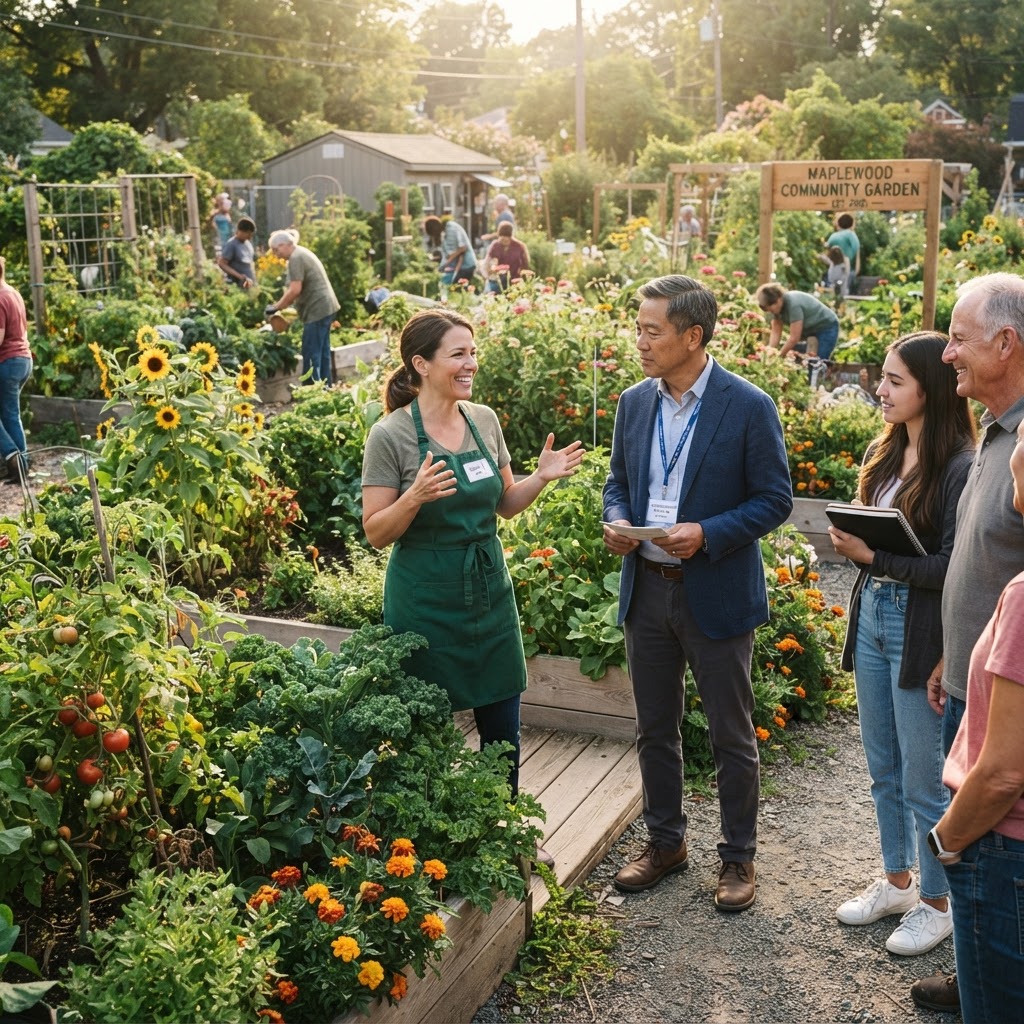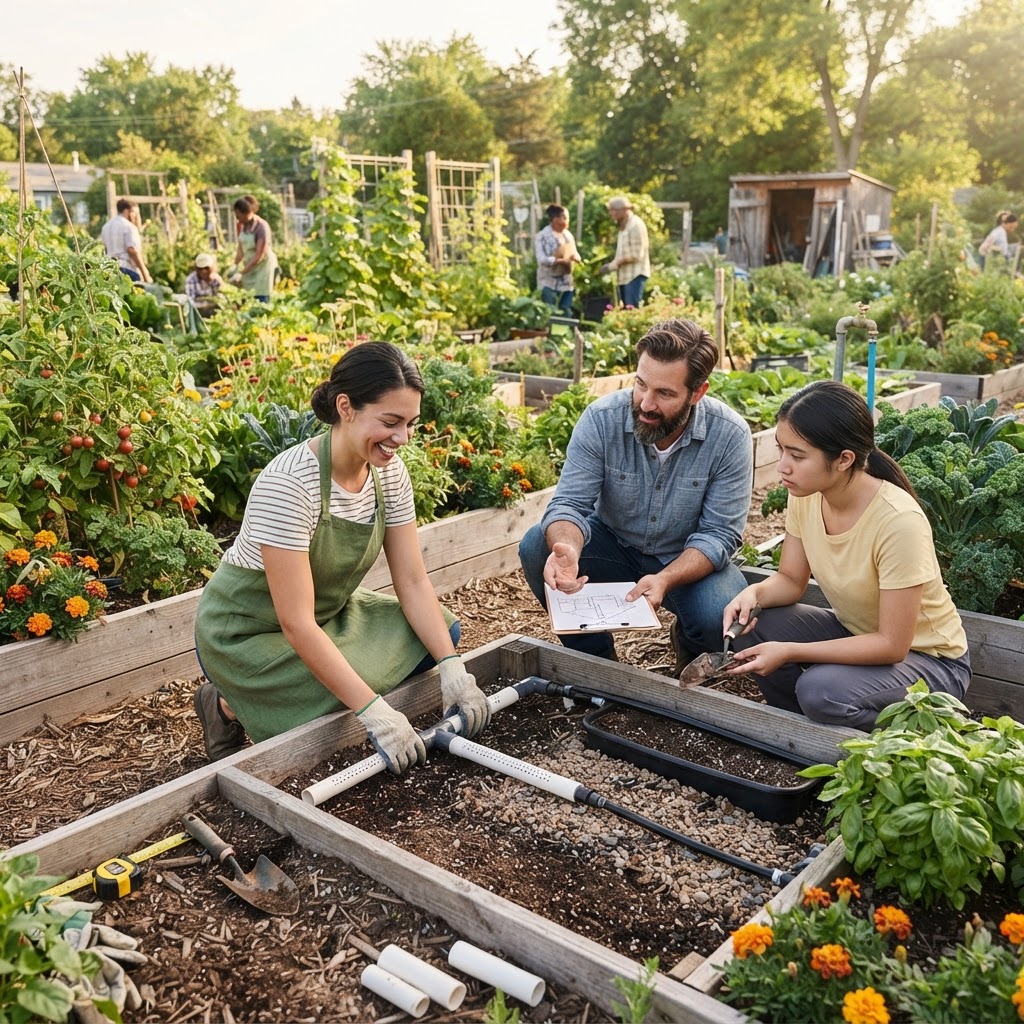
Community gardens are vibrant spaces that bring people together, grow fresh food, and strengthen neighborhoods. But building or upgrading these spaces takes real money — and grants alone often aren't enough. Crowdfunding has emerged as a powerful way for community gardens to raise funds directly from supporters, neighbors, and passionate strangers who believe in the mission of growing together.
Whether you're looking to install a new greenhouse, build accessible raised beds, add a tool storage shed, or establish a water harvesting system, a well-planned crowdfunding campaign can turn your vision into reality. This guide walks you through everything you need to know to run a successful crowdfunding campaign for your specific garden capital project.
Getting Started
Before you launch any crowdfunding campaign, it's essential to lay the groundwork. Jumping in without preparation is one of the most common reasons campaigns fall flat. Here's how to start on solid footing.
Clarify your project vision. What exactly are you trying to build or purchase? The more specific you are, the more confidence donors will have in your campaign. "We need funds for the garden" is vague and unconvincing. "We're raising money to build three ADA-compliant raised garden beds with a connected drip irrigation system" is compelling and clear.
Get your community on board first. Before going public, talk to your garden members, neighbors, and local businesses. Build a small base of early supporters who are ready to donate in the first 48 hours of your campaign. Campaigns that gain momentum quickly are far more likely to succeed because platform algorithms and social proof encourage others to give.
Organize your team. Crowdfunding is not a one-person job. Assign roles such as campaign manager, social media coordinator, content creator, and community outreach lead. Even a small team of three or four dedicated volunteers makes a significant difference.
Gather your materials in advance. You'll need photos of your current garden space, a short video (even a simple smartphone video works), a written project description, and a breakdown of how funds will be spent. Campaigns with video content consistently outperform those without.
Choosing the Right Crowdfunding Platform
Not all crowdfunding platforms are created equal, and choosing the right one for your garden project matters more than you might think.
All-or-Nothing vs. Keep-What-You-Raise
Some platforms operate on an all-or-nothing model, meaning you only receive funds if you hit your goal. Others let you keep whatever you raise. For capital projects with fixed costs — like purchasing a specific piece of equipment or hiring a contractor — all-or-nothing can actually work in your favor because it signals urgency to donors. For more flexible projects, keep-what-you-raise models reduce risk.
Platform Fees
Every platform takes a percentage of what you raise, plus payment processing fees. Read the fine print carefully before committing. These fees vary widely and can significantly affect how much money actually reaches your garden.
Platform Audience
Some platforms have built-in communities of donors who regularly browse and support projects. Others are essentially blank slates where you supply all the traffic. Community-focused or civic platforms may be a natural fit for garden projects, while general creative platforms may have a wider reach.
Nonprofit Considerations
If your garden operates as a nonprofit or is fiscally sponsored by one, certain platforms offer lower fees or dedicated tools for nonprofits. This can make a meaningful difference to your bottom line.
Defining Your Capital Project Clearly
Capital projects refer to significant, tangible improvements to your garden infrastructure — the things that will serve the community for years to come. Common garden capital projects include:
- Greenhouse construction — extends the growing season and provides a protected environment for seedlings
- Accessible raised beds — allows gardeners with mobility limitations to participate fully
- Tool storage sheds or lockboxes — keeps equipment safe and organized
- Irrigation and water systems — includes drip lines, rain barrels, or greywater systems
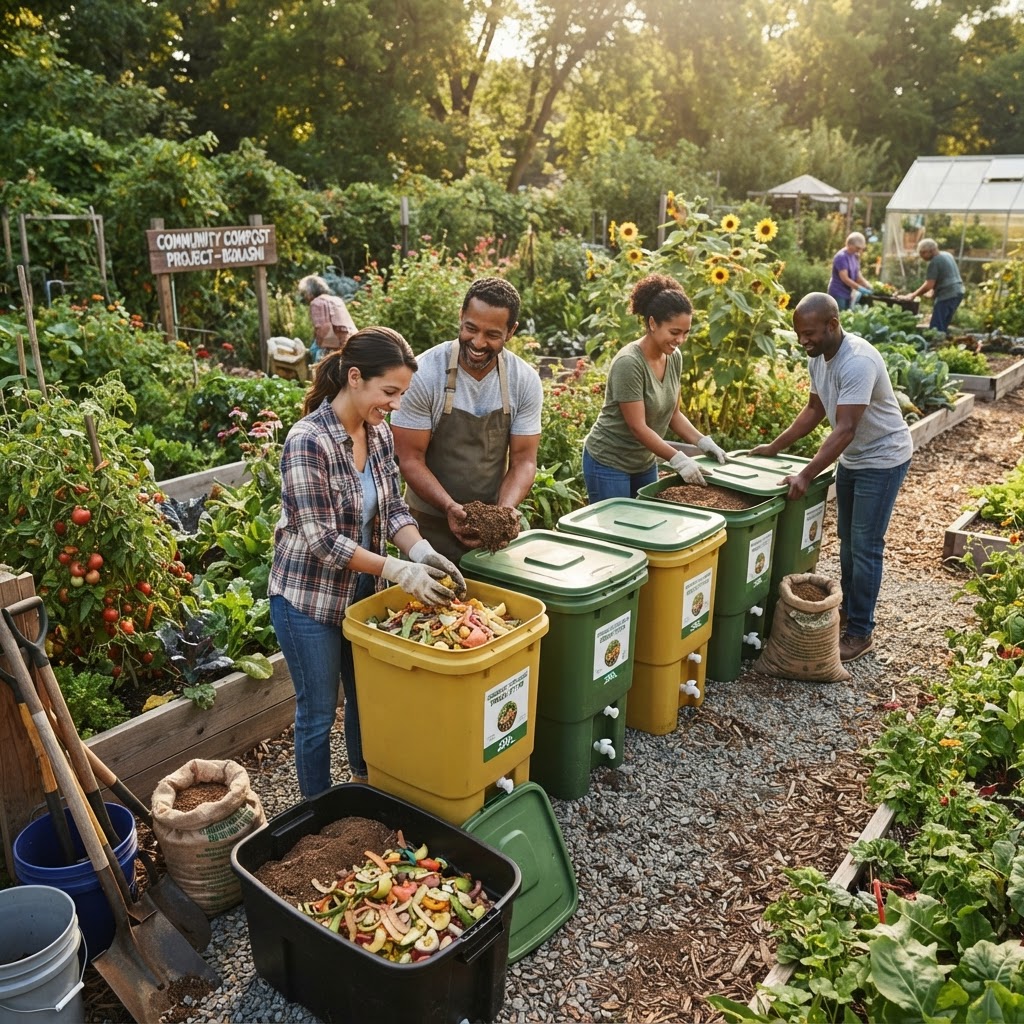
- Composting infrastructure — bins, tumblers, or full composting stations
- Fencing and security improvements — protects the garden from vandalism or wildlife
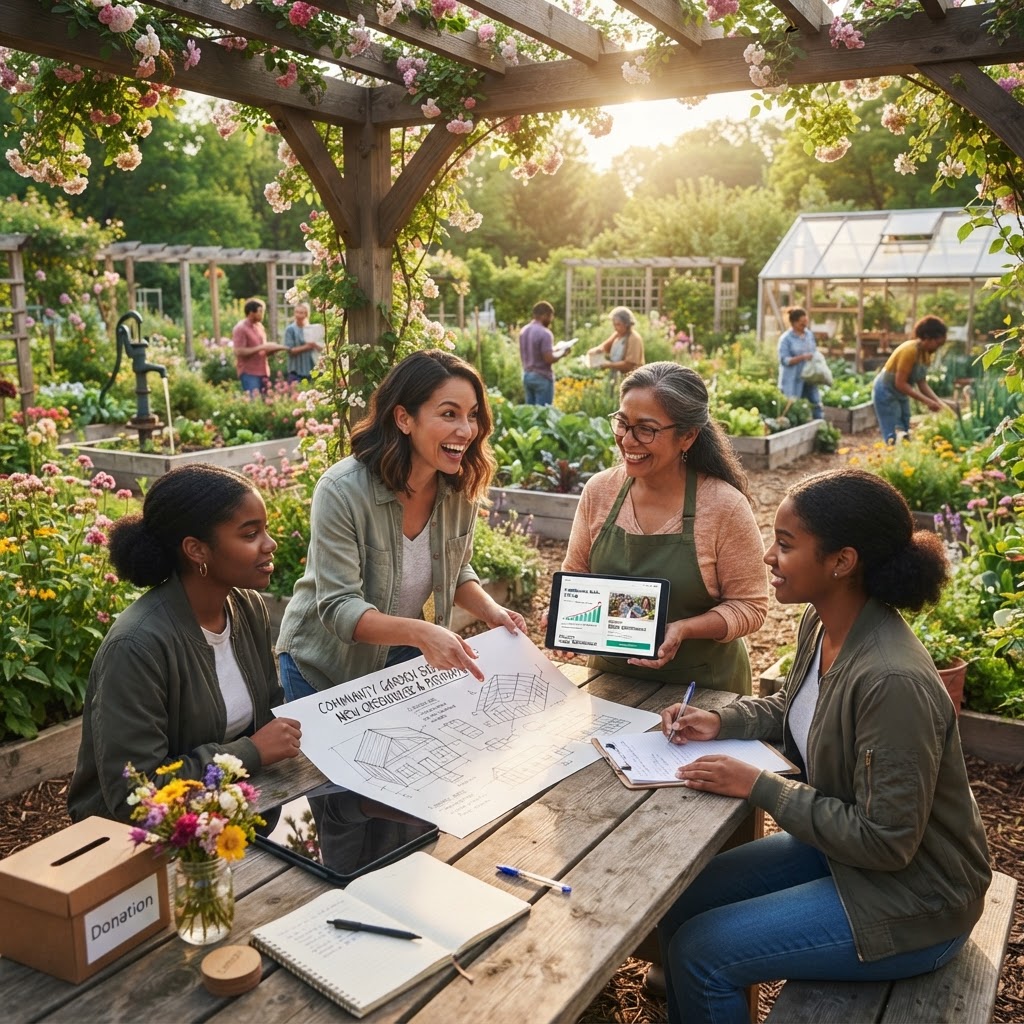
- Educational pavilions or seating areas — creates space for workshops and community gatherings
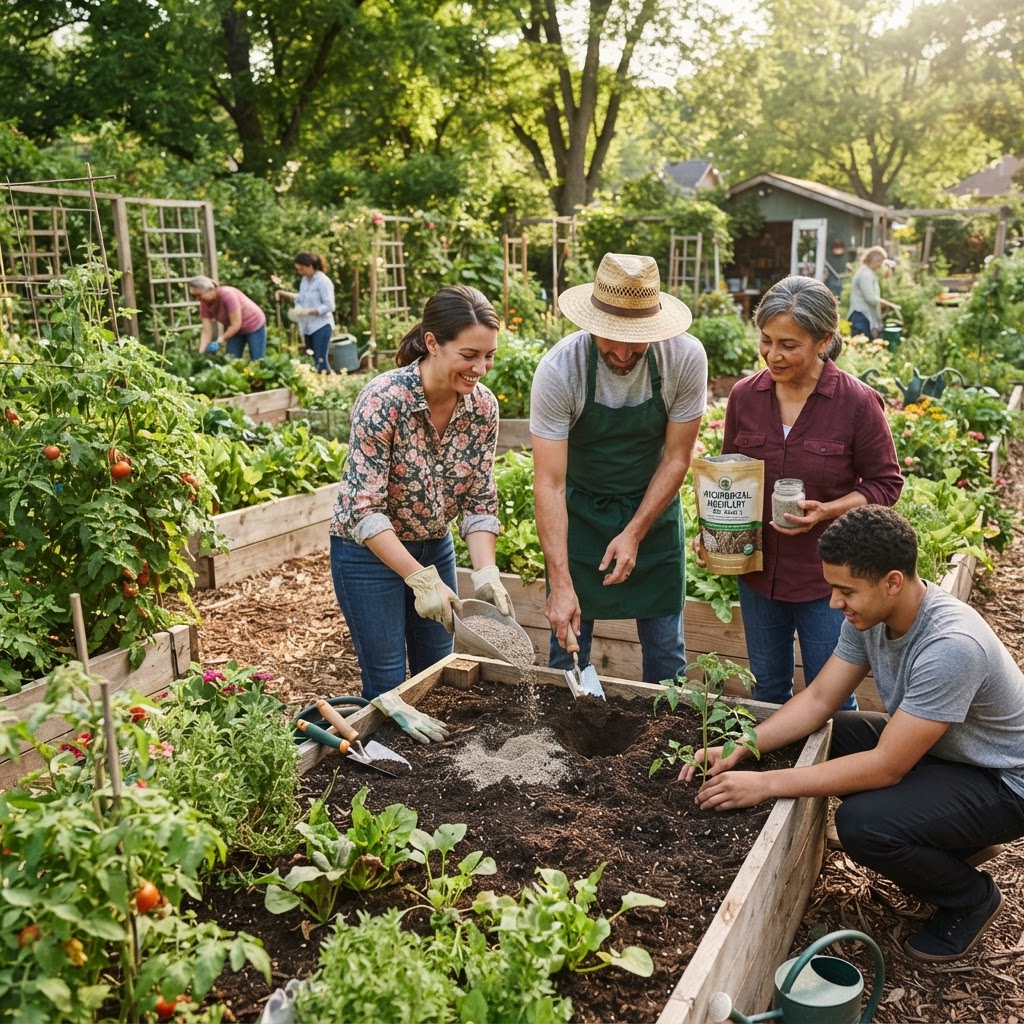
- Soil amendment and bed construction — building new plots to expand growing capacity
For your campaign, pick one focused project rather than combining multiple needs into a single ask. Donors want to know exactly what their money is building. A campaign for "a new community greenhouse" is far easier to visualize and support than a campaign for "various garden improvements."
Building Your Campaign Story
Your story is the heart of your campaign. People don't donate to projects — they donate to people and missions they care about.
Tell the Human Story
Explain who uses your garden and why it matters to them. Share a short story about a specific person or family whose life the garden has touched. This emotional connection motivates giving far more effectively than a list of features.
Explain the Problem and the Solution
Walk donors through the current challenge. Maybe your garden lacks shade for summer workshops. Maybe new families have joined but there aren't enough plots. Then introduce the capital project as the specific solution that addresses this real need.
Show Your Progress and Credibility
If your garden has been running successfully for several years, say so. If you've completed other projects, mention them. Donors want to know their money is going to an organized, trustworthy group. Share any partnerships with local organizations, schools, or city programs.
Be Transparent About the Budget
Break your budget down line by line. If you're building a greenhouse, show the cost of materials, labor, permits, and any contingency funds. Transparency builds trust and reassures donors that you've thought the project through carefully.
Setting Realistic Funding Goals
Setting your goal too high can make the campaign feel impossible; setting it too low can leave you short of what you actually need. Here's how to find the right number.
Get real quotes. Contact vendors, contractors, or suppliers to get actual cost estimates for your project before setting your goal. Don't guess. Nothing undermines credibility faster than a campaign that clearly hasn't done its homework.
Include platform fees in your calculation. Since platforms take a percentage, you'll need to raise slightly more than the actual cost of your project to cover those fees.
Consider a stretch goal. If you're confident you'll hit your primary goal, consider announcing a stretch goal — an additional target that funds a bonus improvement. For example, hitting your main goal funds the greenhouse structure, and a stretch goal adds a rainwater collection system to it.
Start conservatively if you're new to crowdfunding. A smaller, successful campaign builds credibility for future campaigns. Consistently meeting your goals shows the community you deliver on your promises.
Reward Tiers and Donor Incentives
Many crowdfunding platforms allow you to offer rewards or perks to donors at different giving levels. Even if your platform doesn't require it, thoughtful incentives can increase both the number of donors and the average donation size.
Ideas for Garden Campaign Rewards
- $10 level: A personal thank-you note from the garden and your name on a digital "supporter board"
- $25 level: A seed packet from the garden's own harvest
- $50 level: A one-hour garden tour and workshop invitation
- $100 level: A plot naming honor (if appropriate), or a seasonal share of garden produce
- $250+ level: A named tile, stone, or plaque on the finished structure, plus a private tour
- $500+ level: A "founding sponsor" recognition in all garden communications for a year
Keep rewards realistic. Don't promise things your volunteer team won't have time to fulfill. Seed packets, invitations to events, and handwritten notes are low-cost but genuinely meaningful.
Promoting Your Campaign Effectively
Even the most beautifully crafted campaign will fail without promotion. Getting the word out requires consistent, multi-channel effort throughout the campaign.
Leverage your existing network first. Email every garden member, past volunteer, and local partner in the first 24 hours. Early momentum is critical. Ask these people not just to donate but to share the campaign with their own networks.
Use social media strategically. Post regular updates — not just "donate please" messages, but behind-the-scenes content, progress updates, and stories about why the project matters. Platforms like Instagram and Facebook work well for community projects with visual content.
Reach out to local media. Local newspapers, neighborhood blogs, and community radio stations often love a feel-good story about community gardens. A short feature article or radio mention can drive significant traffic to your campaign.
Partner with local businesses. Ask neighboring businesses to share your campaign in their newsletters or social media, or even to offer a matching donation challenge for a limited time. A 48-hour match challenge can dramatically boost donations.
Host an in-person event. A garden workday, potluck, or open house during your campaign period gives community members a chance to see the space and feel emotionally connected to the project — making them far more likely to donate.
Managing Your Campaign Mid-Run
Once your campaign is live, the work doesn't stop. Active management dramatically improves outcomes.
Check in daily. Respond to questions from potential donors promptly and publicly so others can see the answers. Post at least two or three updates per week to keep momentum alive and show progress.
If you're halfway through your campaign and only a third of the way to your goal, it's time to intensify outreach, consider a targeted push to high-capacity supporters, or announce a short-term challenge to re-energize donors.
Thank donors publicly (with their permission) and immediately. A personal thank-you message within 24 hours of a donation significantly increases the chance that a donor will share your campaign with others.
Common Mistakes to Avoid
Even enthusiastic, well-intentioned campaigners make avoidable errors. Here are the most common ones and how to steer clear of them.
Launching without a pre-built audience. Don't assume strangers will find and fund your campaign organically. Build your base before you go live.
Being vague about the project. Donors need specifics. Unclear projects suggest disorganization and erode trust.
Setting an unrealistic goal. A failed campaign can feel demoralizing and may discourage future fundraising efforts. Better to aim achievable and succeed.
Neglecting updates. Campaigns that go silent after launch lose momentum fast. Stay visible and communicative.
Over-promising on rewards. Only commit to perks your team can realistically deliver. Unfulfilled promises damage your garden's reputation.
Ignoring the campaign after it ends. Follow through on every commitment, send final thank-you messages, and post a project completion update when the capital project is finished. This builds trust for your next campaign.
Tips for Success
- Start with a strong video. Even a two-minute smartphone video showing your garden and explaining the project in plain language can dramatically increase donations.
- Create a content calendar. Plan your updates, social posts, and outreach in advance so the campaign stays active without burning out your team.
- Launch on a Tuesday or Wednesday. Research suggests mid-week launches capture more attention than weekend launches.
- Create urgency without panic. Phrases like "Only two weeks left!" or "We're 80% of the way there — help us cross the finish line!" motivate action without feeling desperate.
- Celebrate milestones. When you hit 25%, 50%, and 75% of your goal, celebrate publicly. These markers encourage fence-sitters to give.
- Follow up after the campaign. Share photos and updates of the completed project with all your donors. This closes the loop and builds loyalty for future efforts.
Conclusion
Crowdfunding a capital project for your community garden is absolutely achievable — and it can be one of the most community-building experiences your garden undertakes. When neighbors, families, and friends come together around a shared vision for a physical space they'll all benefit from, the campaign itself becomes part of the garden's story.
The keys to success are specificity, transparency, consistent communication, and genuine relationship-building with your donors. Don't think of crowdfunding as a transaction. Think of it as an invitation for your broader community to participate in something meaningful.
Start small if you need to. Learn from each campaign. And remember that every successful project you complete builds the trust and credibility that makes your next campaign even more successful. Your garden deserves the investment — and your community is likely more ready to help than you think.