Getting Started
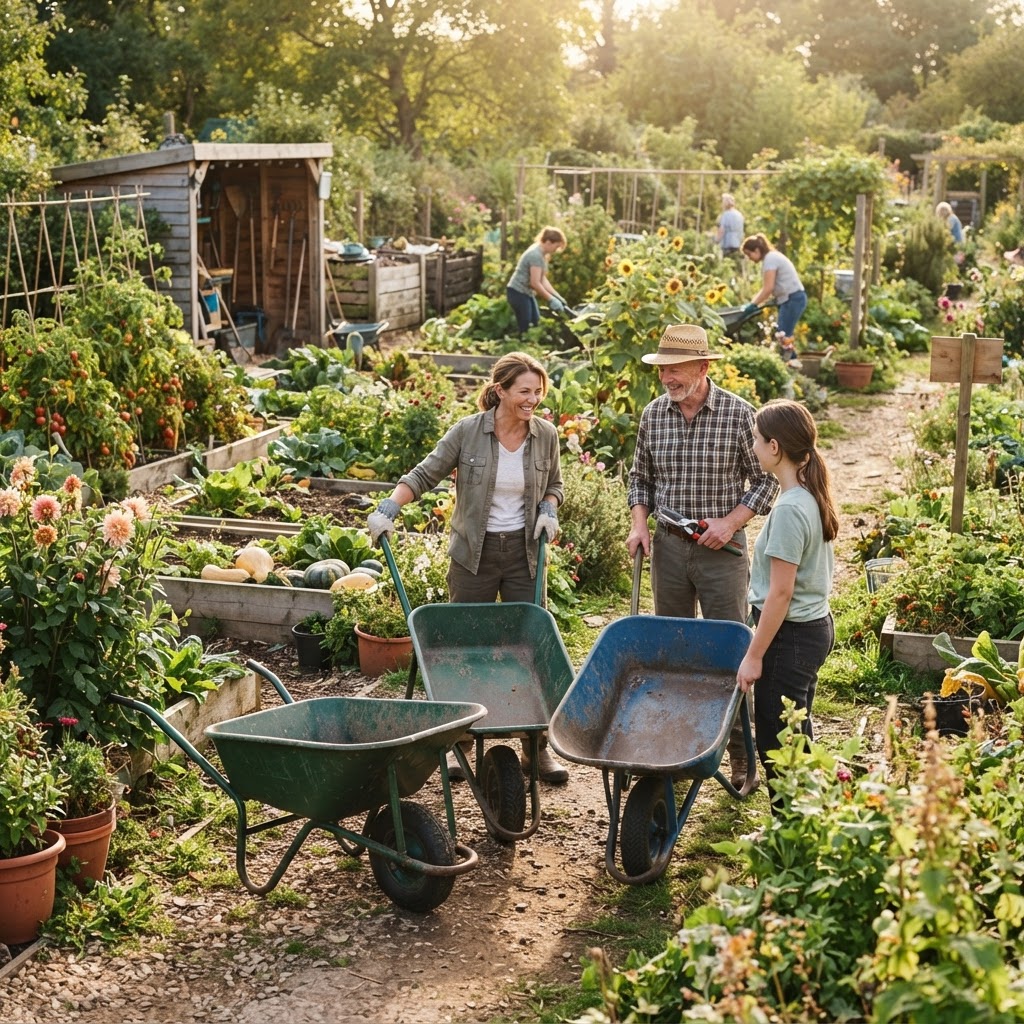
If you've ever tried hauling a load of compost across a community garden plot with a flimsy, wobbly wheelbarrow, you already know the frustration. The wheel wobbles, the tray flexes, and by the time you reach your destination, you've spilled half your load and strained your back in the process. For a community garden where multiple people of different ages, strengths, and skill levels will be sharing equipment, getting the right wheelbarrow isn't just a convenience — it's essential.
Heavy-duty wheelbarrows are a significant investment for any community garden group, and choosing the right one requires thinking beyond just "how big is it?" You'll need to consider who will be using it, what kinds of materials you'll be moving, how often it will be used, and how easy it will be to maintain over time. This guide will walk you through everything you need to know to make a confident, informed purchasing decision that serves your whole community well.
Why Heavy-Duty Wheelbarrows Matter for Community Gardens
Community gardens are demanding environments. Unlike a private backyard where one person might use a wheelbarrow a few times a week, communal spaces often see equipment used by dozens of members across long days and throughout entire growing seasons. That kind of frequent, varied use can quickly wear out a standard consumer-grade wheelbarrow.
Heavy-duty wheelbarrows are built with reinforced frames, thicker tray materials, and more robust wheel systems specifically designed to handle sustained heavy use. For a communal setting, investing in a heavy-duty model means:
- Fewer breakdowns during critical gardening periods
- Safer use for members of varying physical abilities
- Lower long-term costs from reduced replacements and repairs
- Better load capacity for moving soil, mulch, stones, and compost in meaningful quantities
When your whole community is depending on shared tools, reliability isn't optional — it's the foundation of a well-functioning garden space.
Key Features to Look For
Before you start browsing options, it's important to understand what separates a truly heavy-duty wheelbarrow from a mid-range model with fancy marketing language. Here are the features that genuinely matter.
Frame Construction
The frame is the skeleton of any wheelbarrow. Look for frames made from heavy-gauge steel rather than thin tubular steel or aluminium alloys that might flex under load. A powder-coated finish will help resist rust, which is especially important for equipment stored outdoors or in damp garden sheds. Welded joints are generally more durable than bolted ones, as bolts can loosen over time with repeated heavy use.
Tray Design and Material
The tray — sometimes called the pan or bucket — takes the brunt of every load. For heavy-duty communal use, look for trays made from:
- Thick-gauge steel: Extremely durable and resistant to punctures from rocks or sharp debris, though it will eventually rust if the coating is damaged
- Polyethylene (poly) trays: Rust-proof, lightweight, and easy to clean, though they may crack in very cold conditions if overloaded
- Galvanised steel: Offers a good balance of rust resistance and strength
Tray shape also matters. Deep-sided trays help contain loose materials like compost or bark chips, while shallower designs may be easier to tip and unload. Many gardeners find a tray depth of around 25–30 cm well-suited for general communal use.
Wheel Configuration
This is one of the biggest decisions you'll make. Wheelbarrows come in single-wheel and dual-wheel (or "two-wheel") configurations, each with distinct advantages.
Single-wheel wheelbarrows are more maneuverable in tight spaces and easier to navigate along narrow paths. However, they require more skill to balance properly, which can be challenging for beginners or those with limited upper body strength.
Dual-wheel or pneumatic flat-free wheelbarrows offer much greater stability, making them ideal for communal use where skill levels vary widely. They are harder to tip accidentally and easier to use on uneven ground. The trade-off is that they're slightly less nimble in very confined spaces.
For most community gardens, a dual-wheel model is worth considering, particularly if your garden includes members who are older, newer to gardening, or managing physical limitations.
Handles
Handles should be ergonomically designed and comfortable to grip for extended periods. Hardwood handles have a traditional feel and can be replaced if they crack or split. Steel handles are extremely durable but can become uncomfortably cold in winter. Many modern heavy-duty models offer polymer-coated or cushion-grip handles, which improve comfort across a wide range of users — an important consideration for communal equipment.
Types of Heavy-Duty Wheelbarrows
Understanding the main categories will help you narrow down your options quickly.
Traditional Steel Wheelbarrows
The classic design that most people picture. These feature a deep steel tray, a tubular steel frame, and a single pneumatic tyre. Heavy-duty versions have reinforced cross-braces beneath the tray and thicker gauge steel throughout. These are workhorses for moving heavy materials like wet soil, gravel, and compost.
Contractor-Grade Wheelbarrows
Originally designed for use on construction sites, contractor-grade wheelbarrows are built to handle extremely heavy loads — sometimes up to 200 kg or more. They typically feature reinforced steel trays, wide pneumatic tyres for stability on soft ground, and ergonomic handles designed for all-day use. For community gardens that regularly move heavy materials like landscaping stones or large quantities of topsoil, a contractor-grade model may be the right investment.
Poly Tray Wheelbarrows
With rust-proof polyethylene trays mounted on heavy-duty steel frames, these offer the best of both worlds for many community gardens. They're easier to clean — a real bonus in communal settings — and resist corrosion even when left outside. Modern poly tray designs have improved significantly in strength and are a popular choice for general gardening tasks.
Electric or Motorised Wheelbarrows
A growing category, motorised wheelbarrows use battery power to assist with moving heavy loads, reducing the physical strain on users. While significantly more expensive, they can be transformative for community gardens that include elderly members or those with mobility challenges. If your group has the budget and the need, they're worth serious consideration.
Capacity and Load Considerations
Wheelbarrow capacity is typically measured by tray volume (in litres) and maximum load weight (in kilograms). For communal use, here's a practical guide:
- Small (around 50–80 litres): Suitable for light tasks and narrow paths, but may frustrate members who need to make multiple trips
- Medium (around 80–100 litres): A good all-purpose choice for most communal gardens
- Large (100 litres and above): Ideal for high-volume tasks like distributing compost across multiple plots, but requires more physical effort to manoeuvre when full
A practical tip: bigger isn't always better. An oversized tray encourages overloading, which puts stress on the frame, wheels, and the people using it. Choose a capacity that's appropriate for the average task in your garden, not the biggest possible job.
Materials and Durability
Durability should be your primary concern when selecting communal equipment. Here's how the main material choices compare in real-world communal settings:
Galvanised steel offers excellent longevity but requires care to avoid rust if the coating is scratched. Encourage members to dry and store it properly.
Powder-coated steel looks good and resists light corrosion, but the coating can chip with heavy use, exposing metal to moisture. Regular touch-up paint can extend its life.
Polyethylene trays age very well and are resistant to most garden chemicals, making them low maintenance for communal use. However, check that the frame beneath remains steel, not aluminium, for maximum load-bearing capacity.
Pneumatic tyres offer excellent cushioning and traction on soft ground, but they can puncture. Many heavy-duty communal wheelbarrows now come with flat-free foam-filled tyres, which eliminate punctures entirely — a very sensible choice when you can't always guarantee that tyres will be checked before each use.
Common Mistakes to Avoid
Even experienced gardeners make these errors when selecting or managing communal wheelbarrows. Learning from them in advance can save your community time, money, and frustration.
Buying the cheapest option available. It's tempting to stretch the budget further by going with a budget model, but in communal use, a cheap wheelbarrow often fails within a season. The long-term cost is almost always higher than investing in quality from the outset.
Ignoring wheel type. Choosing pneumatic tyres without establishing a maintenance routine almost guarantees flat tyres at inconvenient moments. If no one is specifically responsible for checking tyre pressure, flat-free tyres are a smarter default for communal equipment.
Choosing the wrong capacity. A tray that's too large encourages overloading, which damages the wheelbarrow and risks injury. Match capacity to your garden's typical tasks.
Forgetting about storage space. A full-size contractor wheelbarrow needs adequate shelter. Make sure your tool storage area can actually accommodate the size of wheelbarrow you're considering.
Not involving the community in the decision. The people who will actually use the wheelbarrow every day have invaluable insights about what's needed. Before purchasing, consult your members — especially those who use the current equipment most frequently.
Selecting only one wheelbarrow for a large garden. For community gardens with more than ten or fifteen active plots, a single wheelbarrow quickly becomes a bottleneck. Plan for at least one wheelbarrow per five to eight active plots as a rough guide.
Tips for Success
Getting the right wheelbarrow is only the first step. Here's how to make sure your investment serves your community for years to come.
Create a simple usage log. A clipboard or whiteboard near your tool storage area where members can note any damage or maintenance needs helps you stay on top of repairs before small problems become big ones.
Establish basic usage guidelines. Post simple instructions near the wheelbarrow reminding users of the maximum recommended load, how to tip the tray safely, and where to store it after use.
Assign a maintenance volunteer. Designate one or two members each season to do monthly checks — inspecting tyre pressure or condition, tightening any loose bolts, checking handle integrity, and applying rust-preventative treatment to any exposed metal.
Store it properly. Keep wheelbarrows under cover when not in use. UV exposure degrades rubber tyres and plastic components over time, and standing water accelerates rust. A simple lean-to shed or covered rack makes a huge difference.
Purchase a spare tyre and tube. If you've opted for pneumatic tyres, keep a spare ready so that a flat tyre doesn't put your wheelbarrow out of action for an entire weekend.
Label community equipment clearly. Bright paint or engraved labels help distinguish communal equipment from members' personal tools, reducing mix-ups and ensuring the wheelbarrow stays in the communal area.
Consider buying two smaller models rather than one large one. Two medium-capacity wheelbarrows often serve a community better than one large one, as multiple members can work simultaneously and you have backup if one needs repair.
Maintenance and Care for Shared Equipment
A well-maintained wheelbarrow can last a decade or more, even with heavy communal use. Establish these simple habits from the start:
- Clean the tray after each use, especially after moving compost or manure, to prevent corrosion and unpleasant odours
- Check and inflate pneumatic tyres at the start of each busy season
- Oil the wheel axle once or twice a season to reduce friction and wear
- Inspect welds and frame joints annually for any signs of stress or cracking
- Sand and repaint any areas where rust begins to appear on steel surfaces
- Replace wooden handles at the first sign of cracking or splitting, before they become a splinter hazard
Conclusion
Selecting the right heavy-duty wheelbarrow for communal use is one of the most practical investments your community garden can make. By prioritising durability over price, matching capacity to your actual needs, considering the diverse range of people who will be using it, and setting up simple maintenance routines from day one, you'll ensure that this essential piece of equipment serves your garden reliably for many seasons to come.
Remember that the best wheelbarrow for your community is ultimately the one that meets your specific needs — the size of your garden, the types of materials you regularly move, the physical abilities of your members, and your storage capacity all play a role. Take the time to consult your community before purchasing, and don't be afraid to invest in quality. A good wheelbarrow doesn't just move compost — it moves your whole community garden forward.