Getting Started
Before you dive into writing your safety protocol document, it helps to lay a little groundwork. Rushing into drafting policies without preparation can result in a document that looks thorough on paper but fails when real situations arise.
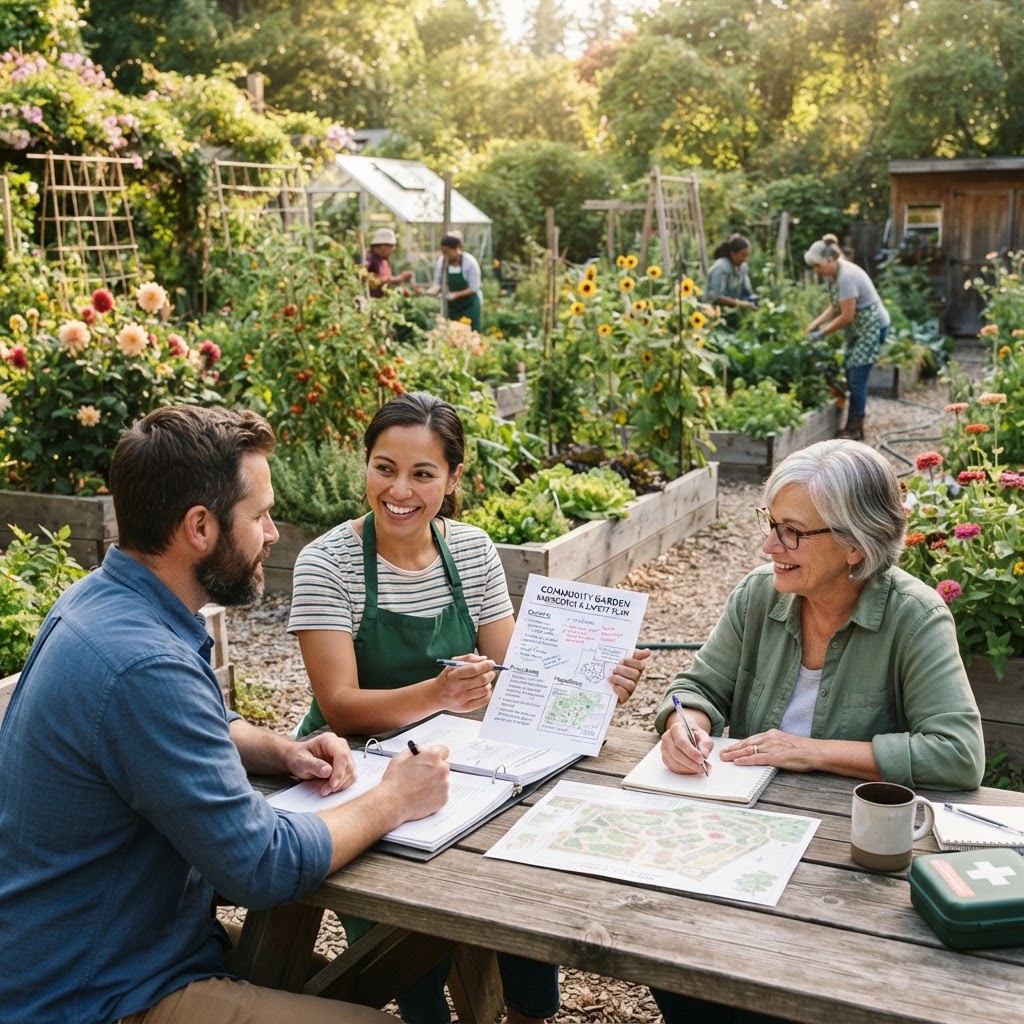
Assemble a Small Working Group
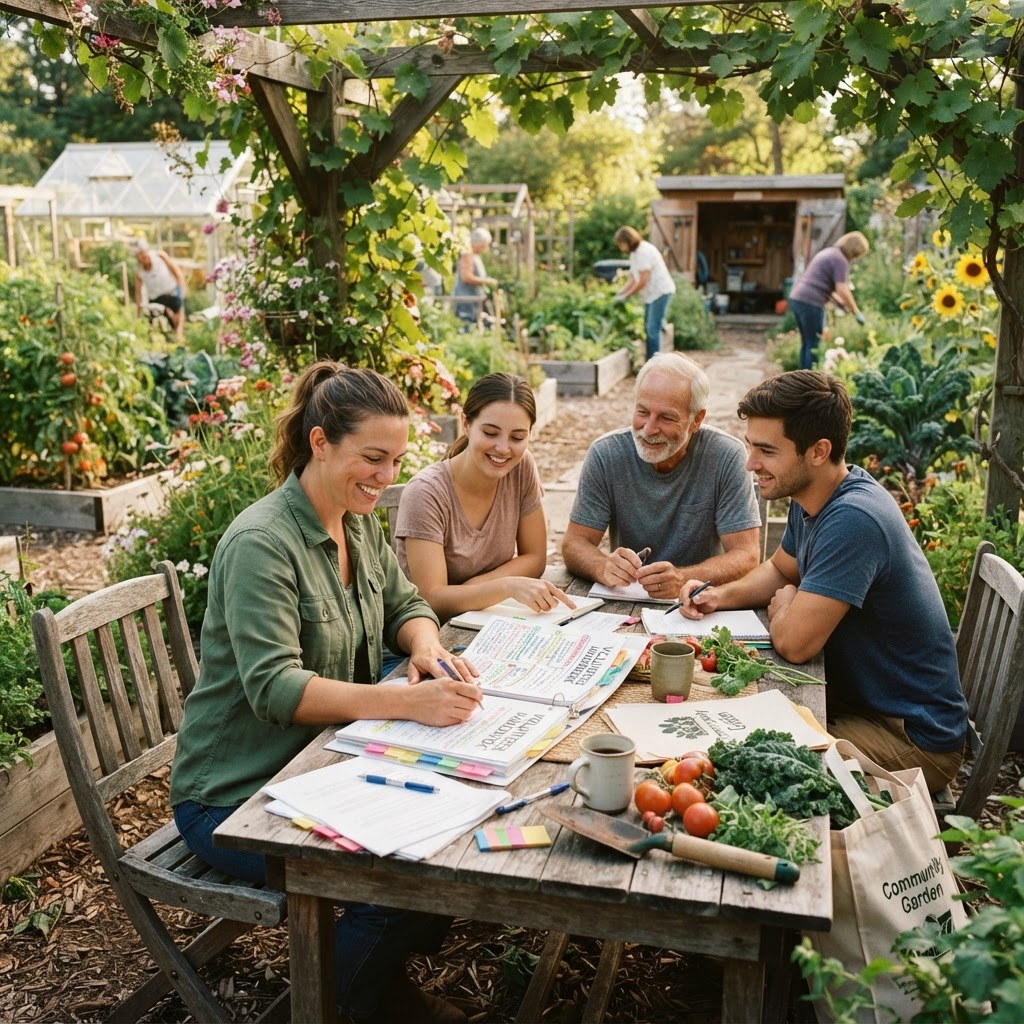
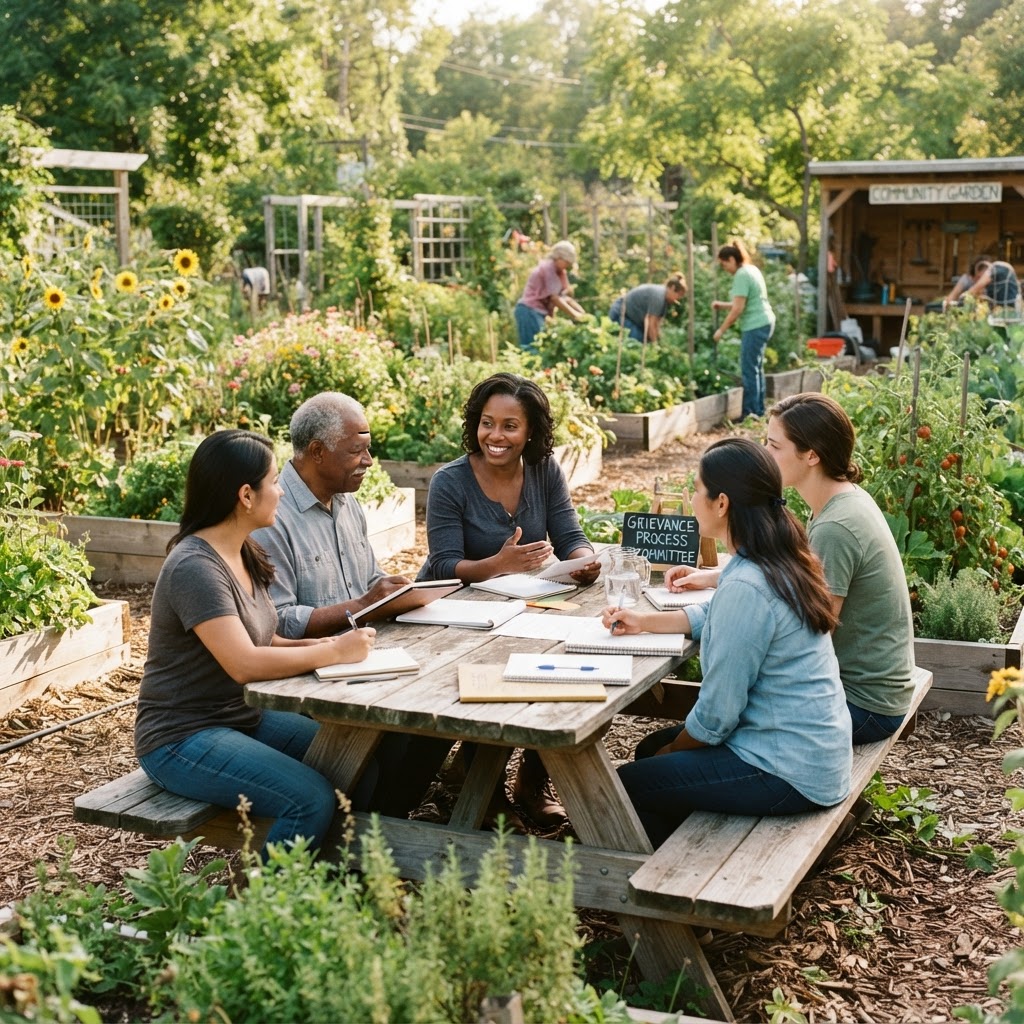
Creating this document shouldn't fall on one person's shoulders. Gather a small team of three to five garden members who represent different perspectives — experienced gardeners, newer members, parents, seniors, or anyone who regularly spends time in the space. Diverse viewpoints help identify risks that a single author might overlook.
Walk the Garden Together
Schedule a physical walkthrough of your garden space with your working group. Bring a notepad and look at everything with fresh eyes. Where are the water sources? Is there adequate lighting for early morning or evening gardeners? Are pathways wide enough and free of trip hazards? Are tools stored securely? This hands-on assessment will give you concrete, specific details to include in your document rather than generic recommendations.
Review Any Existing Rules or Agreements
If your garden already has a member agreement, lease terms, or a set of informal rules, gather those documents. Your safety protocol should complement — not contradict — what's already in place. It should also align with any requirements set by your local parks department, landowner, or umbrella organization.
Identify Your Legal and Insurance Context
Contact whoever manages your garden's insurance policy to understand what's required or recommended. Some insurers have specific expectations around documented safety procedures, and knowing these requirements upfront ensures your document serves its full protective function.
Why Your Community Garden Needs a Safety Protocol Document
You might wonder whether a formal document is truly necessary for a community garden. After all, most members are well-meaning, careful people. But emergencies don't announce themselves, and when something goes wrong — a bee sting triggers anaphylaxis, someone slips on a wet boardwalk, or a sudden storm rolls in — a clear protocol makes the difference between a calm, coordinated response and chaos.
A safety protocol document serves several important purposes:
- It sets clear expectations. Every member, new or veteran, knows what behavior is expected of them and what to do in an emergency.
- It demonstrates community care. Showing members that leadership has thought through their wellbeing builds trust and encourages engagement.
- It reduces liability. While no document eliminates legal risk entirely, a thoughtful safety plan demonstrates that your garden takes member welfare seriously.
- It preserves institutional knowledge. Garden leadership changes over time. A written protocol ensures that safety procedures aren't lost when longtime members move on.
Key Components to Include
A strong emergency and safety protocol document covers several interconnected areas. Here's what to make sure you address:
Introduction and Purpose Statement
Open with a brief statement explaining the document's purpose and who it applies to. Keep it friendly and clear: this document is for all members, volunteers, and visitors, and its goal is to make the garden a safe and welcoming place for everyone.
Emergency Contact Information
This section should be easy to find — consider making it the very first page or placing it prominently at the top. Include:
- Local emergency services number (911 in the US)
- Nearest hospital or urgent care clinic address
- Garden coordinator or emergency contact name and phone number
- Secondary contact in case the primary is unavailable
- Landowner or facilities manager contact (if applicable)
Post this information physically in the garden as well — on a sign near the entrance, on the tool shed, or anywhere members frequently gather.
Location and Access Information
Emergency responders need to find your garden quickly. Document your garden's full street address, any secondary access points, and specific internal landmarks (such as "the first aid kit is located on the east wall of the main tool shed"). If your garden is tucked inside a larger park, include directions from the nearest main road.
First Aid Resources
Identify where your first aid kit is stored and who is responsible for keeping it stocked. List the kit's contents, and note any expiration dates to watch. Specify whether any trained first aid or CPR-certified members are available and willing to respond during garden hours.
Building Your Emergency Response Plan
The heart of your safety document is the emergency response plan — the step-by-step guidance for handling specific situations. Think through the most likely scenarios in your specific garden environment.
Medical Emergencies
Injuries and medical events can happen to anyone. Your protocol should outline:
- Assess the situation — Is the person conscious and breathing?
- Call for help — Dial emergency services if the situation is serious. Don't delay.
- Notify the garden coordinator — Use the emergency contact list.
- Render basic first aid — If trained, begin appropriate care. If not, stay with the person and keep them calm until help arrives.
- Document the incident — After the emergency is resolved, fill out an incident report form.
Include a specific note about allergic reactions. Ask members to voluntarily disclose severe allergies during onboarding, and encourage those with known anaphylaxis risk to carry an epinephrine auto-injector when gardening.
Weather Emergencies
Sudden weather changes are common outdoor hazards. Address:
- Thunderstorms: At the first sign of lightning, all members should immediately leave the garden and seek shelter in a solid building. Avoid sheds or gazebos.
- Extreme heat: Establish guidelines for hydration and encourage members to garden during cooler morning or evening hours in summer. Note where shade and water are available.
- Flooding or standing water: Identify which areas of the garden are prone to flooding and what members should do if water accumulates rapidly.
Fire
While rare, fires can occur — particularly in dry conditions or near composting areas. Include the location of any fire extinguishers, instructions for safe use, and a reminder to always call emergency services rather than attempt to fight a serious fire alone.
Security Incidents
Address situations like vandalism, trespassing, or threatening behavior. Your protocol should clearly state that members should not physically confront anyone but should contact local law enforcement and notify garden leadership.
Tool and Equipment Safety Guidelines
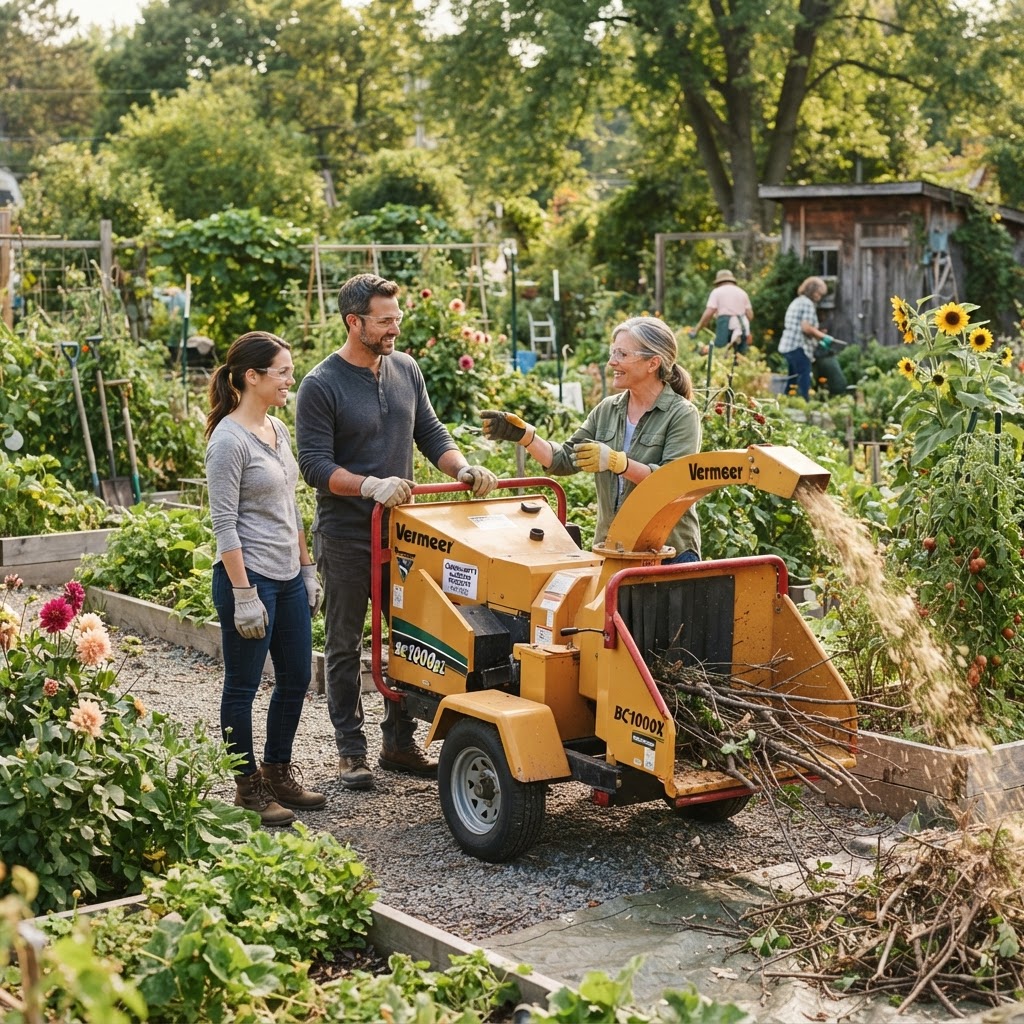
Tools are among the most common sources of injury in community gardens. Dedicate a clear section to safe tool use and storage.
Safe Tool Practices
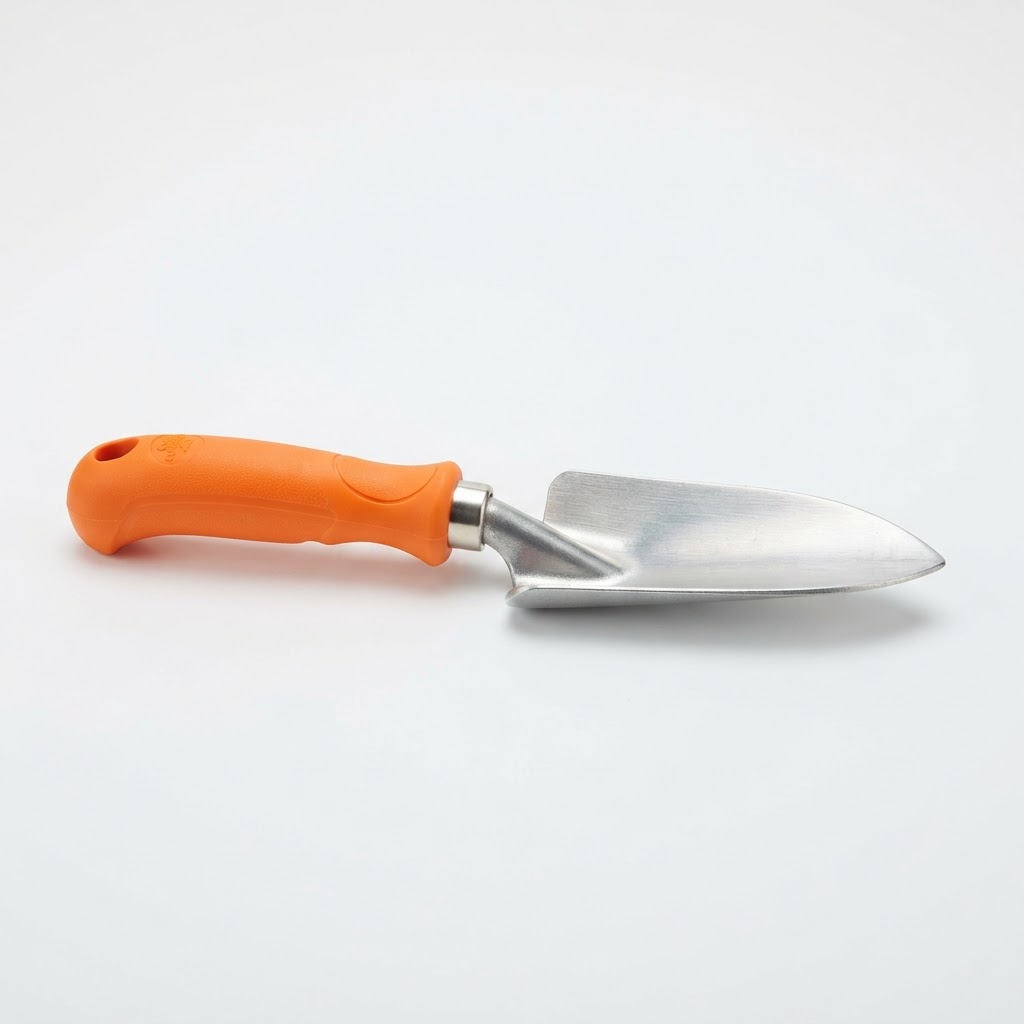
- Always carry tools with blades or tines pointed downward and away from the body.
- Never leave tools lying on pathways or in the middle of beds where others might trip.
- Use the right tool for the job — improvising with tools increases injury risk.
- Inspect tools before use. Report damaged handles, loose heads, or rust to the garden coordinator.
Tool Storage and Access
Describe how tools should be stored after each use, who has access to the tool shed, and how members can borrow or check out tools if your garden operates a shared lending system.
Ergonomics and Physical Safety
Encourage members to take breaks, stretch before long gardening sessions, and use kneeling pads or raised beds to reduce strain. This is especially important for older members or those with physical limitations.
Chemical and Pesticide Safety Protocols
Even gardens that strive to be chemical-free may occasionally use products that require careful handling. Be explicit about your garden's policies.
- Clearly state whether chemical pesticides and synthetic fertilizers are permitted or prohibited in your garden space.
- If permitted, specify approved products and application methods.
- Require members to notify other gardeners before applying any sprays or treatments so others can plan accordingly.
- Include proper disposal instructions for any chemical containers.
- Note any buffer zones around children's areas, water sources, or plots maintained by members who have opted out of chemical use.
Common Mistakes to Avoid
Even the most well-intentioned safety documents can fall short. Here are some pitfalls to sidestep:
Creating a document and then forgetting about it. A safety protocol is a living document. Review it at least once a year and update it after any incident or significant change to the garden.
Using overly technical or legal language. Your document should be readable by everyone, including members for whom English may be a second language. Use plain, conversational language and consider translating key sections if your community is multilingual.
Failing to train members on the protocols. Handing someone a document isn't enough. Host a short orientation for new members that walks through the most important safety procedures, and offer annual refreshers for the whole community.
Making it inaccessible. If members can't find your document, it won't help anyone. Keep copies in the tool shed, share it digitally with all members, and post a condensed version of emergency contacts in visible locations throughout the garden.
Forgetting vulnerable members. Ensure your protocols account for children, elderly members, and individuals with disabilities. Consider accessibility when designing evacuation routes and identifying meeting points.
Skipping the incident report process. Many gardens document policies for emergencies but neglect to create a simple incident report form. Documenting what happened, when, and how it was handled helps you improve your protocols over time and protects the garden legally.
Tips for Success
Creating a great safety protocol document is one thing — making it truly effective is another. These actionable tips will help your document live up to its purpose:
Make it visually scannable. Use headers, bullet points, and bold text for key information so that members can find what they need quickly in a stressful moment.
Keep an updated printed copy on-site at all times. Digital versions are convenient, but phones can run out of battery. A laminated or binder-protected printed copy in the tool shed ensures the document is always accessible.
Assign clear roles. Don't just say "someone should call 911." Identify who is responsible for making that call, who manages communication with the rest of the garden, and who meets emergency responders at the entrance.
Invite member feedback. After your working group drafts the document, share it with the full garden membership before finalizing. Members may identify gaps or suggest improvements based on their own experience.
Connect with local resources. Reach out to your local fire department, community health organization, or parks department. Many offer free resources, training sessions, or even on-site workshops for community groups.
Test your protocols. Consider doing a simple tabletop exercise with garden leadership — talk through how you'd respond to a specific scenario. This kind of practice reveals weaknesses in your plan before a real emergency occurs.
Conclusion
Creating a garden emergency and safety protocol document might not be the most glamorous part of running a community garden, but it is one of the most important. When you take the time to think through what could go wrong and document clear, practical responses, you're giving your entire community the gift of preparedness.
A well-crafted document shows members that they are valued and protected. It empowers people to act confidently under pressure. And it helps your garden build the kind of stable, trustworthy foundation that allows the real magic — the growing, the connecting, the sharing — to happen.
Start simple, involve your community, commit to keeping the document updated, and don't wait for an incident to prompt you into action. Your future self — and every member of your garden — will be grateful you started now.